

Responsibility and Justice — Establishing Courts of Law

The seventh of the seven Noahide commandments is the establishment of laws – that is, humanity’s obligation to create a system of law and justice that will ensure fairness, social order, and the enforcement of the other commandments. The Essence of the Commandment Proper life cannot exist in a world without law and justice. Even […]
Compassion for the Creation — The Prohibition of Eating a Limb from a Living Animal
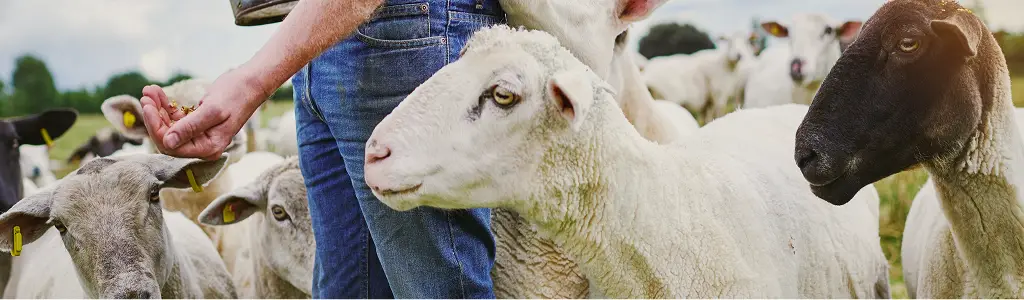
The sixth of the seven Noahide commandments is perhaps one of the most moving and delicate: Not to eat a limb taken from a living animal. At first glance, this is a simple instruction – but it carries within it a very deep moral idea, one that is far ahead of its time: The human […]
Integrity and Justice — The Prohibition of Theft

Integrity and Justice – The Prohibition of Theft Among the seven Noahide commandments, one of the clearest and most essential is the prohibition on theft – not to steal, not to take something that isn’t yours, not to harm another person’s property. But behind this simple commandment lies a deep principle: trust. The Foundation of […]
Sanctity of Relationships — The Prohibition of Sexual Immorality
One of the main Noahide laws prohibits forbidden sexual relationships — including close relatives, adultery, or any relationship that distorts the natural, moral foundation of family. The Essence of the Idea Human life is built upon the bond between man and woman. A deep connection that creates new life and through which, creation continues to […]
Sanctity of Life — The Prohibition of Bloodshed

The third Noahide law prohibits murder. On first sight, this may seem obvious, – after all, every sane person understands that murder is a terrible act. However, Judaism sees it not only as a social crime, rather as a violation of the sanctity of life itself, of the Divine base in every human being. Essence […]
Honor G-d — The Prohibition of Blasphemy
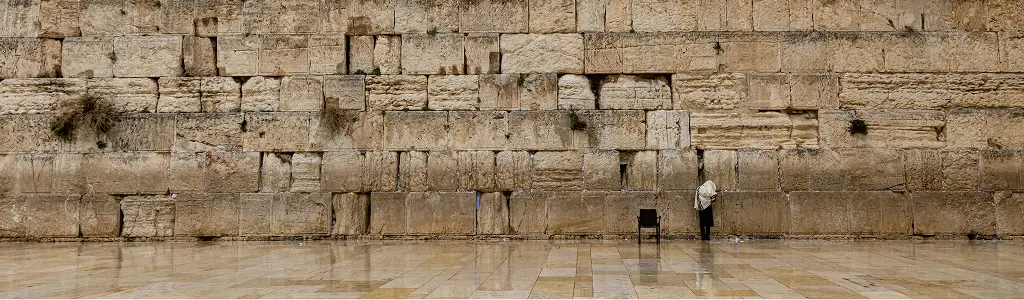
One of the main commandments given to humanity is to not curse the Creator. In the Torah, this offense is called “Birkat Hashem” (blessing G-d) — a delicate expression replacing a harsher word – cursing G-d. What is the Meaning Behind the Command At its base, this commandment teaches respect. When a person curses the […]
Belief in One G-d — The Prohibition of Idolatry

The first of the Seven Noahide Laws is the prohibition of idolatry — believing in or bowing to any power other than the One Creator. The Essence of the Idea This command carries a simple yet profound message: There is one G-d who created everything that exists. Everything we see — nature, the stars, the […]
Mental Health

How to find balance, serenity, and meaning Maimonides, who was both a physician and a philosopher, viewed the human soul as an inseparable part of a person’s overall well-being. He taught that just as there are laws for caring for the body, there are principles for caring for the soul. In his eyes, a truly […]
Physical Health

A wisdom of both body and soul Maimonides — Rabbi Moshe ben Maimon (1138–1204) — was not only one of the greatest halachic authorities and Jewish philosophers, but also an exceptional physician. He served as the royal doctor of Egypt and wrote important medical works. In his view, physical and emotional health are not two […]
15th of Av
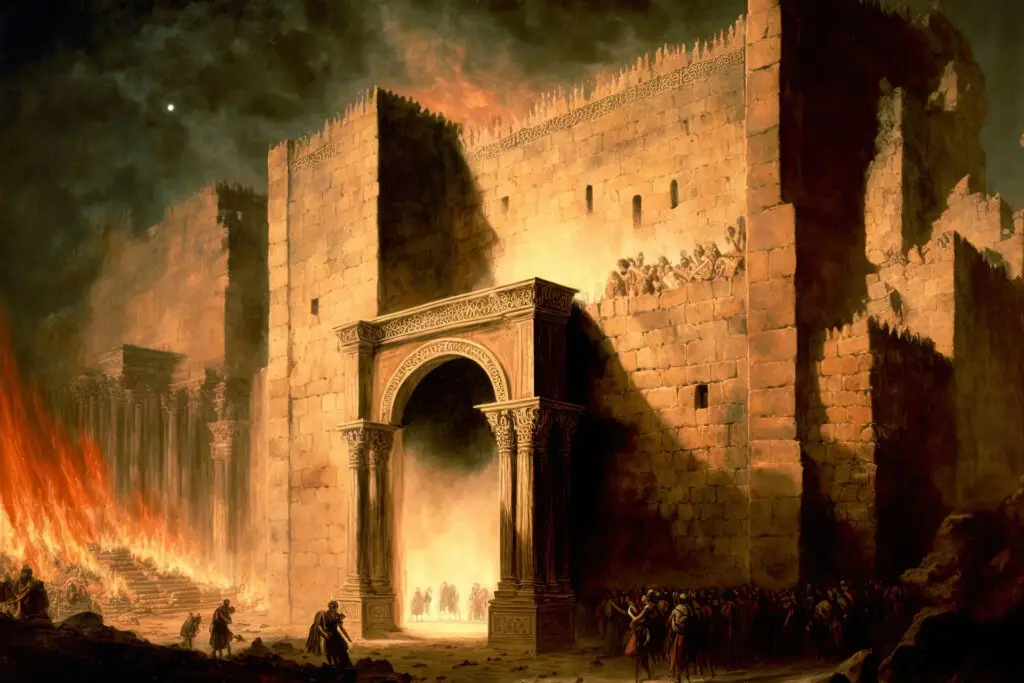
Background The fifteenth day of Av (Tu B’Av) is traditionally considered a day of special joy. It is said, “There were no happier days for the Jewish people like the fifteenth of Av and Yom Kippur” – as our sages declared. The Mishnah also describes a specific custom practiced on this day, where the young […]
Month of Av
Identity Card Av is the eleventh month in the Hebrew calendar, beginning in the month of Tishrei and being the fifth month in the year that starts in the month of Nissan. The month of Av always consists of 30 days. Its name, like the names of other months, is of Babylonian origin. Its source […]
Month of Tammuz
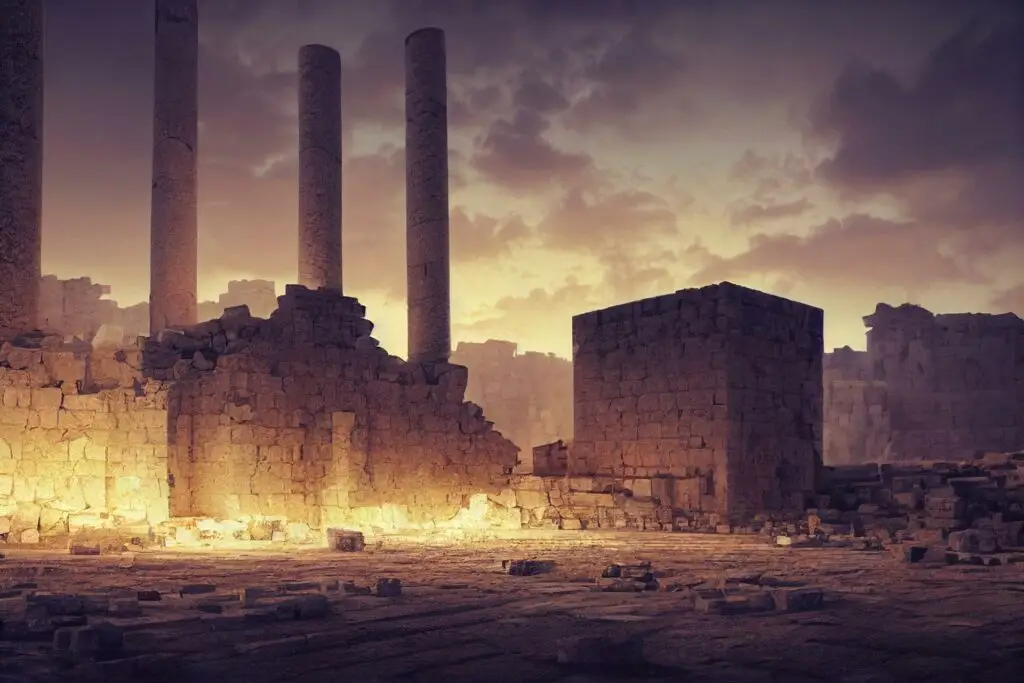
Identity Card Tammuz, in the Hebrew calendar, is the name of the tenth month from the beginning of the year, which starts with Tishrei, and the fourth month in the biblical year, which begins with the month of Nissan. Events of the month: The Seventeenth of Tammuz – a fast day that marks the day […]
Shabbat Chazon
What is it? The Shabbat before the ninth of Av is called “Shabbat Chazon” (Shabbat of Vision) after the Haftarah reading that begins with the words “Chazon Yeshayahu…” (The Vision of Isaiah…). Another reason for the name is that the word “chazon” means vision or appearance. On this Shabbat, God shows every Jew a vision […]
Shabbat Nachamu
Shabbat Nachamu During the seven Shabbatot following Tisha B’Av, we read in the Haftarah the chapters of consolation and hope from the book of Isaiah. From the prophet’s verses, we draw encouragement and strength to continue on our path, to look forward and hope for the end of exile and the coming of the Redeemer, […]
Tammuz 17
Historical Background Throughout Jewish history, the Seventeenth of Tammuz has been a fateful day, and therefore the prophets established it as a day of remembrance and mourning, in which we fast and mourn over the tragedies and hardships that befell our people, particularly focusing on five prominent sad events that occurred on this day. The […]
The Nine Days
The Nine Days Our sages said: “From the moment Av begins, we decrease in joy.” The first nine days of this month are the peak of the period of mourning over the destruction of the Temple and Jerusalem. Therefore, during these days, mourning practices are observed more strictly than during the “Three Weeks.” In addition […]
The Three Weeks
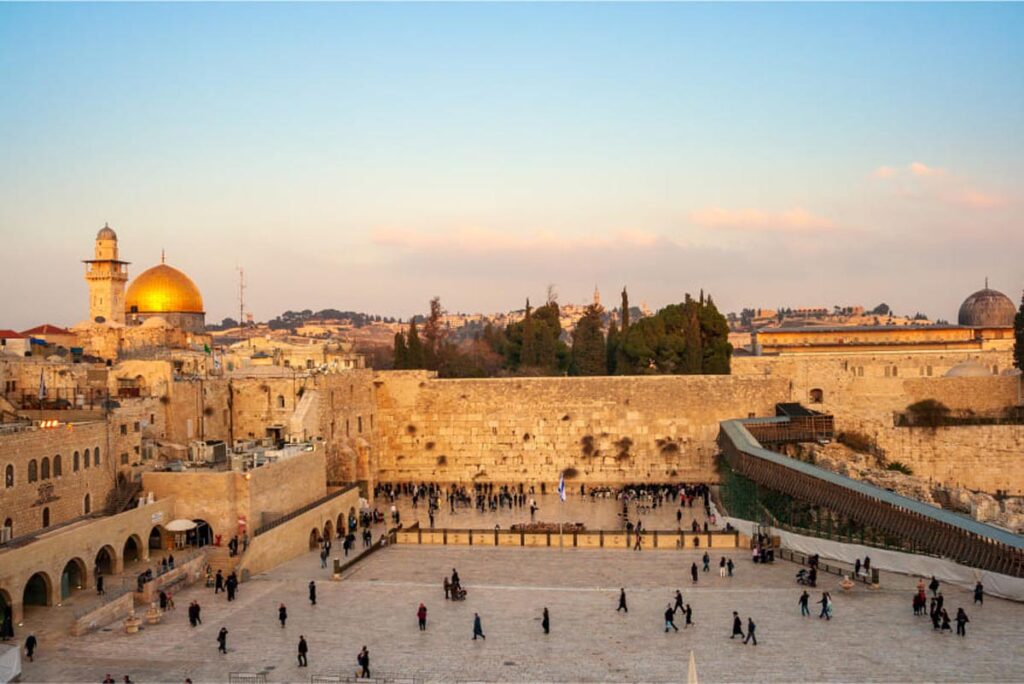
Introduction The days between the Seventeenth of Tammuz and the Ninth of Av are called the “Days of Bein Hametzarim” (Between the Straits). According to the verse in the Book of Lamentations, “All her pursuers have overtaken her between the straits.” This period is also called the “Three Weeks” because it lasts for twenty-one days. […]
Tisha B’Av
Background The ninth day of the month of Av is a designated day of calamity in our nation’s history. The heaviest and most severe tragedy that occurred on this day is the double destruction of the First and Second Temples, which happened centuries apart. As a result, the ninth of Av became a day of […]
The Shavuot holiday
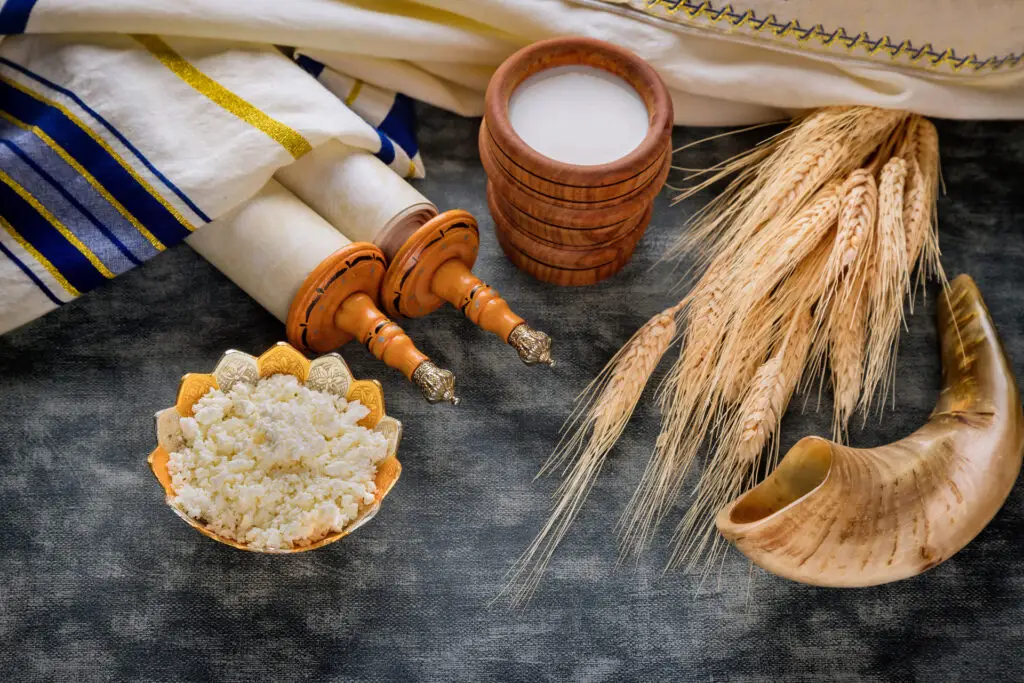
Introduction The Festival of Weeks, or Shavuot, is the celebration of the giving of the Torah, and it is the second of the “Three Pilgrimage Festivals” – Passover, Shavuot, and Sukkot. It is the only holiday that does not have a fixed date, but it is held at the end of the seven weeks of […]
Eve of the Holiday
Introduction It is a mitzvah to have a haircut on the eve of the holiday, and it can be done even after midday. On the holiday, like on Shabbat, it is forbidden to light a new fire. But since on the holiday itself it is permissible to cook and transfer fire from an existing fire […]
Holiday Customs
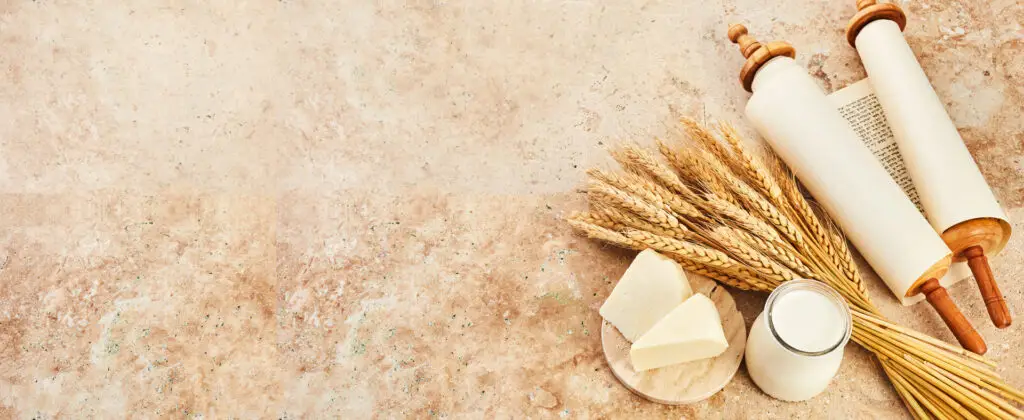
Flower Decorations As Shavuot is a harvest festival, some have the custom to decorate the house and the synagogue with flowers and fruits. Another reason for this is what our sages told us, that in anticipation of the giving of the Torah, Mount Sinai – which was a desolate mountain until the giving of the […]
Isru Chag
Isru Chag Outside of Israel, Shavuot is celebrated for two days – also on the 7th of Sivan, called “Yom Tov Sheini Shel Galuyot”, and all the laws of the festival apply. In Israel, the 7th of Sivan is called: “Isru Chag” – and that is also the name of the day following each of […]
Sivan Month
Identity Card The month of Sivan is the ninth month in the Hebrew calendar that begins in Tishrei, and is distinguished by the fact that in it occurred the event of Mount Sinai and the reception of the Torah in it – in Sivan, it is Shavuot. In the biblical calendar – referring to the […]
The Festival Day
Morning Prayer We begin the morning prayer as on every Sabbath: “Korbanot”, “Psalms of Praise”, and “Shema”. In the “Amidah” prayer, we recite the “Shalosh Regalim” prayer, and afterwards say the full “Hallel”. For the “Torah Reading” we bring out two Torah scrolls. In the first scroll, five people are called up to the Torah, […]
Lag BaOmer
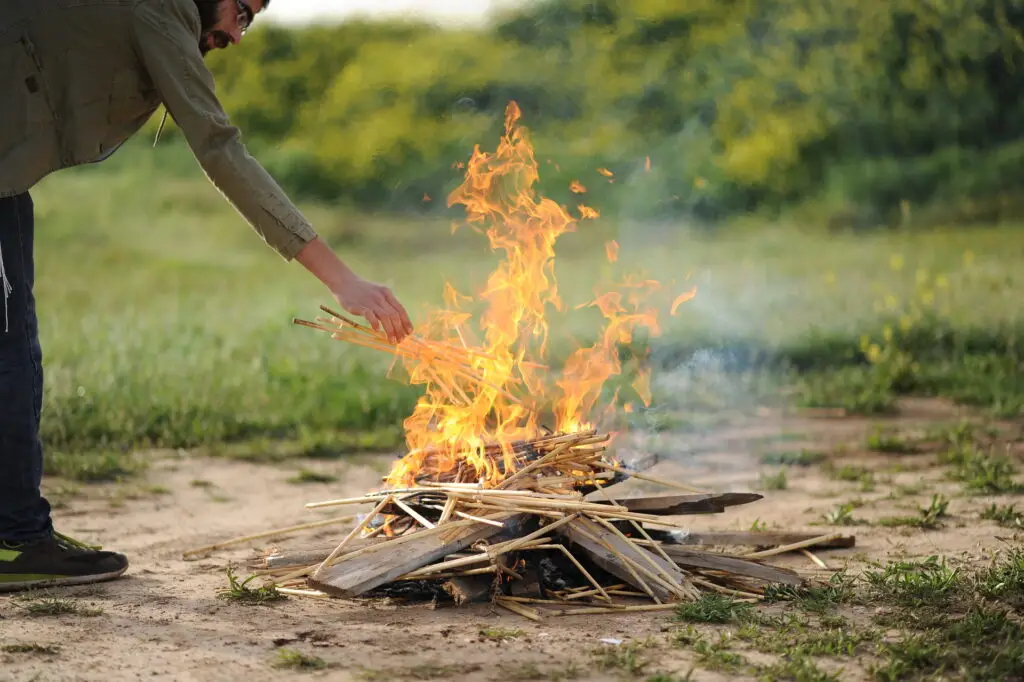
Introduction The 33rd day of the Omer Counting is called “Lag BaOmer” (the numeric value of “Lag” is 33) and falls on the 18th of Iyar. This day marks the passing of Rabbi Shimon Bar Yochai (Rashbi), author of the holy “Zohar” and father of Kabbalah. Additionally, on this day, the plague that struck Rabbi […]
Pesach Sheni
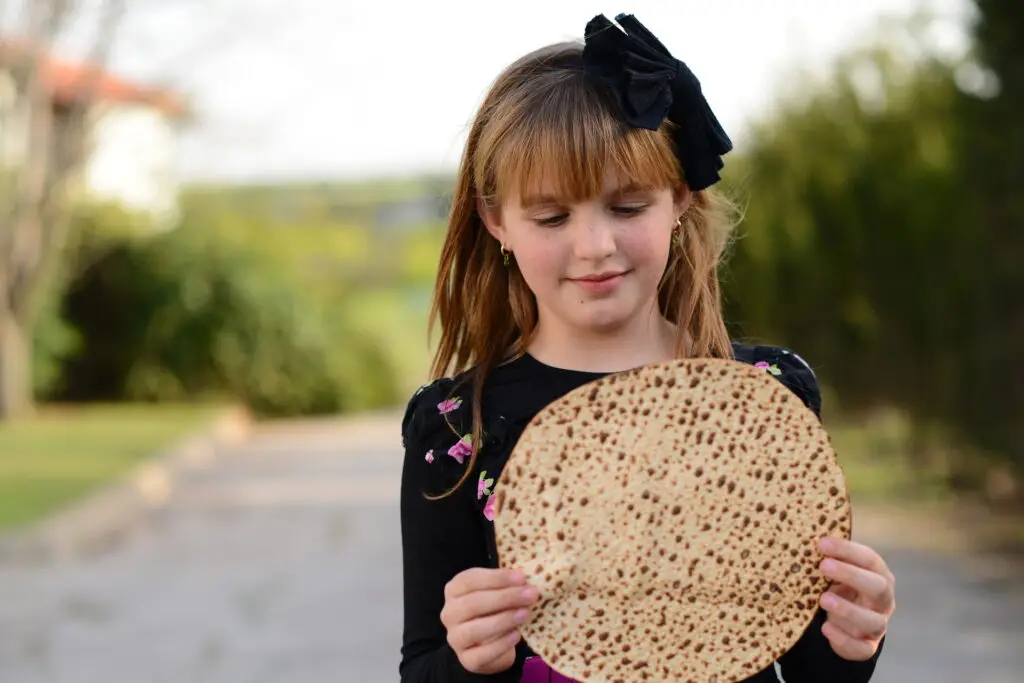
What is ‘Pesach Sheni’? During the time the Temple stood, every member of the people of Israel was obliged to participate in offering the ‘Paschal Sacrifice’ on the 14th of Nissan. Anyone who could not bring the sacrifice on that day – because he was ‘ritually impure’ or because he was far from Jerusalem – […]
Count of the Omer
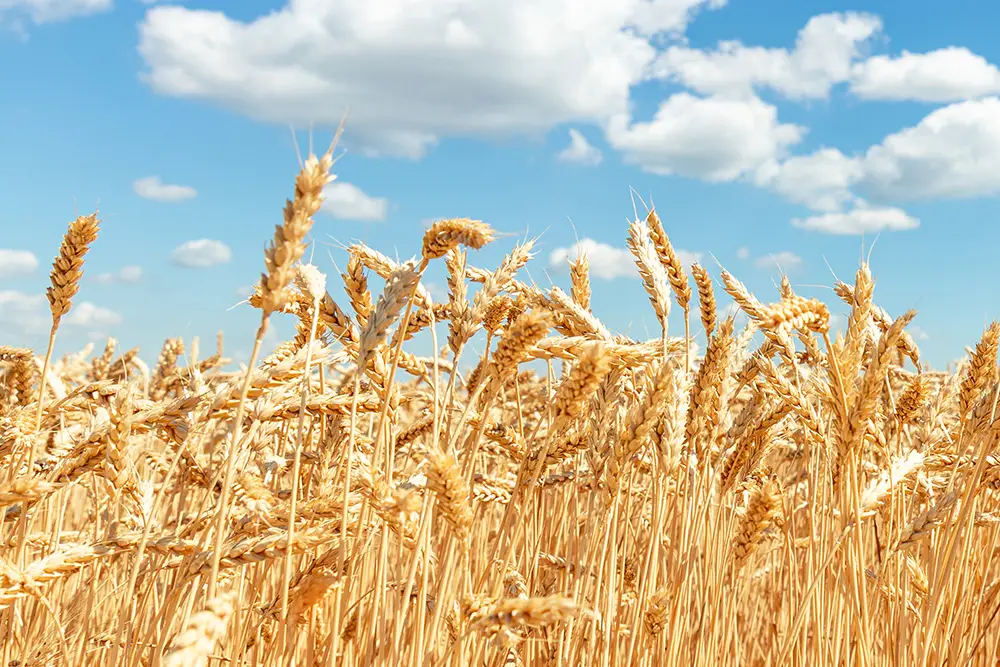
Why do we count? It is a Torah commandment to count 49 days, starting from the second day of Passover (on the 16th of Nissan) and ending on the eve of Shavuot (5th of Sivan). The ‘Giving of the Torah’ that took place on Shavuot – when God appeared and gave the people of Israel […]
Iyar month
Identity Card Iyar is the eighth month in the Hebrew calendar that begins in the month of Tishrei. The name of the month – like most months of the year in the Hebrew calendar – is taken from the language in which the Jews spoke during the Babylonian exile, and its translation into Hebrew is […]
Month of Nisan
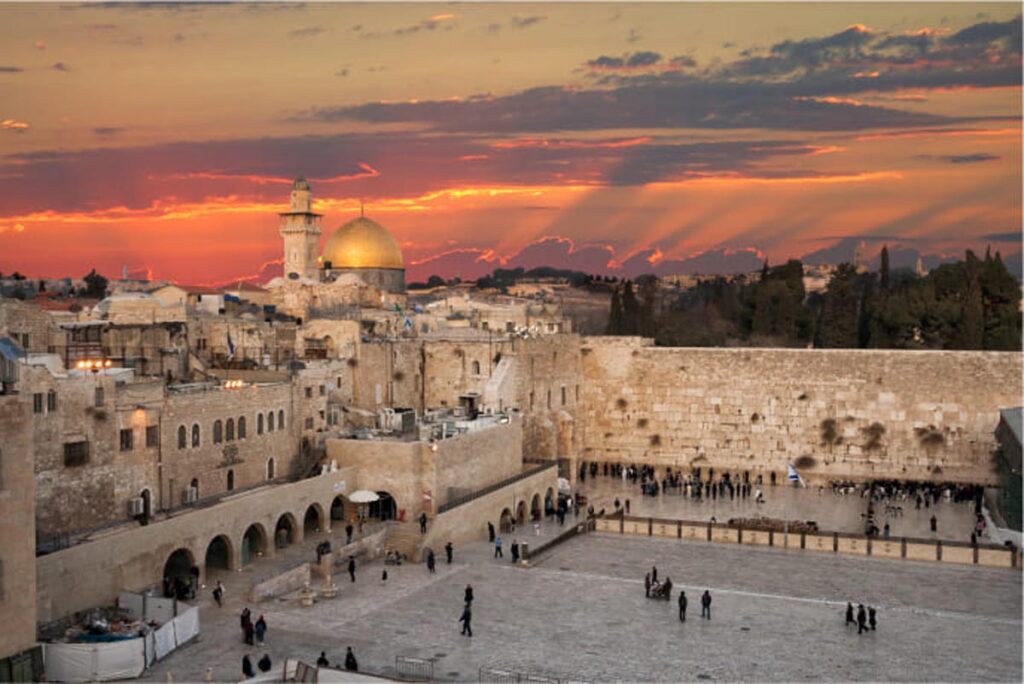
Identity Nisan is the seventh month in the Hebrew calendar that begins with the month of Tishrei, and it has 30 days. “Nisan” translated to Hebrew means bud, which blooms in the spring. Nisan is also from the term miracle, suitable for the month in which miracles were performed for the people of Israel. In […]
Passover Eve
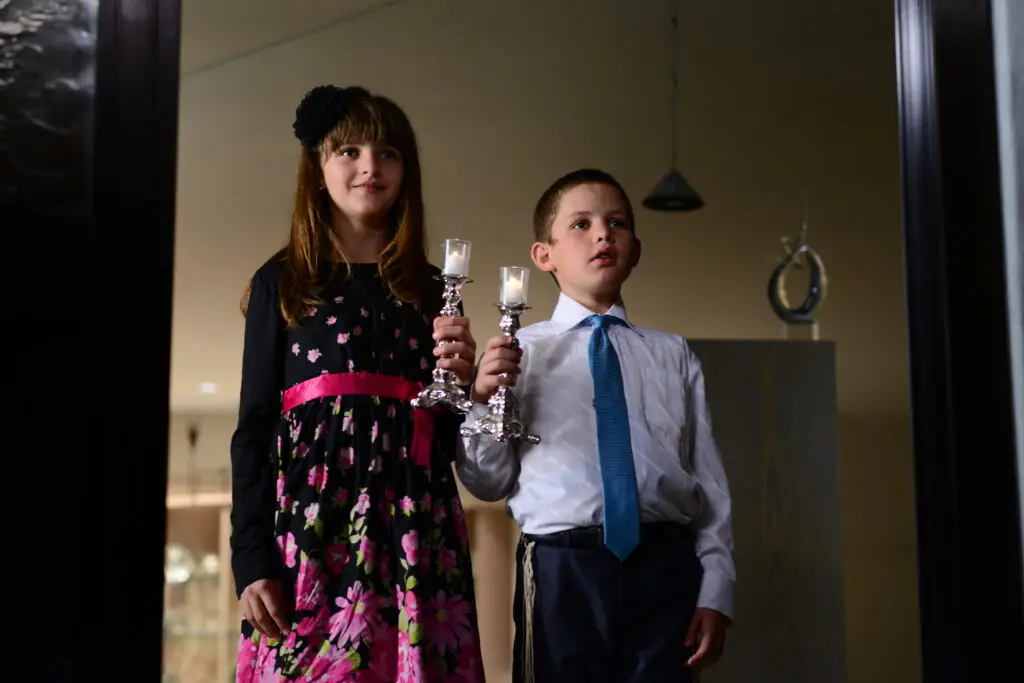
14th of Nisan On Erev Pesach, they hurry and pray the morning prayer early, in order to finish the morning meal at a time when it is still permissible to eat chametz. From this day onwards until the end of Passover, they do not say in the prayer the section “Mizmor L’Todah” after “Baruch She’amar”, […]
Passover Holiday
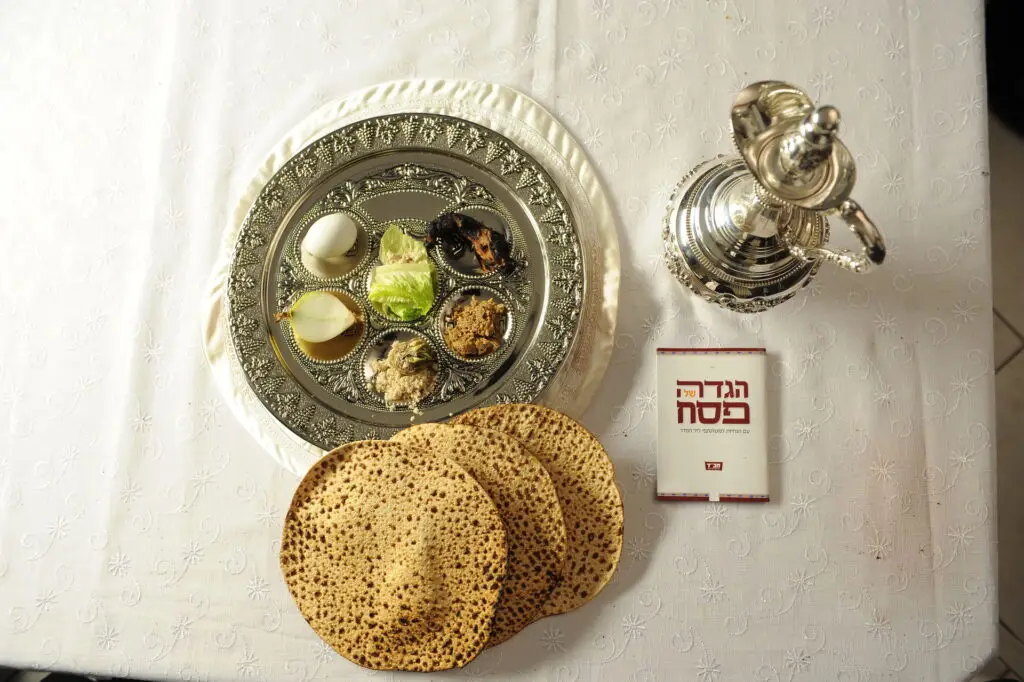
Passover – the Holiday of the Exodus from Egypt Passover is the holiday of the Exodus from Egypt and is the first among the “Three Pilgrimage Festivals” – Passover, Shavuot, and Sukkot. Passover falls between the 15th and 21st of the month of Nisan and lasts for seven days (in the Diaspora, the holiday lasts […]
Prohibition of Chametz
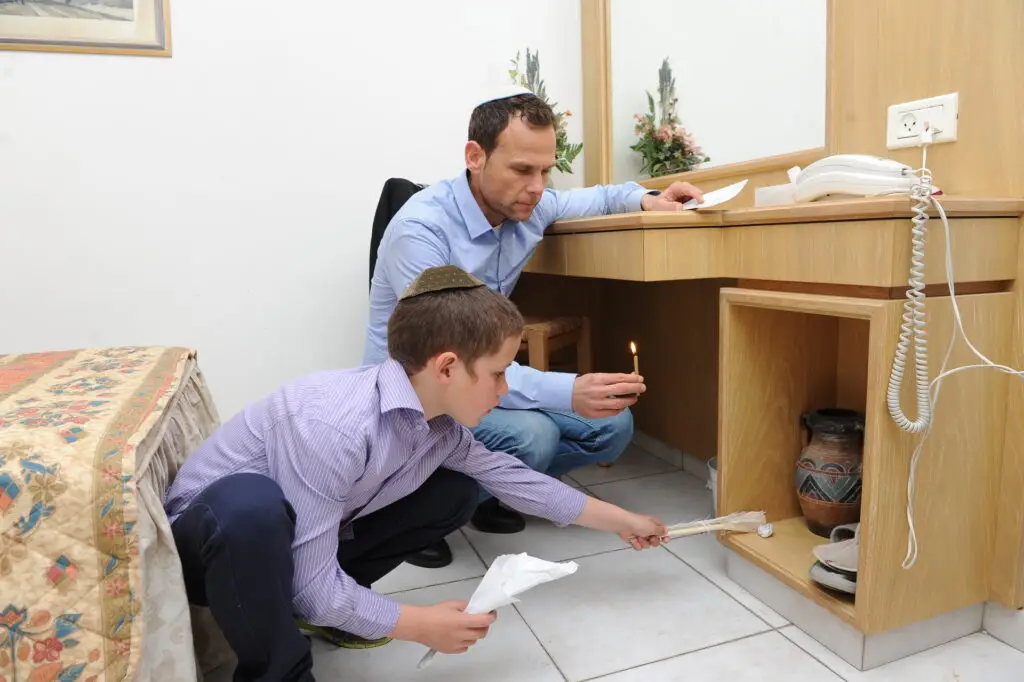
Introduction Apart from the fact that we are forbidden to eat chametz (leavened grain products), there is an additional prohibition from the Torah: no chametz should remain in our possession during the Passover holiday, as it is written: “No leaven shall be found in your houses for seven days… and no leaven shall be seen […]
Sabbath Hagadol
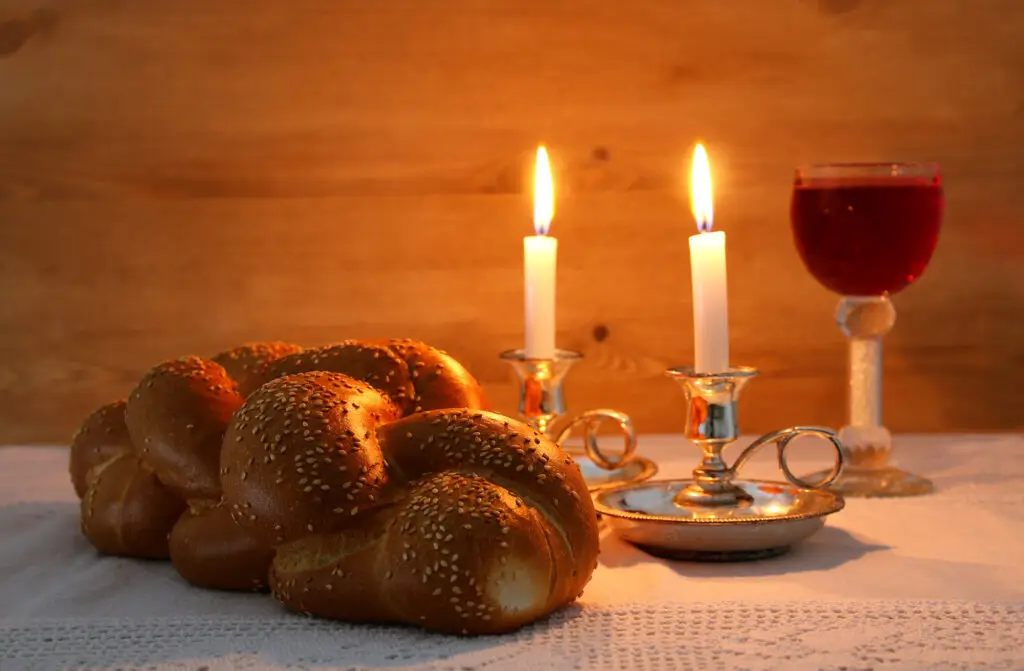
What is it? The Sabbath before Passover is called the “Great Sabbath” because on this day a great miracle happened to our forefathers: On the last Sabbath before the exodus from Egypt, the children of Israel were asked to prepare lambs in their homes for the “Passover sacrifice”. When the Egyptians saw the Jews’ activity, […]
Seventh Day of Passover
Splitting of the Red Sea The seventh day of Passover – the 21st of Nisan, marks the end of the seven days of the festival and is characterized by being a “yom tov”, that is, a festival day on which work is prohibited – like the first day of Passover. The number seven plays a […]
What is Matzah?
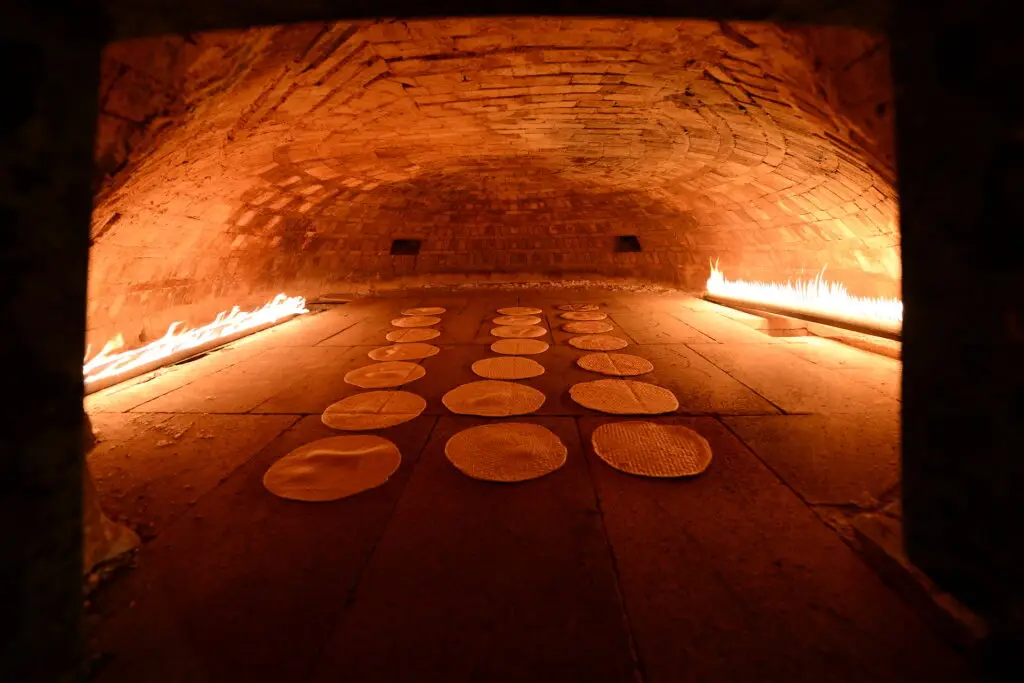
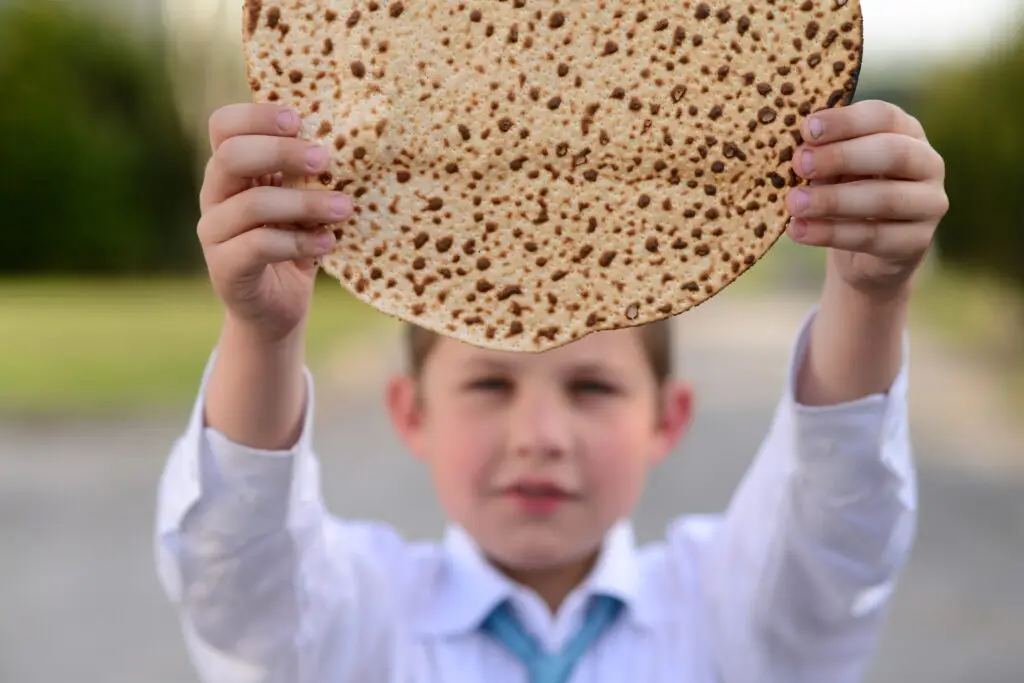
What is Matzah? Matzah is a type of bread made from dough of one of the five grains that has not fermented. In the Torah, Matzah is referred to as “bread of affliction,” probably due to its association as the food of the poor during ancient times. Matzah symbolizes positive behavioral traits: Humility: it remains […]
Cleaning the House, and the Definition of “Chametz”
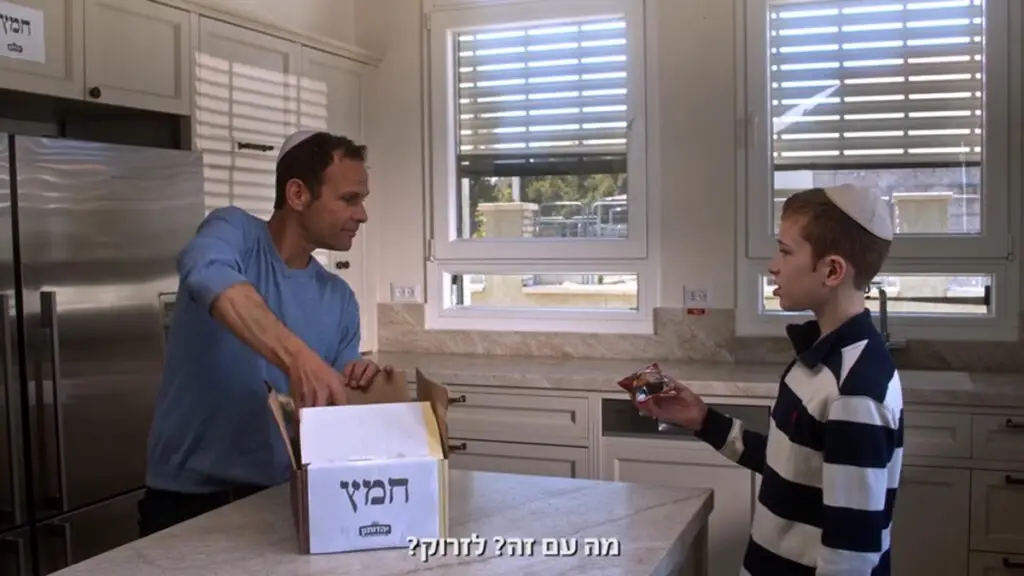
House Cleaning, and also: What is ‘Chametz’? Already at Purim, one begins to feel the scent of spring in the air and the approaching Passover holiday. The goal of getting organized, cleaning and arranging the house for the holiday is one: to find the last crumbs of chametz hidden in the most remote place in […]
“Make for yourself a Rabbi”
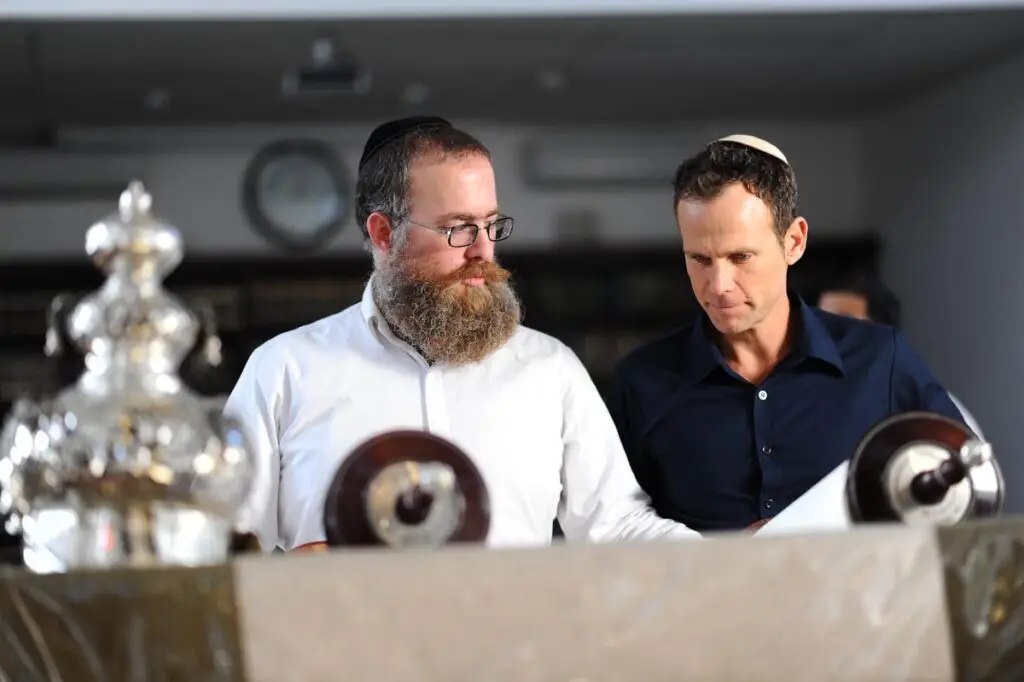
“ Introduction Every family has its circle of people around it: the electrician, the plumber, the family doctor, the insurance agent, and so on. A Jewish family boasts an additional personality on the list of contacts: the Rabbi. Throughout life, questions arise about Halacha (Jewish law), worldview, faith, marriage, child rearing, and more. It’s always […]
The atmosphere at home

“ The atmosphere at home The atmosphere at home is more important than anything in it. The four walls are like the ‘frame’, the people inside are the actors, the atmosphere is the foundation. There are big and beautiful homes full of all good, but when we enter them we feel uncomfortable. The atmosphere in […]
Immersing Utensils
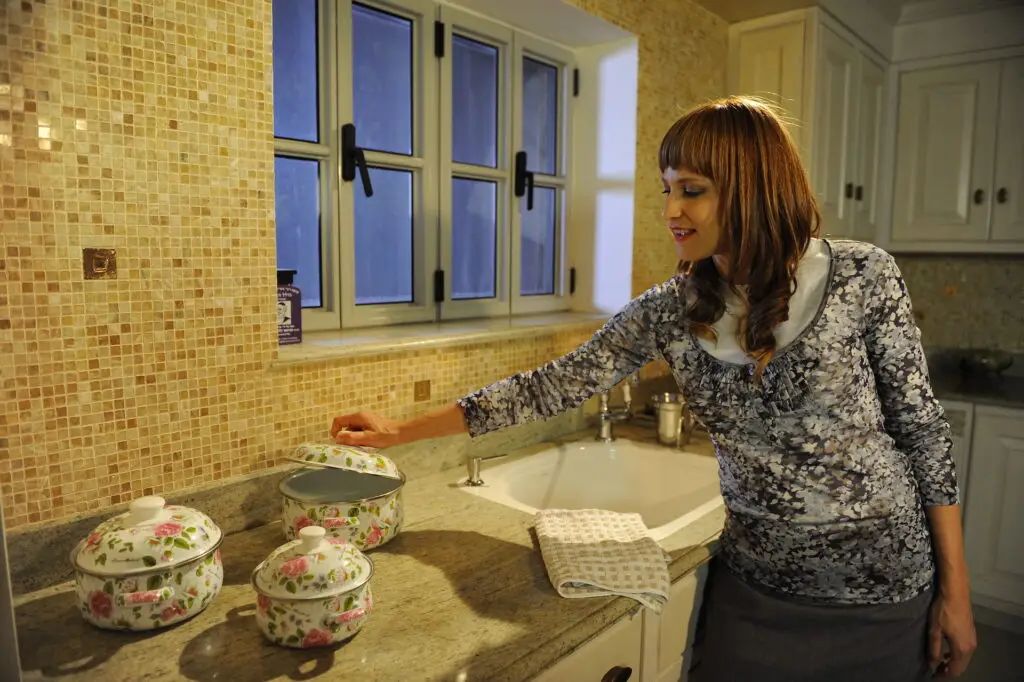
Background God asks of us, His chosen people, to be holy and separate from the rest of the nations of the world. Therefore, many commandments create the ‘barrier’ that separates between us and them. If things are valid towards behaviors, outerwear, and the like, all the more so they are true regarding the foods and […]
Insects and Worms

Background As we mentioned in the previous chapter, it is forbidden to eat the vast majority of the world of crawling creatures, amphibians, insects, and worms, of all their types and kinds. The Torah divides them into three main groups: Those in water, for example: worms found in the stomach of fish, lice found on […]
Mezuzah Inspection

Introduction Periodically, it is necessary to remove the mezuzot from their places and send them to a ‘Sofer STaM’ (scribe trained in the laws of writing scrolls) in order to verify their validity. Just like a car that needs to undergo a ‘test’ every year… The scribe ensures that the parchment is in good condition […]
Mezuzah Laws
Types of Buildings When passing by a mezuzah, whether entering or exiting, it’s good to touch it in order to remember and internalize the words of faith contained within it. To be required to have a mezuzah, the building must be a ‘permanent structure’ and not temporary, like a sukkah or a temporary tent. A […]
Moving Apartments
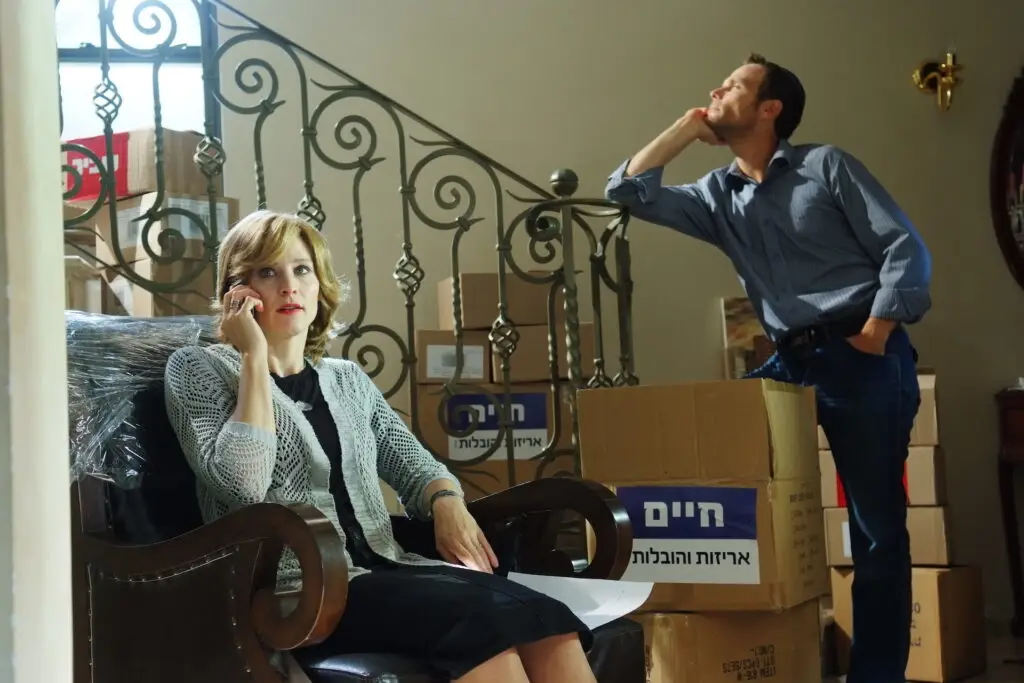
Surrounding Environment The surrounding environment has a great impact on the quality of our life. Therefore, when we are looking for where to live, we should not only check if we are close to the municipal pool or the children’s school, but also the surrounding environment. We don’t only need to worry about nice neighbors […]
Our home
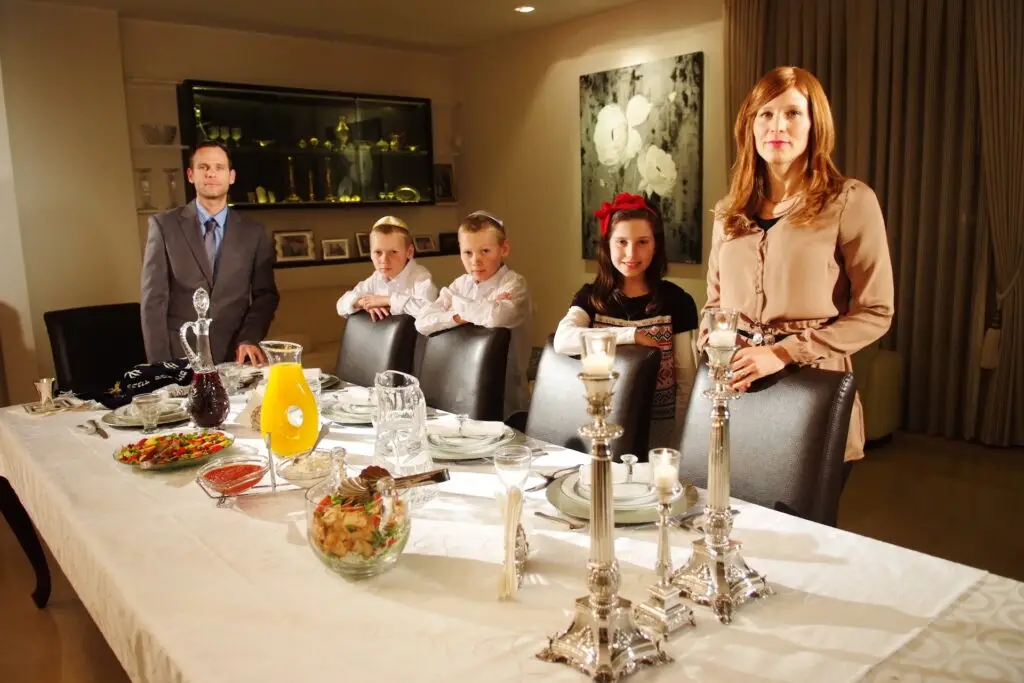
Introduction Our home is the center of our lives: it’s where we grow and develop, raise and educate our children, and manage most of our personal lives. The fact that we have a home to live in is so important that our sages blessed memory said, “A person without a home is not a person.” […]
Signs of a Jewish Home
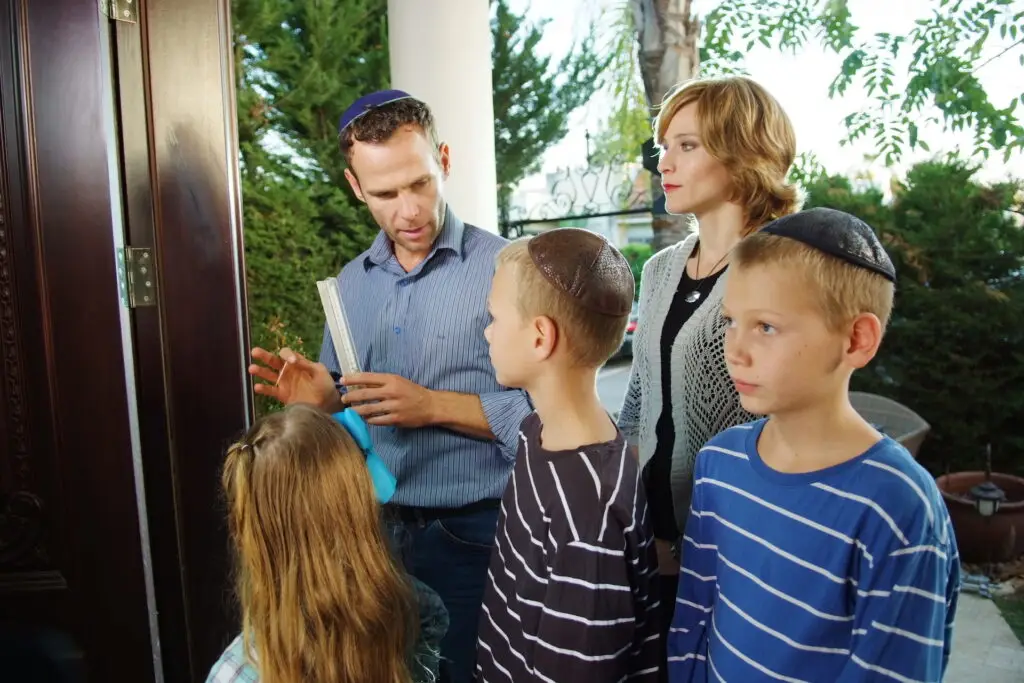
Introduction A Jewish home is not just one in which a person born to a Jewish mother resides or one who converts according to Jewish law, but rather a home with certain elements that create its “Jewishness” beyond its internal functioning. Here are some key identifying signs summarized here briefly, and we will expand on […]
Studying Torah and fulfilling mitzvot at home
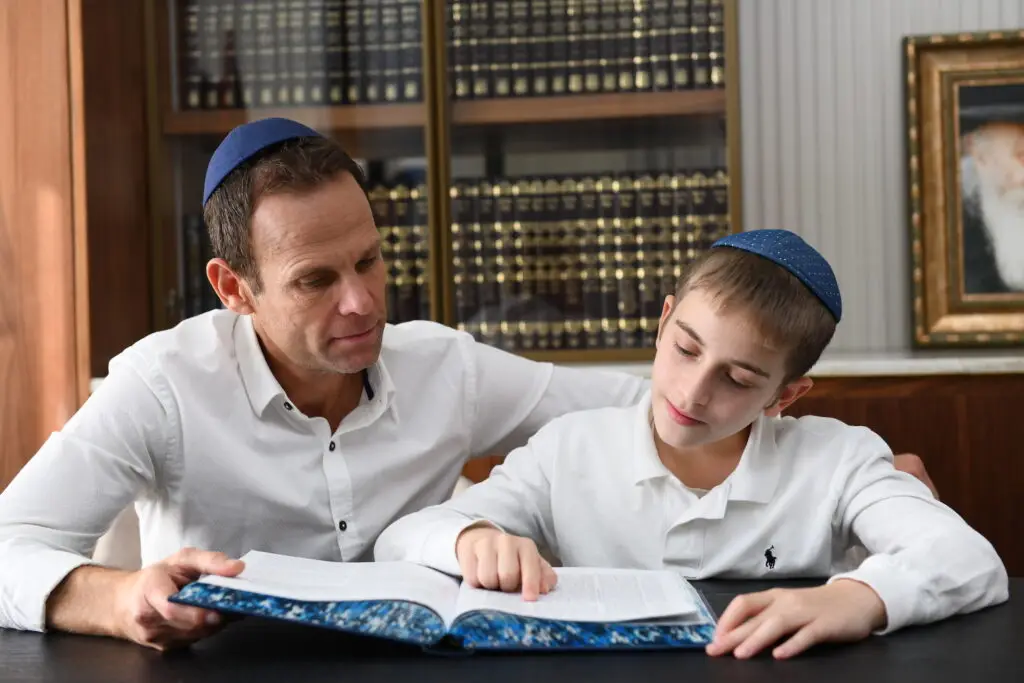
Studying Torah The Holy Temple in Jerusalem was destroyed nearly two thousand years ago, and since then we mourn its loss and pray for its reconstruction. Until then, we have the opportunity to build our own ‘private Temple’. A Temple is a place where the Divine Presence dwells, and just as it was then in […]
Swarming Creatures
Introduction The Torah provides us a list of many crawling creatures that are forbidden to eat. This list essentially includes all crawling creatures, amphibians, worms, and insects. There are only four types of locusts that are permissible to eat according to the following signs: Forked legs. High legs. The tradition of eating locusts has been […]
Affixing the Mezuzah
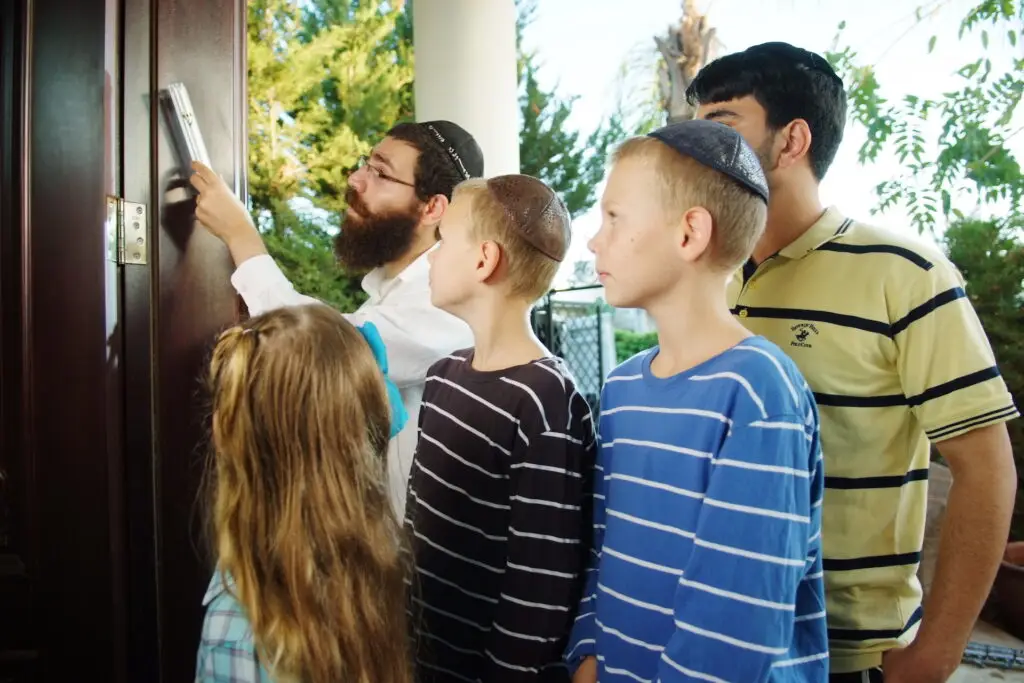
Every door – A Mezuzah Every entrance to the rooms of the house should have a mezuzah affixed – except for bathrooms and rooms that are less than 4 square meters. So, if we have, for example, four bedrooms, a living room, and a balcony, we will need 6 mezuzahs: one for the main entrance, […]
The Jewish kitchen
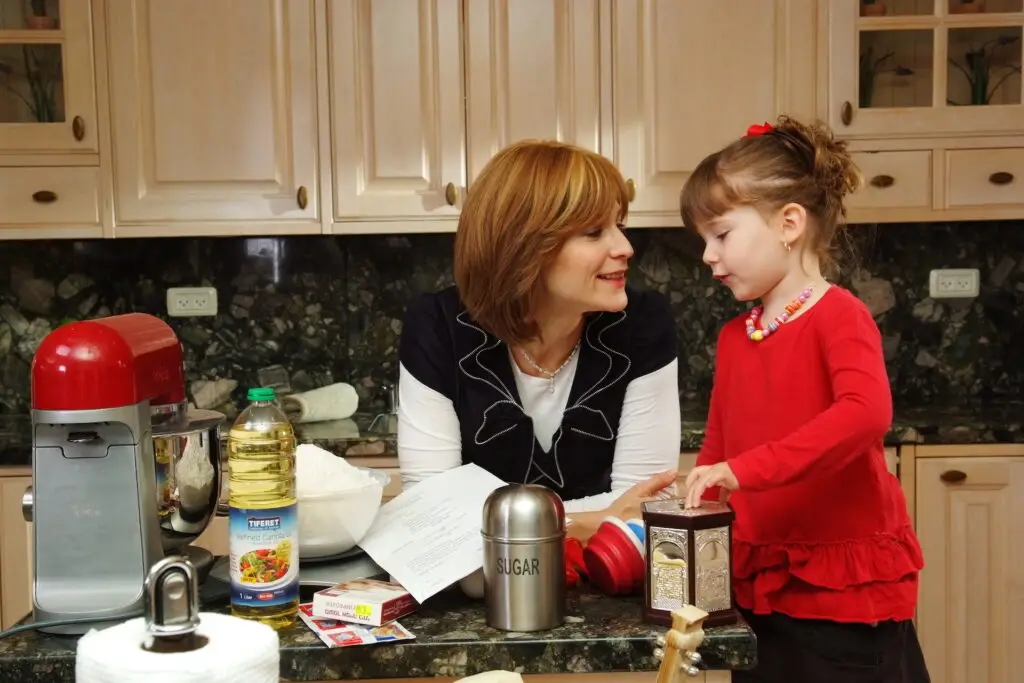
Introduction Who hasn’t heard of the Jewish kitchen? Its exquisite and diverse dishes have earned it a reputation in the culinary world. At first glance, it looks just like any other kitchen, Italian or French: the pots look the same, the utensils look the same, and even the sweet paprika is similar to that in […]
Animals

What is kosher and what is not? The Torah gives us clear rules about the food we can eat. Animals are generally divided into 4 types: mammals, birds, fish, and invertebrates. Since in our time, we buy most of the meat, poultry, and fish, after all the processes, when they are ready to eat, we […]
The Mezuzah
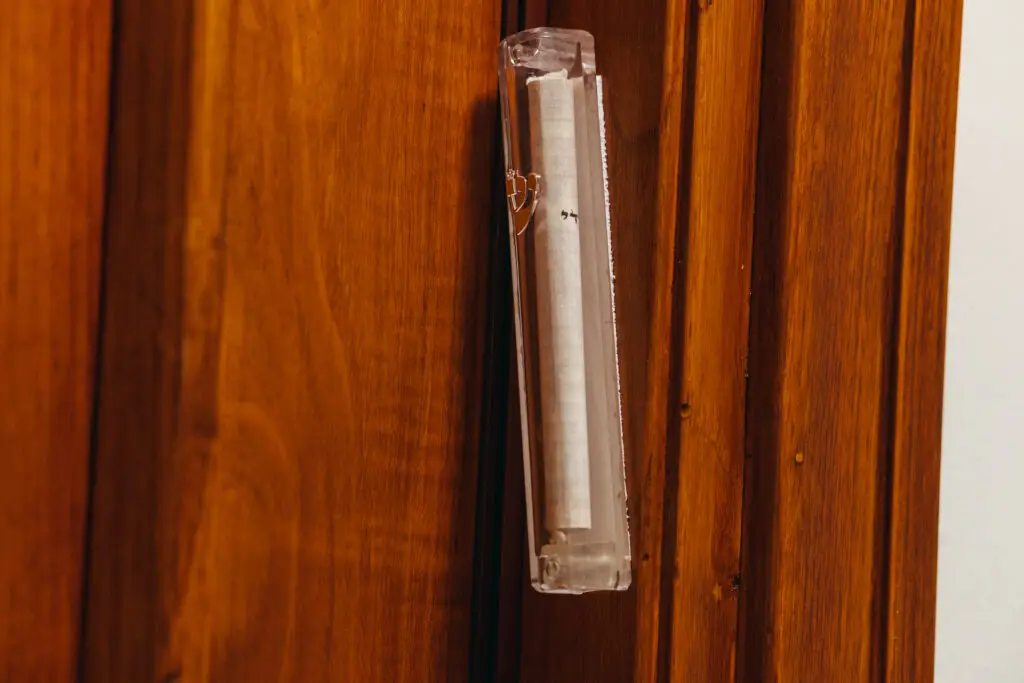
Background One of the most prominent signs of a Jewish home is the mezuzah affixed at the entrance of the house. The commandment of the mezuzah appears in the book of Deuteronomy: “And you shall love the Lord your God with all your heart and with all your soul and with all your might. And […]
Blood

Background One of the prohibitions that appears in the Torah is the prohibition not to drink blood. Does it make you shudder? So that’s it, once it was very common and accepted throughout the world. But even today the prohibition is current and practical and has implications for our daily life. An example? Of course: […]
The Mitzvah of Separating Challah
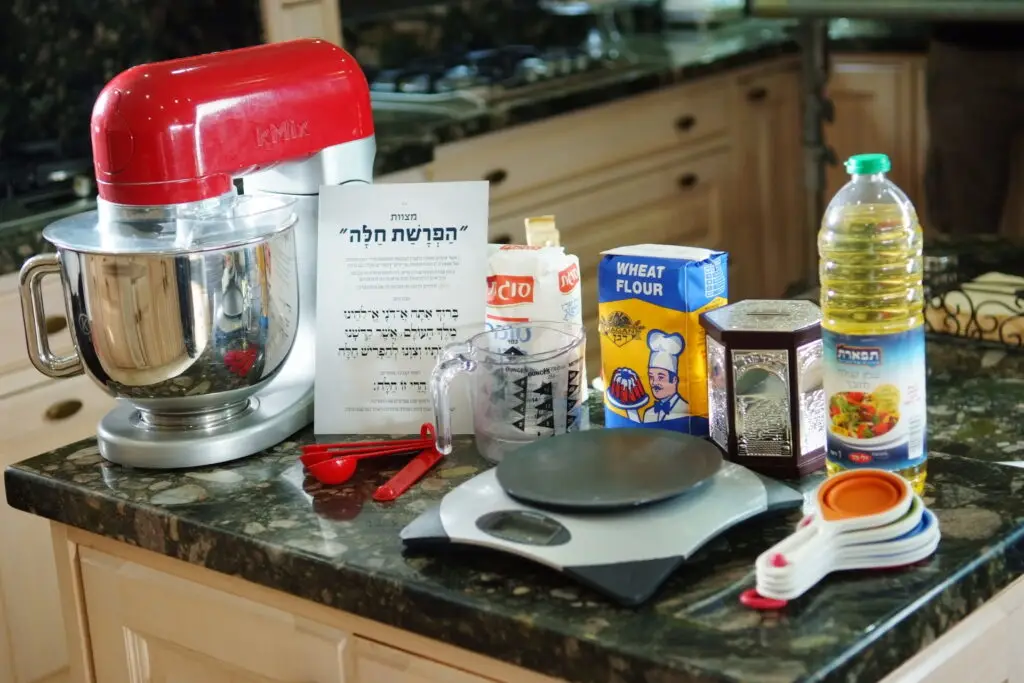
Separating Challah When baking any kind of pastry (made from any of the five species of grain) from an amount of 1.666 kg of flour or more, one needs to “separate challah” with a blessing. When the Temple existed, they would take part of the dough and bring it to the priests. Today, they take […]
Child Education
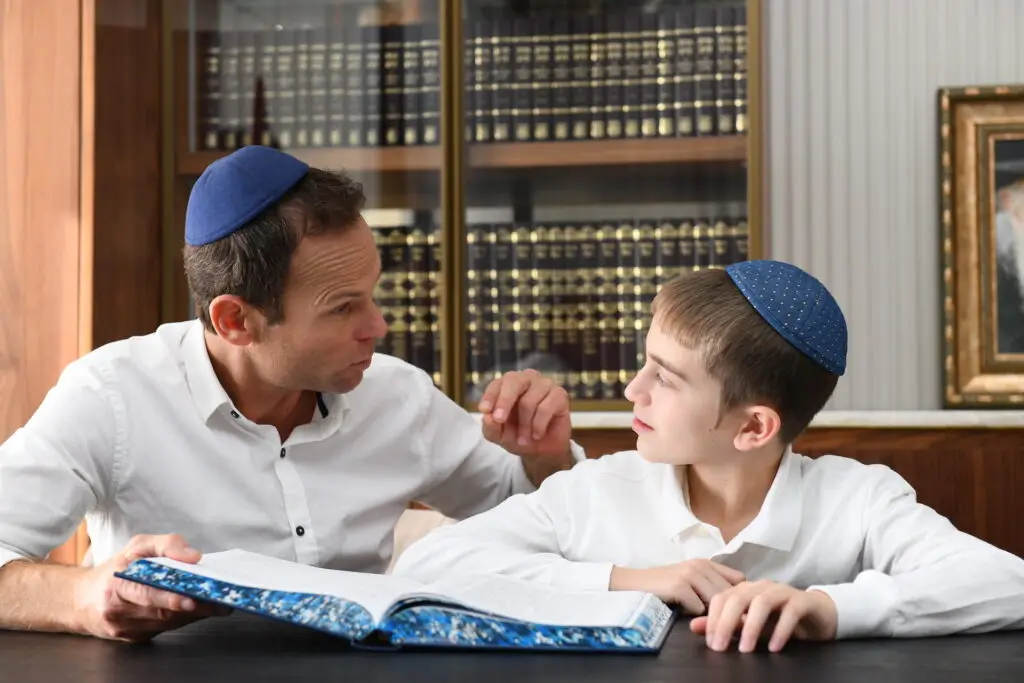
Education: Our Mission Educating our children is the most important topic: it will determine the future; it will shape the destiny of the next generation; it, and nothing else, will shape the character of the Jewish people in the coming years. Many challenges face our generation. Being Jewish in the modern world is not a […]
The World of Supervision and Kosher Certifications
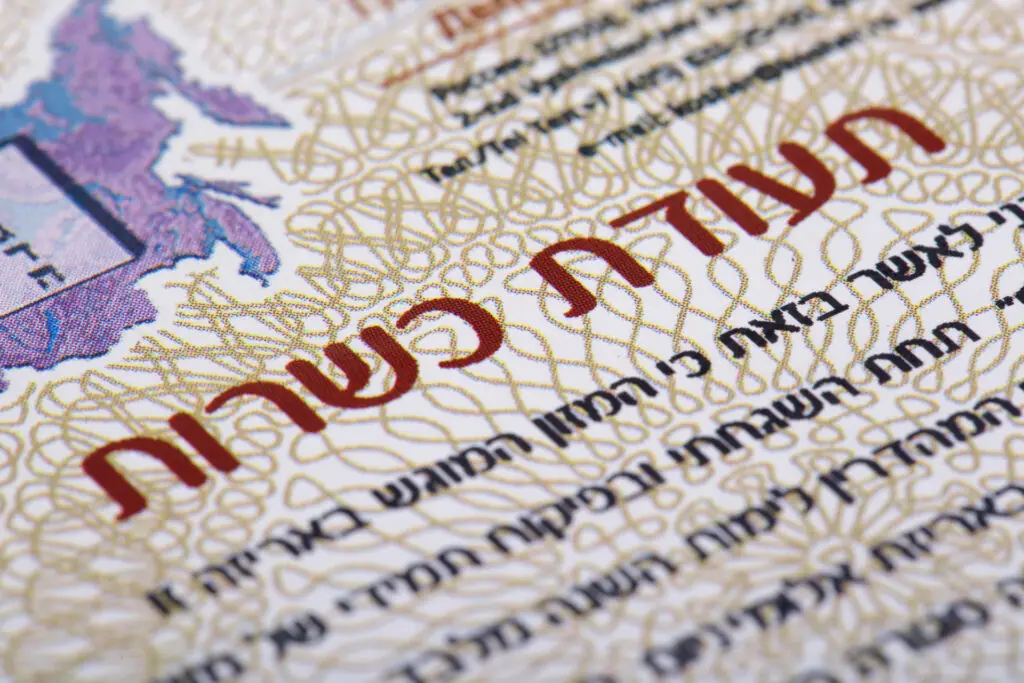
Introduction Most of the food sold in Israel is marked by one kosher certification or another. “Under the supervision of Rabbi…”, “Under the supervision of the BD“T…”, “Under the supervision of the local rabbinate…” in a city or a regional council, or “Kosher for Mehadrin under the supervision of the rabbinate…” What is kosher certification? […]
Commandments Dependent on the Land
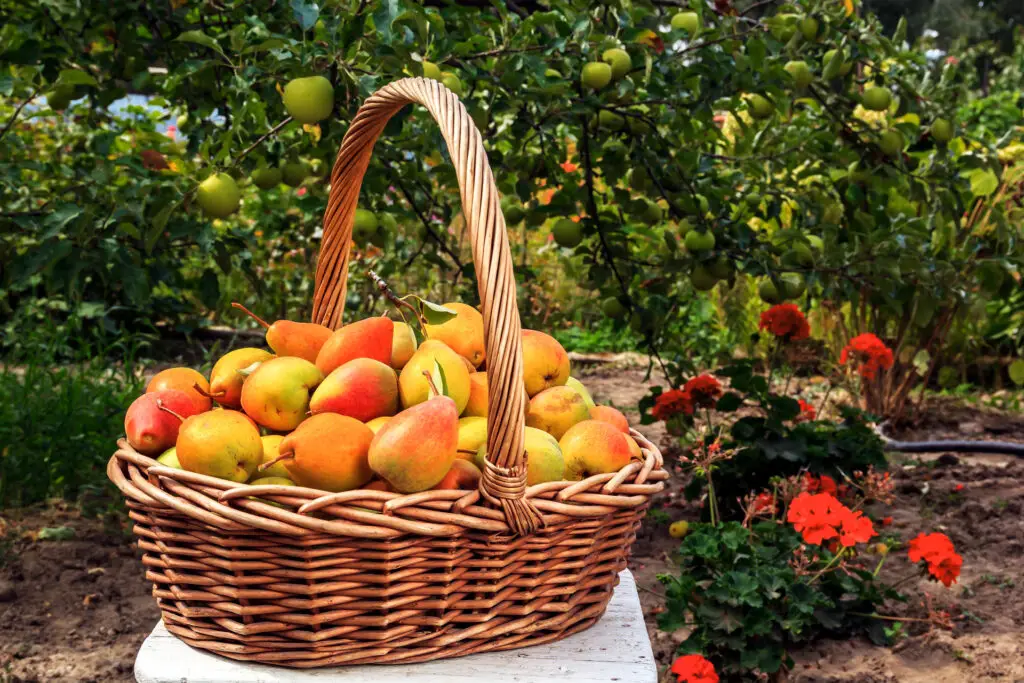
Troumot, Maasserot, Orla and Cheviit When the people of Israel entered the Promised Land, the land was divided among the tribes. The only tribe that did not receive a portion of the land was the Levite tribe (which included the priests and the Levites), who were designated to serve God in the Temple – and […]
Dangerous Foods

Introduction So far, we mainly wrote about things that should not be eaten due to one commandment or another. Now, we will detail a list of things that God warns us not to eat only because of the danger they pose: An egg, garlic, or onion that were peeled and left overnight, are forbidden to […]
Food associated with Gentiles

The essence of the prohibition Our sages, may their memory be blessed, prohibited eating several types of foods prepared by non-Jews: Bread baked by a Gentile. A dish cooked by a Gentile. Milk milked by a Gentile. Wine of a Gentile. Why is it forbidden? The reason for the prohibition is derived from two other […]
Tu Bishvat

The Month of Shevat Shevat is the fifth month in the Hebrew calendar, which begins in Tishrei, and the eleventh in the biblical calendar, which begins in Nissan. The name of the month, like the names of other months, comes from the Babylonian exile, and its meaning is ‘rod’ (probably because it is a winter […]
Asarah B’Tevet (Tevet 10)
“ Introduction The month of Tevet is the fourth month in the Hebrew calendar, which begins with the month of Tishrei, and the tenth month in the biblical calendar, which begins with Nissan. Its name, like the names of other months, comes from Babylon, and its meaning is “something in which one sinks” (presumably due […]
Feast and Joy
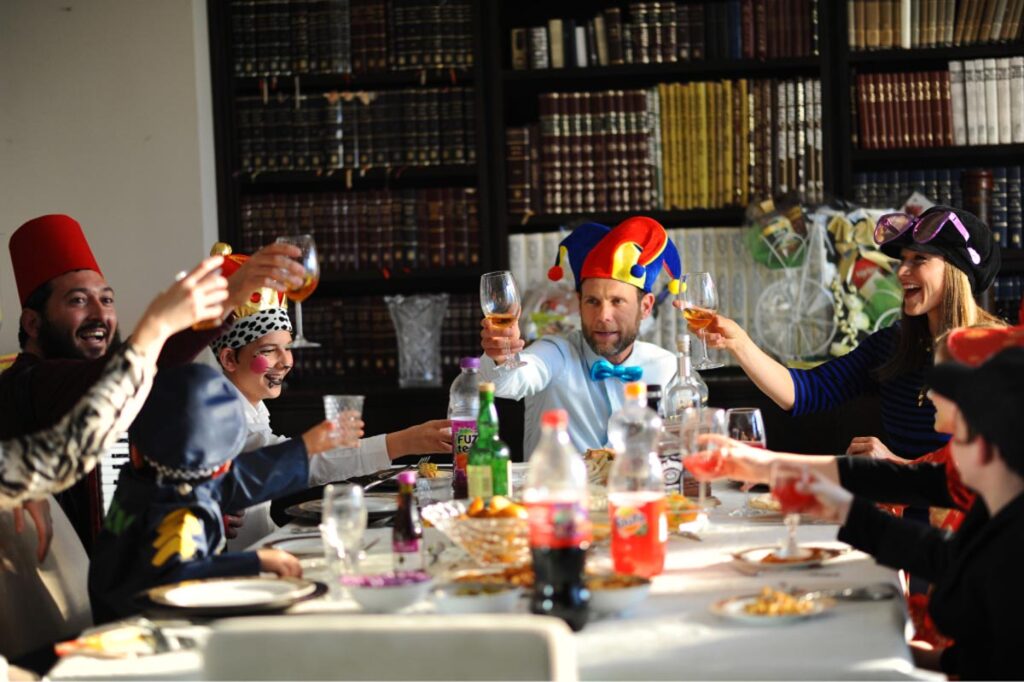
Introduction The mitzvah most associated with the holiday of Purim is ”Feast and Joy”. In memory of the great joy that prevailed among the people of Israel after the great miracle that happened to them, we are commanded to hold a festive meal on Purim, to eat tasty foods, and to drink a lot of […]
Festival Day
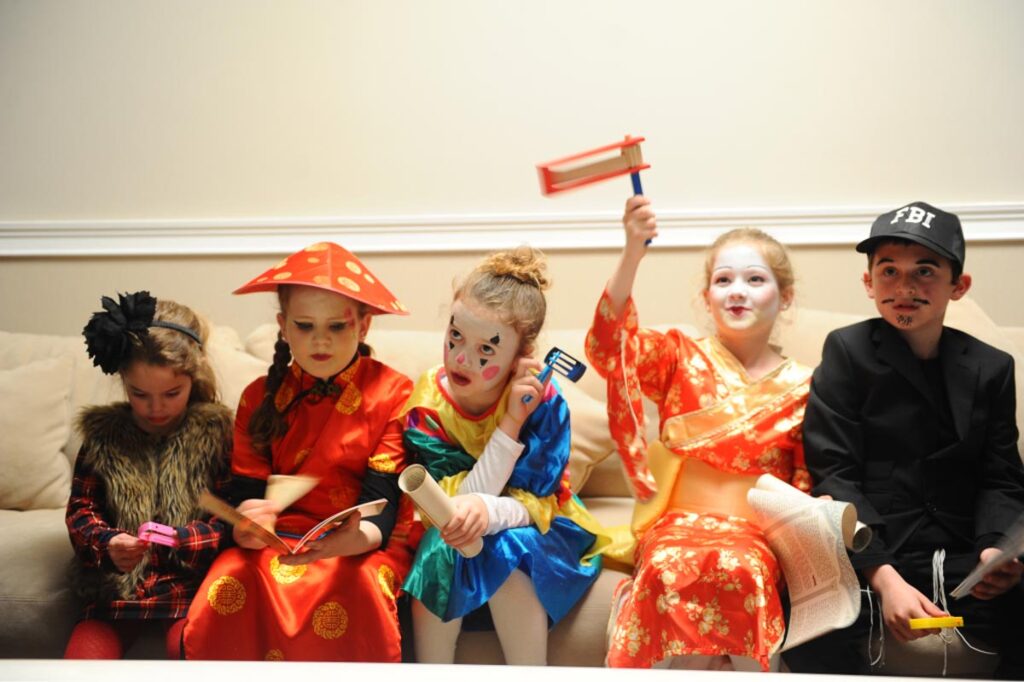
Introduction It is preferable not to eat in the morning of the festival until after hearing the Megillah, but a weak person may taste fruits, drinks, and the like. Morning Prayer (Shacharit) We pray the morning prayer as usual: we wrap ourselves in a tallit and put on tefillin, we start with the opening sections, […]
Order of reading
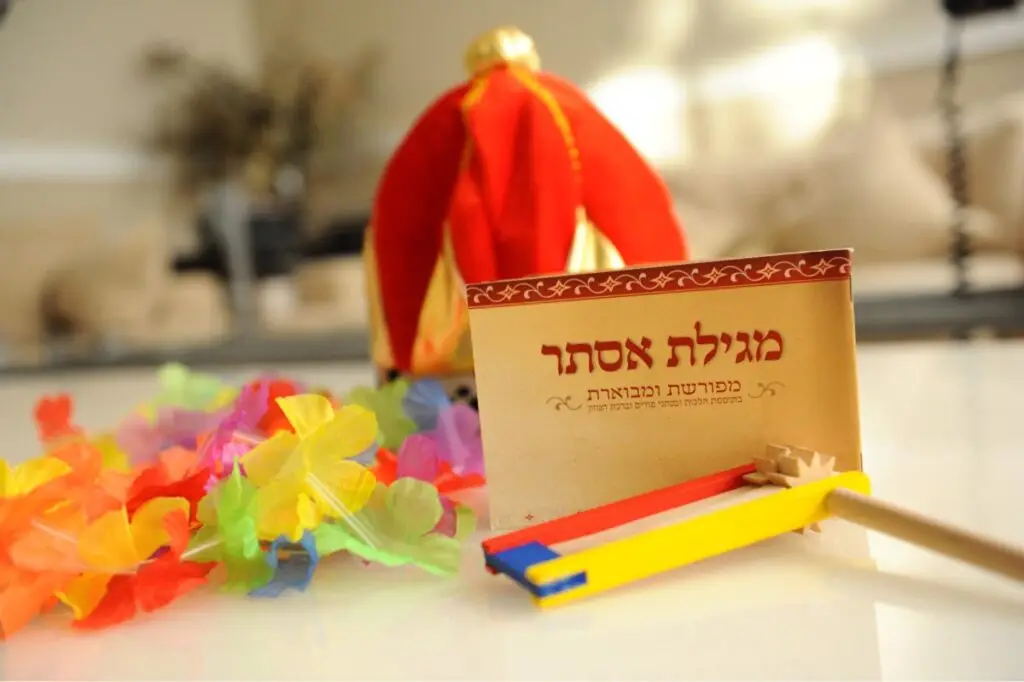
The blessings The one who reads the Megillah opens the parchment scroll in front of him and blesses three blessings before the reading and one blessing after it, and during the blessings and the reading, he should intend that he is discharging the obligation on behalf of all the listeners. All present should respond ”Amen” […]
Reading the Megillah
The Book of Esther The Book of Esther is one of the five scrolls included in the Tanakh, which tells the story of the miraculous salvation of the people of Israel during the time of Mordechai and Esther. The reading of the Megillah on Purim is one of the ways in which we express our […]
The Festival of Purim
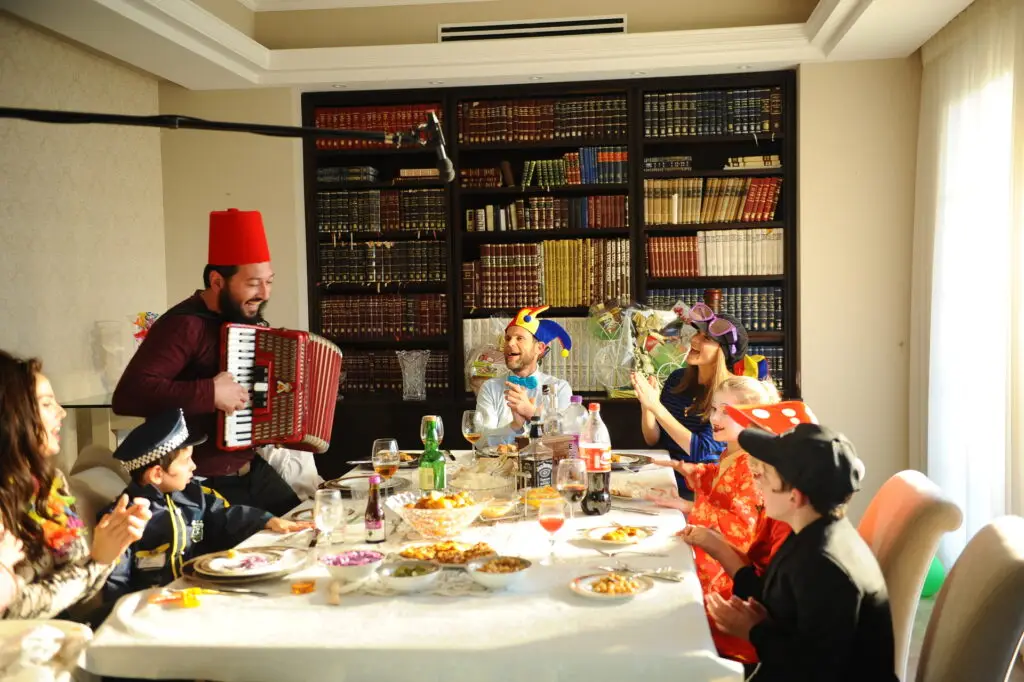
Introduction The Festival of Purim was established by Mordechai and Esther who lived in Shushan, the capital, during the Babylonian exile following the destruction of the First Temple. It serves as a ‘memorial’ to the miracle of the rescue that occurred to the people of Israel following the advice of Haman and the decree of […]
The Order of the Holiday
Introduction Here is the abbreviated order of Purim, and later we will expand on each custom: On the eve of the 13th of Adar (the Fast of Esther), we read the Megillah (Book of Esther) and after it, ‘we break the fast’. In the morning of the 14th of Adar, we pray the morning prayer, […]
The customs of the feast
Introduction Beyond the four commandments we just discussed, which every Jew is obligated to fulfill, there are several non-obligatory customs that have been incorporated over the years into the ‘repertoire’ of the Purim holiday and have become today an inseparable part of the Purim experience. Dressing up Who isn’t familiar with the ‘Purim’ custom – […]
”15th of Adar – ”Shushan Purim
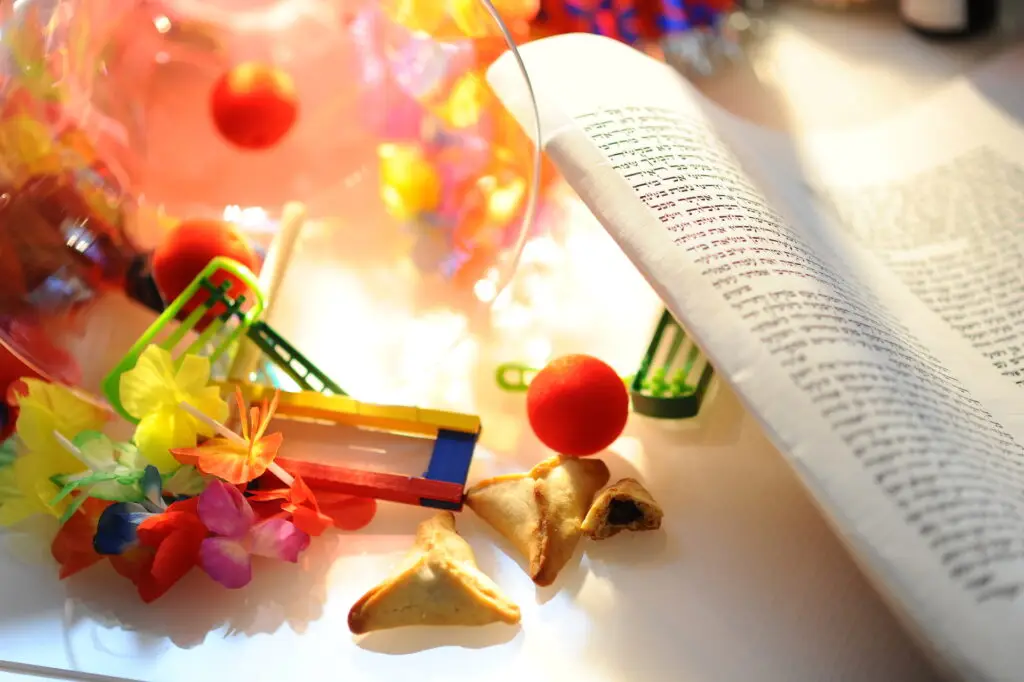
Background When our sages of blessed memory established the timing of the Purim holiday, they made a distinction between those cities that were surrounded by walls and the open cities. What stands at the basis of the difference is actually the story of the Megillah itself: The central miracle of the Megillah’s story is that […]
Adar Month
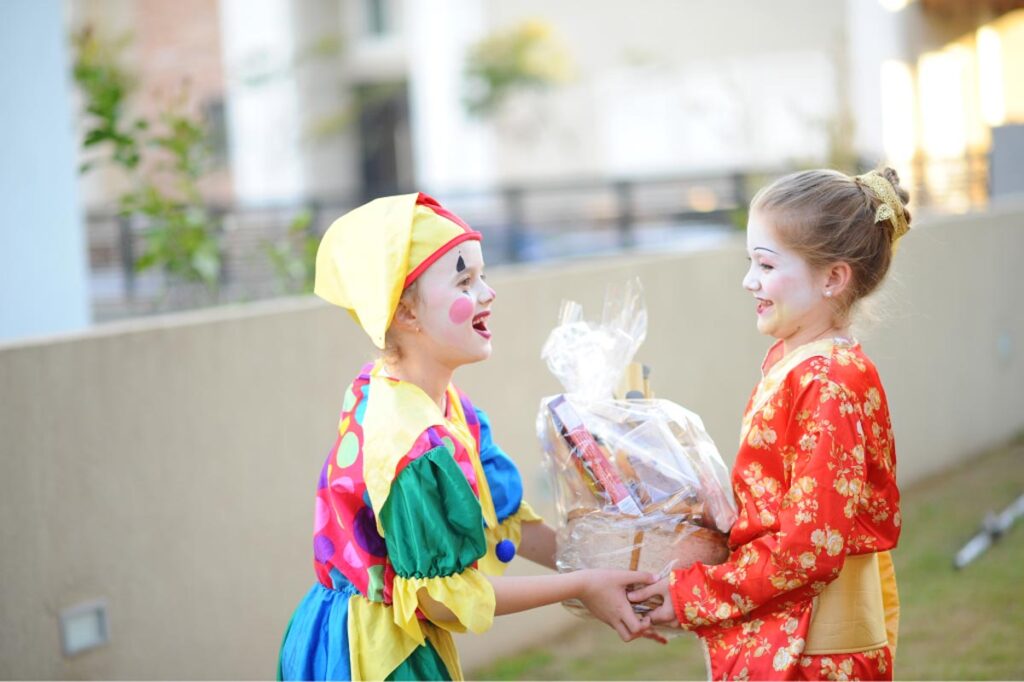
Introduction Adar is the sixth month in the Hebrew calendar in a year that begins with the month of Tishrei, and the twelfth and last month in the Jewish year that begins with the month of Nissan. The name of the month comes, like the other months since the Babylonian exile, one of its meanings […]
Changes in Prayers
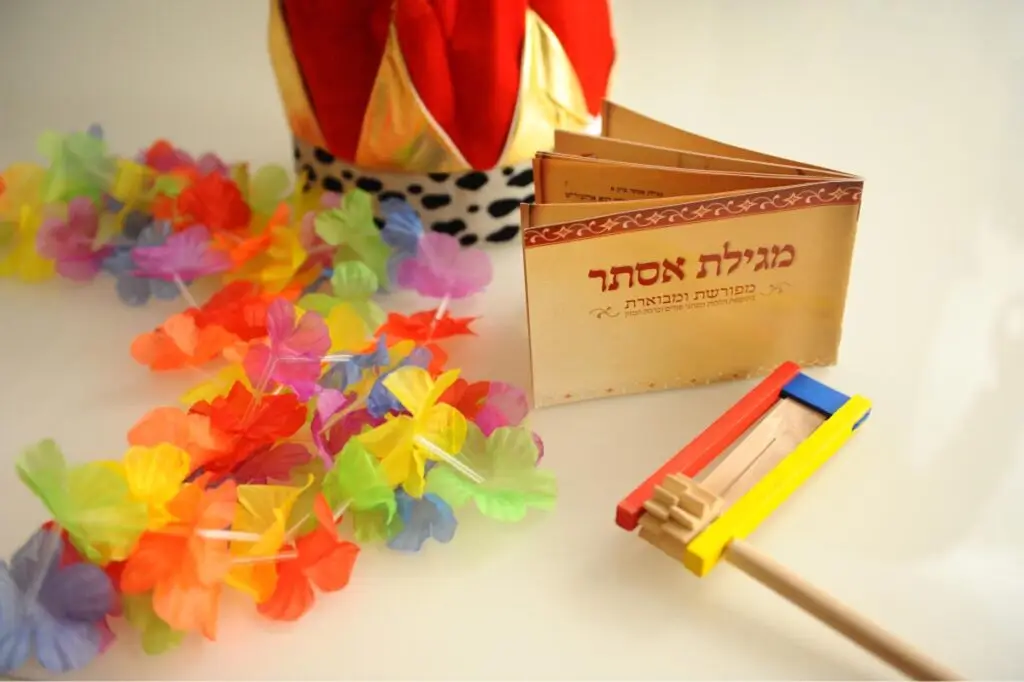
Morning Prayer (Shacharit) In the Amidah prayer, the chazzan adds the blessing ”Aneinu” after the blessing ”Goel Yisrael”. After the Amidah, we recite special Selichot prayers for the Fast of Esther. These Selichot include requests and prayers to God to forgive our sins, absolve us of our transgressions, and redeem us from our troubles. After […]
Fast of Esther
Historical background During the time of King Ahasuerus, Haman the wicked managed to decree (as will be explained in detail later) – to destroy and kill all the Jews on the 13th of Adar. Mordecai the Jew asks Queen Esther to approach the king and try to cancel the decree, but she hesitates. After convincing […]
Customs of Hanukkah

Charity During the days of Hanukkah, it is customary to increase and emphasize giving charity by giving money, food, clothing, or other items to people or organizations in need. Dreidel” (Spinning Top) One of the most beloved customs for children is the tradition of playing with a dreidel during the holiday. It is common to […]
Lighting Hanukkah Candles
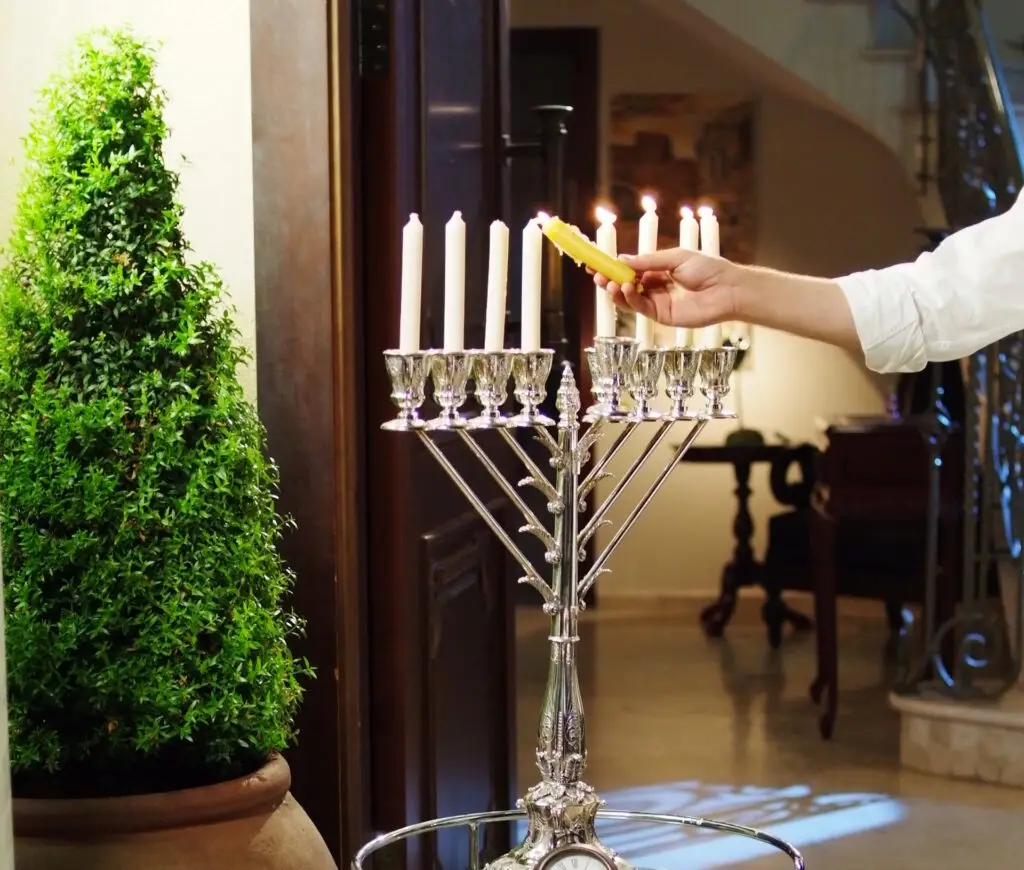
Introduction Our sages of blessed memory determined that on each of the eight days of Hanukkah, we should light candles in memory of the miracle of the small jar of oil that lasted for eight days. Originally, the custom was to light one candle each evening for each family, but over the generations, the admirable […]
Order of Prayers on Hanukkah

“Al HaNissim” (for the miracles) The days of Hanukkah are defined as “Days of Praise and Gratitude” to the Creator of the world for the miracles and wonders He performed for us and our ancestors. We do not say the “Tachanun” section during all eight days of Hanukkah during the Shacharit and Mincha prayers, and […]
Shabbat Hanukkah
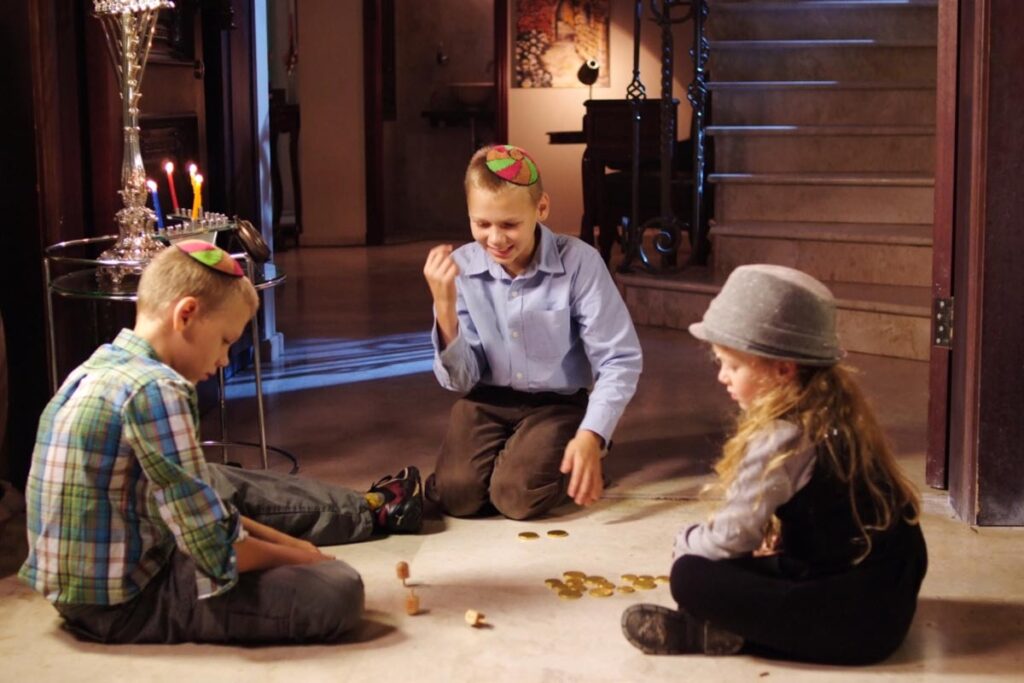
Erev Shabbat (Friday Evening) On Friday, the eve of Shabbat Hanukkah, people go to the synagogue earlier than usual to pray Mincha, and then the cantor lights the candles in the synagogue’s Hanukkiah. Afterward, each person returns home and lights the Hanukkah candles at home. Only after the men finish lighting the candles, the women […]
The Festival of Hanukkah
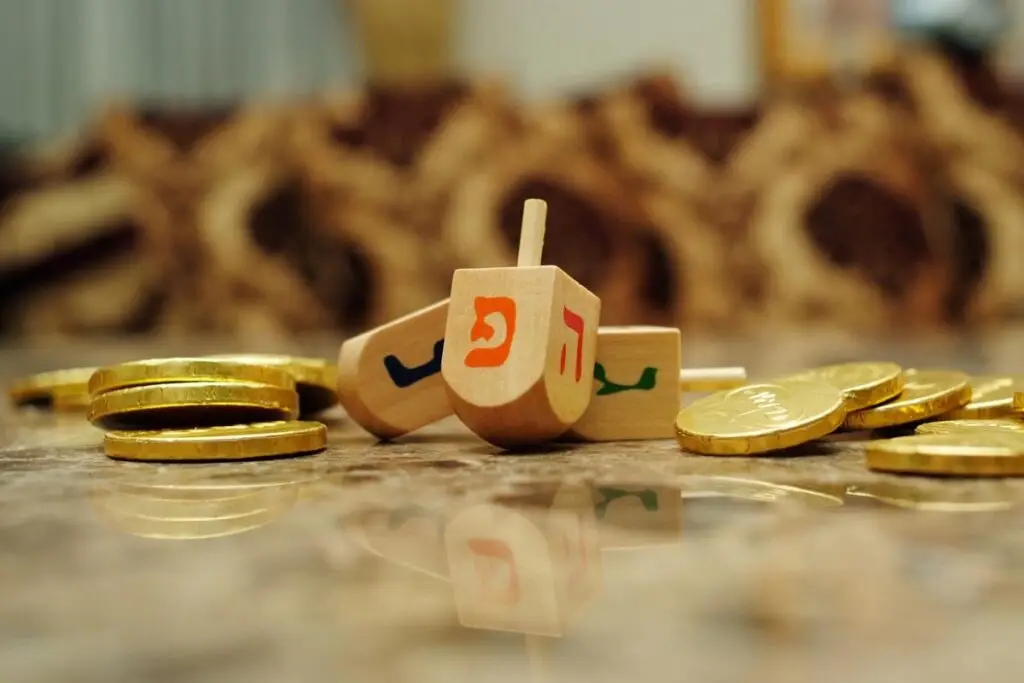
Introduction The Festival of Hanukkah is a holiday determined by the sages of Israel during the Second Temple period, as a ‘memorial sign’ for the following events: The great victory of the ‘Hasmonean forces’, few and weak, in a war with the giant and strong Greek army. The dedication of the house and the altar […]
The month of Kislev
Identity The month of Kislev is the third month in the Hebrew calendar that starts with Tishrei, and the ninth month in the Tanakh calendar that starts with Nisan. The name of the month “Kislev”, arrives – like the other months – from the Babylonian exile, and its meaning is “grease” or “fat” (probably because […]
This is Hanukkah
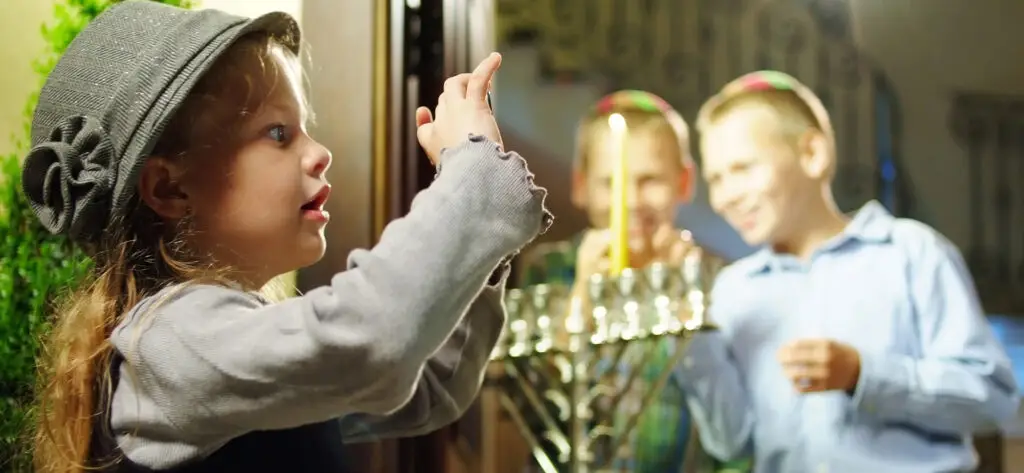
The Eighth Day The eighth and final day of Hanukkah, which falls on the 2nd or 3rd of Tevet, is called “Zot Hanukkah,” named after the Torah reading of that day when we read the summary of the events of the dedication of the altar and the sacrifices brought by the twelve princes during the […]
The death – Petira
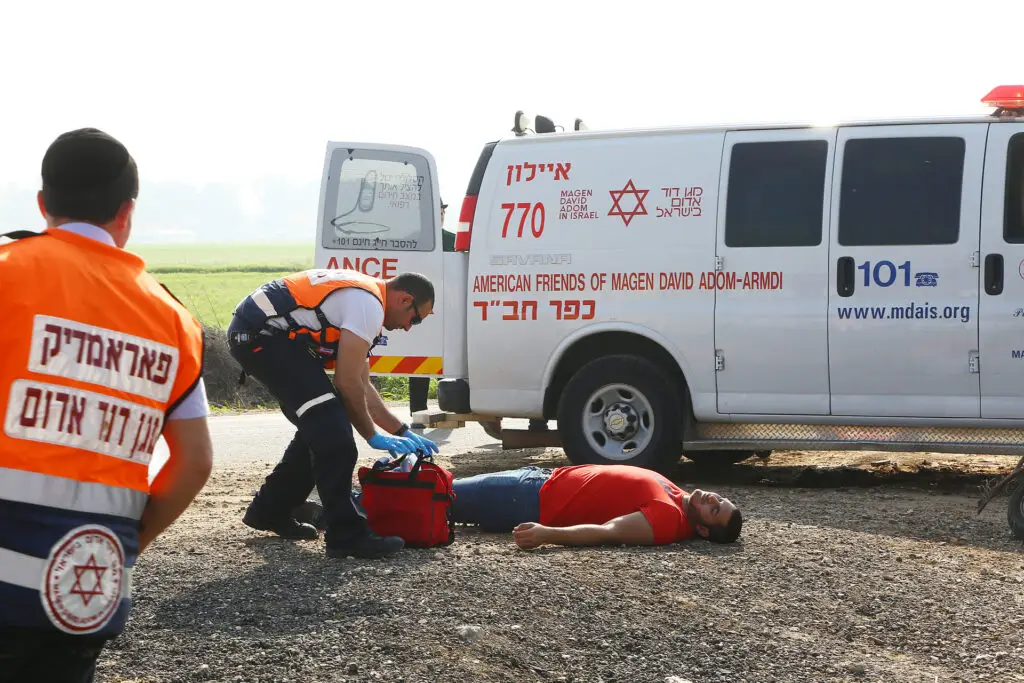
The exit of the soul Not everyone ‘merits’ that their family surrounds their bed before their death. Road accidents, terrorist attacks, strokes, or fatal heart attacks, do not leave time for family members to say goodbye to their loved ones and stay with them in their last moments on earth. Is this a ‘privilege’? In […]
The funeral procession – Levaya
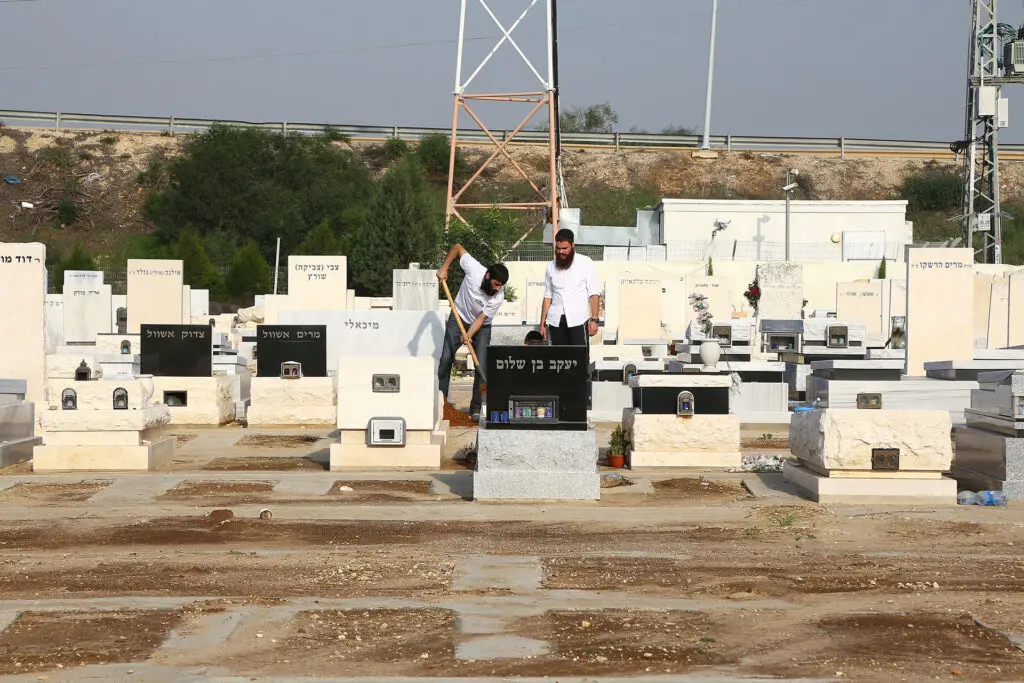
Introduction The funeral is the ceremony in which the deceased’s relatives and friends accompany their body to its eternal resting place. A funeral can begin from your home, where mourners will gather and from there proceed to the cemetery. It can also begin from the chapel of eulogies in the cemetery. Bear in mind that […]
The laws of mourning – Aveloute
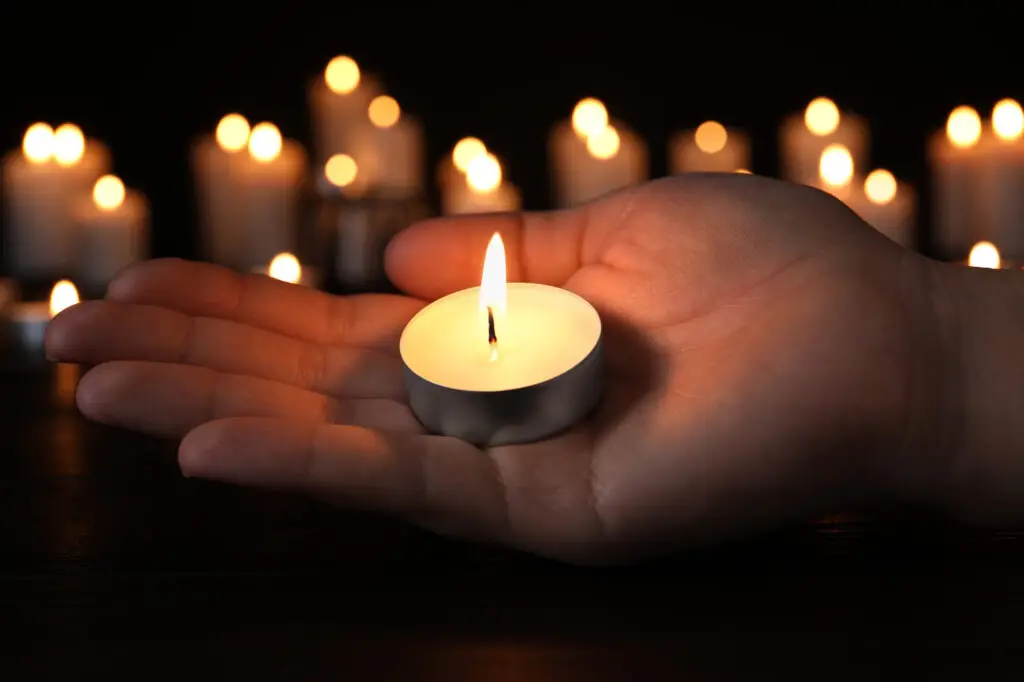
Introduction The “Aveloute – mourning” is the name given to the period of time following the death of a loved one. It begins after the burial and contains many different laws and customs. This period is divided into several stages: The “Shiva”: This is the name given to the first seven days of mourning (Shiva […]
Until…120
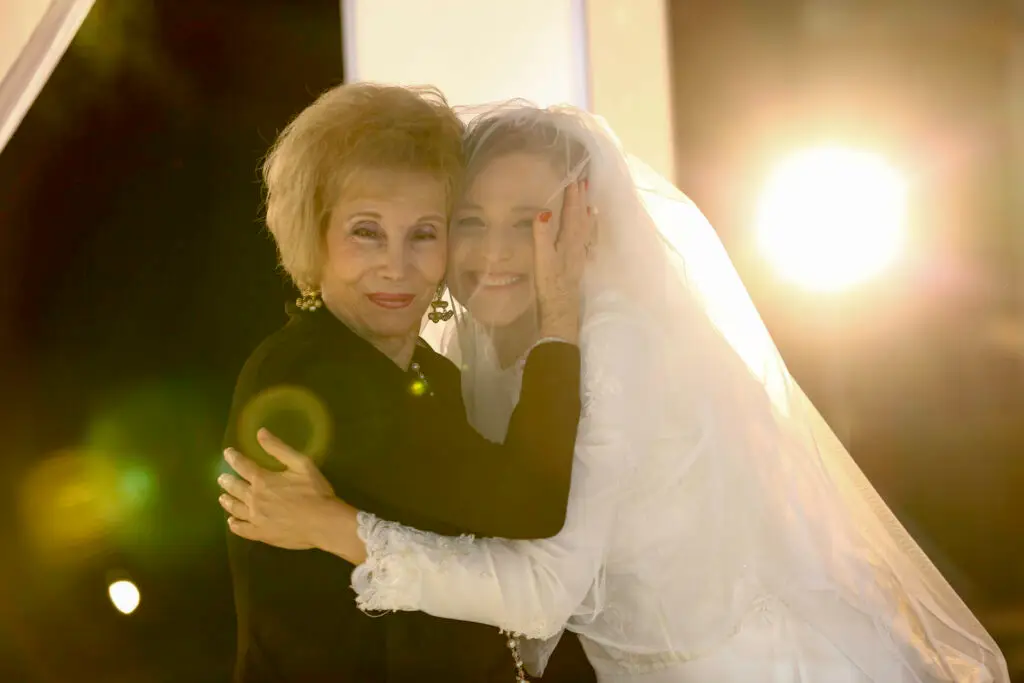
Introduction Happy moments of birth, slow growth and excitement, accompany the family of the infant who gradually becomes a child, a teenager, and an adult. The wheel continues to turn, and the adult, takes a wife, begets his children, who also grow and evolve, and the wheel of life does not stop for a moment. […]
Yizkor – the remembrance of the deceased
Introduction “Yizkor” is a short prayer in which we ask God to remember the souls of our beloved ones and guard them along with the souls of the great people of the nation, due to our good deeds. We say “Yizkor” four times during the year: On Yom Kippur. On Shemini Atzeret. On the seventh […]
12 months
Introduction Your last stage of mourning after the death of one of your parents is mourning until the end of the first twelve months from their burial day. In these months, only a few mourning rules remain on you. The reason for this extension is to honor your parents. In the mourning that continues after […]
Comforting Mourners – Nichum Avelim
Background Even if you are among those who do not open their homes to strangers, your friends and acquaintances will want to visit you to be with you, to comfort you over the death of your loved one, or simply to express their feelings and emotions. Open your home and allow them to enter, to […]
End of ‘Shiva’
Introduction In many communities, it is customary to arrange on the evening before the seventh day of Shiva, a meal in honor of the deceased, which will include words of Torah and blessings for the elevation of his soul. If the end of Shiva falls on Shabbat, the meal should be moved to Thursday evening. […]
Jewish Burial
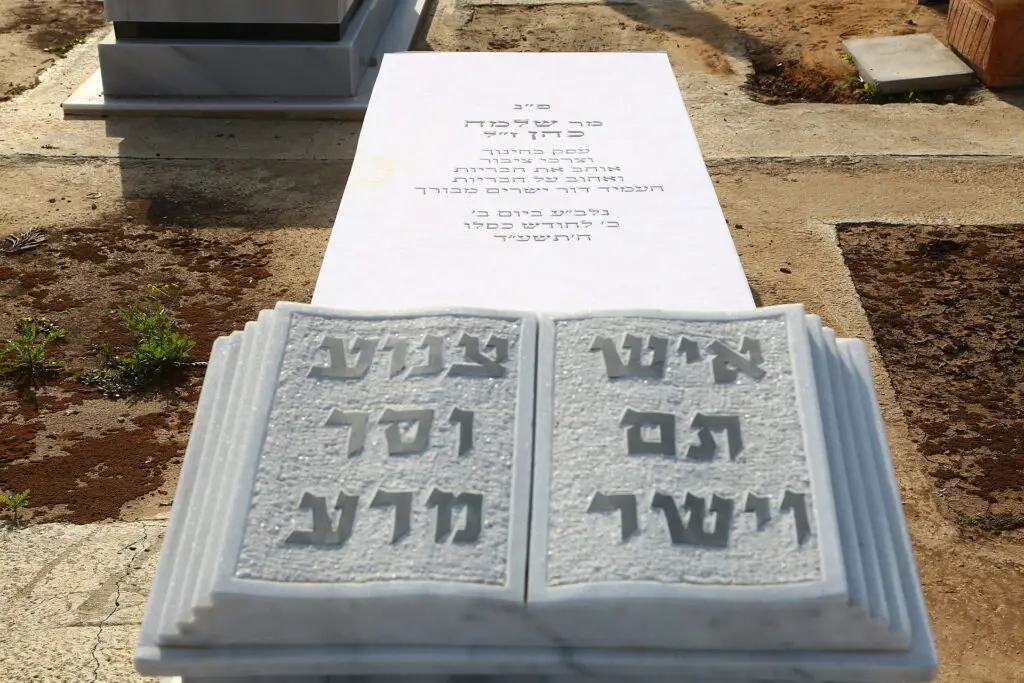
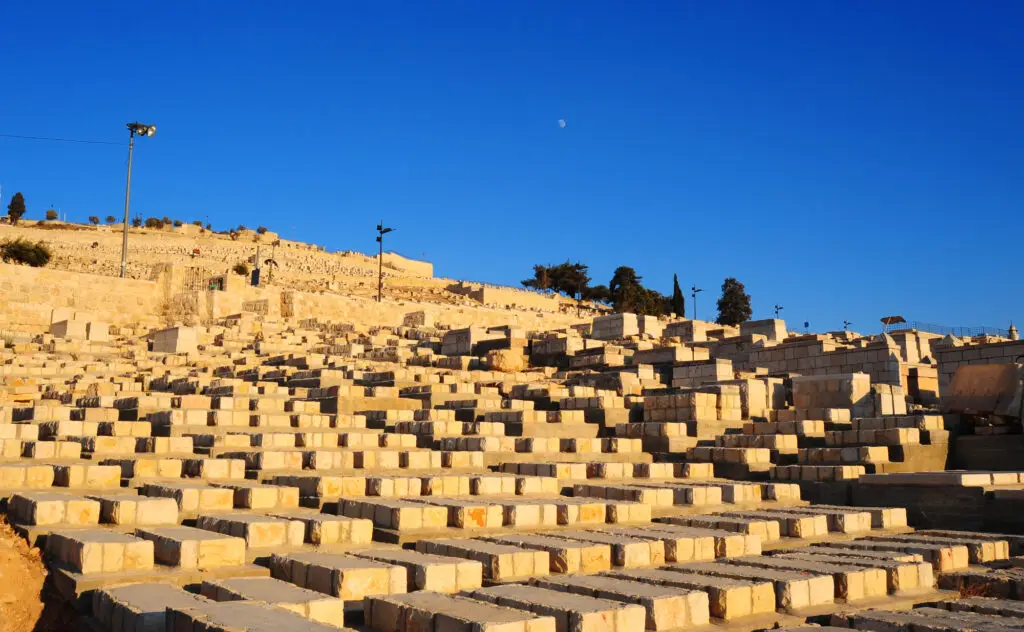
Introduction There is a great commandment to bury the deceased in the ground – from which he was created at the beginning of the world and to which he is to return. A Jewish burial is very important for the deceased and his soul, and it has important rules where the respect for the deceased […]
Kaddish
Introduction The Kaddish is a short prayer in which we mainly request that God’s name be magnified and sanctified in the world, and that His kingdom be revealed to everyone. We also pray for the coming of the Messiah. The version of the Kaddish that we say today was written by the sages of Israel […]
Resurrection of the Dead
What is it? The Resurrection of the Dead, is the period when the deceased of the nation of Israel will come back to life following the arrival of the Messiah. This period might be the most miraculous phenomenon in the vision of the End of Days. Imagine: to meet again loved ones who were taken […]
The Azkara
Introduction The day of death is the day when the Hebrew date matches the date of a person’s death, this day is called Yahrzeit (or Yahrzeit). If a person passed away in Adar in a regular year, and the following year is a leap year, we arrange the Yahrzeit in the first month of Adar. […]
The Seven Days of Mourning – Shiva
Introduction After the burial begins the seven days of mourning (Shiva). Seven days during which certain customs apply to you. If you were not present at the burial, but you are in the vicinity, the seven days begin after you have received the information that the burial has ended. If you are in a distant […]
The Thirty Days – Sheloshima
Introduction With the conclusion of the seven (a reference to shiva, the first week of mourning in Jewish tradition), the ‘validity’ of many of the behavioural rules that apply to you has ‘expired’, and only a few of them remain – until the completion of the ‘thirty’ (shloshim, the period of mourning lasting 30 days […]
The Tombstone – Matseva
Introduction The tombstone is a stone plaque – on which the name of the deceased, the date of birth, and the date of death are marked, and sometimes a few words that characterize the deceased person are added. Setting up a tombstone Setting up a tombstone at the burial site is important both for the […]
The ascent to the cemetery
Introduction You should occasionally visit the graves of family members (except in the first year, see below). It gives them pleasure that you pray for their souls, and it is also a good place for relatives to pray for their requests near the soul of the deceased, to ask for them from our Father in […]
The Love

Is there love at first sight? The Torah believes that love depends on actions. Love is not a sudden spark that forms itself, but rather an emotion that develops over time through investment and joint work. This message is highlighted in the story of the first marriage recounted in the Torah between Isaac and Rebecca: […]
The Wedding
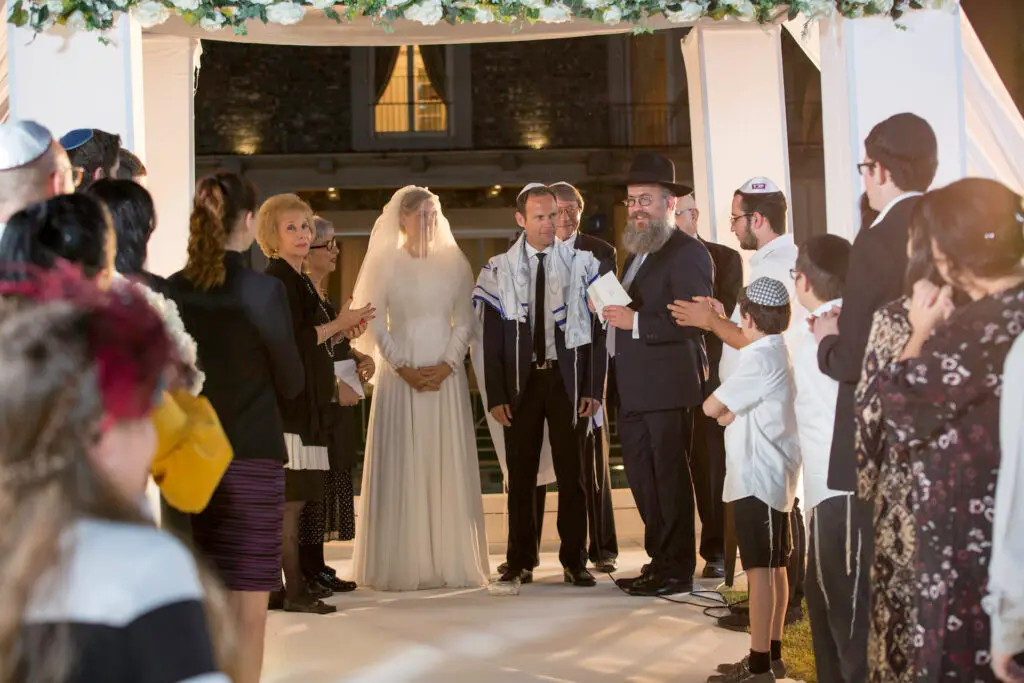
Background For months, you’ve been thinking about how to propose to your loved one for marriage after several years of acquaintance. Will she agree? The truth is, even before you were born, both you and she, it was already decided for you that you will marry. Who? Not by the Ministry of Interior. In Heaven. […]
The Wedding Ceremony – Chuppah
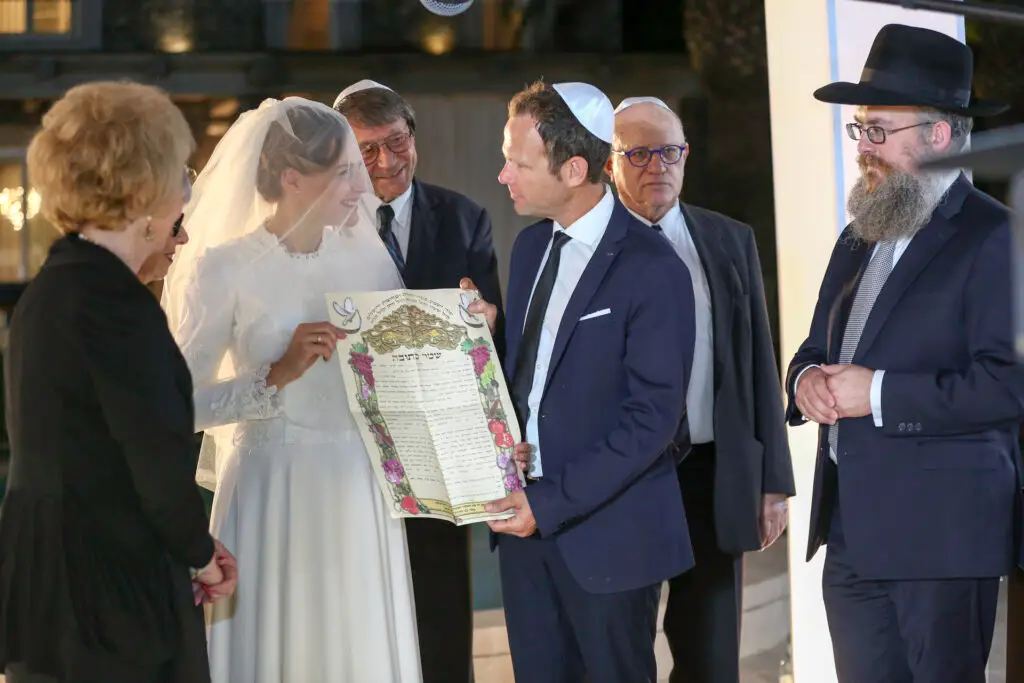
Its meaning The wedding canopy is the ceremony performed under the fabric with the four pillars – the ‘chuppah’ on the groom and the bride. There, the marriage process is carried out, and all the wedding joy afterward is an expression of happiness and joy from what has just happened under the chuppah. The moments […]
Wedding Day
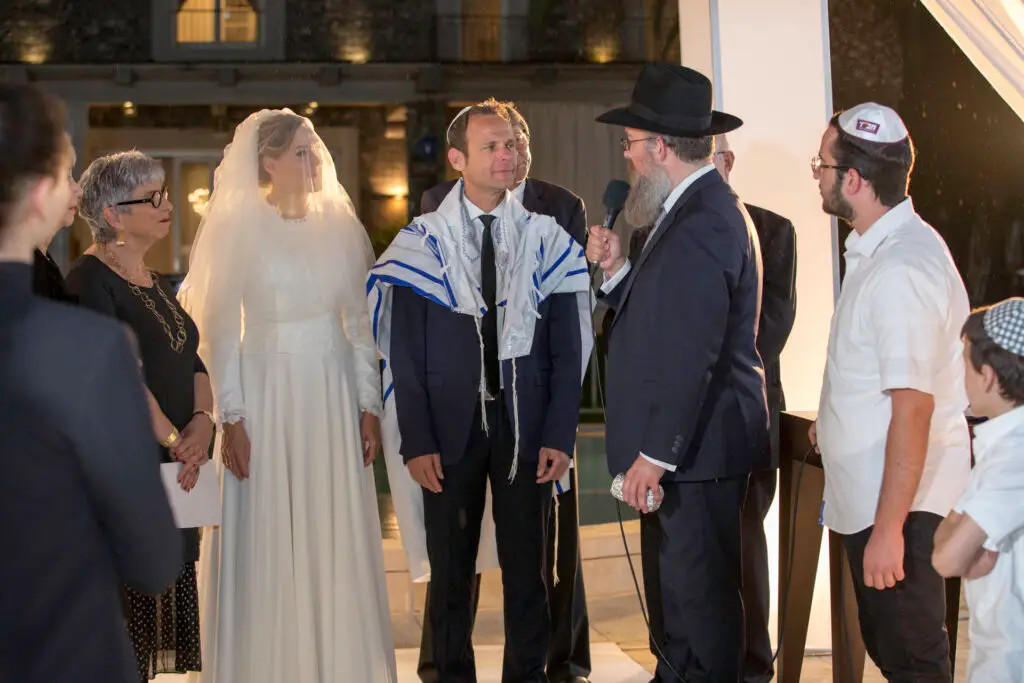
Introduction The wedding day is undoubtedly a busy, exciting (and stressful…) day. Despite this, one must remember that it is an incredibly important day from a spiritual perspective and should be utilized appropriately. This day even has spiritual influence on the future married life. This is why on this day, one should increase their good […]
Wedding Preparations
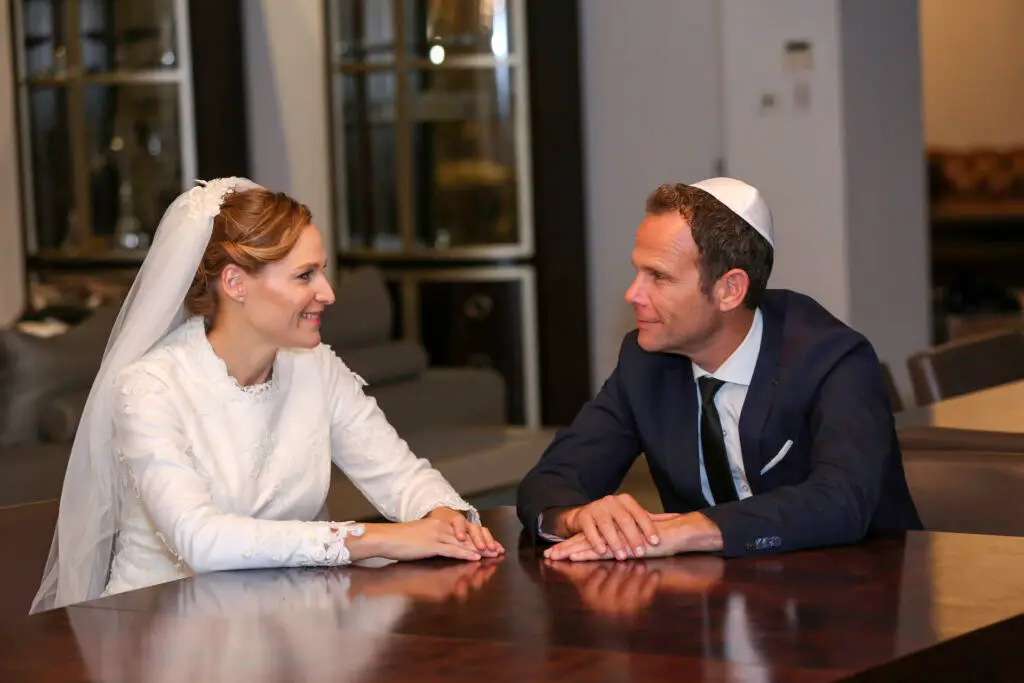
Introduction If a wedding were just a party, like a high school graduation party, logistical preparations for the event would suffice. But in reality, a wedding is a celebration of the entrance into a new and different life. It’s a celebration marking the change of status (on Facebook, too) to ‘married’. Thus, overly focusing on […]
Bar Mitzvah
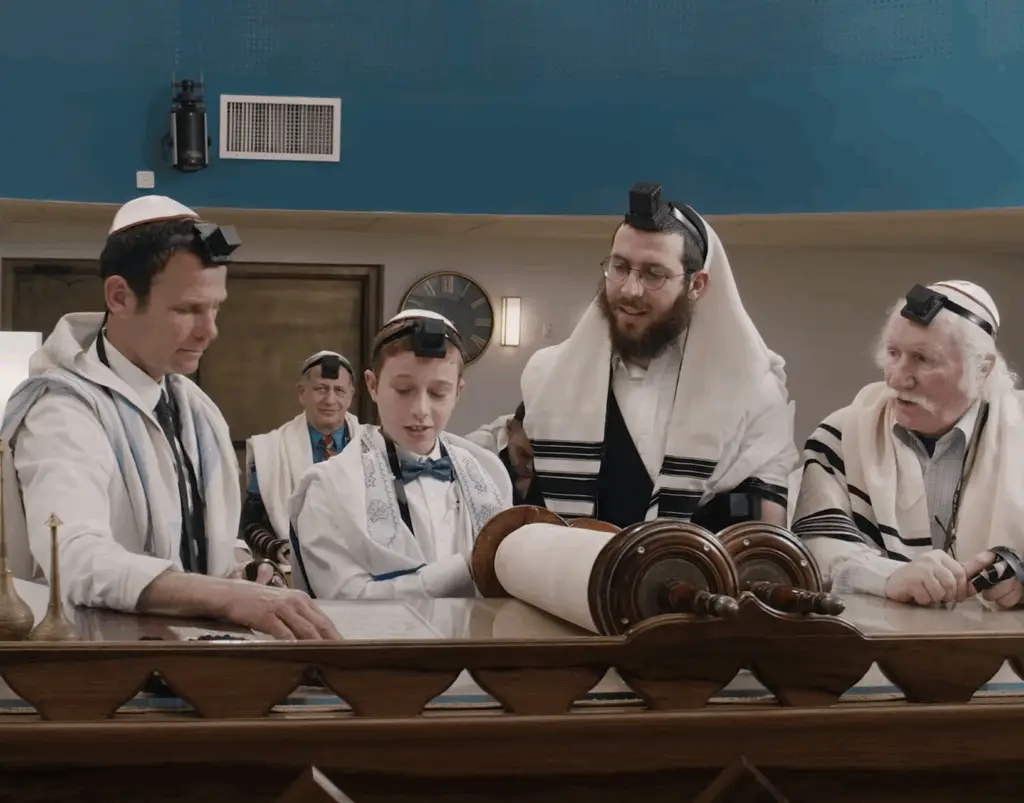
Background A Bar Mitzvah is the day a child reaches the age of 13 (according to the Hebrew calendar). This is the day he becomes a “Bar Mitzvah” [a translation from Aramaic of the words Bar Mitzvah], the day he becomes connected and bound to the commandments, and God imposes on him the right and […]