








What is it?
The Sabbath before Passover is called the “Great Sabbath” because on this day a great miracle happened to our forefathers: On the last Sabbath before the exodus from Egypt, the children of Israel were asked to prepare lambs in their homes for the “Passover sacrifice”. When the Egyptians saw the Jews’ activity, they asked: “Why do you need these lambs?” The Jews answered: We are keeping them in order to sacrifice them. After slaughtering them, we will smear the blood on the lintels to protect our firstborns, as in a few days God will kill all the firstborns in Egypt.
When the Egyptian firstborns heard this, they went to their fathers and Pharaoh and begged them: “Release the children of Israel from Egypt, so we do not die!” Pharaoh refused, and as a result, the ‘firstborn rebellion’ broke out, where they fought with their fathers and killed many of them. In memory of this great miracle, our wise men have designated the Sabbath before Passover as the “Great Sabbath”.
On this Sabbath, the Rabbi publicly gives the “Great Sabbath sermon”, in which he reminds the community of the laws of Passover so that everyone remembers and knows how to celebrate the holiday properly.
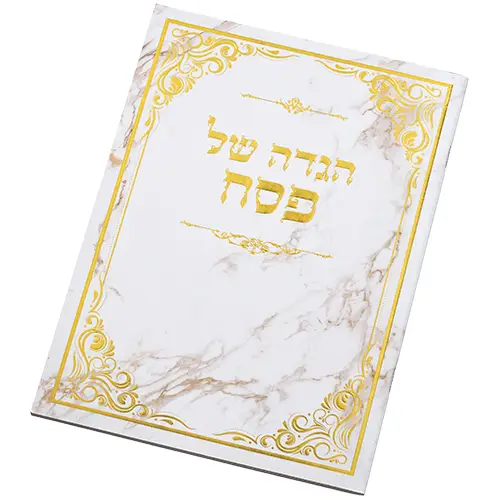
Since this Sabbath marked the beginning of the miracles and the redemption from Egypt, it is customary to read after the afternoon prayer on the Sabbath excerpts from the “Passover Haggadah”. They start with the description of “We were slaves to Pharaoh in Egypt” and continue reading consecutively until the section (after the “Dayenu”) that ends with the words “to atone for all our sins”.
In the evening prayer after Sabbath, they do not recite after the ‘Eighteen’ prayer the sections “Vihi Noam” and “Ve Atah Kadosh”, (unless the first day of Passover falls on a Sabbath). At the end of the prayer, they go out to the synagogue plaza and recite ‘Blessing of the Moon’.


