








“
Introduction
The month of Tevet is the fourth month in the Hebrew calendar, which begins with the month of Tishrei, and the tenth month in the biblical calendar, which begins with Nissan.
Its name, like the names of other months, comes from Babylon, and its meaning is “something in which one sinks” (presumably due to it being a winter month, filled with rain and mud).
Notable events in this month:
- At the beginning of the month, we celebrate the final days of Hanukkah.
- On the 9th of Tevet, the siege of Nebuchadnezzar, the king of Babylon, on the city of Jerusalem began, eventually leading to the destruction of the city and the First Temple. As a result, the 10th of Tevet was established as a fast day.
Historical Background
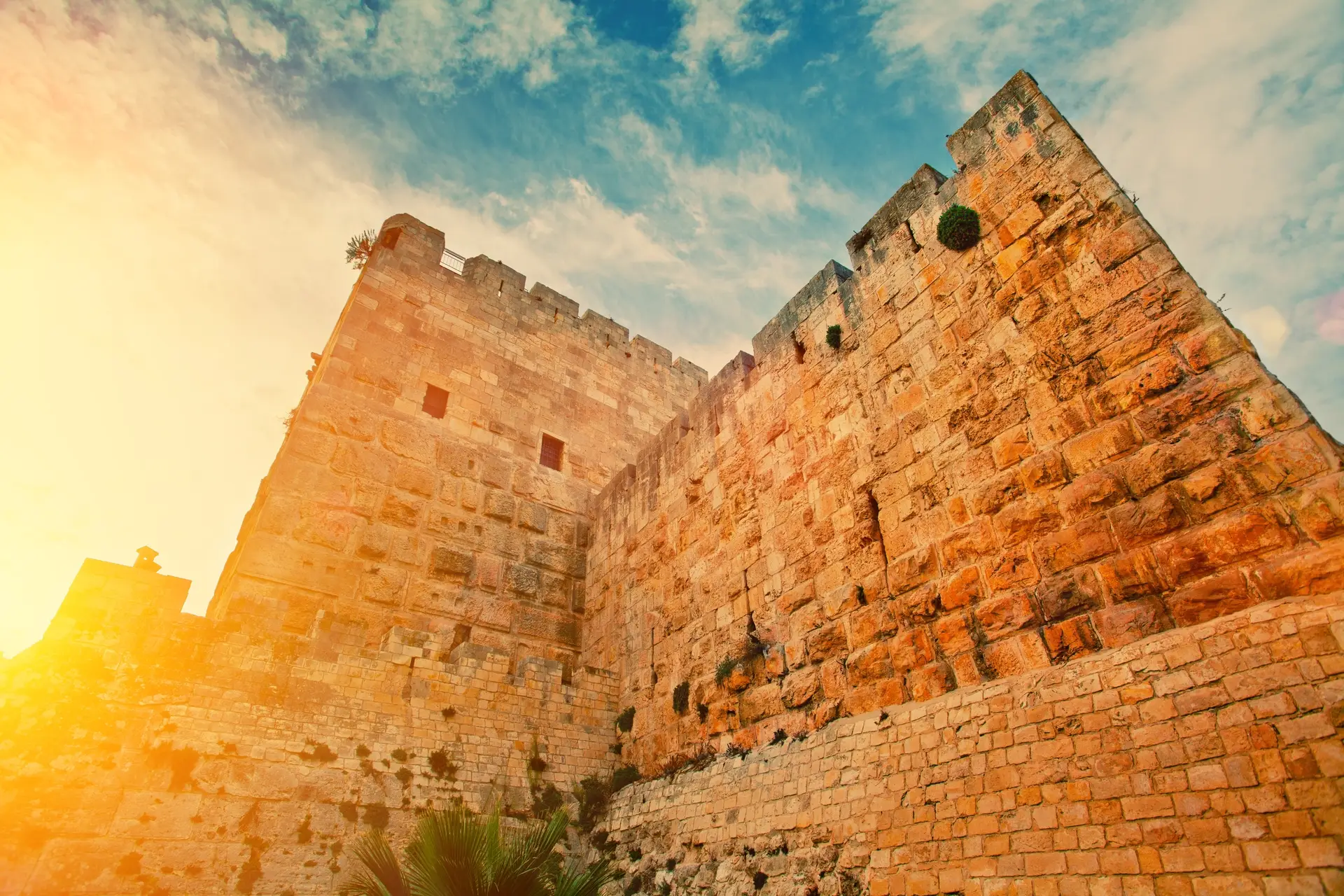
Over two thousand years ago (in the year 425 BCE), Nebuchadnezzar’s army arrived in Jerusalem on the 10th of Tevet and laid siege to it in order to conquer the city. This siege ultimately led to the destruction of Jerusalem. On the 9th of Tammuz, approximately a year and a half after the siege began, the Babylonians, led by Nebuzaradan, the chief of the army, managed to breach the city walls.
Exactly a month later, on the 9th of Av of the same year, the First Temple was destroyed and burned by the Babylonian forces. They plundered the Temple vessels and exiled most of the Jews who were in the land of Israel to Babylon, subjecting them to cruel and harsh treatment.
To commemorate this tragic event that marked the beginning of the Jewish exile in the land of Israel, the 10th of Tevet was designated as a fast day.
”
The Fast
On the fast day, known as “Asarah B’Tevet,” it is forbidden to eat or drink from the “alot hashachar” (dawn) of the 10th of Tevet until its “tzeit hakochavim” (nightfall), and even if one mistakenly eats or drinks during the fast, they must continue fasting until its conclusion. Additionally, one should refrain from rinsing their mouth or brushing their teeth.
The times for the beginning and end of the fast are indicated in the Jewish calendars or on the internet.
- Pregnant women, nursing mothers, or individuals who find it difficult to fast due to health reasons or other valid concerns should consult a rabbi for guidance on how to proceed.
Did you know? Unlike other fasts, if the 10th of Tevet falls on a Friday or Saturday, it is observed on the actual day and is not “advanced” or “postponed.” In practice, when our Sages, may their memory be blessed, arranged the Jewish calendar, they made sure that the 10th of Tevet does not coincide with Shabbat. However, it can still occur on Friday evening, and in such a case, the fast is indeed observed on Friday.
”
Changes in Prayers
In the Morning Prayer (Shacharit)
In the “Amidah” prayer, the cantor adds the blessing “Anenu” after the blessing “Goel Yisrael” (Redeemer of Israel).
After the “Amidah” and the “Tachanun” prayers, special “Selichot” (penitential prayers) are recited for the fast of the Tenth of Tevet. In these “Selichot”, requests and prayers to God appear, asking him to forgive our sins and iniquities and to redeem us from our troubles.
After the “Selichot”, we also add the long prayer “Avinu Malkeinu” (Our Father, Our King), which is special for fast days.
In the Torah Reading
We read a special Torah portion for the fast, which opens with the words: “VaYechal Moshe” (And Moses pleaded), from the portion “Ki Tisa”. The verses deal with the theme of repentance, God’s thirteen attributes of mercy, and more.
During the Torah reading, there are three times when the congregation participates and says a specific section aloud, and then the reader repeats it in the special melody of “HaYamim HaNoraim” (The High Holy Days):
- After the reader says: “Ul’chol-tam me’al p’nei ha-adamah” (and for all their sins before God), the entire congregation responds together: “Shuv me-charon apecha v’hinachem al ha-ra’ah le-amcha” (turn from Your fierce wrath; relent concerning the harm to Your people).
- After: “Vaya’avor Hashem al panav vayikra” (and the Lord passed before him and proclaimed), the congregation responds: “Hashem, Hashem, El rachum v’chanun… v’chata’ah v’nakeh” (The Lord, the Lord, a God merciful and gracious… and forgives sin and pardons).
- After: “Ki am k’shei oref hu” (for they are a stiff-necked people), everyone responds: “V’salachta la’avonenu u’lechata’atenu u’n’chal’tanu” (And forgive our iniquity and our sin, and take us as Your own).
In the Afternoon Prayer (Mincha)
It is customary to give a larger amount of charity before the prayer, beyond what is given every day.
The afternoon prayer (Mincha) starts as usual, with “Korbanot” and “Ashrei”, the cantor says “Chatzi Kaddish” and we approach to read the Torah again in the portion “VaYechal Moshe”.
The third person called up says a special Haftarah from the book of Isaiah: “Dirshu Hashem behimatz’o k’ra’uhu bi’hiyoto karov” (Seek the Lord while He may be found, call upon Him while He is near), and afterwards, the Torah scroll is returned to the Ark, the cantor says the half Kaddish and continues with the prayer order as usual.
In the “Amidah” prayer, it is necessary to add the blessing “Anenu” in the blessing “Shomea Tefilah” (Hearer of prayer).
In the “Chazarat HaShatz” (the repetition of the Amidah), the cantor says the blessing “Anenu” after the blessing “Goel Yisrael” (Redeemer of Israel), and also adds the text “Birkat Kohanim” (the Priestly Blessing) before the blessing “Sim Shalom” (Grant Peace).
After that, we recite “Tachanun”, add the long “Avinu Malkeinu”, and finish with “Aleinu L’Shabeach” (It is our duty to praise).
Evening Prayer (Maariv)
The evening prayer (Maariv) is prayed immediately after “Tzeit HaKochavim” (the appearance of the stars), but it can start a little earlier than usual, in such a way that the sections of the Shema recitation are said after “Tzeit HaKochavim”.
General Kaddish Day
Typically, when a person passes away, their family gathers on the “day of bereavement” (“Jahrzeit”) to mourn their loss, recite the Kaddish, study Mishnah, and light a soul candle in their memory.
After the horrific Holocaust, in which about six million Jews were murdered, many of our people wanted to commemorate their relatives who perished in the Holocaust, but did not know the exact day they ascended in the heavenly storm.
Therefore, the Chief Rabbinate of Israel established the tenth of Tevet as a special day for reciting Kaddish for those whose relatives were murdered in the Holocaust and whose death day is unknown. It is called the “General Kaddish Day.”
- In some communities, the General Kaddish Day is observed on the seventh of Adar, the day when Moses our teacher passed away, and his burial place is unknown.


