

Bat Mitzvah
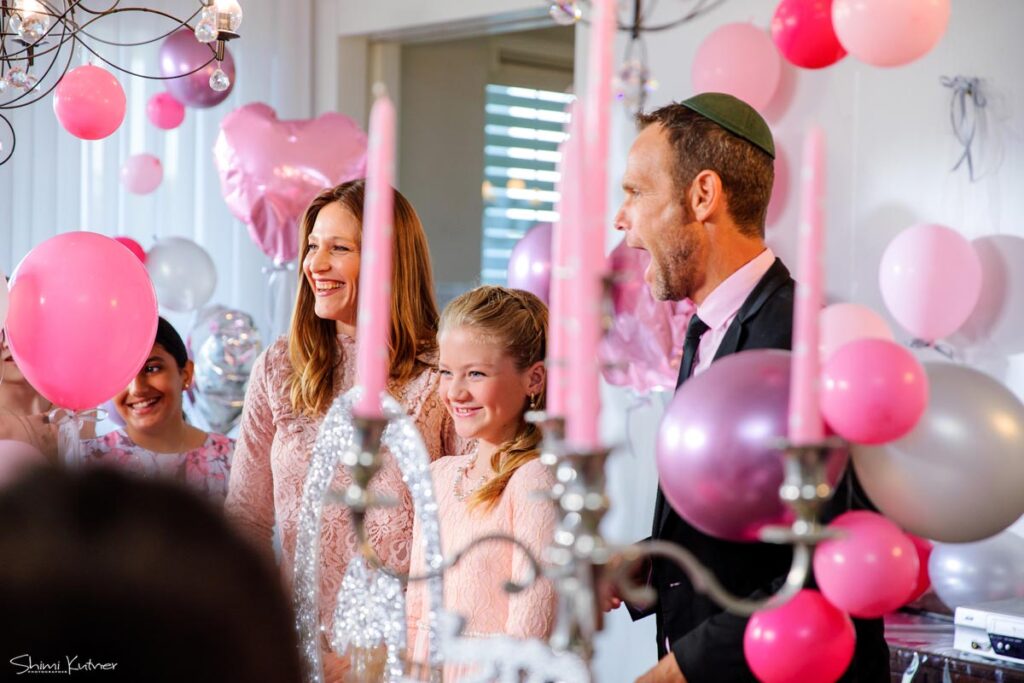
Its Meaning On a girl’s twelfth birthday, she becomes more mature, aware, and responsible for her actions. Therefore, this is the day on which God imposes on her the obligations of the commandments incumbent on a woman. As a result, since girls are exempt from most practical commandments, the preparations and excitement as the Bat […]
Birthday
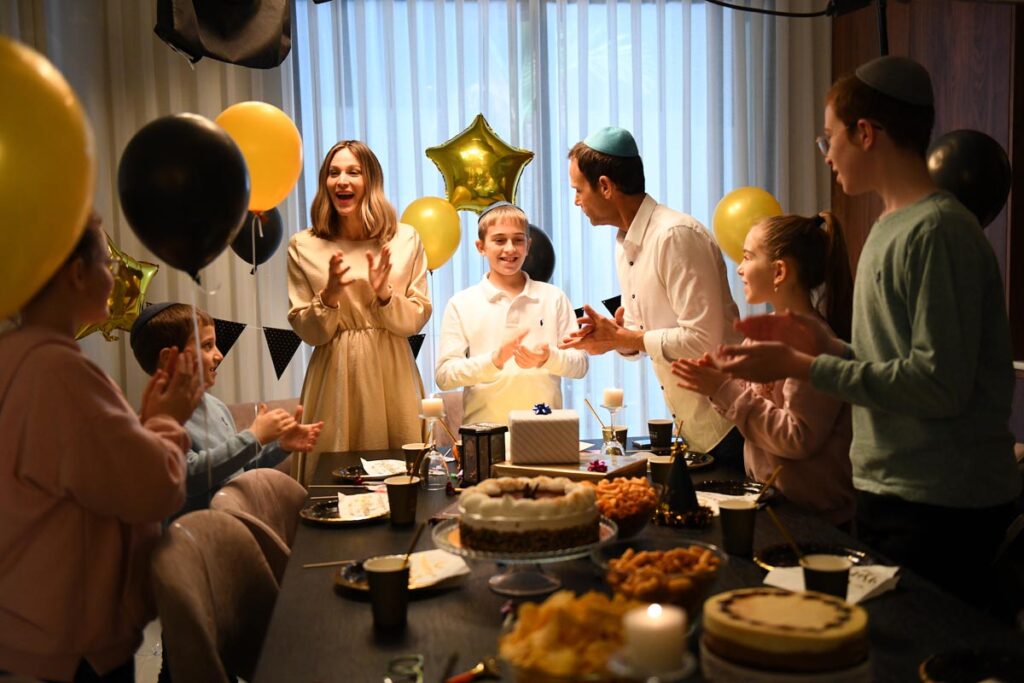
Background Is there a reason why I was born on this particular day? How unfortunate that I wasn’t born two days earlier. Familiar questions? The answer from the Jewish perspective is clear: the best day for you and the world for you to be born is exactly the day you were born. There are no […]
Brit Milah
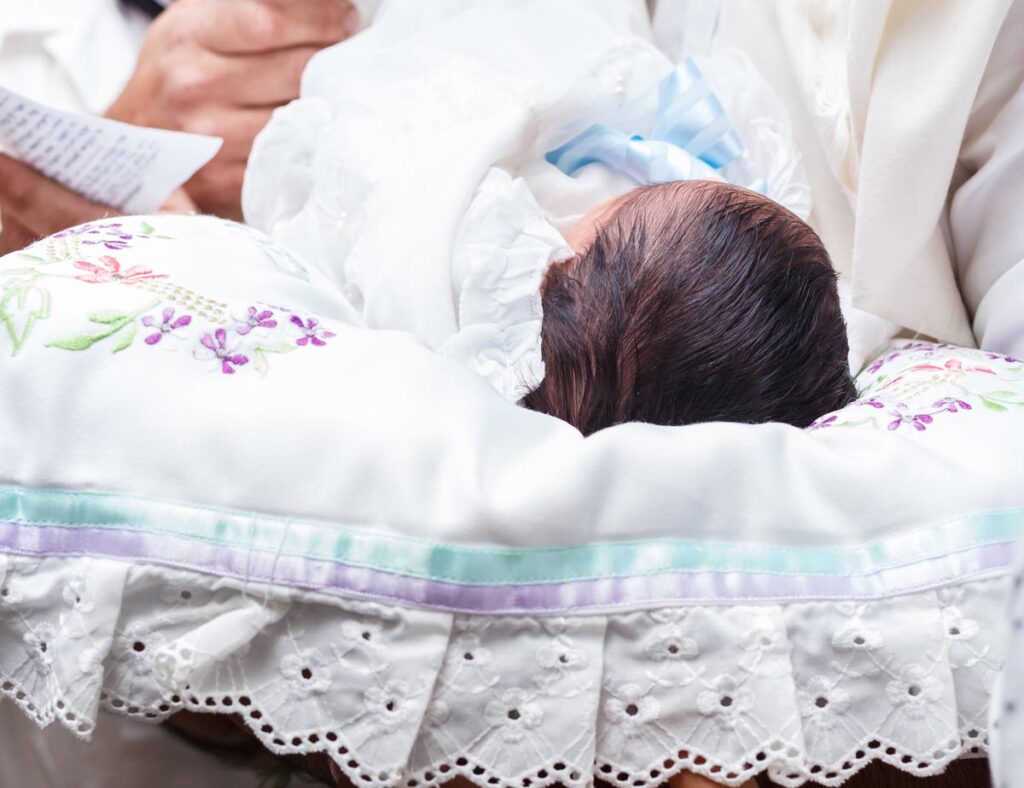
Introduction Our organizational ability comes to fruition especially towards the Brit Milah ceremony. Unlike other joys which we can organize well in advance, the Brit Milah has exactly eight days of preparation. We will be able to organize most things only from the moment of birth – which we almost never know exactly when it […]
Haircut – Age 3
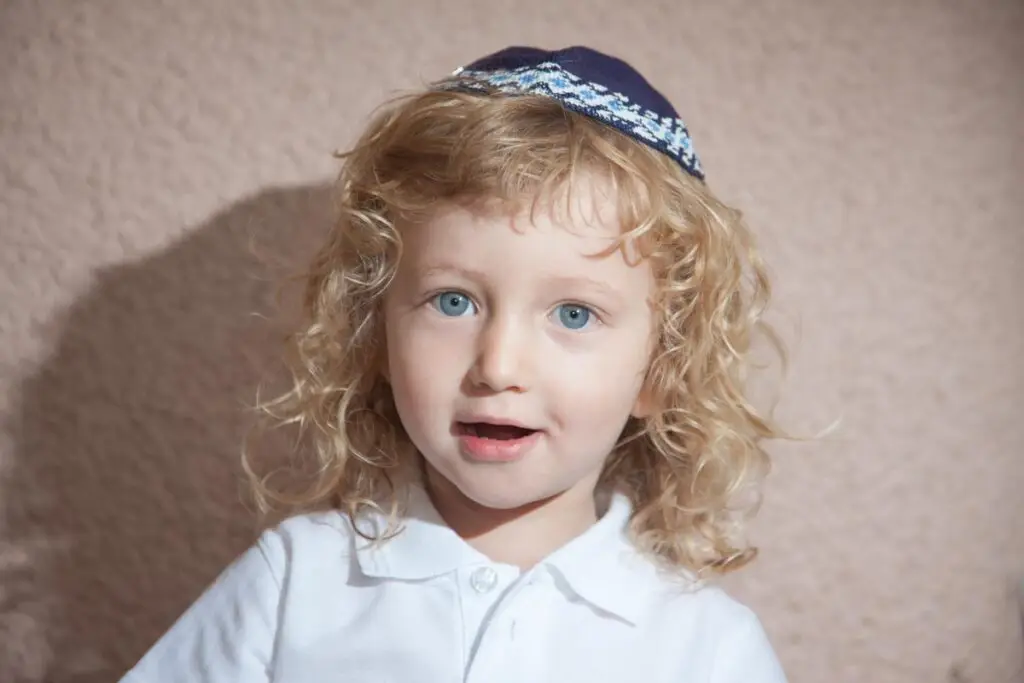
Background An ancient Jewish custom practiced in many communities is to give a child his first haircut at the age of 3 years. This haircut is also known as ‘chalakah’ (haircut in Arabic). During the first three years of the child’s life, not even a little bit of his hair is cut. On his third […]
Introduction
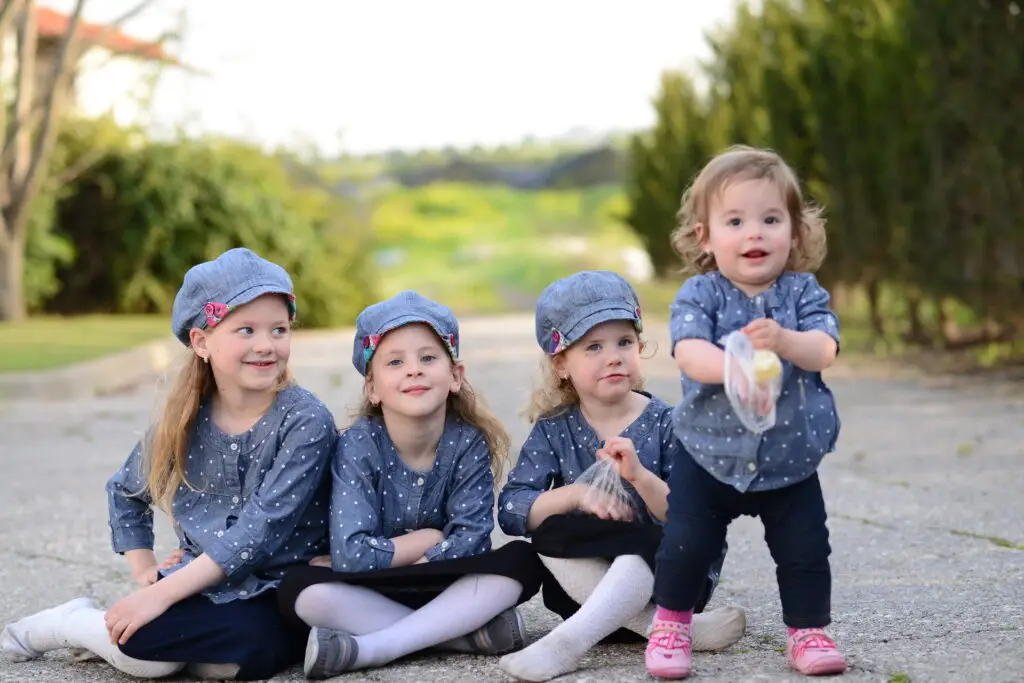
Introduction The circle of life is just that: the circle of life. There are beautiful and joyful moments in life, moments of sorrow and mourning, and there is the routine of life. In every situation and at every stage, Judaism has instructions: how to behave, what to do and what not to do. Why is […]
Name the child
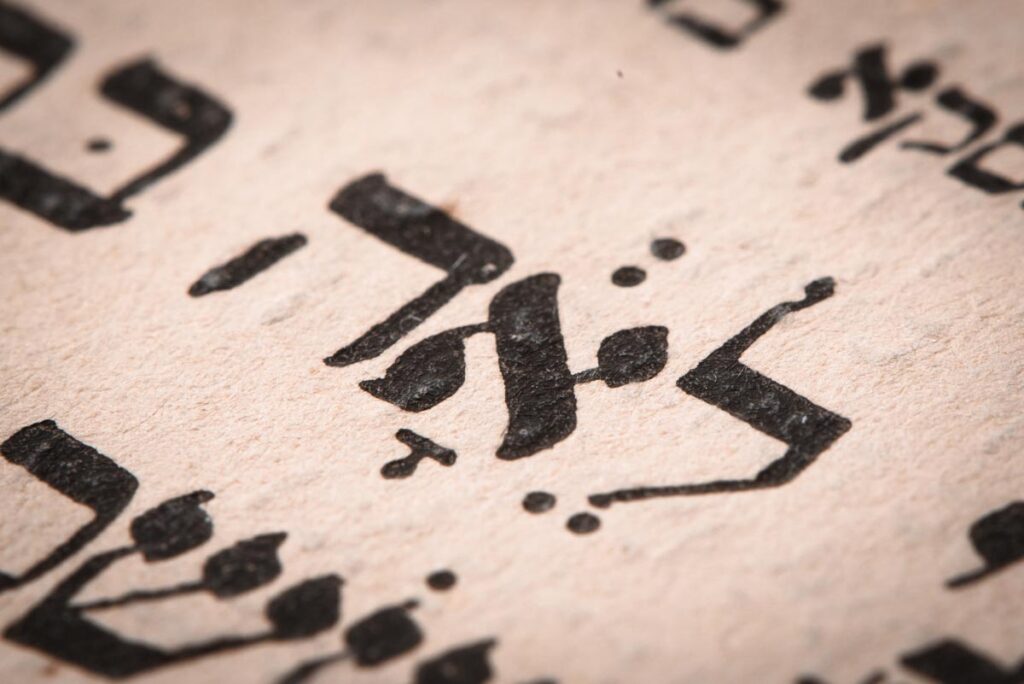
Naming Ceremony In the modern egalitarian world, the concept of ‘Affirmative Action’ is accepted. The naming of the newborn girl is like affirmative action. Her name is announced in the synagogue at the first opportunity after birth (how? see next page) – while the name of the newborn boy is only announced at the brit […]
Pidyon Haben
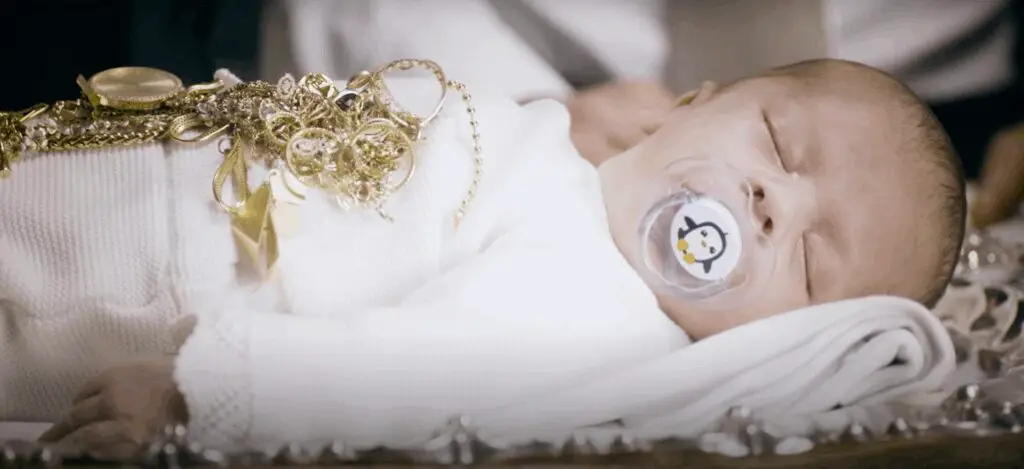
Background Thirty days have passed since the joyful day when you first held your eldest son. Yours? Not exactly. A man’s firstborn is ‘adopted’ by God, and is considered His to some extent. If you want the baby you gave birth to be yours, you need to redeem him from God. Give God a sum […]
Pregnancy
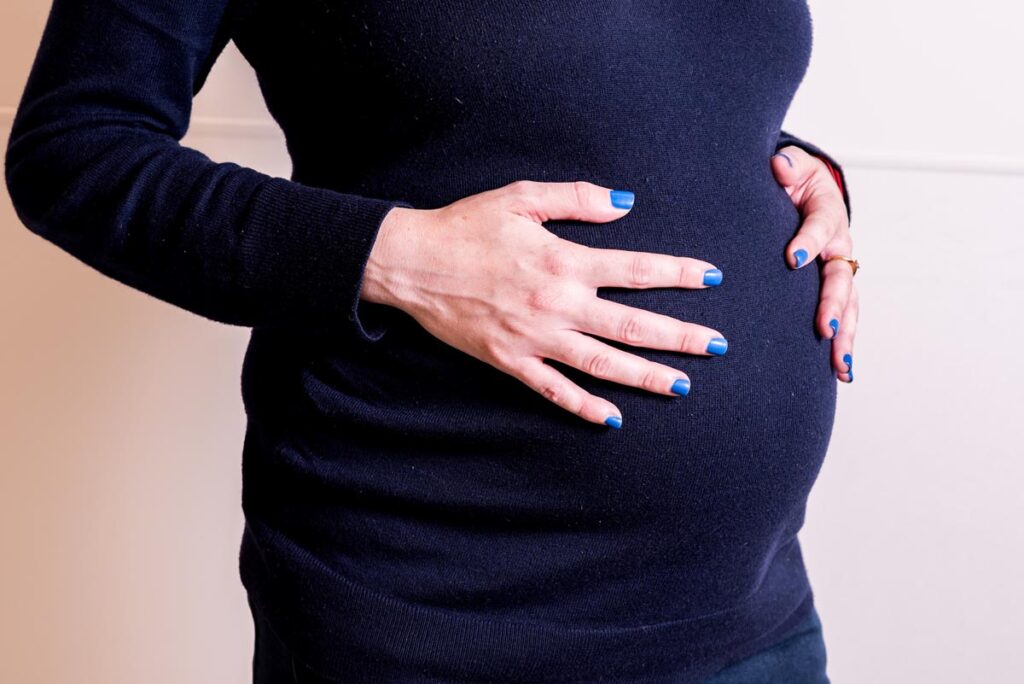
Pregnancy period Your excitement is undoubtedly immense. You have just been informed about a new soul that is about to arrive in your home. From this moment onward, for the upcoming months until birth at a good hour, you are entering a new, thrilling, and joyful period. Beyond opening a pregnancy follow-up file, maintaining health […]
Preparations for the Covenant
Choosing the Mohel The truth is that you should be the one to perform your son’s circumcision… God commanded the father to circumcise his son. However, since not everyone knows (or is capable) to perform the covenant, another person (the mohel) can be brought to circumcise the son – on behalf of the father, and […]
Preparations for the ceremony
You have a month to prepare… Without a Cohen (priest), there is no groom for joy… Arrange with a Cohen who is familiar with the ceremony, so he knows how to conduct it properly. Of course, it is recommended to find a Cohen who knows how to flow with the crowd and conduct the ceremony […]
The Birth
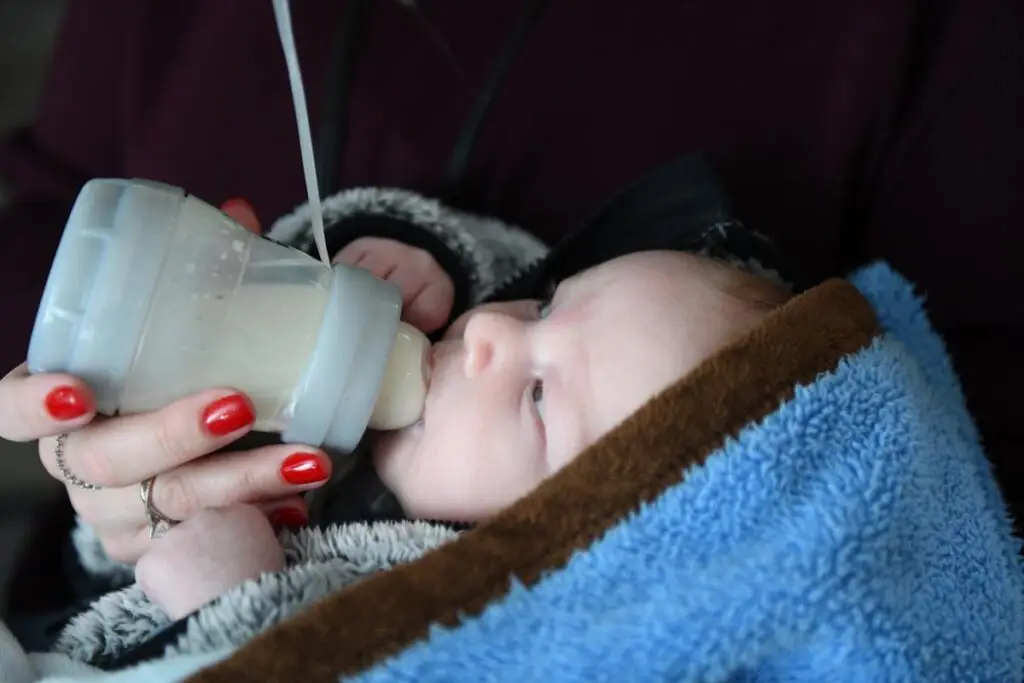
Introduction You’ve waited nine months for this day, and here it is. This is a big day for you and your baby. The day that God chose to entrust in your hands a precious treasure. The day when God decided that the world would be incomplete without your child. If we only consider the process […]
Zeved Habat
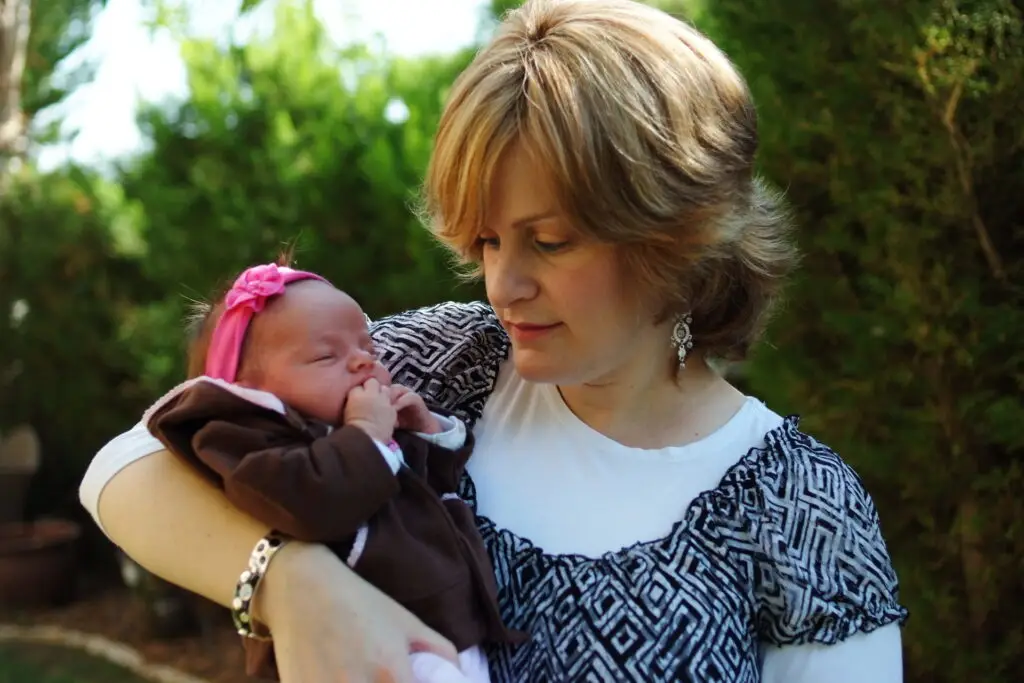
Introduction Zeved Habat is a Jewish ceremony practiced by various communities, in which a thanksgiving meal is held for the birth of a daughter in the family. Sometimes the ceremony is held close to the time of birth, and then also the private name of the new daughter is announced, similar to the Brit Milah […]
The Onset of Yom Kippur

Activities Prohibited Throughout the Day Yom Kippur is characterized by the exalted level of sanctity that we experience throughout this special twenty-six-hour period. In order to reach this exalted spiritual plane, we must disregard our physical needs and material concerns. On Yom Kippur, the Torah places a taboo on anything involved with our ordinary daily […]
The Yom Kippur
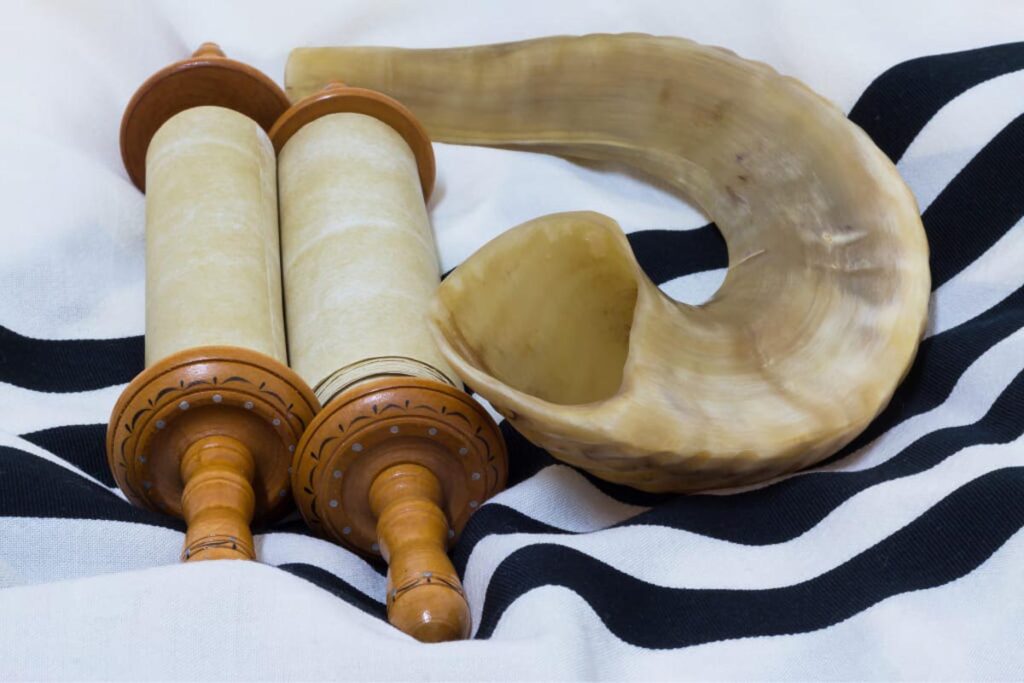
The Nature of the Day The tenth of Tishrei, Yom Kippur, is a very special and sacred day that is designated for a single purpose: to enable us to repent and return to G-d. On this day, we fast and engage in extensive prayers. The text of the day’s prayer services emphasizes the obligation to […]
“And Jacob Went on His Way”
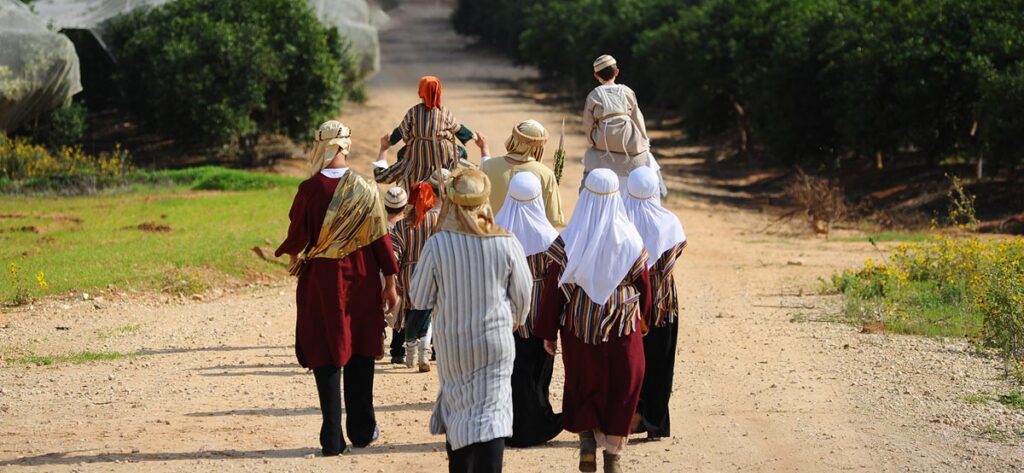
Back to Routine At the conclusion of Shabbat Bereishit, it is customary to quote the verse, “And Jacob went on his way.” More than anything, this Motzaei Shabbat symbolizes the return to a routine. It is like the time when an active businessman returns home after spending a month on the road. For an entire […]
Chol Hamoed:The Intermediate Days of Sukkot
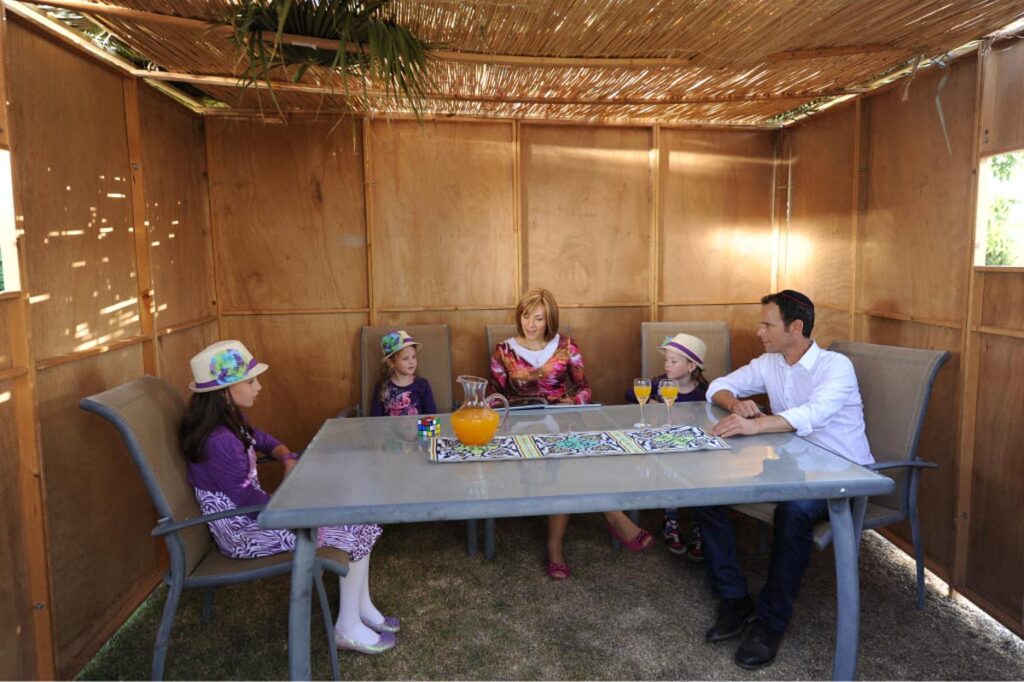
Chol Hamoed: The Intermediate Days of Sukkot The six days from the sixteenth until the twenty-first of Tishrei are known as Chol Hamoed. These days are like regular weekdays (chol), but they also are part of the holiday (moed) of Sukkot. In Israel, Chol Hamoed is six days long on Sukkot, but in the Diaspora, […]
Hoshana Rabbah
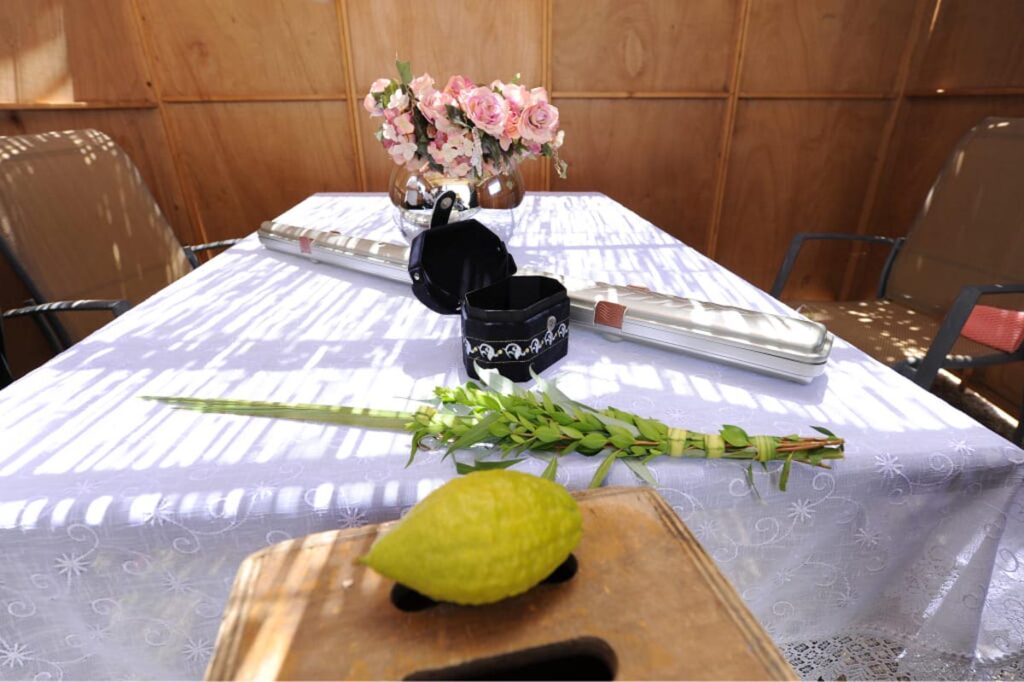
Hoshana Rabbah The twenty-first of Tishrei is the last day of Chol Hamoed Sukkot and is known as Hoshana Rabbah (“the great Hoshana”). This day is considered the conclusion of the Days of Awe and marks the final sealing of the decree that was issued in the Divine judgment of this period of the year. […]
Isru Chag
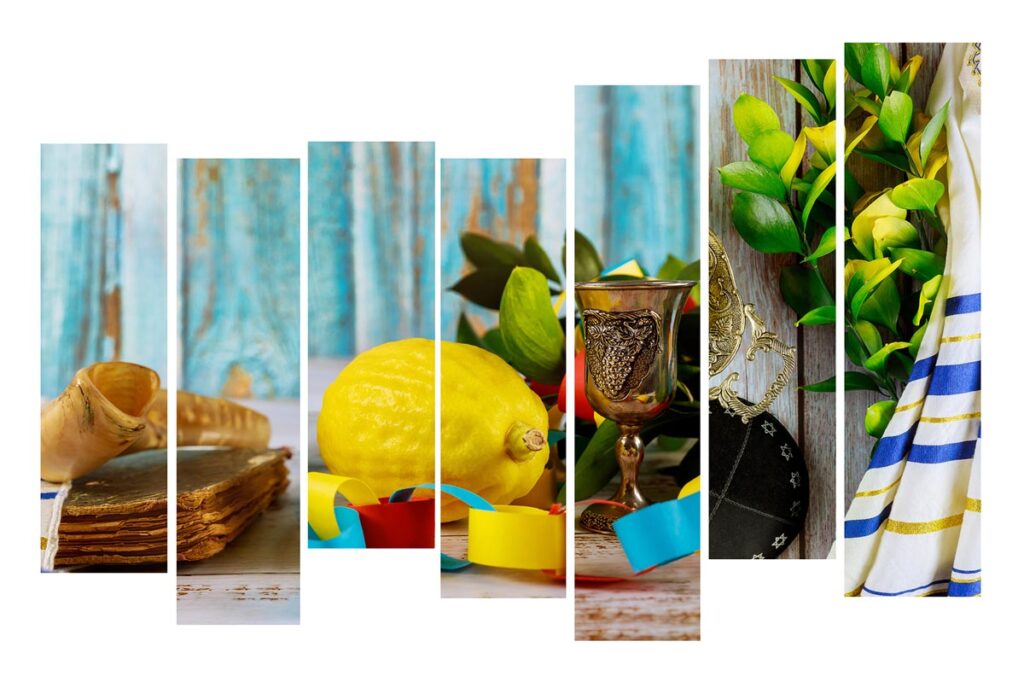
Isru Chag The day after Sukkot, the twenty-third of Tishrei, is known as “Isru Chag.” The same term is applied to the day following each of the other Festivals, Passover and Shavuot. This term originates in a verse in Psalms, “Isru chag ba’avotim ad karnot hamizbeiach—Bind a festival with cords until the corners of the […]
Shabbat Bereishit
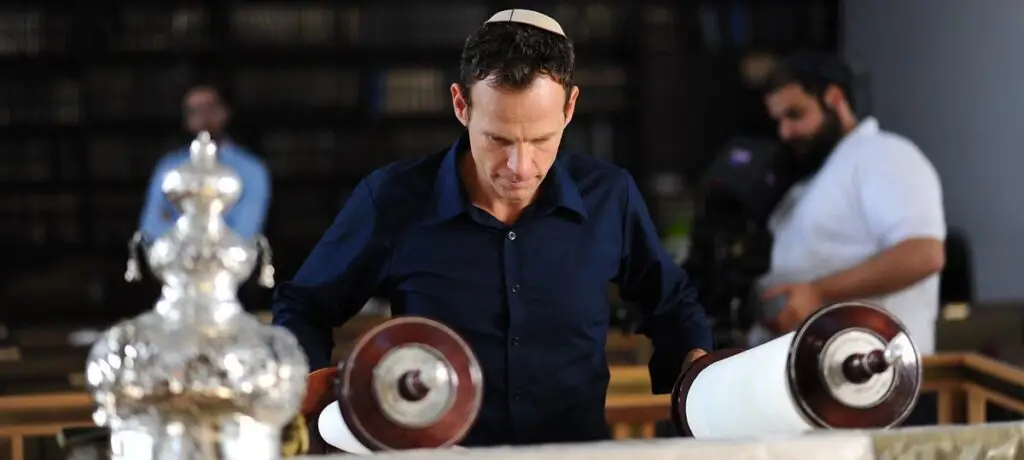
Backgound The Shabbat that concludes this month packed with holidays is known as “Shabbat Bereishit,” since it marks the beginning of the annual cycle of Torah readings with the Torah portion of Bereishit. On this Shabbat, the entire Book of Psalms should be recited before Shacharit, as we do on every Shabbat Mevarchim. Because Shabbat […]
Shabbat Chol Hamoed Sukkot
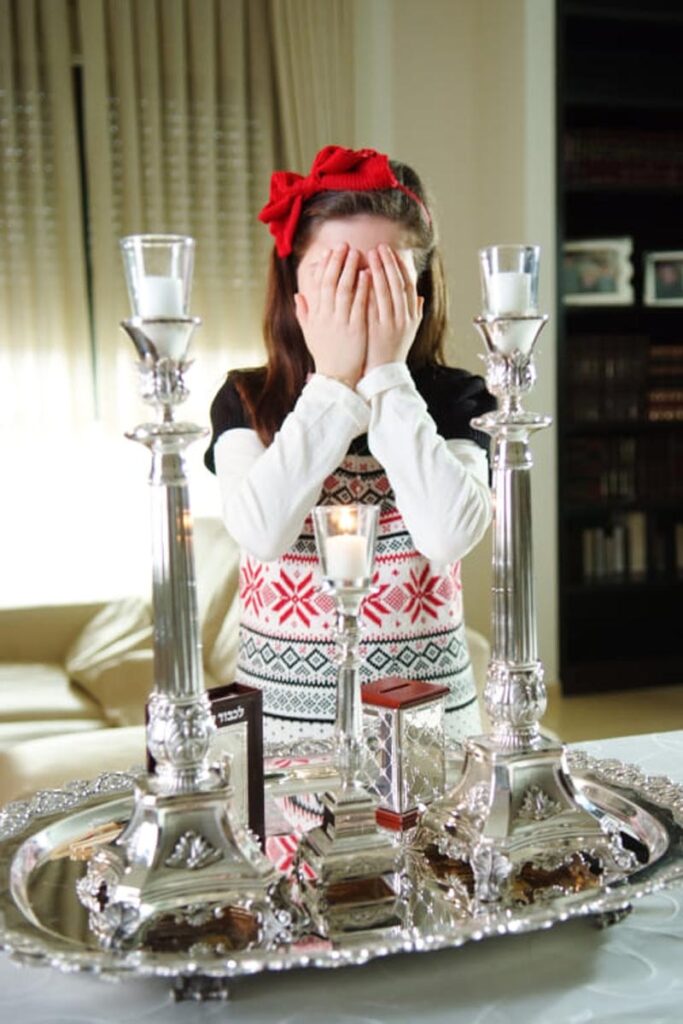
Candle Lighting Our Sages required every woman to light a candle in her home on every Shabbat or holiday. The purpose of this requirement is to honor the sacred day and to ensure that the home will be properly illuminated and that there will be an atmosphere of comfort and tranquility. Before lighting the candles, […]
Shemini Atzeret and Simchat Torah
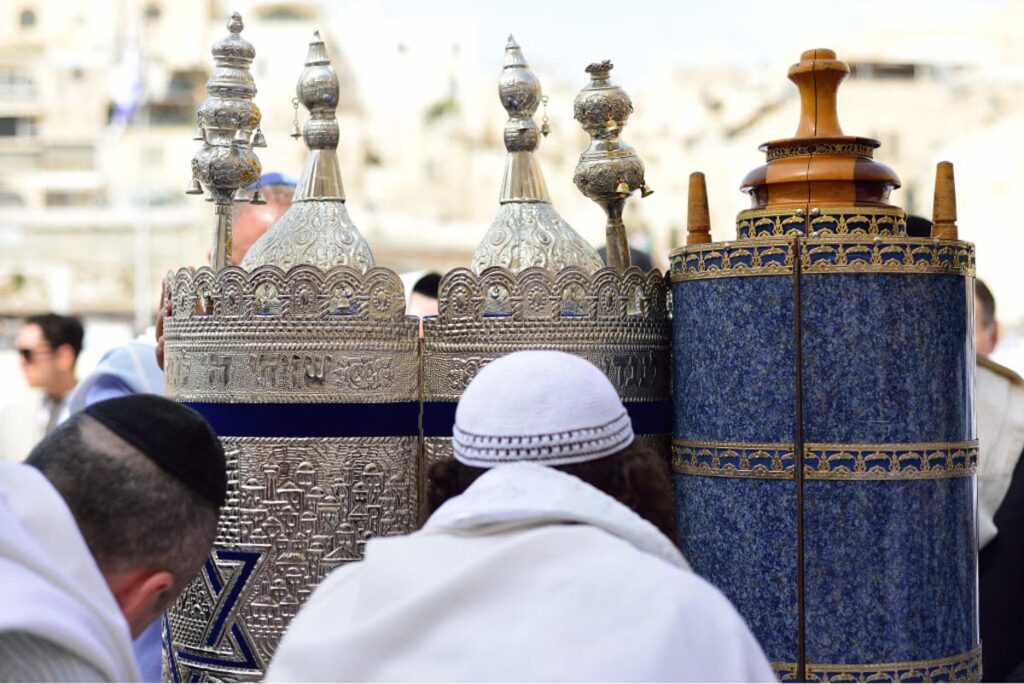
Shemini Atzeret On the twenty-second of Tishrei, after the seven days of Sukkot, we experience an additional Yom Tov known as “Shemini Atzeret” and “Simchat Torah.” Even though this day follows immediately after the holiday of Sukkot, it is considered an independent festival. There is no requirement on this day to sit in the sukkah […]
The Festival of Sukkot
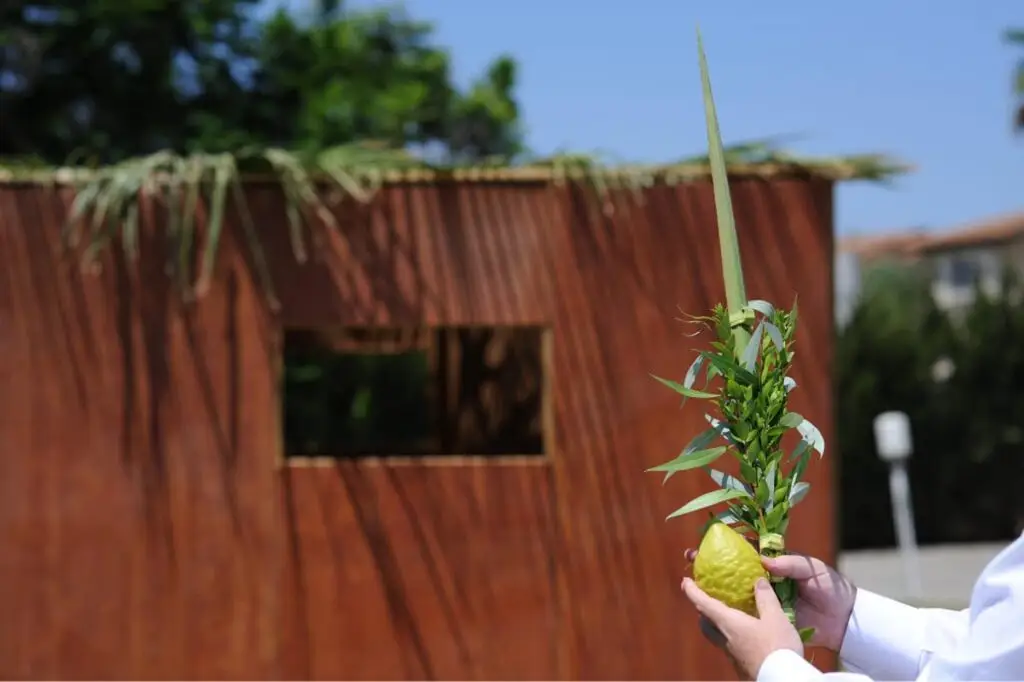
The Festival of Sukkot Sukkot is one of the regalim, the three central festivals in Judaism. The other two are Passover and Shavuot. Sukkot is seven days long, from the fifteenth of Tishrei until the twenty-first. During the era of the Holy Temple, every Jew was required to travel to Jerusalem for each of these […]
Identifying the Month of Elul
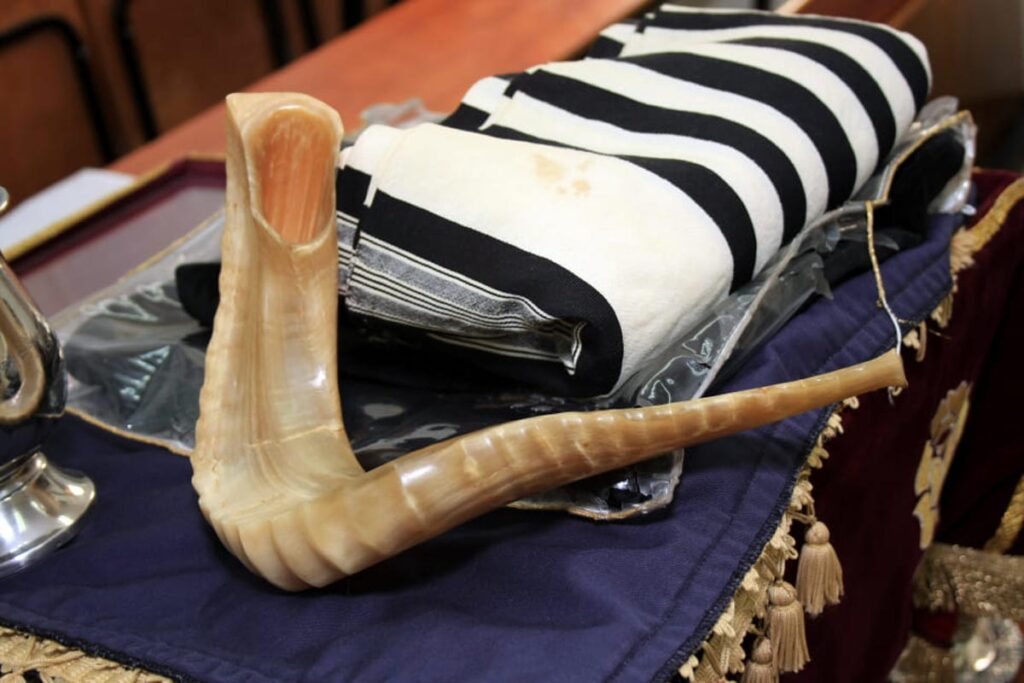
The Month of Mercy and Selichot Elul is the twelfth month of the Hebrew year, which begins with the month of Tishrei; it is the sixth month after the month of Nisan. The name of the month of Elul is derived, among other sources, from the Aramaic word alal, which denotes searching. This name gives […]
The Conduct of the Month of Elul
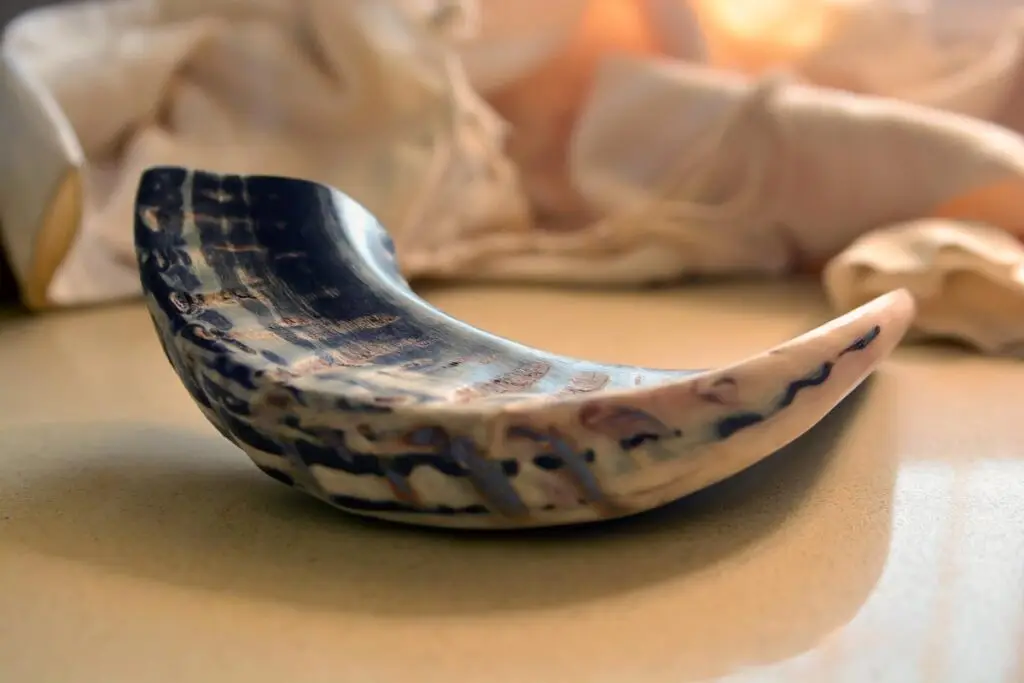
Psalm 27 From the first day of Rosh Chodesh Elul until the end of the holiday of Sukkot (Hoshana Rabbah, the 21st of Tishrei), we recite Psalm 27, “To David, G-d is my Light and my Salvation,” both at the conclusion of the daily morning services (after the Song of the Day) and at the […]
The First Day of Rosh Hashanah
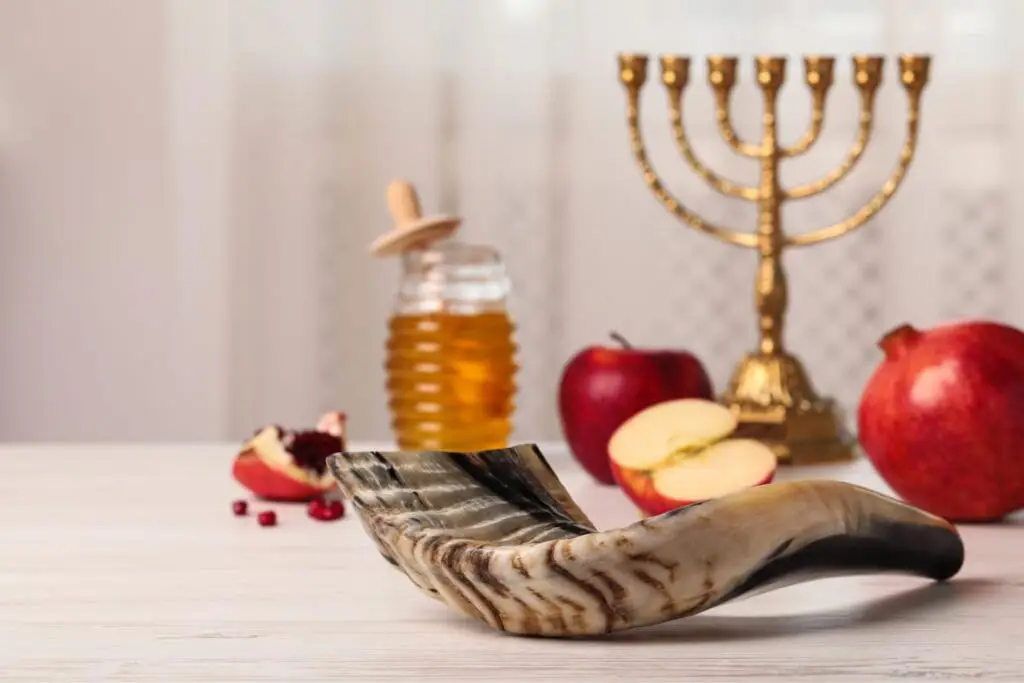
The Shacharit Service After arising in the morning and reciting Modeh Ani, we proceed as usual to the Morning Blessings. One should not eat anything in the morning before the prayer services until after the shofar has been sounded. After the shofar blasts, it is permissible to drink. Men customarily immerse themselves in a mikveh […]
The Month of Tishrei
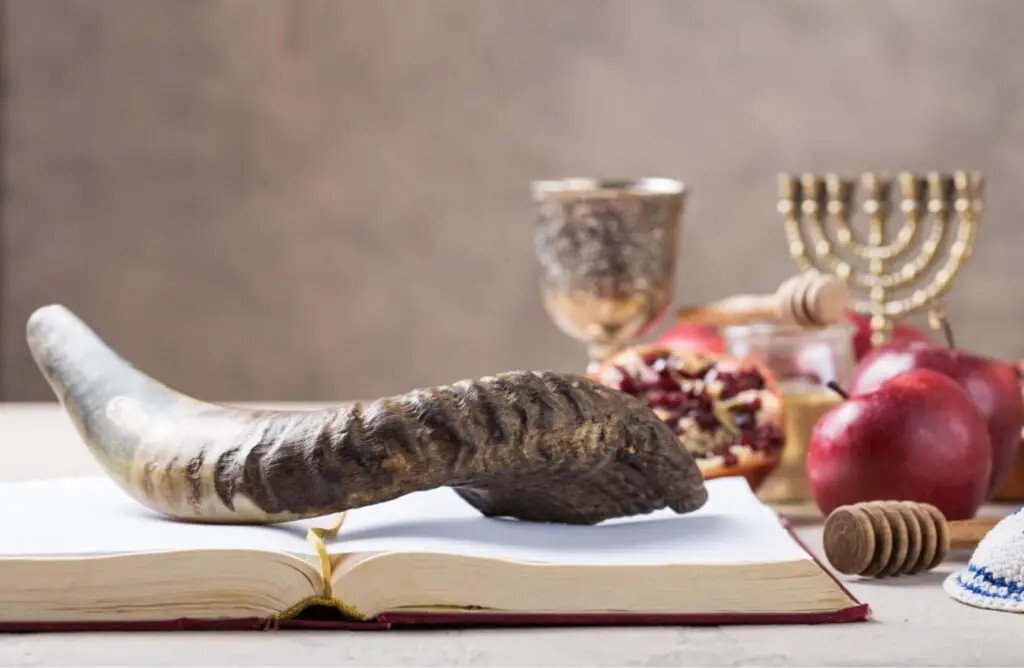
Tishrei Tishrei is the first month in the Hebrew calendar, but it is also called “the seventh month” because it is the seventh month from Nisan, the first month in the Biblical sequence of months. The name of Tishrei, like the names of the other Hebrew months, originated in the Babylonian exile. It denotes a […]
The Night of Rosh Hashanah
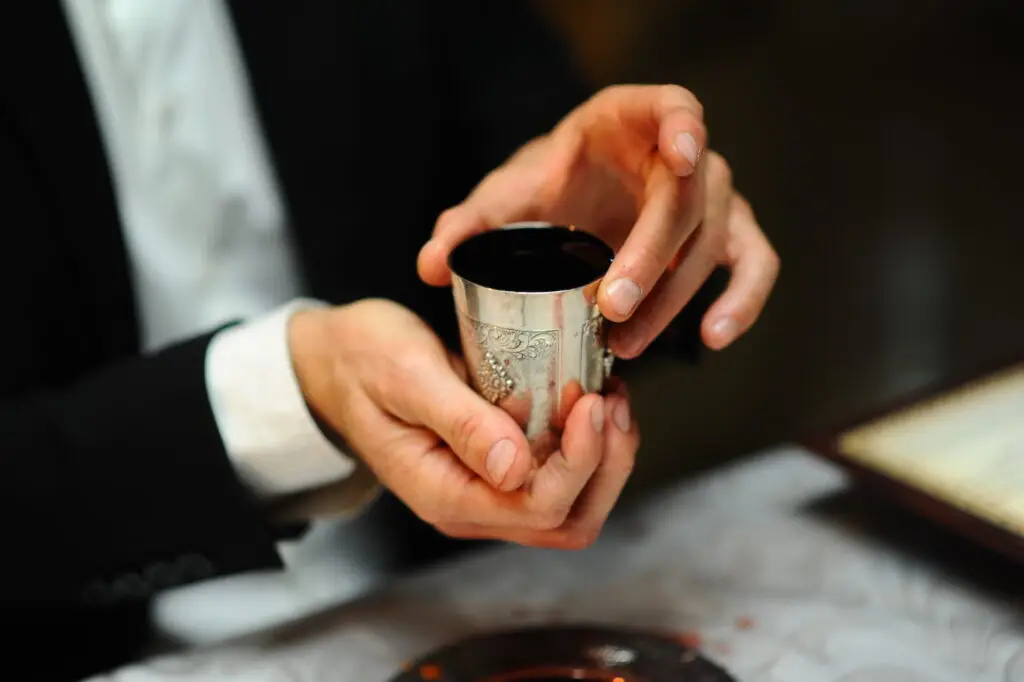
The Machzor In many synagogues, seats are sold in advance of the holidays so that the congregants can be sure to have a seat near the chazzan, where they will be able to hear the prayers. In most synagogues, a special white curtain is placed on the Ark in honor of the Days of Awe. […]
The Second Day of Rosh Hashanah

The Shacharit Service After arising in the morning and reciting Modeh Ani, we recite the Morning Blessings as usual. One should not eat in the morning before the prayer services until after hearing the shofar blasts, but it is permissible to drink. It is customary for men to immerse themselves in a mikveh before the […]
The Second Night of Rosh Hashanah
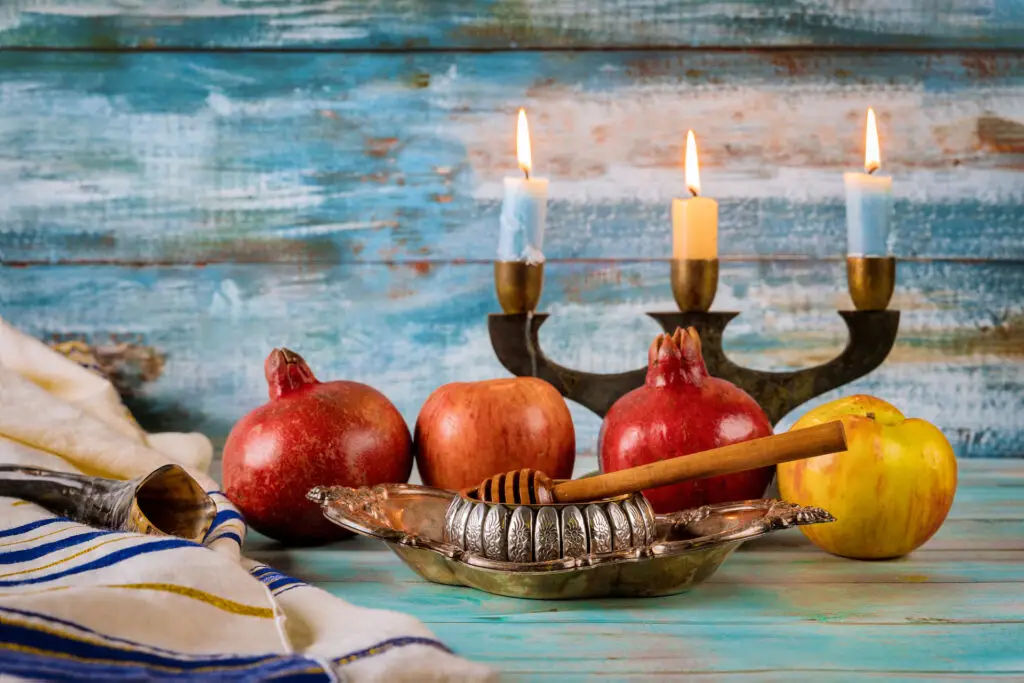
Lighting the Candles The second day of Rosh Hashanah is considered a separate holiday. As a result, women customarily light candles on the second night of Rosh Hashanah as well. As above, the candles should be lit only after nightfall. The blessings that were recited on the first night are repeated on the second night, […]
The Ten Days of Repentance
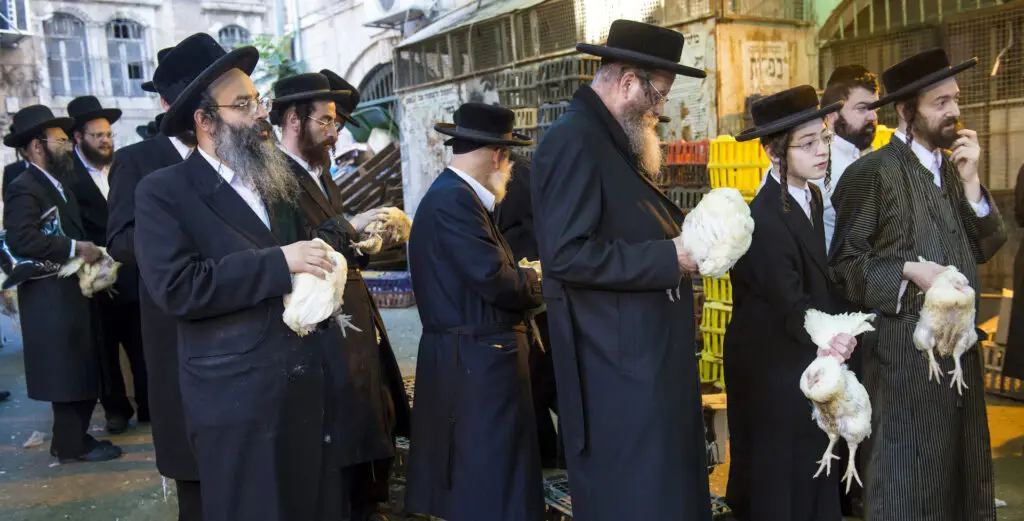
The Ten Days of Repentance The first ten days of the year, from Rosh Hashanah until Yom Kippur, are special days that are primarily designated as a time for repentance. The obligation to repent exists throughout the year, but during these days, G-d is particularly close to us, as we learn from the verse, “Seek […]
The Third of Tishrei: The Fast of Gedaliah
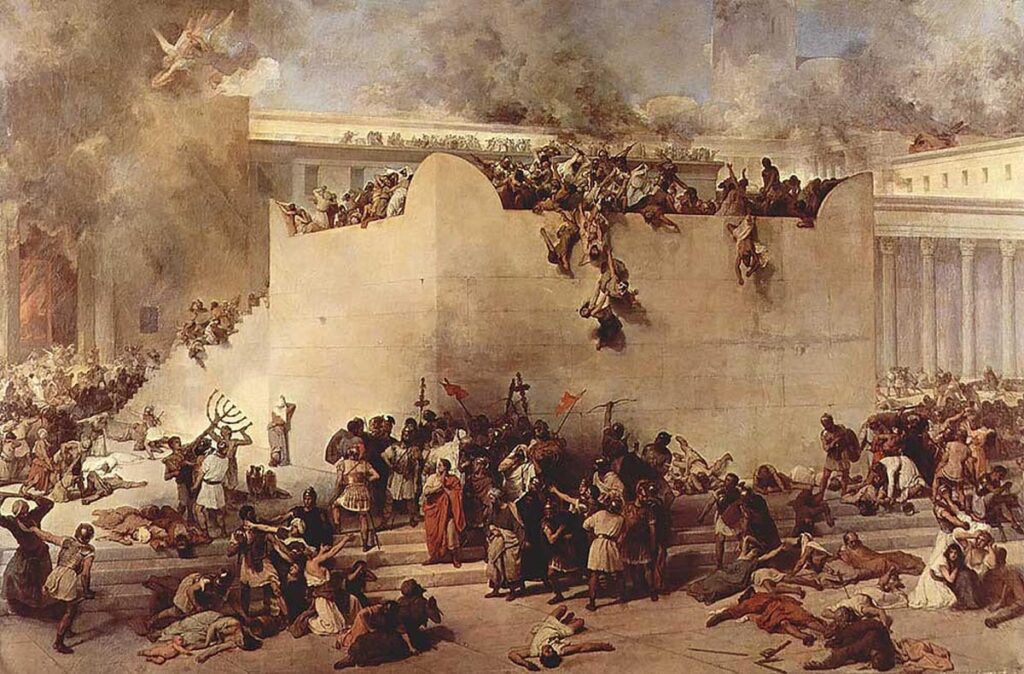
Historical Background After the destruction of the First Temple, only a small number of Jews remained in the Land of Israel. The Babylonian conquerors had allowed these Jews to remain in the land on the assumption that they would not attempt to rebel, and in fact, that they would pay taxes instead. Nebuchadnezzar, the king […]
Appendix: Special Shabbatot
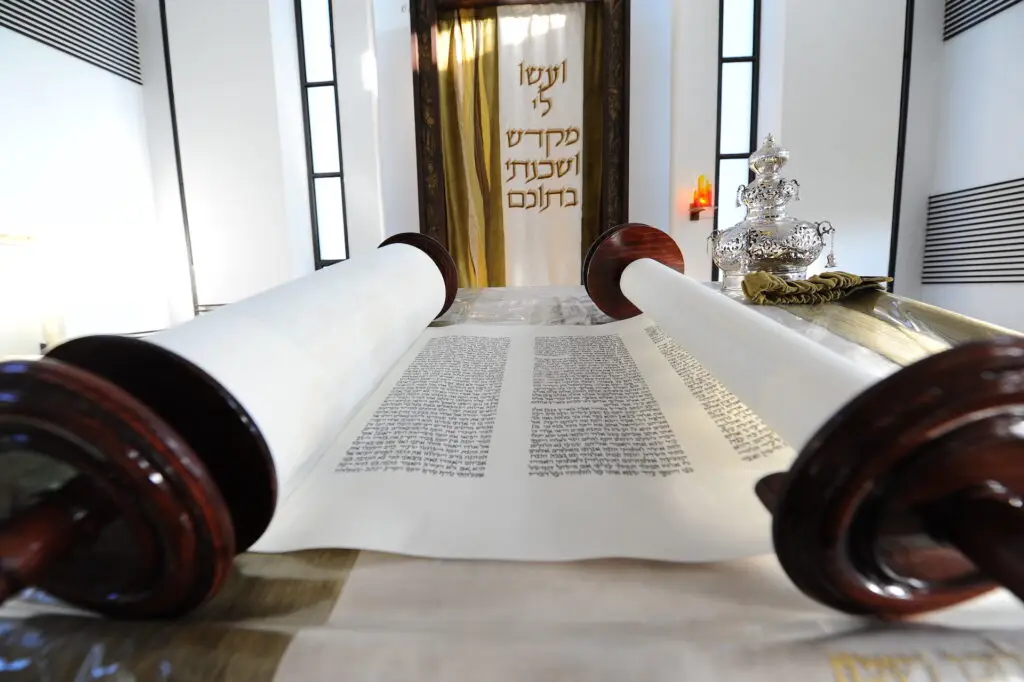
Shabbatot Certain Shabbatot have special names, after a Torah portion that is read that week, the particular week when that Shabbat occurs, or an event that took place on that Shabbat. The following is an overview of those unique Shabbatot, in the order in which they occur during the calendar year: Shabbat Mevarchim This is […]
Basic Concepts of Shabbat Observance
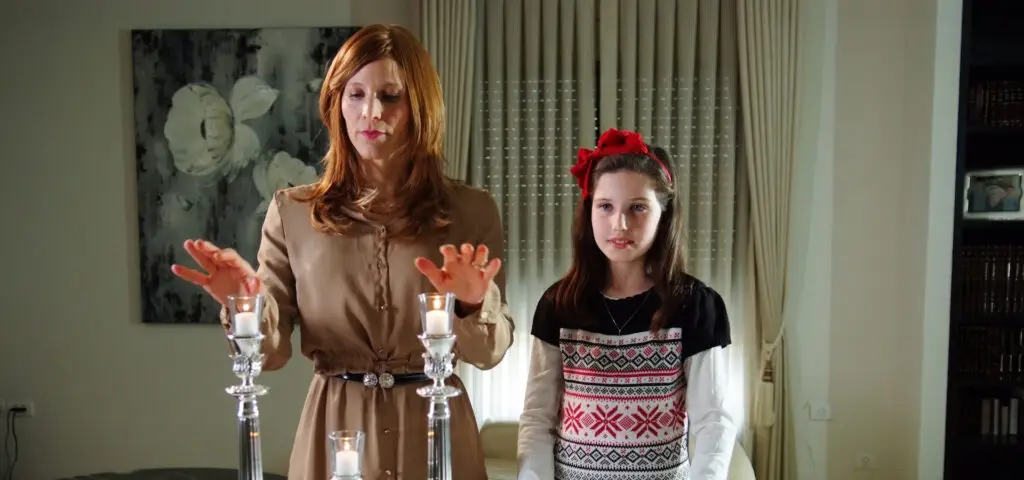
Introduction When a person receives a special, valuable gift from someone close to him, the normal response is to take good care of the gift and use it with great care to prevent it from being damaged or broken. Shabbat is a gift of great value that we received from G-d Himself, and it is […]
Friday Afternoon
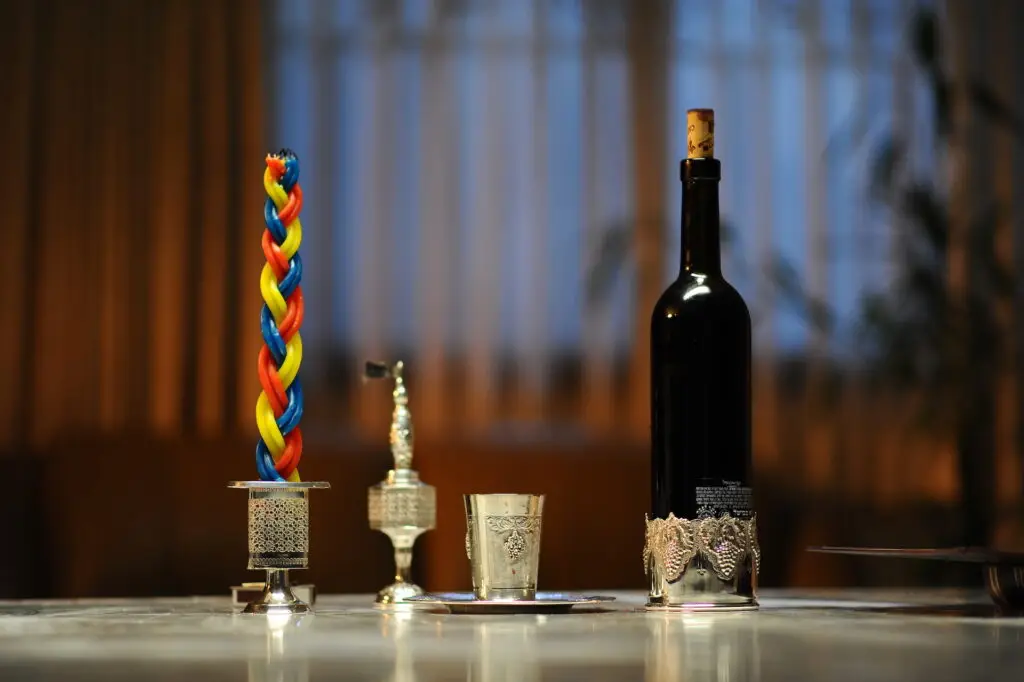
Meals on Friday Afternoon In order to uphold the honor of Shabbat, our Sages decreed that we should be sure to be slightly hungry when Shabbat arrives, so that we would have an appetite for the Shabbat meals. Therefore, after noon on Friday, one should not serve or eat a meal that is larger than […]
Kiddush
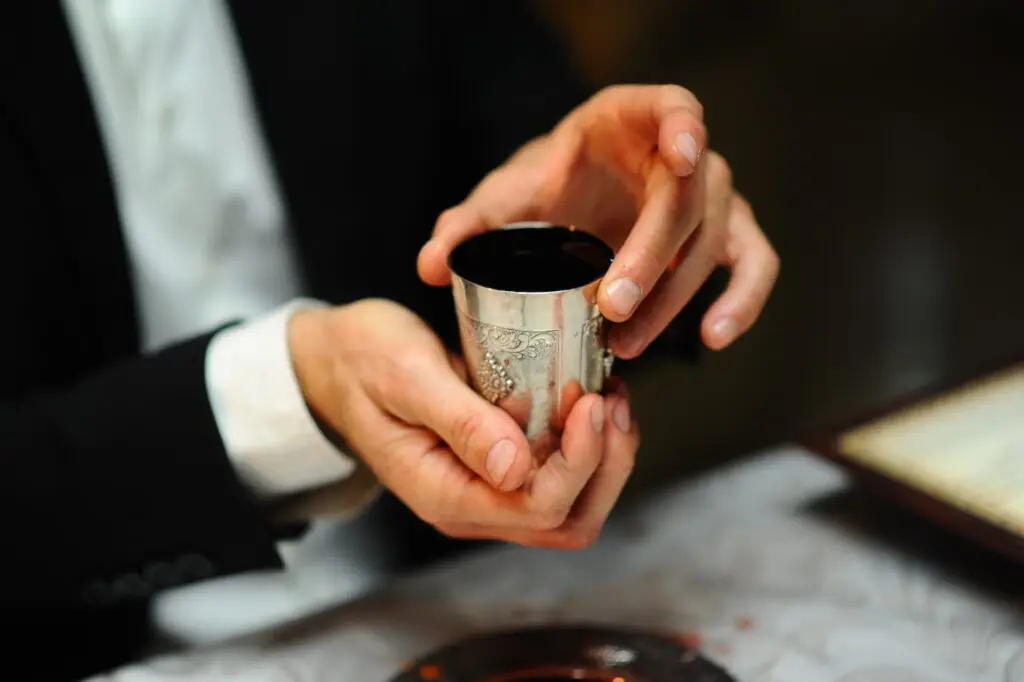
When, and Who Does It? After Shalom Aleichem and Eishet Chayil, Kiddush is recited. We have already mentioned that the Torah contains a commandment for us to “remember” and sanctify Shabbat. Our Sages decreed that one of the ways we “remember” Shabbat must be by reciting a blessing over a cup of wine both when […]
Preparing for Shabbat
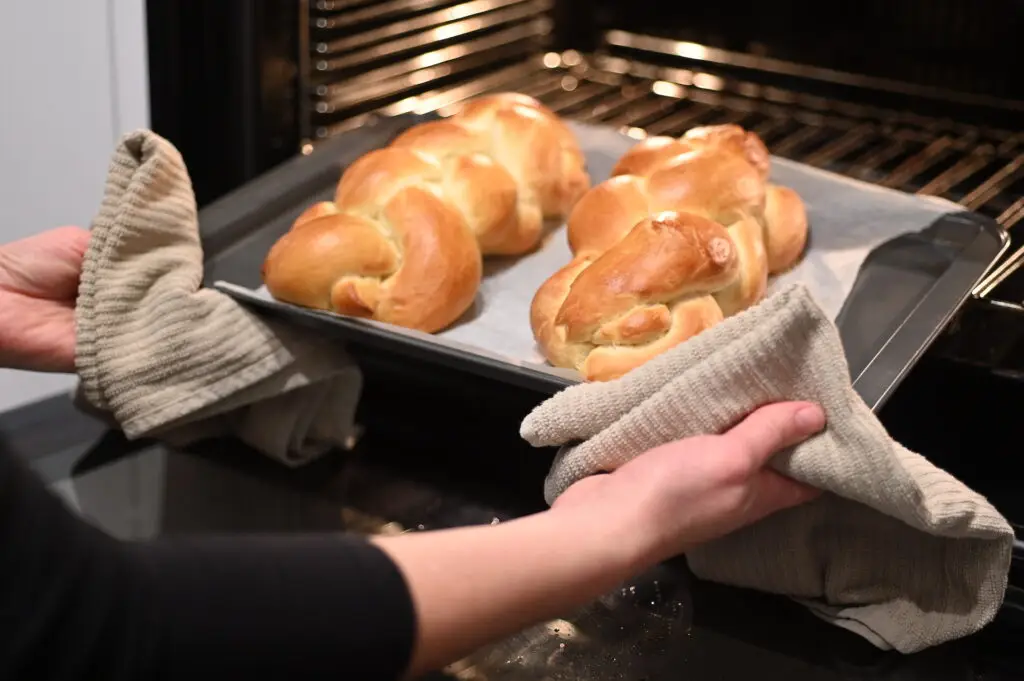
Honoring and Enjoying Shabbat We will now discuss in detail how to prepare for Shabbat: what to do on Friday before Shabbat begins, how to prepare the house for Shabbat, and other subjects. Kavod Shabbat and Oneg Shabbat—Honoring and Enjoying Shabbat The prophet Isaiah declares (Isaiah 58:13), “You shall call the Sabbath ‘a delight,’ and […]
Reviewing the Torah Portion of the Week
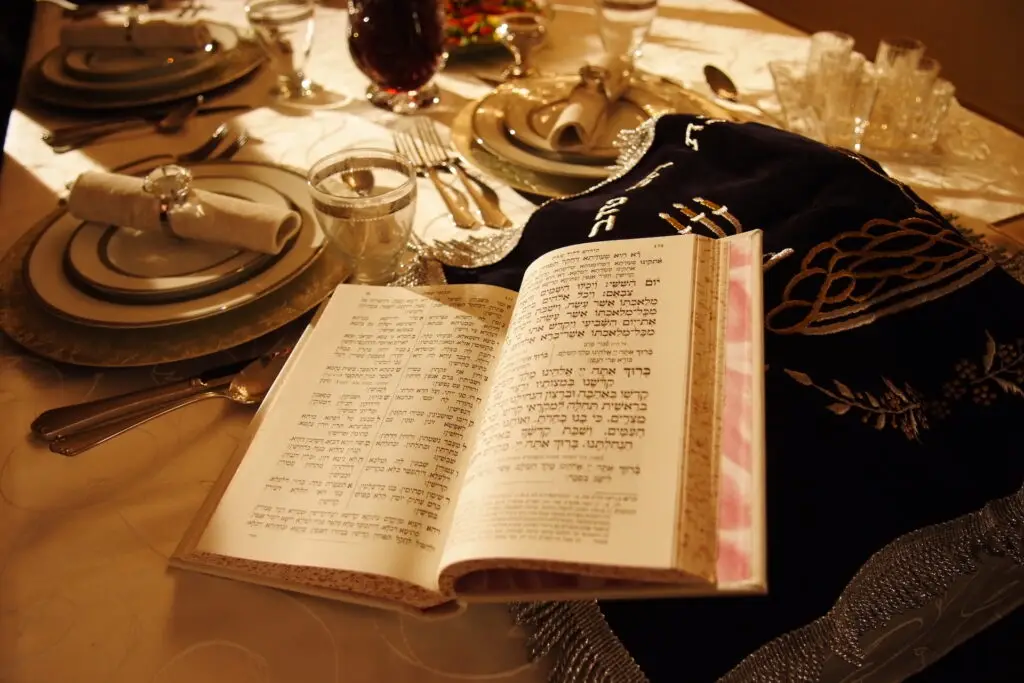
Introduction Every Shabbat morning, a different portion of the Torah is read aloud from a Torah scroll in the synagogue. In addition to the public reading of the Torah, there is a special mitzvah for every man to read the week’s Torah portion on his own before Shabbat, along with the Aramaic translation of Onkelos, […]
Shabbat Day
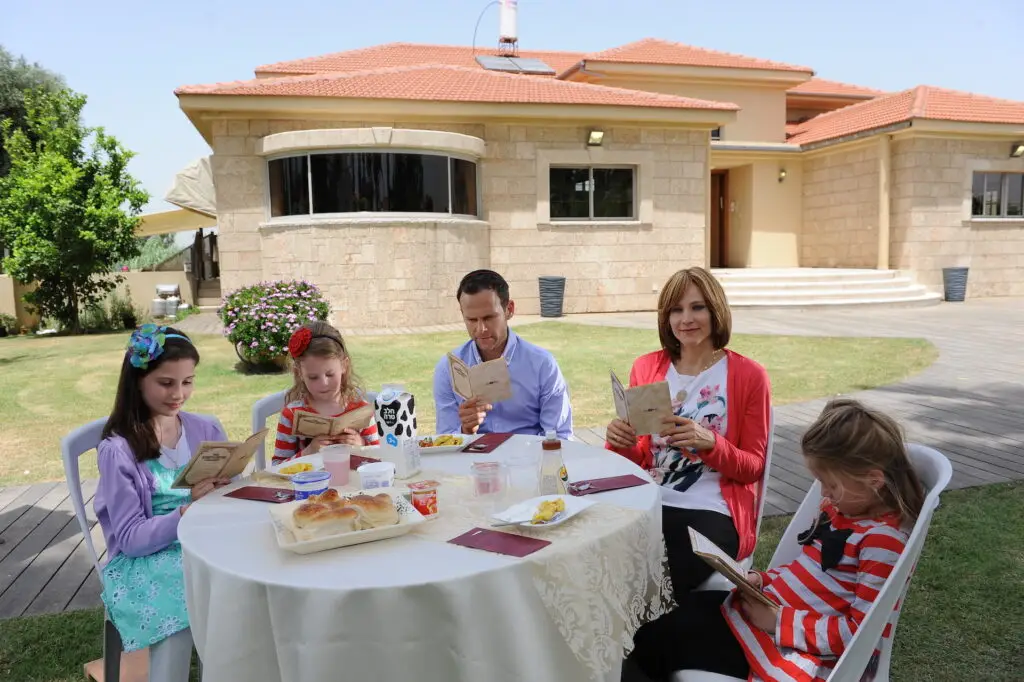
Shabbat Day Upon arising in the morning on Shabbat, one should recite Modeh Ani, perform the standard negel vasser (ritual hand washing for the morning), relieve oneself and wash one’s mouth. After getting dressed, one should perform negel vasser again and recite the Morning Blessings, as on any other day. An extensive description of the […]
The Beginning of Shabbat
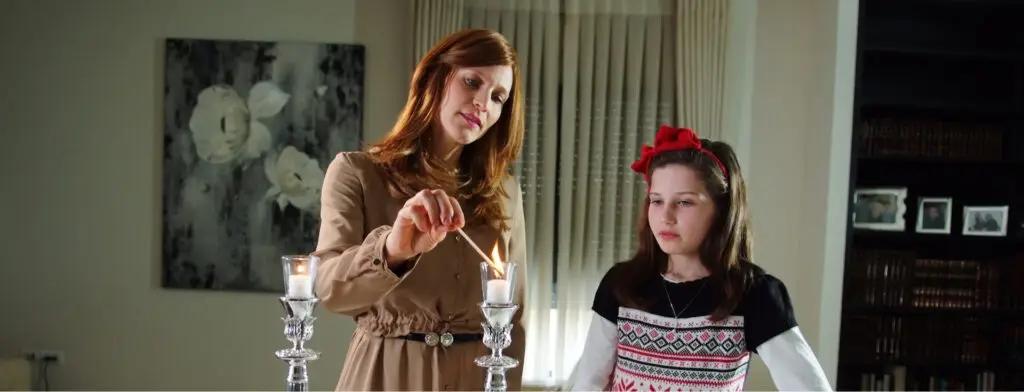
Introduction Shabbat officially begins with sunset on Friday and continues until the emergence of three small stars on Saturday night. The period on Friday night after Shabbat begins is known as Leil Shabbat, “the night of Shabbat,” and the period after Shabbat ends on Saturday night, until dawn of Sunday morning, is known as Motzaei […]
The Friday Night Meal
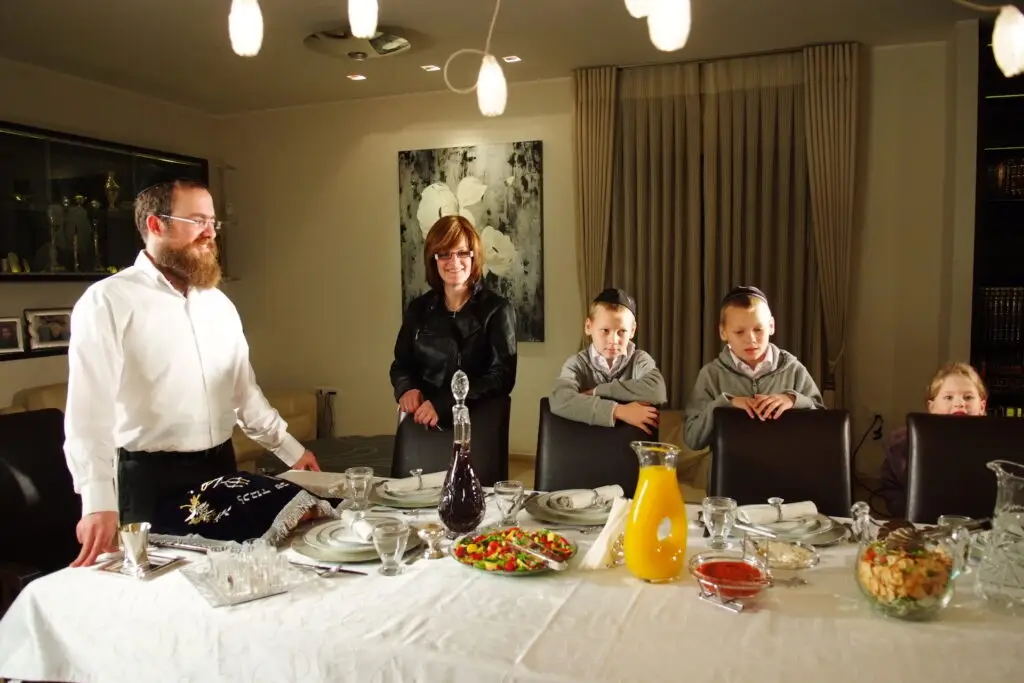
Shalom Aleichem Upon returning home from synagogue on Friday night, we greet our family members with the traditional greeting of “Shabbat Shalom.” Jewish tradition teaches us that every man is accompanied home from the synagogue on Friday night by two angels, one good and the other evil. When they enter the home, if they find […]
The Maariv Service of Friday Night
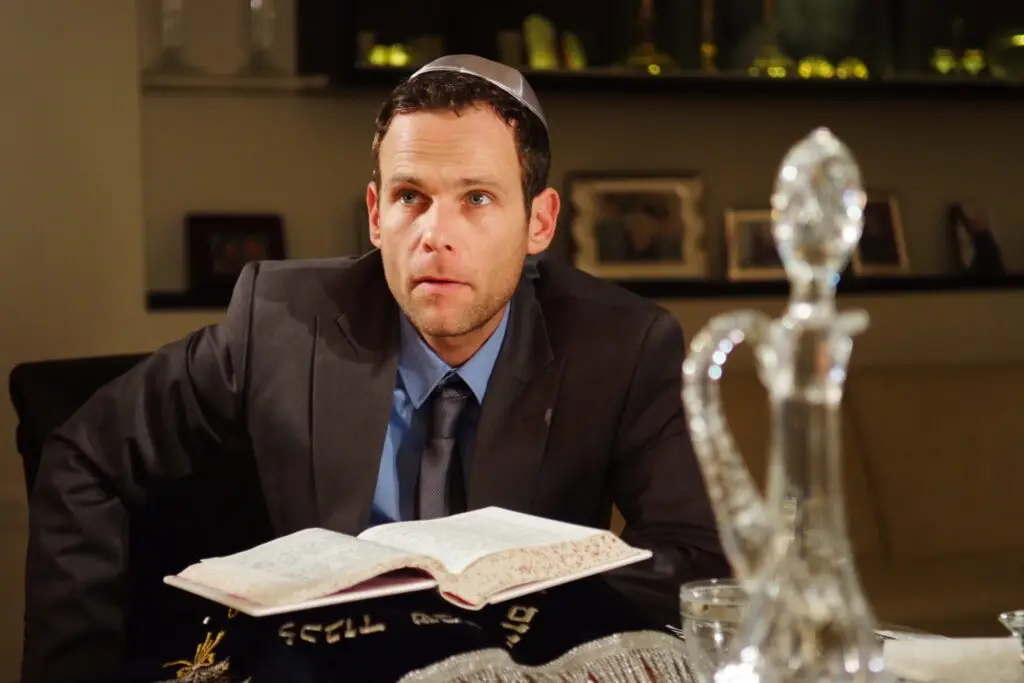
Kabbalat Shabbat The first portion of the Friday night service is called “Kabbalat Shabbat.” The word kabbalah means “receiving.” This service is the first portion of the prayers recited on Shabbat, so in essence, we “receive” the Shabbat with these prayers. In some congregations, it is customary to recite Song of Songs, which was authored […]
The Shabbat
General Background Perhaps the most incredible, awe-inspiring account in the Torah is its description of the creation of the world. Almost 6000 years ago, the Torah tells us, G-d fashioned this entire wondrous universe and all that it contains: the heavens and the earth, the land and the sea, the world of plant life, the […]
The Shabbat Candles
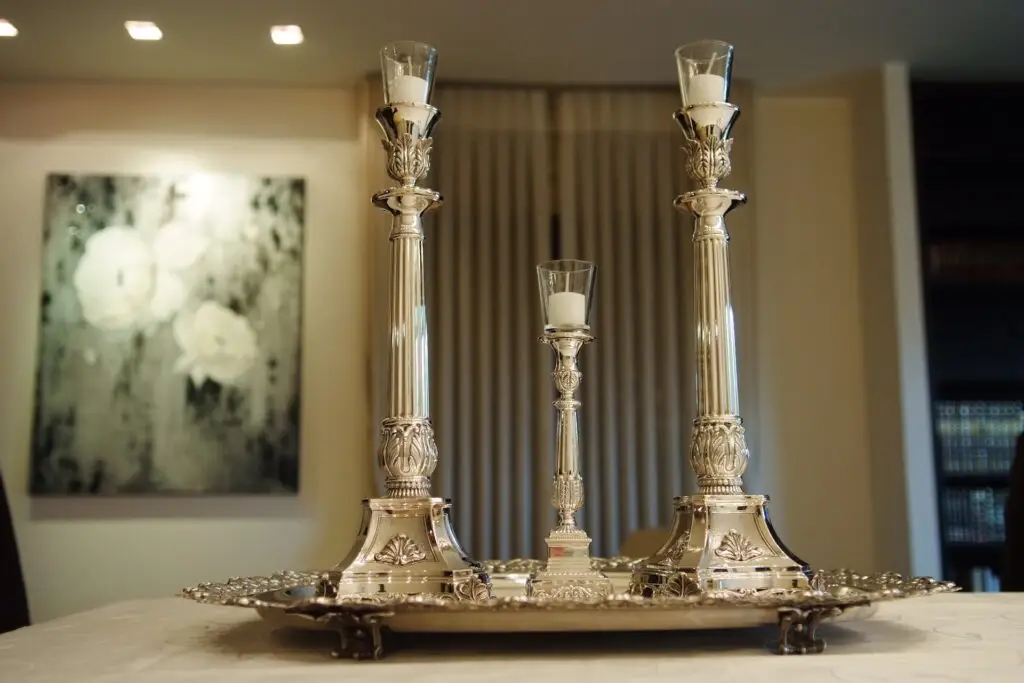
Introduction We have now completed the feverish race to prepare for Shabbat. All the dishes have been prepared and the house is neat and clean. Every member of the family is also clean and well-groomed, dressed in attire appropriate for Shabbat. The time has come to welcome our special guest—the Shabbat Queen. We greet her […]
The Shabbat Meal
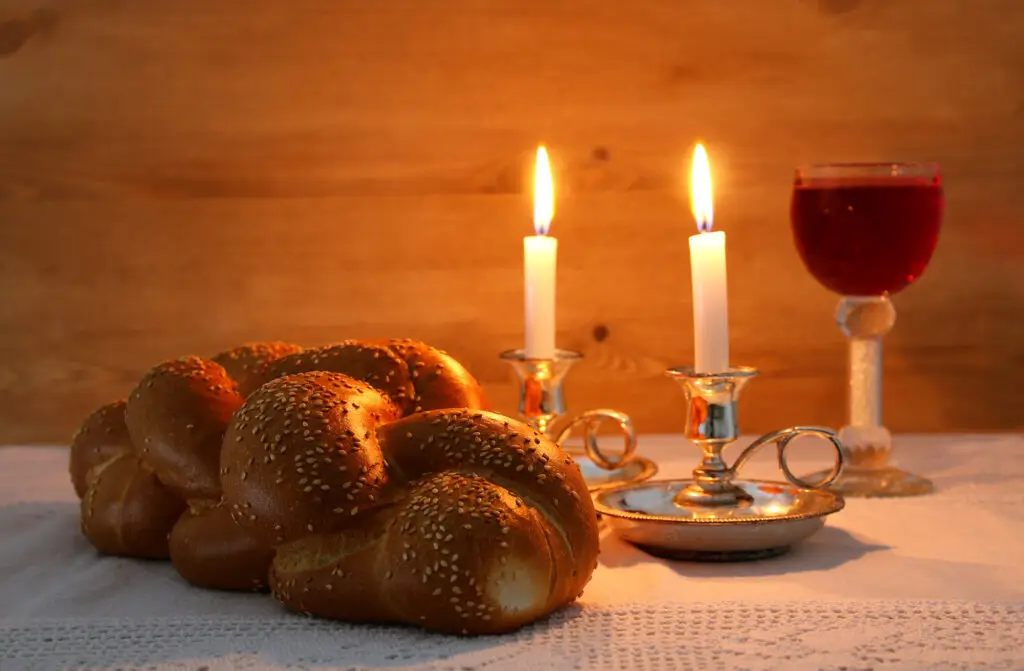
The Meal Every individual is required to eat three meals on Shabbat. The first meal takes place on Friday night, the second on Shabbat day after Shacharit and Mussaf, and the third after Minchah of Shabbat day. The definition of a “meal” in Jewish law is the consumption of bread or challah (or any item […]
The Synagogue
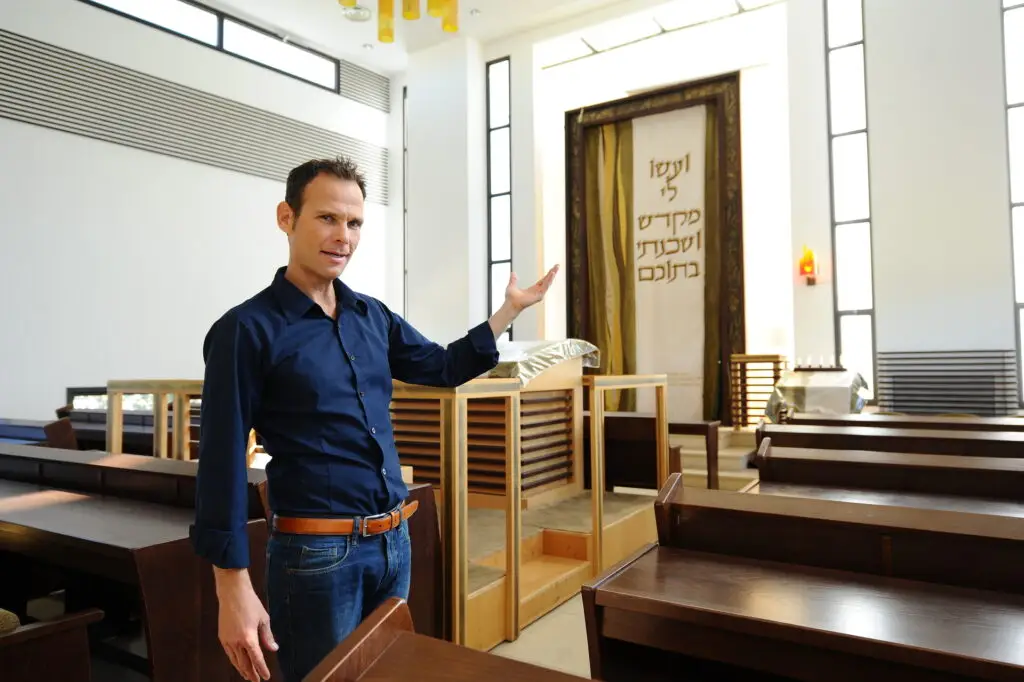
Background For hundreds of years, the center of the spiritual life of the Jewish people was the Holy Temple in Jerusalem (known in Hebrew as the Bais Hamikdash). Three times a year, the entire Jewish people gathered at the Temple to pray and serve G-d. The Temple was destroyed two thousand years ago, and in […]
The Tallit
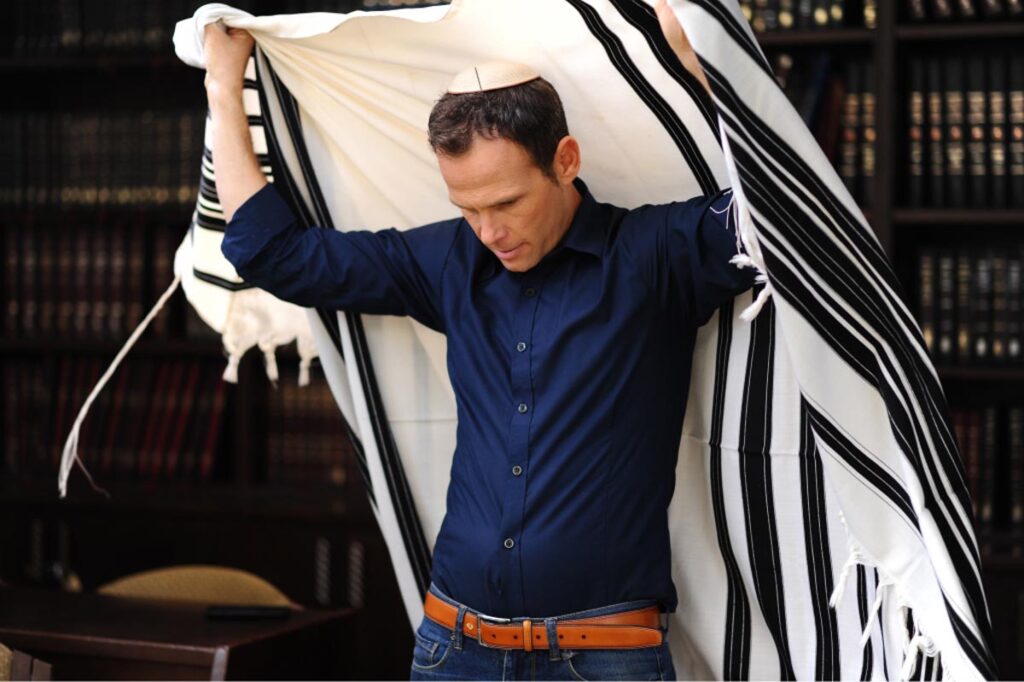
What is a Tallit? A tallit is a garment used in the observance of the Biblical precept of wearing tzitzit. The Torah requires every man who wears a four-cornered garment to attach a group of threads to each corner, in a particular fashion. The intent of this commandment is for the wearer to be reminded […]
The Torah Reading
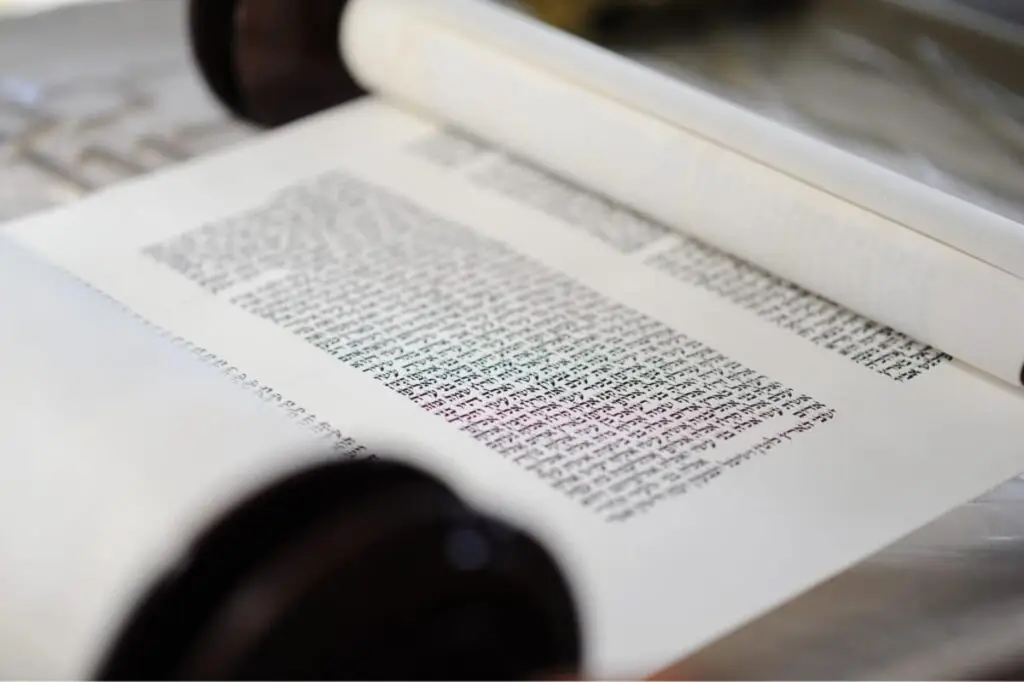
General background The Torah reading is one of the most time-honored institutions in Judaism, dating back to the era of Moses himself. This ritual, as the name suggests, consist of the public reading of a particular passage out of the Torah scroll. When the concept of the Torah reading was initially enacted, it called for […]
Roles In The Synagogue
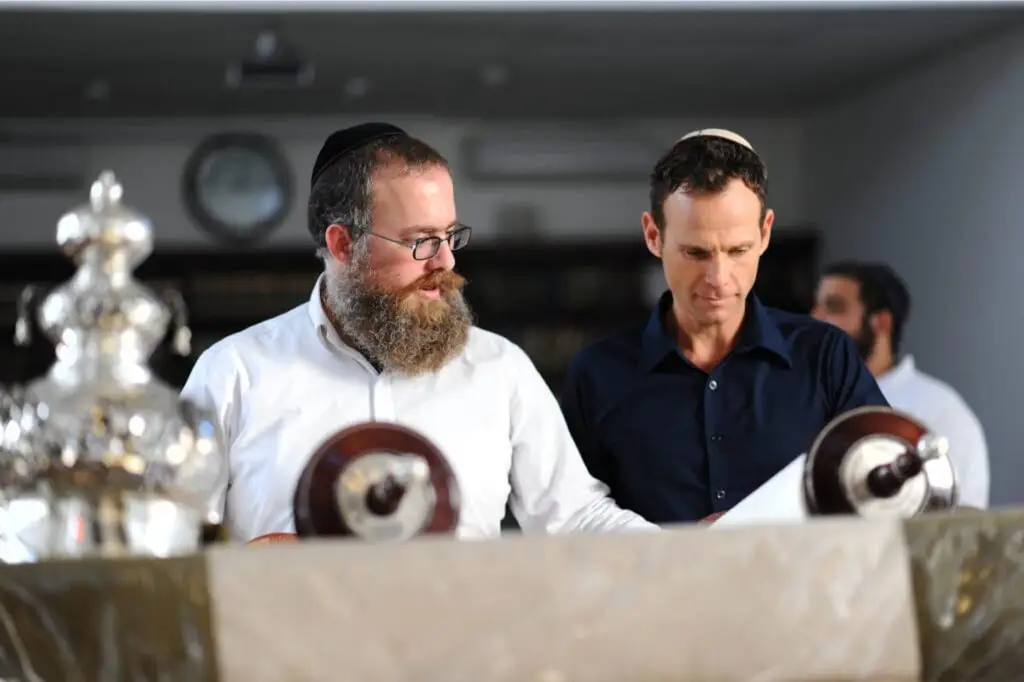
The Rabbi The rabbi is the guide and spiritual leader of the synagogue and its congregation. His task is to educate and instruct the congregation and guide them to lead proper Jewish lives in accordance with the Torah’s dictates. In the context of the synagogue services, the rabbi often delivers a weekly sermon every Shabbat, […]
Tachanun
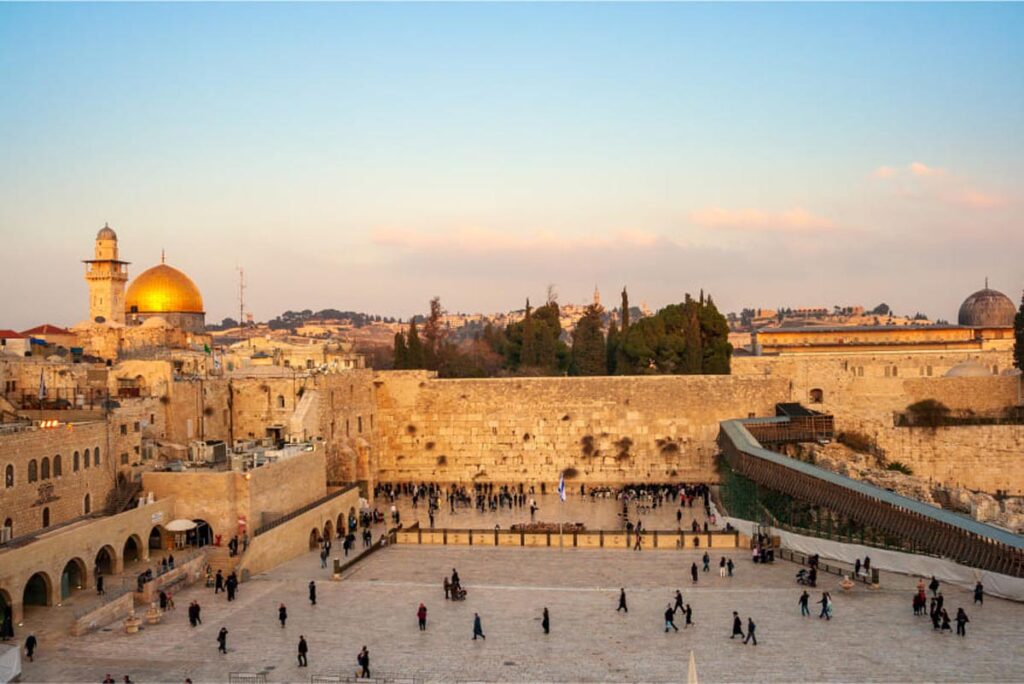
Ashamnu, Bagadnu—We Have Been Guilty, We Have Betrayed The Shemoneh Esrei is followed by a series of supplications and prayers for forgiveness that form a unit known as Tachanun. The following is a brief overview of Tachanun. “Ashamnu, Bagadnu—We Have Been Guilty, We Have Betrayed” The Tachanun begins with a “confession” of sin, including a […]
Tefillin (Phylacteries)
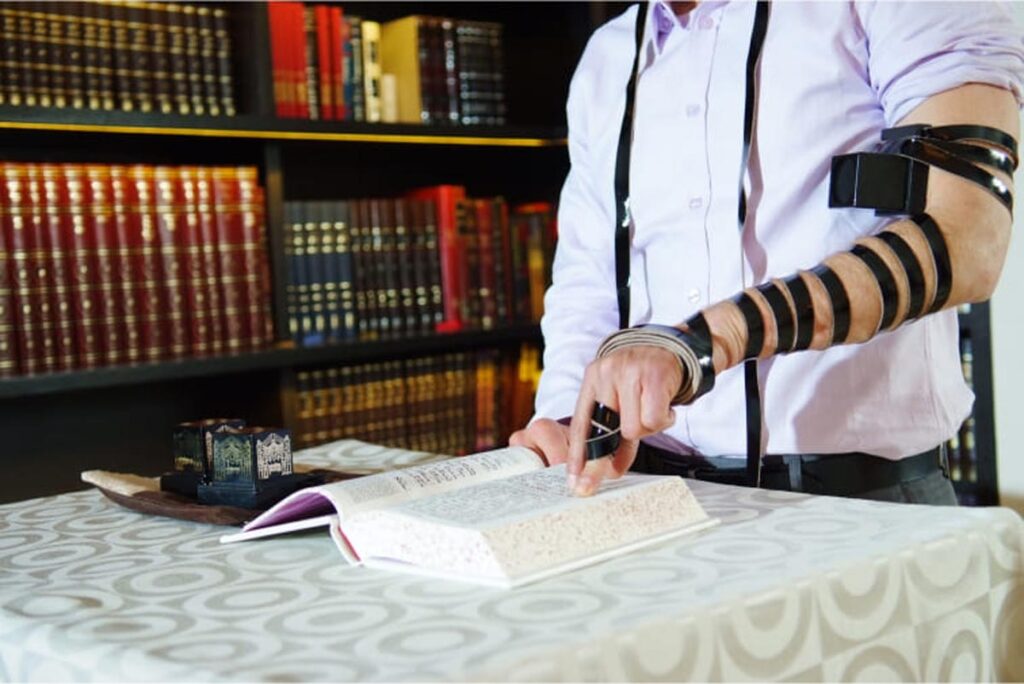
What is a Tefillin? Tefillin are sacred ritual objects that appear like black cubes attached to long straps. Tefillin are made of the hide of an animal and contain pieces of parchment inscribed with four paragraphs from the Bible. A set of tefillin consists of two separate units: the head tefillin (“shel rosh”) and the […]
The Beginning Of The Communal Prayers
Introduction “Hodu l’Hashem, kiru b’shmo—Praise G-d, call out in His Name” In the synagogue, the chazzan begins the communal prayer with Kaddish Derabannan, followed by the prayer of Hodu. Beginning with this paragraph, the chazzan leads the prayers, reciting the conclusion of each section aloud. When praying along with a congregation, one should pause after […]
The Blessings Of The Shema
Introduction The next section of the Shacharit service—the blessings of the Shema—begins with the special blessing known as Barchu. This brief blessing is recited only with a quorum of ten adult men and is part of the morning and evening prayer services. It is recited while standing. The chazzan leads the congregation by calling out, […]
The Chazzan’s Repetition
Introduction During a communal prayer, the chazzan repeats the Shemoneh Esrei aloud. The chazzan’s repetition of the Shemoneh Esrei was initially established in order to allow people who were unable to read and were unfamiliar with the words of the prayers to fulfill their obligation of prayer by hearing it from the chazzan. Before the […]
The Concluding Prayers
Ashrei We have already mentioned that the Ashrei prayer is recited three times daily. The special character and the content of this prayer are described at length in our section on the Shacharit service. At this point in the prayers, it is recited for the second time of the day. The third recitation takes place […]
The Maariv Service
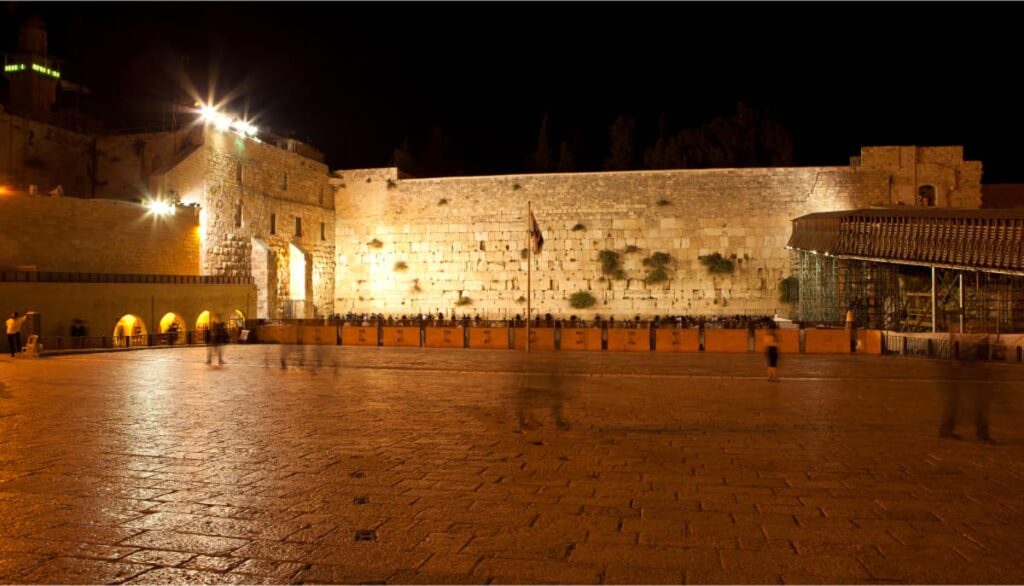
The time and preparation The Maariv service is also known as “Arvit.” It is the third and final prayer of the day and was composed by our patriarch Jacob. Its main components are the Shema and its blessings, and the Shemoneh Esrei. The Time for Maariv The time for the recitation of Maariv is anytime […]
The Minchah Service
Introduction The Minchah service is the second prayer of the day. It can take place any time from a half hour after midday until sunset. Jewish tradition teaches us that our patriarch Isaac instituted this prayer, and we associate it also with the daily sacrifice that was offered in the evening hours in the Temple, […]
The Order of the Shacharit Service
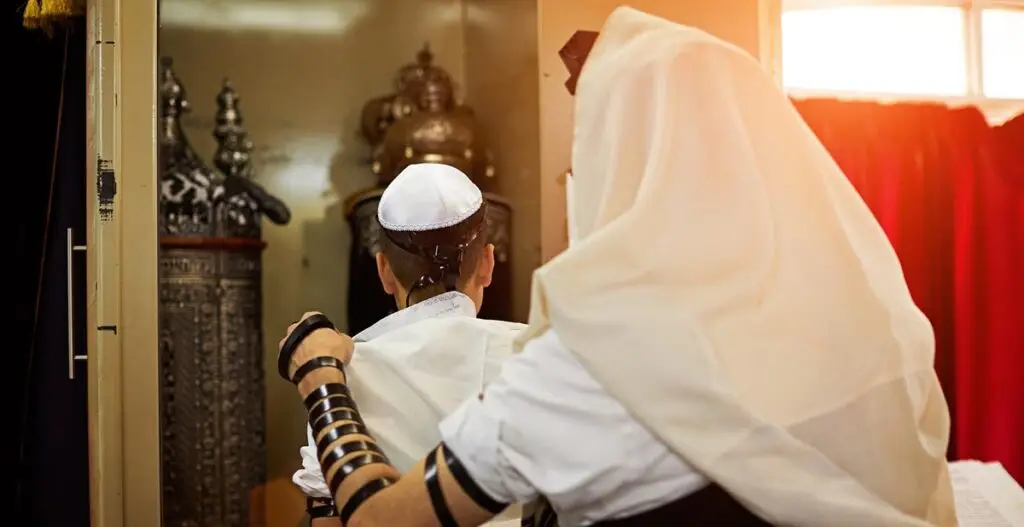
Opening paragraphs In this chapter, we will acquire some familiarity with the Shacharit prayers, learn how to conduct ourselves during every part of the service, and understand the meanings of the various portions of the prayers. The Shacharit service consists of a number of segments: Introductory paragraphs and the passages dealing with the sacrificial service […]
The Prayers
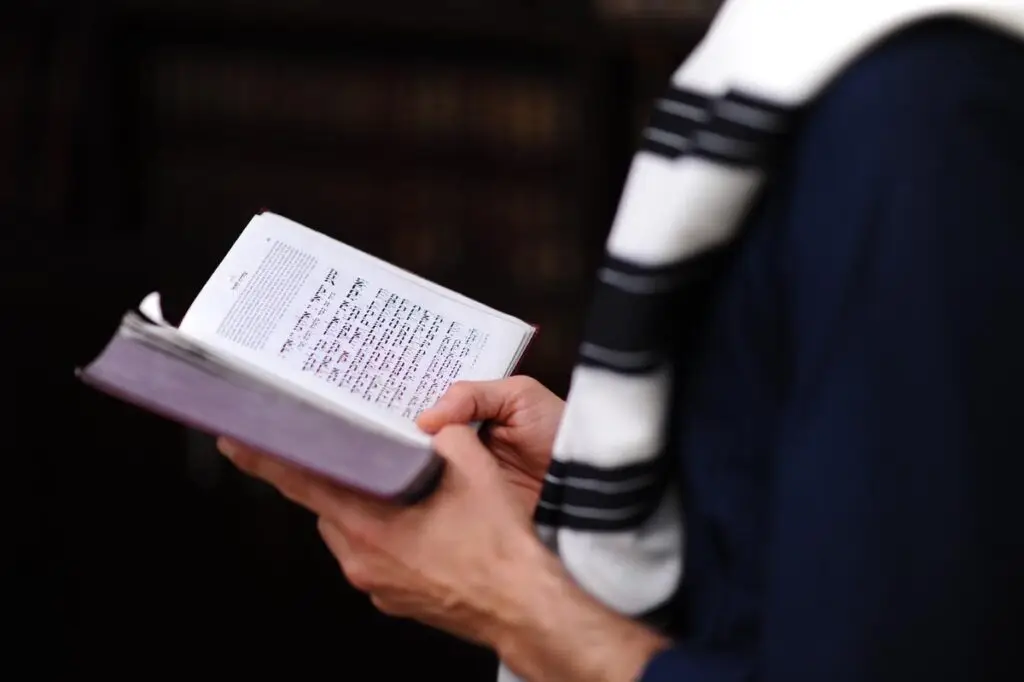
Defining prayer What does it mean to pray? Prayer (known in Hebrew as tefillah, and also referred to colloquially by the Yiddish term davening) is, quite simply, the experience in which a human being speaks to his Creator. Prayer can take many forms. Some prayers are spontaneous, while others are conducted on a fixed schedule. […]
The Recitation Of The Shema
Background One of the most important precepts of Judaism is the recitation of the Shema. There is a Biblical commandment to recite the Shema twice daily, in the morning and at night. Traditional sources teach us that we should recite the Shema as if it is the first time that we are reading it. It […]
Appendix: Time In Jewish Law
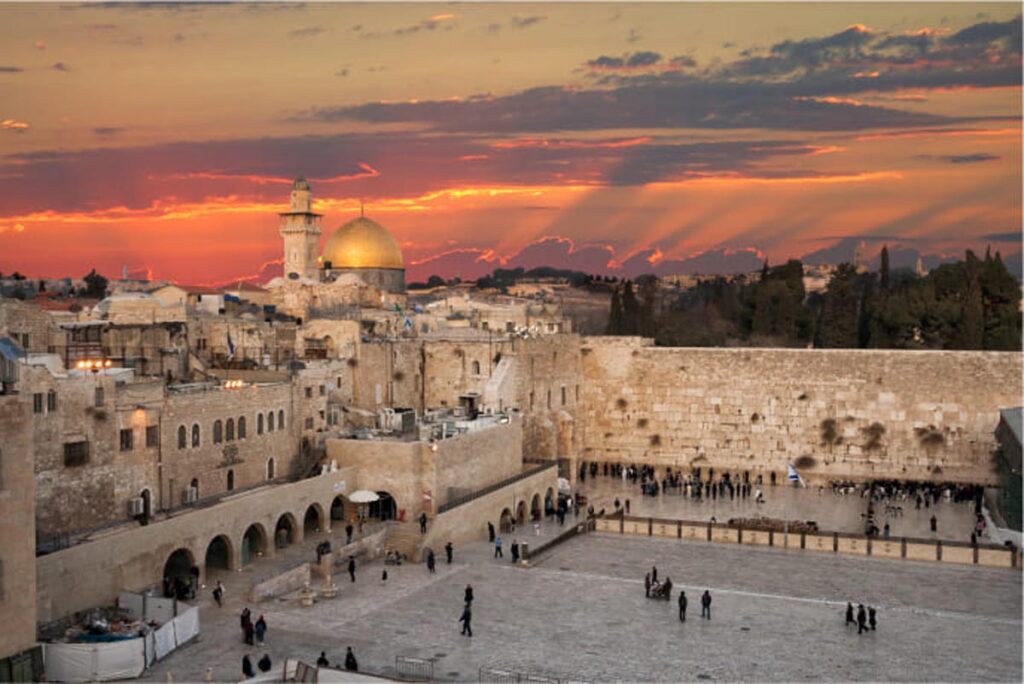
Background Time has a special significance in Judaism, since so many observances are associated with specific times. Let us take the recitation of the Shema as an example. The Torah commands us to recite the Shema both during the day and at night. How can we determine exactly when day begins and when night ends? […]
The Rosh Chodesh Prayers
Introduction Rosh Chodesh marks the beginning of the Hebrew month. Rosh Chodesh can be a single day, but it often is two days long. The first day of every Hebrew month is Rosh Chodesh, and whenever the preceding month was 30 days long (instead of 29), the last day of that month is also considered […]
Between Minchah And Maariv
Between Minchah And Maariv As we have already mentioned, in many synagogues, the Minchah service takes place immediately before sunset. In these situations, a brief break takes place after Minchah until the beginning of Maariv, which is recited at nightfall. Every individual should schedule a Torah study session during the time between the two prayer […]
The Sanctity of the Synagogue
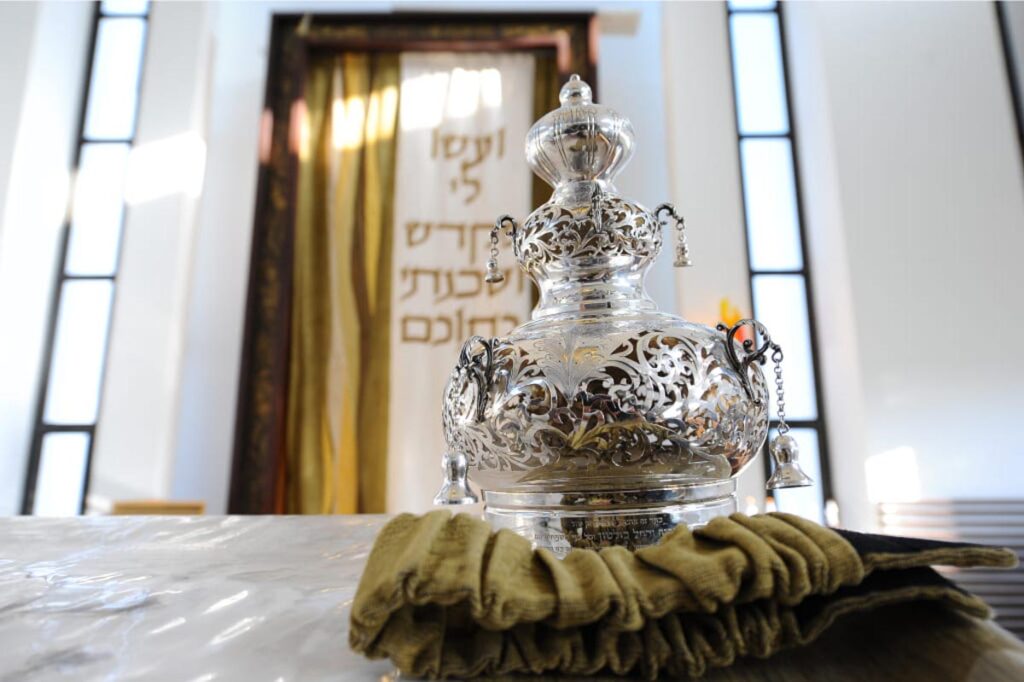
Introduction As we have learned, today’s synagogues serve as a substitute for the Temple that once stood in Jerusalem. It should come as no surprise, then, that every synagogue is considered to be imbued with sanctity. It is important to be aware of the basics of proper decorum in the synagogue in order to treat […]
Kaddish
Background The Kaddish is a prayer of particular significance in the world of Judaism. It is written in Aramaic and opens with the words “May His great Name be exalted and sanctified.” Kaddish may be recited only in the presence of a minyan—a group of ten Jewish men above the age of thirteen. The Kaddish […]
The Shacharit Service
The proper time The first—and longest—of the daily prayer services is the morning service, known as Shacharit According to Jewish law, one may recite the Shacharit service as early as the time known as alot hashachar (dawn), but it is preferable to wait until sunrise. (For a detailed description of these times, see Appendix to […]
Pesukei Dezimrah
Background Pesukei Dezimrah (literally, “Verses of Song”) is a selection of chapters from the Book of Psalms and additional verses whose theme is the praise of G-d. These passages are recited in a singsong tone. Pesukei Dezimrah is a fitting introduction to the main portion of the morning prayers—the Shema and its blessings and the […]
The Shemoneh Esrei
General background The Shemoneh Esrei prayer is considered both the backbone and the pinnacle of the prayer services. The text of the prayer was formulated by the Men of the Great Assembly during the era of the Second Temple. It is also known as the Amidah, the Hebrew word for “standing,” because it is required […]
The World of Blessings
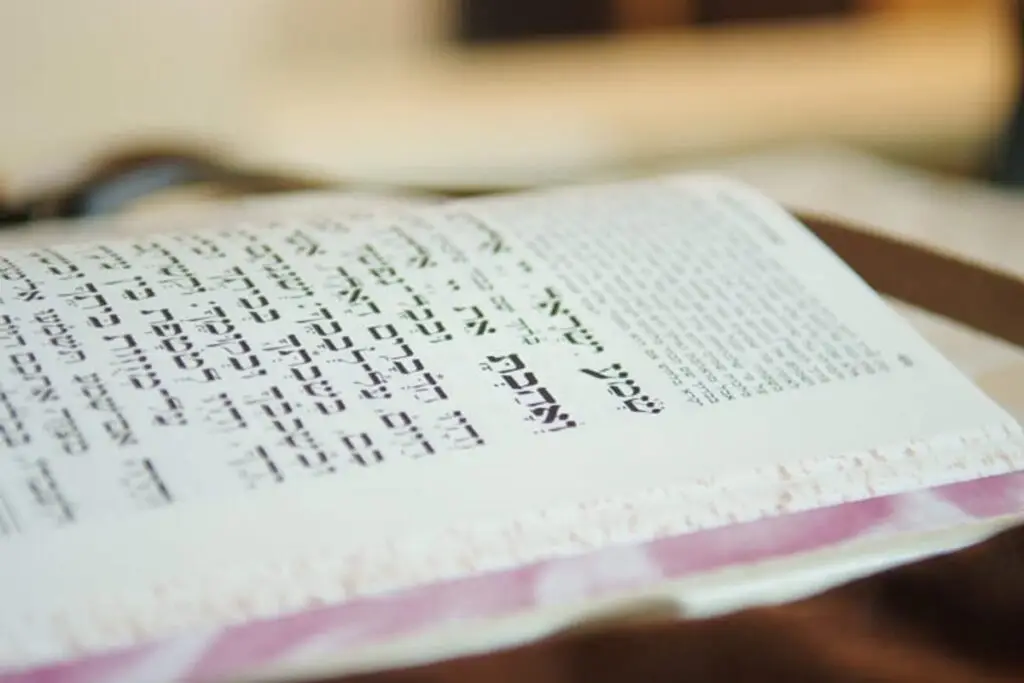
Introduction When someone gives us something, our natural reaction is to thank the person as an expression of our deep sense of gratitude. But if someone gives us the same thing every day, several times a day, our natural feelings of gratitude will be diminished, and we will no longer thank the person quite as […]
Torah Study
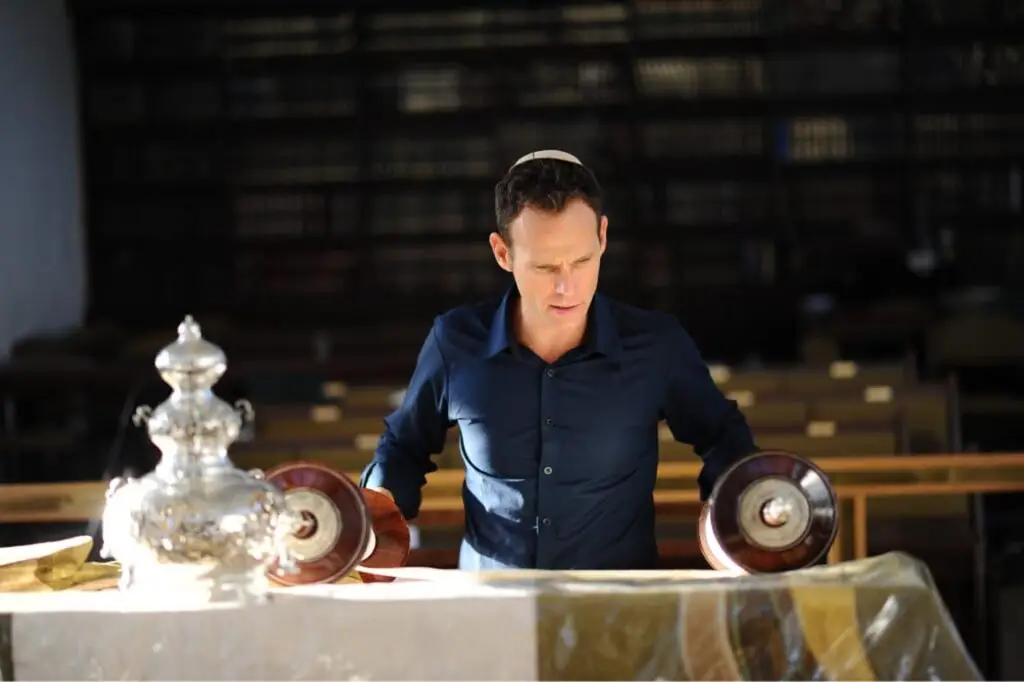
What Is the Torah? In its most literal sense, the word “Torah” refers to the five books that G-d gave to Moses on Mount Sinai: Genesis, Exodus, Leviticus, Numbers, and Deuteronomy. Nowadays, however, the word “Torah” is used to refer to all of the works that fill the bookshelves of religious Jews and Torah scholars […]
Travel Abroad

Background Are you flying somewhere for your work, or on a trip with your family? In some ways, the purpose of your trip makes no difference; you must always pack your clothes, your ID or passport, and anything else that you will be needing during the course of your trip. On long plane trips, as […]
Tzitzit
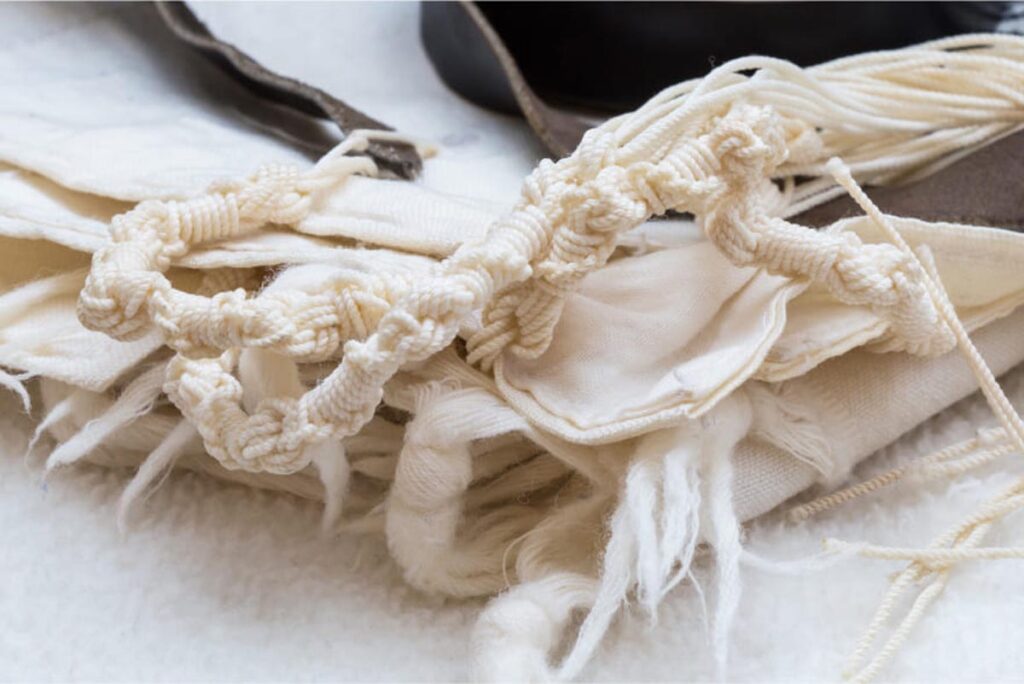
Introduction The term tzitzit refers to the woolen threads that G-d commands us, in the Torah, to tie on a four-cornered garment“. The rationale behind this commandment is explained in the Torah itself: “You shall see it [the tzitzit] and you shall remember all of G-d’s commandments, and you shall perform them, and you shall […]
Washing Hands in the Morning
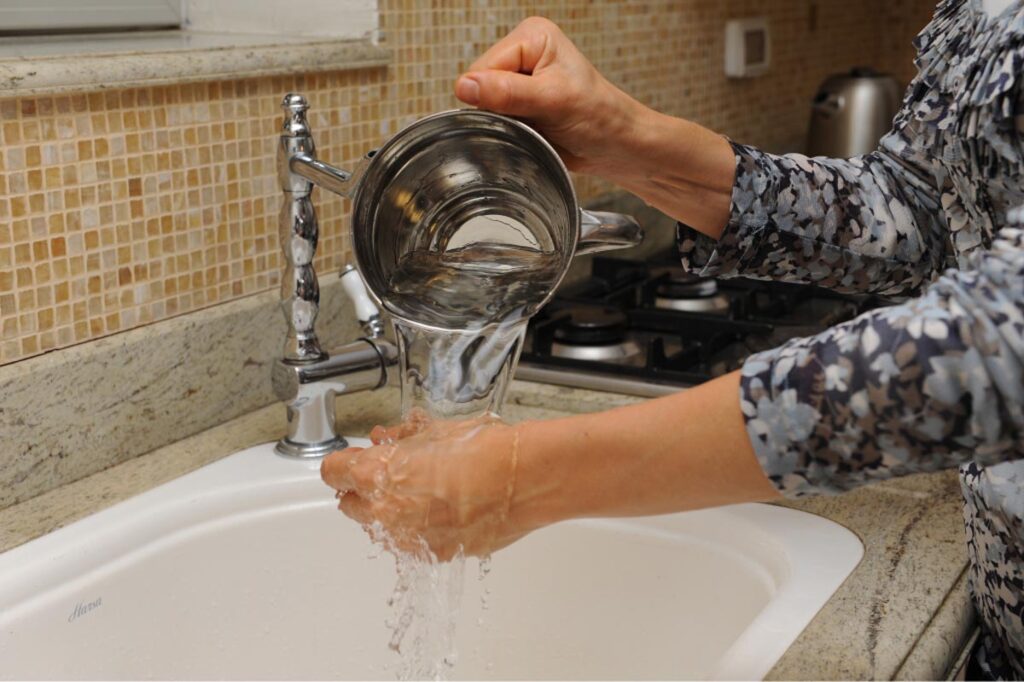
Introduction The next step after Modeh Ani is Netilat Yadayim, the ritual handwashing procedure. For Netilat Yadayim, we use a vessel to wash our hands. The vessel must contain a minimum of a reviit (86 ml) of water. The general practice is to use a large cup with two handles that can easily be passed […]
Nighttime

The Maariv Service When nighttime arrives, it is time to recite the third and final prayer service of the day: the Maariv service. Even though one can technically recite this prayer service at any hour of the night, one should do so at the beginning of the night in order to be certain that it […]
One Hundred Blessings
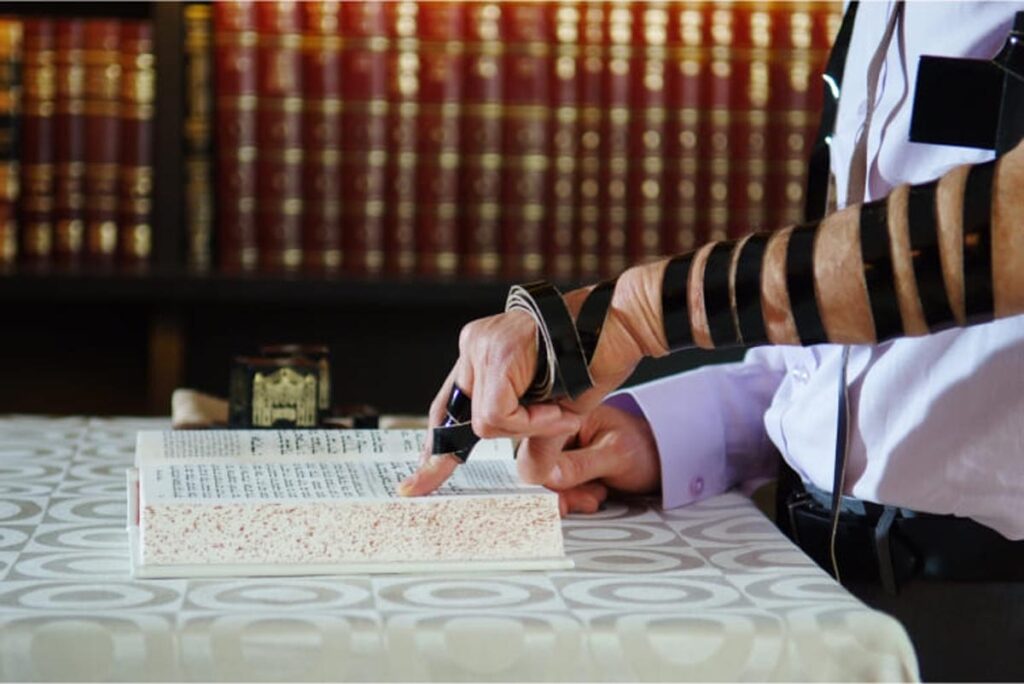
Introduction During the reign of King David, a devastating epidemic raged through the Jewish people, causing 100 deaths every day. The king, who possessed the spirit of prophecy, tried to ascertain why the nation had been subjected to such a harsh Heavenly punishment. It was prophetically revealed to him that the Jews had failed to […]
Tefillin (Phylacteries)
What is a Tefillin? Tefillin are sacred ritual objects that appear like black cubes attached to long straps. Tefillin are made of the hide of an animal and contain pieces of parchment inscribed with four paragraphs from the Bible. A set of tefillin consists of two separate units: the head tefillin (“shel rosh”) and the […]
Basic Morning Activities

Showering and Attending to Bodily Needs Judaism does not allow us to be “holy” only within the confines of the synagogue. Jewish law has something to say even about the way we conduct ourselves at home, and even about what we do while bathing and attending to our physical needs. After arising in the morning, […]
The Bedtime Shema

Introduction Officially, there are three prayer services that we recite every day of the week: Shacharit in the mornings, Minchah in the afternoons, and Maariv at nights. In addition to these three services, there is another brief prayer service that we recite before going to sleep for the night—the bedtime Shema. This prayer actually consists […]
Blessings of Praise
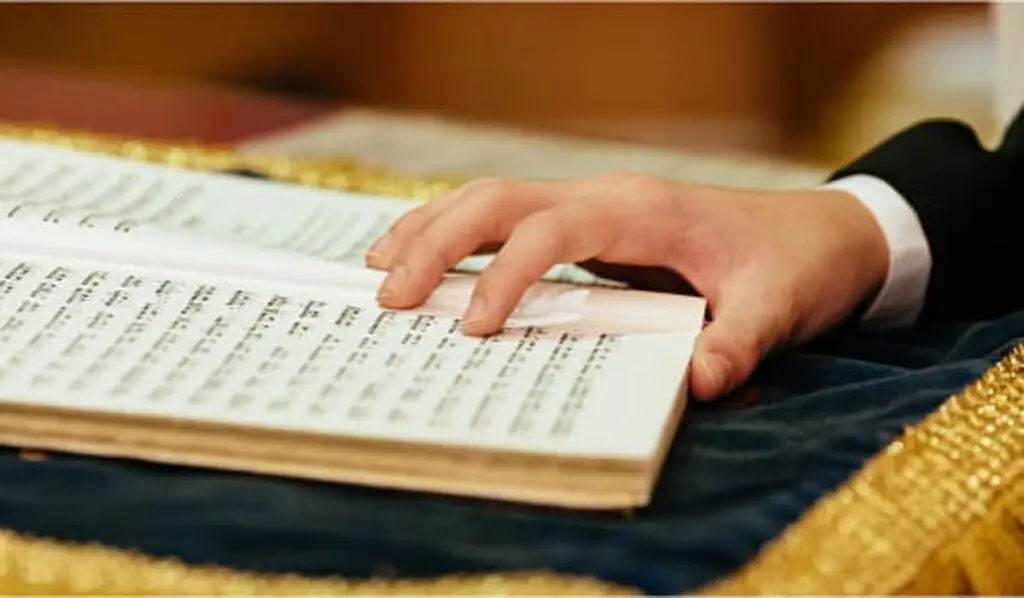
Shehecheyanu The blessing of shehecheyanu is a festive blessing recited over certain objects, events, or times that give us reason to thank G-d for keeping us alive and allowing us to experience them. We also recite the blessing of shehecheyanu when certain positive things happen to us, in order to express our gratitude to G-d. […]
The Blessings for Each Food
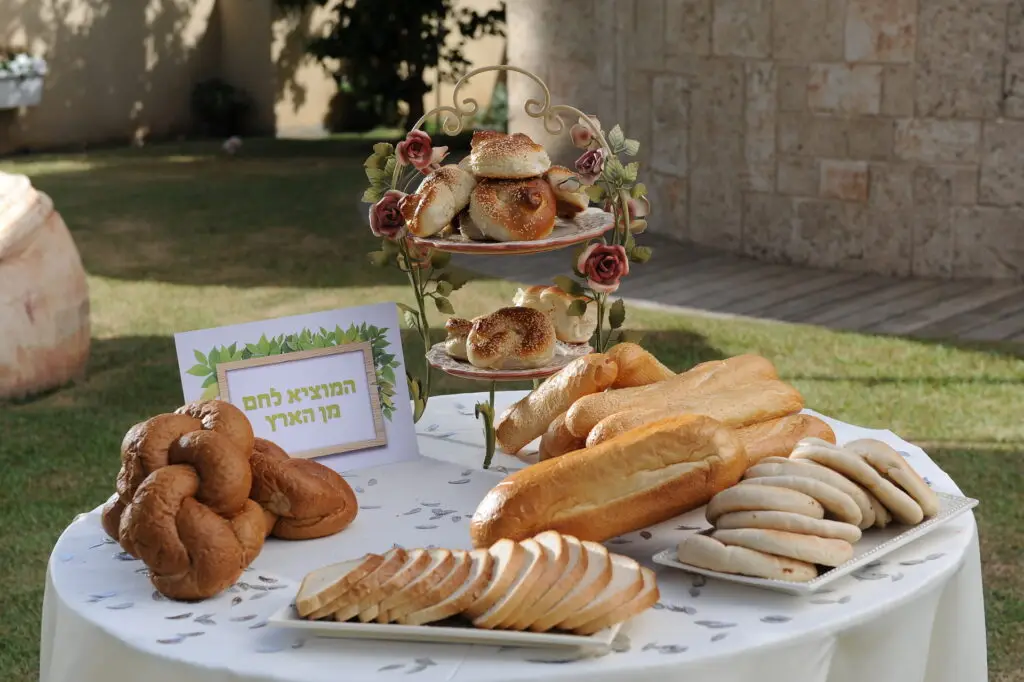
Food Items It is not always easy to determine the proper blessing for every food. Sometimes, it is difficult to remember whether a particular food is considered a vegetable or a fruit, whether it is made from one of the five species of grain, whether the manner of its preparation causes the appropriate blessing for […]
Blessings over Food and Drink
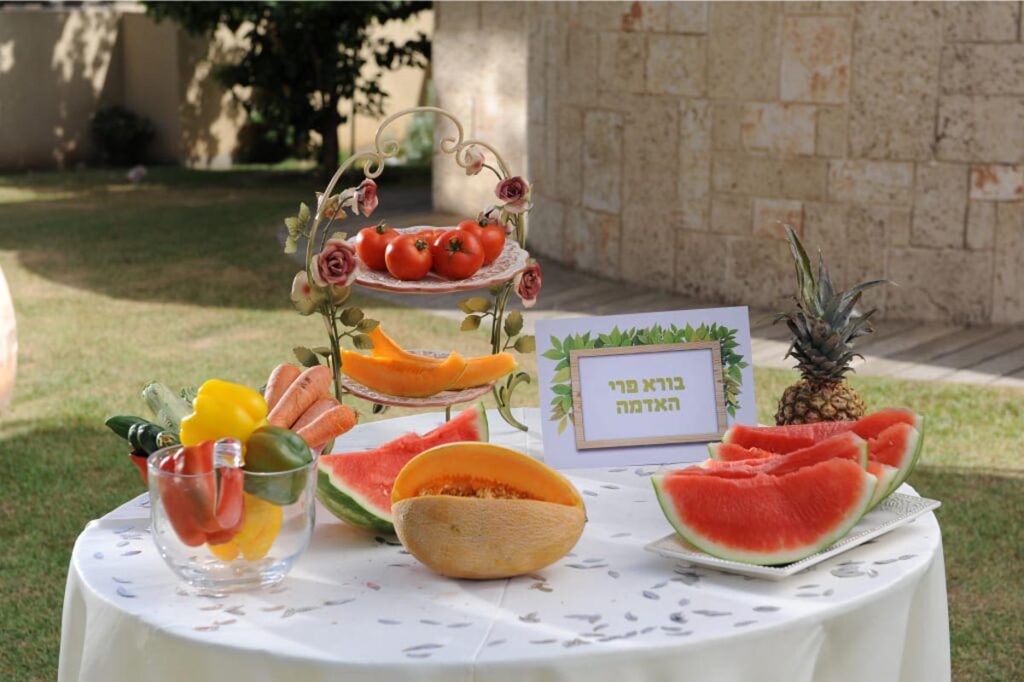
Introduction As we have already seen, we recite blessings on things from which our bodies benefit. Out of all the types of physical benefit and enjoyment that exist in the world, Jewish law accords a special status to the blessings recited over food and drink. As a whole, the blessings on physical enjoyment are associated […]
The Morning Blessings
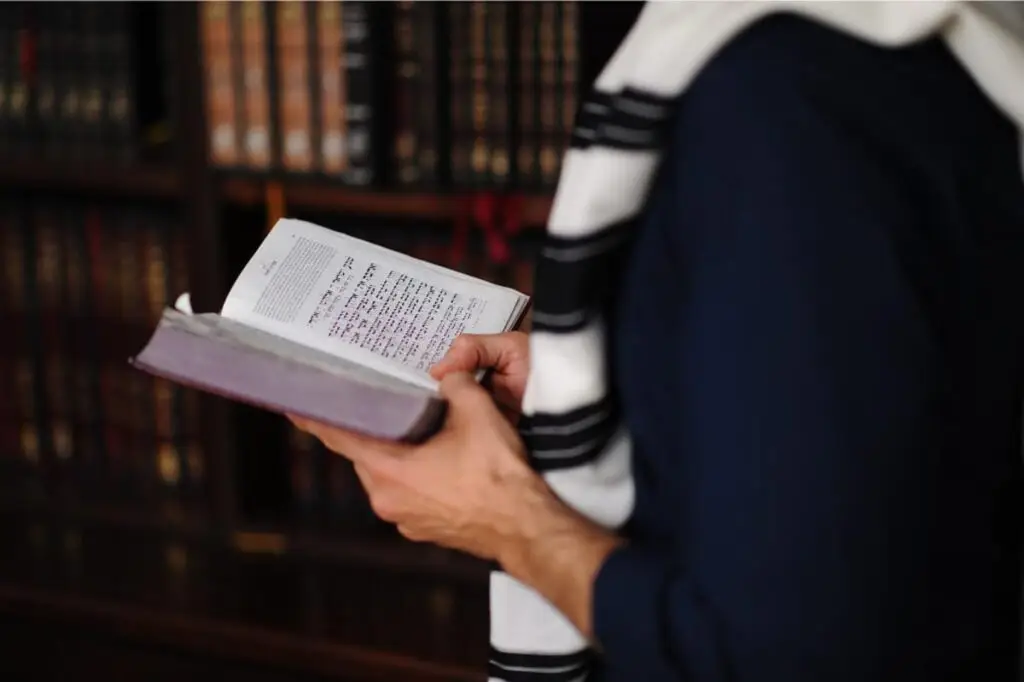
Introduction The Morning Blessings are a collection of blessings that our Sages required us to recite every morning. With these blessings, we thank G-d for all of the ordinary, “simple” things that He gives us every day anew. For instance, we thank Him for the fact that we have woken up in the morning, for […]
Blessings over Fragrances and Natural Wonders
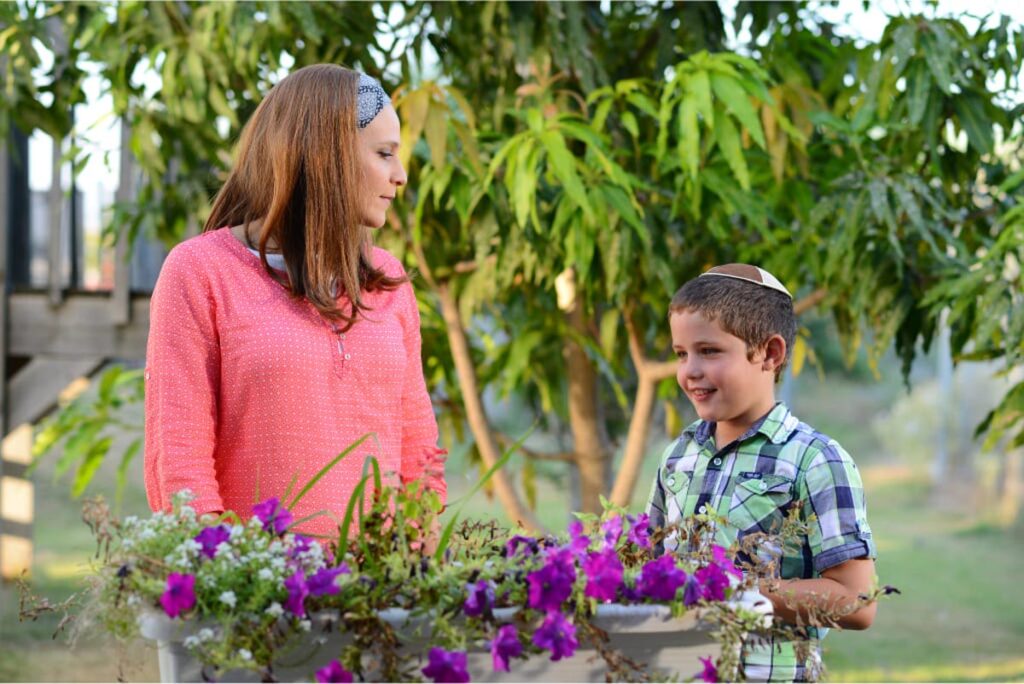
The Blessing on Pleasant Fragrances Before inhaling the aroma of any item that emits a pleasant fragrance, one should recite a blessing for the fragrance. There are several different blessings of this sort, and the appropriate blessing depends on the type of item. The blessing on fragrant herbs or grasses, such as mint leaves, is, […]
The Traveler’s Prayer

Introduction In previous generations, traveling out of the city was generally a very dangerous thing to do. Packs of wild animals and bands of robbers roamed freely on the roads, and traveling posed a genuine danger to one’s life. For people traveling on such roads, our Sages composed “the Traveler’s Prayer,” a special prayer that […]
Breakfast
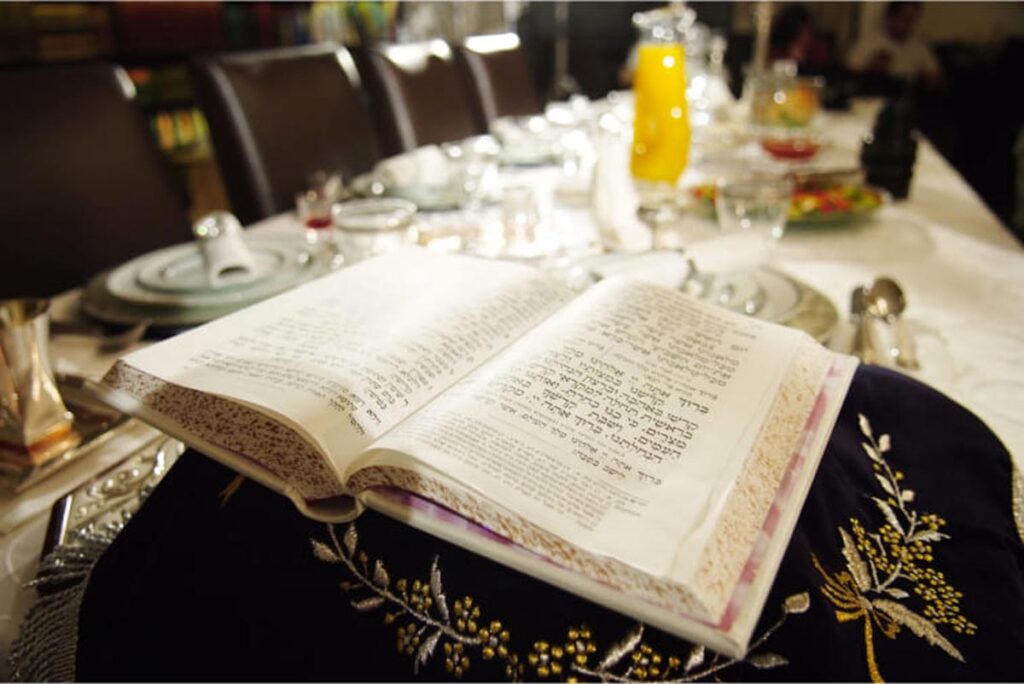
Introduction Breakfast is a meal of great nutritional importance. Jewish tradition also places great emphasis on having a proper breakfast—referred to in the Talmud as “morning bread.” Breakfast should be more than just a few bites of cereal; it should be a substantive meal, one which includes the consumption of bread. We use the term […]
Daily Mitzvot
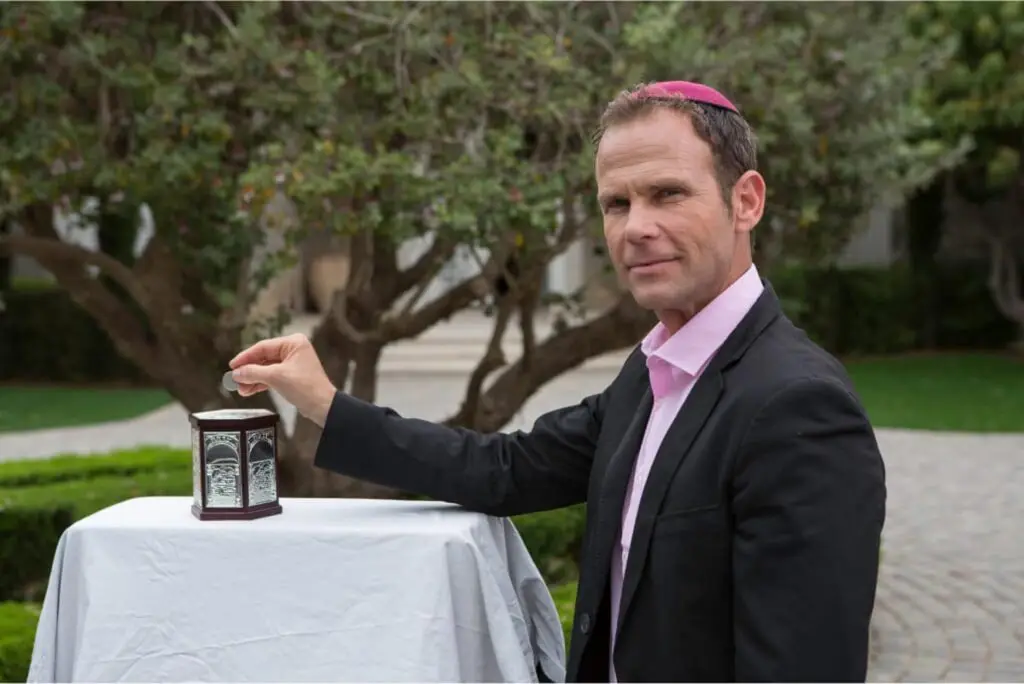
Introduction The Torah contains no fewer than 613 mitzvot (commandments), all of them given to us by G-d. These commandments consist of two categories: the 248 “positive” commandments and the 365 “negative” commandments. “Positive” commandments are those which require us to take some sort of action, such as putting on tefillin, giving tzedakah (charity), and […]
Going to Sleep

Introduction We have now concluded our preparations for going to sleep. We have recited the bedtime Shema, and we are prepared to retire for the night. The following are a few rules to keep in mind. Upon arising in the morning, it is forbidden to walk more than two meters before performing the Netilat Yadayim […]
Going to Work

Introduction We have concluded our discussion of the morning prayer service and the Jewish approach to breakfast and other meals. For most people, the next part of their daily routine is going to work. Judaism always has something to say to us, even when we are busy with things that seem to have nothing to […]
Good Morning
Introduction A new day has arrived. Every day brings with it many new beginnings and new opportunities. As Jews, we begin every new day in cleanliness and purity, with a special series of religious acts that help us start off the day on the “right foot.” Yehuda, the son of Teima, says: Be as bold […]
Grace After Meals
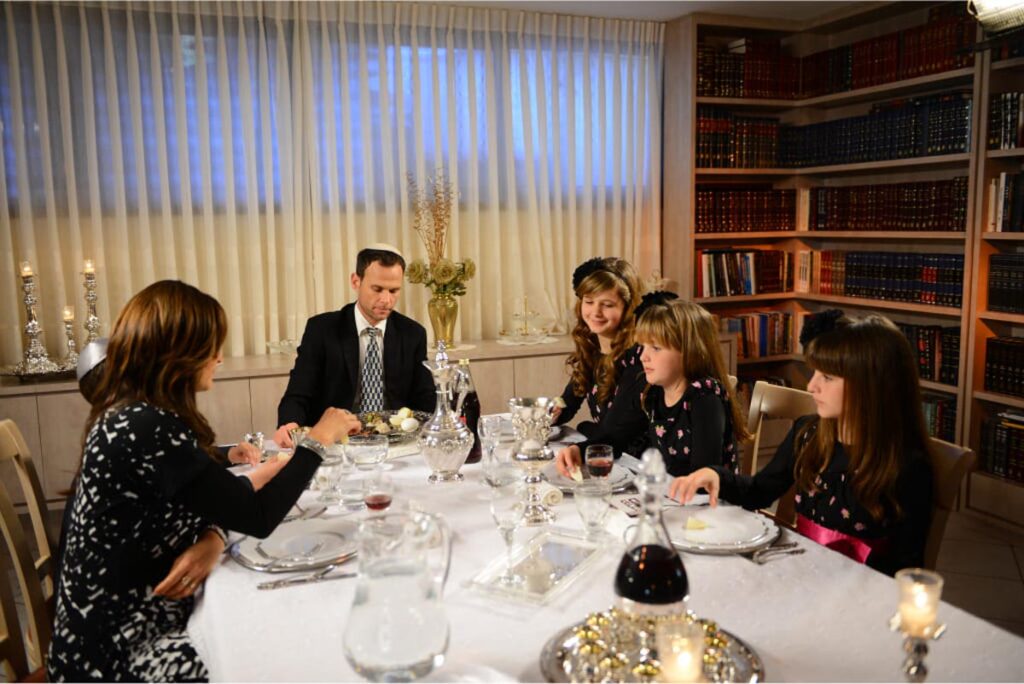
Introduction The Grace After Meals (in Hebrew, birkat hamazon) is a series of blessings that we are required to recite at the conclusion of a meal during which bread is eaten. The term birkat hamazon literally means “the blessing on sustenance,” and the term “sustenance” applies to bread, rather than any other food, since it […]
Guidelines for the Day

Afternoon A person who takes a nap during the day for at least a half hour must perform the Netilat Yadayim ritual, just as he does upon arising in the morning, pouring the water over each hand three times intermittently. In this case, no blessing is recited. Unlike at night, it is not necessary to […]
Introduction
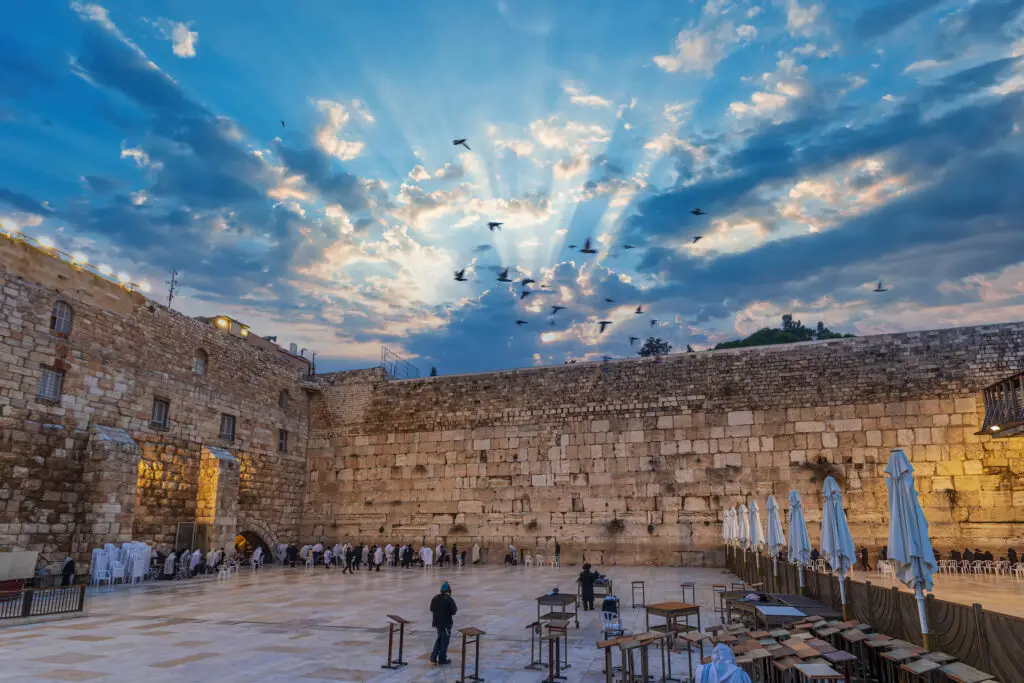
Background One of the most fundamental characteristics of the Jewish religion is that it has something to say about every moment of our lives. From the second we open our eyes in the morning until we close them at night, for every situation in which we find ourselves, we have a clear set of guidelines […]
Jewish Economics

Introduction Have you ever heard of a person who invested a fortune in opening a store, complete with the best possible interior design and the best quality merchandise on the market, and then simply failed to open in order to sell his wares? In all likelihood, this has never happened. At the same time, sometimes […]
The pillar of the home
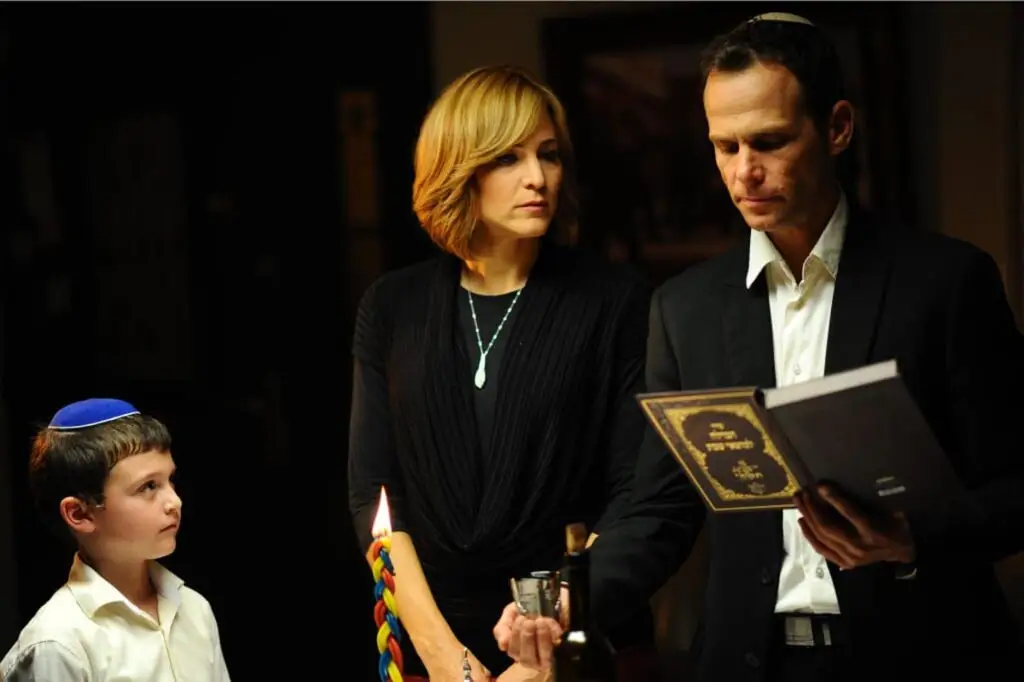
The pillar of the home One of the most essential aspects of a Jewish home – ensuring that the food in the kitchen is kosher – is entrusted to the woman. She, who spends hours in the kitchen preparing nourishment for her family, is thus charged with safeguarding the kosher observance of the home. Of […]
Things You Should Know

Is the water clean? The water in the mikveh is very clean. It is changed frequently and disinfected when needed. Mikvehs in Israel are under the supervision of the Ministry of Health which conducts inspections to evaluate the cleanliness of the facility and the number of bacteria in the water. True, some mikvehs, though not […]
Torah study through a woman’s lens

Torah study through a woman’s lens The ceremony of the Giving of the Torah took place on Mount Sinai before the entire Jewish people – men and women. And, when Moses taught the Torah that he received on Mount Sinai, he first instructed the women and only afterwards the men – not of his own […]
Family Purity
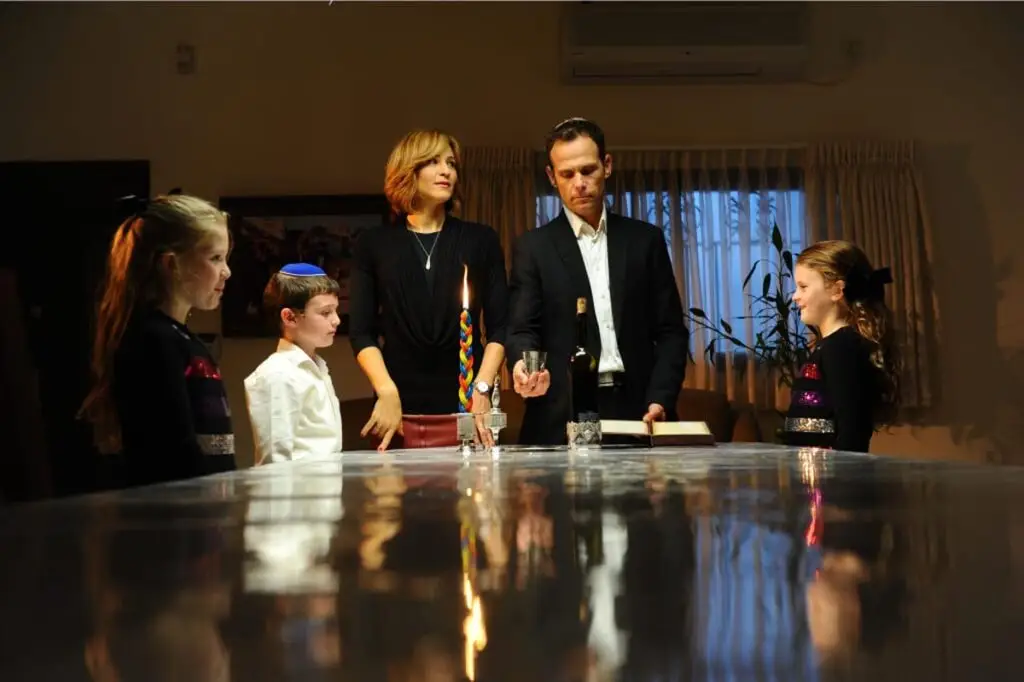
What is Family Purity? “Family Purity” refers to God’s framework for Jewish practice regarding a woman’s menstrual cycle and intimate relationship with her husband. Conducting family life in this way is at the very heart of the Jewish family experience. In short: One of the husband’s obligations to his wife (he commits to the obligation […]
Introduction
Introduction The article you are in is small but is of great importance as a guide for the Jewish woman. It is a single volume, the one and only volume of Yahaduton that is intended for you – while many have been prepared for the opposite sex. And no, this is not (only…) because men […]
Lighting Shabbat Candles
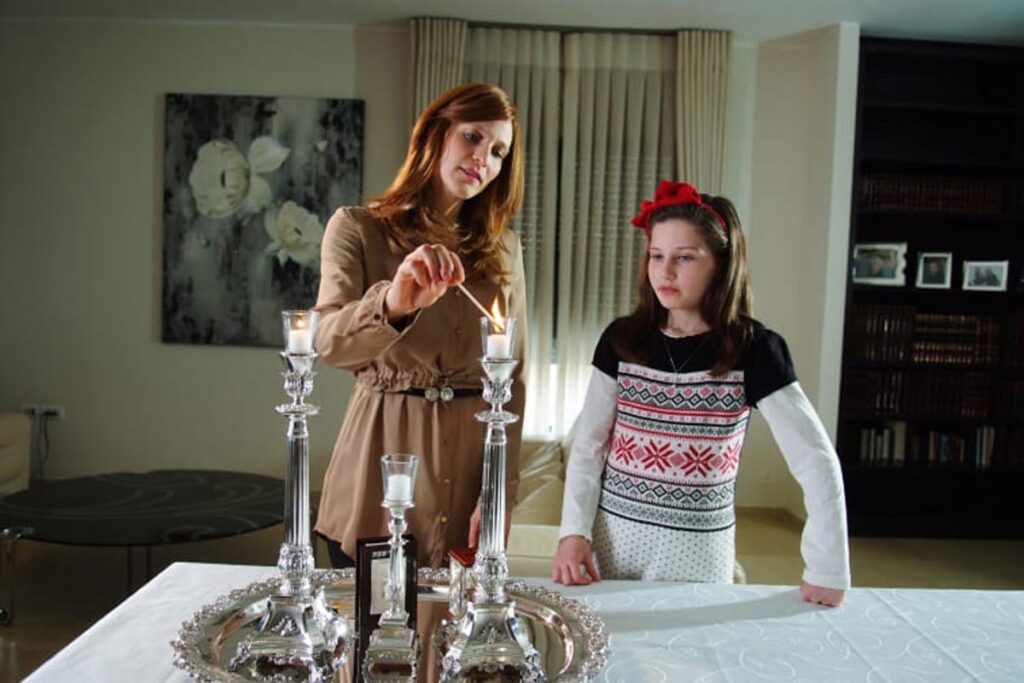
What is it? The sages instructed us to light Shabbat candles as one of the mitzvahs that must be done before Shabbat begins. Shabbat preparations are complete, the food is ready and waiting, the house is clean, everything is neat and tidy. The family is showered and fresh, beaming in their Shabbat clothes, the time […]
Modesty
Modesty The concept of “modesty” drives one of the greatest myths about Judaism’s approach to women. Many people assume that women who dress and behave in the spirit of Judaism should be pitied. “How tragic that they cannot express their femininity.” But is that really the case? As a concept, modesty both broad and comprehensive, […]
Prayer through a woman’s lens
Daily prayer Prayer, the moment when man turns to his Creator, is an integral part of Jewish life. And as such, it is an integral part of a Jewish woman’s life. Any time you have a free moment, you may turn to your Father in Heaven and speak to Him from your heart. It is […]