








Identity
Nisan is the seventh month in the Hebrew calendar that begins with the month of Tishrei, and it has 30 days. “Nisan” translated to Hebrew means bud, which blooms in the spring. Nisan is also from the term miracle, suitable for the month in which miracles were performed for the people of Israel.
In the Bible, Nisan is referred to as the “first month” or “head of the months”, as it is the month in which the Israelites were freed from their Egyptian exile. Due to the importance of this pivotal event in the history of the people of Israel, Nisan is given the status of the “first month”. Another name for it that appears in the Bible is “the month of the spring”, as Nisan always falls in the spring season.
There is an opinion in the Talmud according to which the world was created in the month of Nisan and not in the month of Tishrei.
Nisan is also the month in which the redemption will occur: “In Nisan they were redeemed (from Egypt), and in Nisan they are destined to be redeemed”.
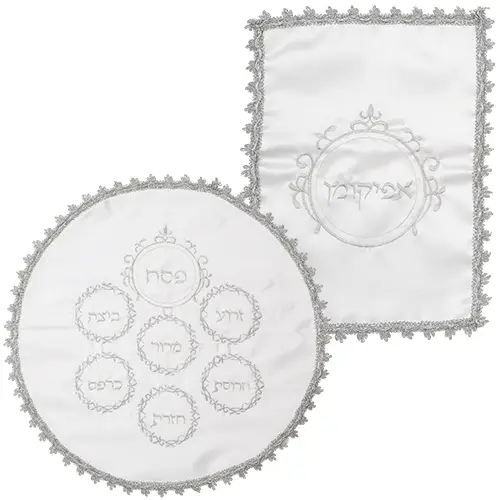
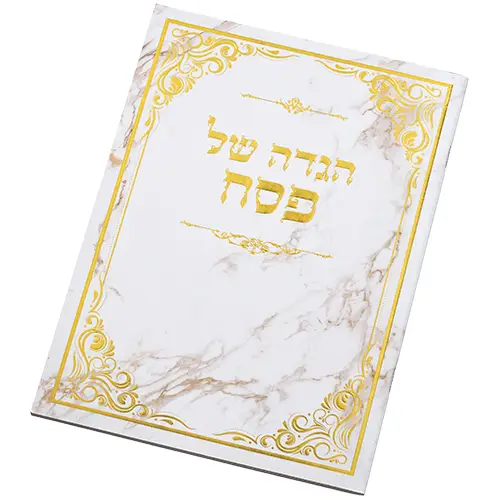
Nisan is the month in which Passover falls, and during which we start to count the “Counting of the Omer”.
Customs of the Month of Nisan
- Throughout the month, we do not say the ‘Tachanun’ portions in prayer, as most days of the month of Nisan are special days or holidays. (For an explanation of the term ‘Tachanun’, see the booklet ‘Yahaduton – The Synagogue and Prayers’).
- Immediately after the holiday of Purim, we should start learning the laws of Passover.
- In order for us to have an appetite to eat matzah on the first night of the holiday (“Leil HaSeder”), we do not eat matzah of any kind during the 30 days before Passover.
- After the Exodus from Egypt, when the children of Israel were in the desert, the tribe leaders brought special sacrifices at the beginning of the month of Nisan, one after the other each on his day, from the 1st of the month until the 12th of the month, in honor of the establishment of the “Mishkan” (a grand wooden structure where the sanctity of God resided and where sacrifices were made in his honor). Since these were festive days, we still commemorate them today. The verses of the “Parashat HaNesi’im” can be found in the Siddur (prayer book).
After the morning prayer, every day – from the first day of the month until the 13th of Nisan – the “Nasi” verse of that day should be said, in which the description of the sacrifice that the tribal leader brought on that day is described, and after them (except on the last day) a short prayer – “Yehi Ratzon”, which is also printed in the Siddur.
‘Kimcha d’Pischa’
‘Kimcha d’Pischa’ is an Aramaic expression meaning ‘flour of (the holiday of) Passover’. In Hebrew, it is commonly called “Maot Chittim”. This term represents an ancient custom to give money or food supplies to the needy before Passover. For this purpose, special collections were arranged in Jewish communities during the month between Purim and Passover.
This custom exists to this day, and in addition to traditional Matzah baking in synagogues, associations and volunteer organizations join the effort. They prepare food packages and distribute them to the needy ahead of the holiday. Everyone should strive to donate “wheat money” in their city of residence. Thanks to this, the poor and needy can celebrate Passover according to its law.
Blessing of the Trees
Once a year, during the month of Nissan, it is customary to bless God for the beautiful trees He created in nature. The blessing should be said when standing near fruit trees that have already reached the budding season and have already bloomed, but the fruit has not yet grown.
The wording of the blessing: “Blessed are you, Lord our God, king of the universe, who did not lack anything in His world, and created good creatures and good trees in it for people to enjoy.”


