








Background
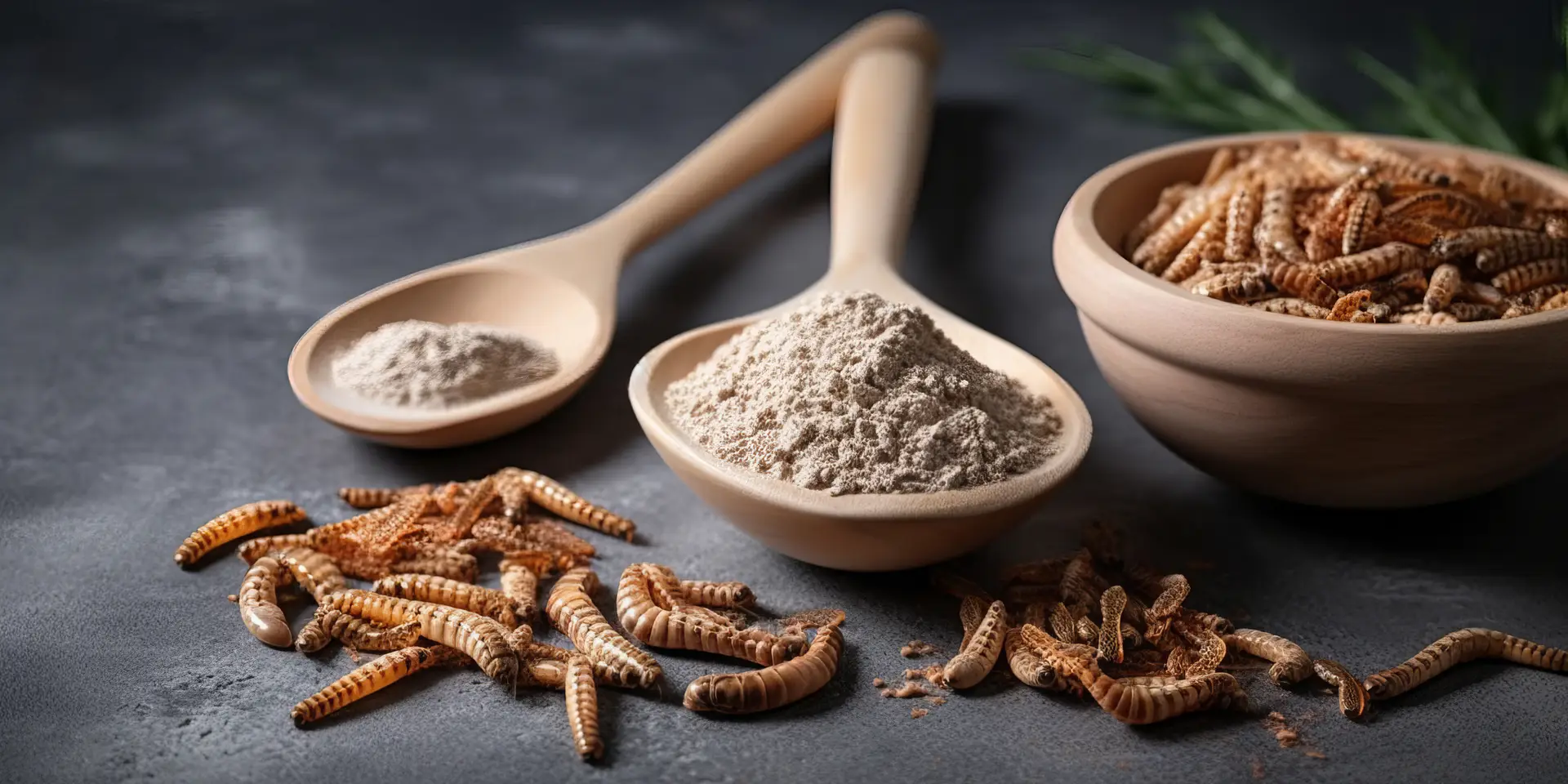
As we mentioned in the previous chapter, it is forbidden to eat the vast majority of the world of crawling creatures, amphibians, insects, and worms, of all their types and kinds. The Torah divides them into three main groups:
Those in water, for example: worms found in the stomach of fish, lice found on fish skin, and the like.
Those on land, for example: ants, worms found in fruits and vegetables, lice living on the peels of citrus fruits, and the like.
Those in the air, for example: flies, mosquitoes, bees, and the like.
To most readers, these “foods” are not appetizing, to put it mildly, but the prohibition of eating worms is still very relevant today, as they ‘roam around’ inside many food products we buy: vegetables, fruits, fish, flour, etc. We need to check the products properly before eating, and take precautions to avoid consuming forbidden foods, even if it was done inadvertently – unintentionally.
- The prohibition is on insects or worms that can be seen with the naked eye, and there is no need for technological means (like a microscope and the like) to distinguish them. So, if we notice a black spot, for example, and through a magnifying glass we can see that it is a living creature – the affected food is forbidden (because we managed to notice that black spot with our naked eye).
Important to know!
The prohibition of eating crawling creatures, worms, and the like, is much more severe than transgressions we consider as a ‘red line’. Eating a crawling creature, for example, is six times more severe than eating pork!
In Vegetables and Fruits
Today, as we usually buy our fruits and vegetables at the vegetable store, or at the neighborhood grocery store and the like, we don’t have to worry about finding worms that exist in the fruit from the time of growth, because the goods in the store usually come from commercial growers who spray their crops – which prevents pests from reaching the crops during their growth.
However, sometimes fruits or vegetables remain for a long period after harvesting in improper storage conditions, and they become infested. Even though these insects are permitted – we still fear that they may have come out of the fruit in which they developed and returned to it, and then they are forbidden to eat.
Therefore, we should check fruits and vegetables that we suspect may have worms and the like. For example, if we see a small hole or an unusual black spot.
Indeed, a person who grows fruits and vegetables in his home yard, which do not undergo professional treatment processes, will have to thoroughly check himself for susceptible vegetables, such as leafy vegetables, figs, wild strawberries, and more.
- There are types of fruits and vegetables that are likely to be a preferred place for insects, such as leafy vegetables in which insects are much more common, one should not eat them before checking. And since checking and cleaning them are not always simple, it is recommended to consume leafy vegetables grown by the method called ‘Gush Katif’ – cultivation that takes place in sealed greenhouses that prevent any possibility of insect existence. However, even those grown in this method need rinsing with a stream of water before use because sometimes different insects stick to them after growth, and these come off with the flow of water.
- Want to know how to check fruits or vegetables if they have worms or insects? It is advisable to consult with a rabbi who specializes in the subject, each case on its own.
Question: I made a vegetable salad and accidentally added green onion that wasn’t checked for insects, am I allowed to eat the salad?
Answer: You should check what is left from that package. If it is infested – you should not eat the salad. If possible, also check the onion you put in the salad (for example, if you have not yet mixed it). However, if it is not possible to check and it is a vegetable that is presumed to be infested (like the green onion in question), you should not eat the salad.
In Fish
There are different types of worms that stick to certain fish when they are in the water or in the fish pond. These worms are forbidden to eat, so one must check the fish before eating it and clean it from worms.
Also in fish, as in fruits and vegetables, there are those who are more favored by worms (like carps), and they need a more thorough check than other fish.
Therefore, if you want to buy kosher fish, you must make sure to buy fresh fish only from a place with a good kashrut certificate, or alternatively frozen fish that has a good kashrut stamp, and then someone else has already done the check for you…
In Flour
The flour we use at home, goes a long way before it reaches our kitchen. Already in the process of its production and packaging, it goes through a long and winding pipe – a place that is a fertile ground for various types of worms.
The flour indeed undergoes a sifting process before it enters the flour packages that we buy in the store, but improper storage of the packages, or high humidity in the place where they are located, can cause worms and insects to develop in the flour between the product sifting and its private use at home.
Therefore, even if you bought sifted flour in a package, you need to sift it again before using it.
Even if you yourself have sifted the flour and have not used it within 24 hours, you need to sift it again before use. Unless you have stored it in refrigeration, then you can use it for up to a week without sifting. If you put it in the freezer – you can use it whenever you want, without a time limit.
- Bought a package of flour and won’t use it so quickly? It is worth keeping it in the freezer. The cold prevents the development of insects.
Sifting the flour
To sift flour, you first need a good sieve that knows how to do the job. If the worms also pass through it, what have we gained?
Question: Which sieve is the best for sifting flour?
Answer: The best sieve is the one called a silk sieve.
The most significant thing in any sieve is the size of the holes in it.
In other words, and in professional language, we check how many holes there are per ‘inch’ (about 2.5 cm square) – what is called ‘mesh’. This means that a sieve with 50 holes per inch is called a ’50 mesh’.
The sieve that is sufficient for sifting flour is the sieve with 50 mesh. Although, the denser the sieve, the sifting will be better and of higher quality. And if we’re talking about sifting that we want to keep for a long time, it’s already a necessity. In a 40 mesh sieve, there are relatively large holes that allow very small worms (which do not prohibit the flour from eating due to their tiny size) and their eggs to penetrate inside – which will probably develop in the future into prohibited worms.
How to sift flour?
- It’s mandatory to clean the sieve thoroughly before reusing it.
- A sample check is not sufficient when sifting flour. You must check all the flour you intend to use.
- Be careful not to let unsifted flour fall into the sifted flour. This can happen while shaking the sieve.
- If a baked item was made from flour that wasn’t sifted – if there’s some of that flour left, you should check it to see if it has bugs. If bugs are found, it’s better to avoid eating the baked item. If no flour is left at all, since flour generally doesn’t contain bugs and isn’t considered contaminated, it’s allowed to eat the baked item.
- Nowadays, you can buy an electric sieve: very convenient to use, does the job efficiently and does not allow unsifted flour to penetrate.
Did you know? Bugs also sometimes appear in rice. Therefore, before you cook the rice, you should thoroughly check one by one that they do not contain bugs. The bugs in rice look very much like the rice itself, so it’s important to do this diligently.


