








What is ‘Pesach Sheni’?
During the time the Temple stood, every member of the people of Israel was obliged to participate in offering the ‘Paschal Sacrifice’ on the 14th of Nissan. Anyone who could not bring the sacrifice on that day – because he was ‘ritually impure’ or because he was far from Jerusalem – was given another chance to bring the ‘Paschal Sacrifice’ a month later – on the 14th of Iyar. This day is known as ‘Pesach Sheni’ or ‘Second Passover’.
What is done on ‘Pesach Sheni’?
- We do not recite ‘Tachanun’: Today, when the Temple does not exist, we mark the 14th of Iyar as a day of joy, and we do not recite the ‘Tachanun’ sections during the prayers.
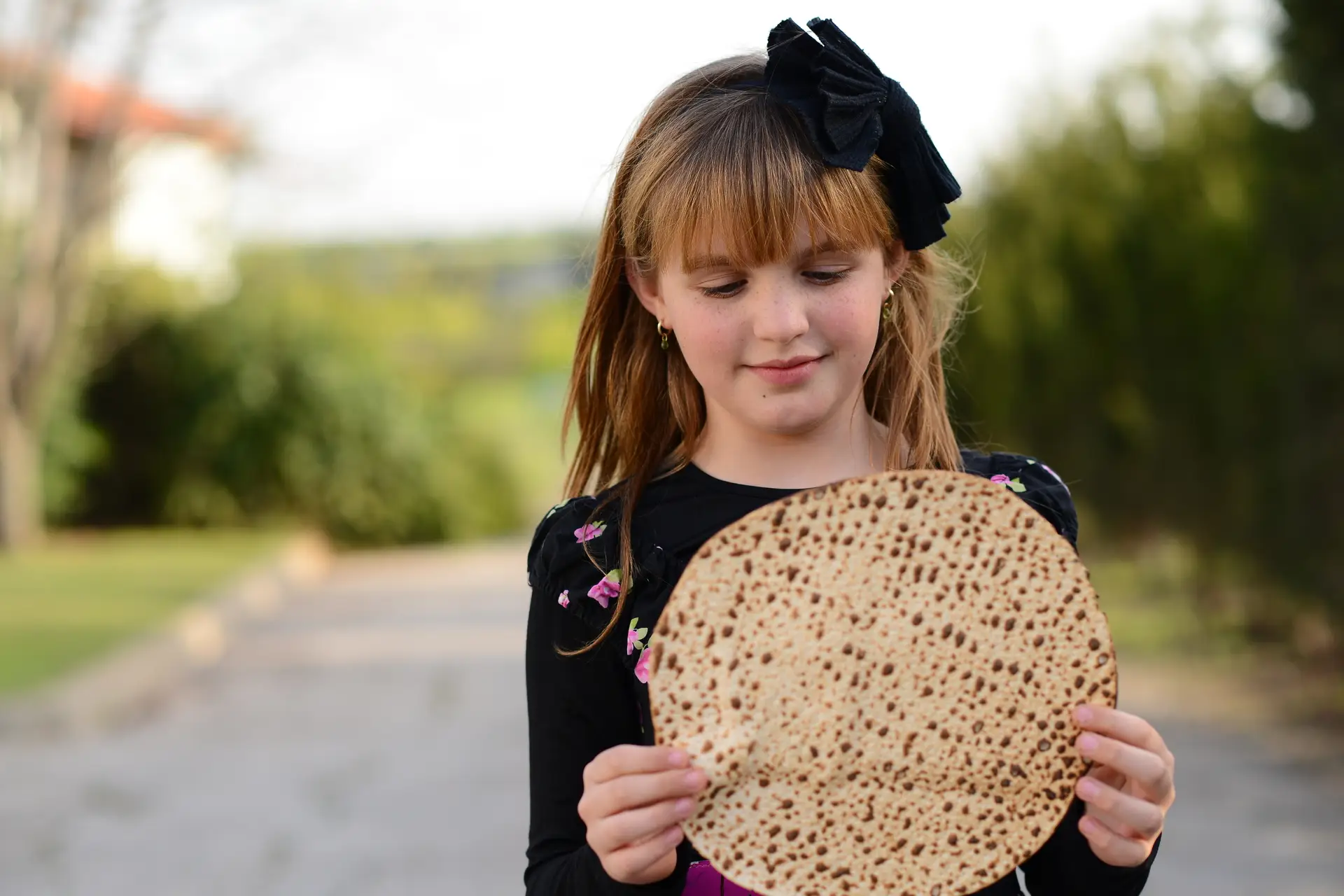
- Eating Matzah: It is customary to eat matzah on this day, but there is no prohibition against eating leavened bread (chametz).
Always Possible to Correct
‘Pesach Sheni’ teaches us an important and encouraging lesson: Nothing is lost – it is always possible to correct!
In the context of our times, it can be interpreted and said that even if a person feels ‘impure’ because of sins or undesired actions, even if he feels ‘distant’ from Torah and from the commandments of Judaism, and even if this is because he deliberately chose not to fulfill them – his situation is not ‘lost’, and he is always given the opportunity and practical ability to return and get closer to God again.


