











Shehecheyanu
The blessing of shehecheyanu is a festive blessing recited over certain objects, events, or times that give us reason to thank G-d for keeping us alive and allowing us to experience them. We also recite the blessing of shehecheyanu when certain positive things happen to us, in order to express our gratitude to G-d.
- The words of the blessing are: “Blessed are You … Who has kept us alive, sustained us, and brought us to this time.”
The following are a few of the occasions that warrant the recitation of this blessing:
-
- At the beginning of every holiday (Passover, Shavuot, Rosh Hashanah, etc.).
- Women bless when they light the candles at the beginning of the holiday, and men after Kiddush.
- The first time every year when we observe a mitzvah that is not part of our regular routine (such as eating matzah on Passover, lighting the Chanukah candles, and so forth).
- Before eating a new fruit that has just come into season.
- Upon purchasing a new garment of importance, such as a new suit or a luxury coat. If a person fails to recite the blessing at the time of the garment’s purchase, it should be recited when it is first worn.
- Upon moving to a new home.
- After the birth of a daughter.
Hatov ve’hameitiv
The blessing, “Blessed are You … Who is good and bestows good,” is recited on any occasion that gives rise to joy that is shared with others–for instance, after the birth of a child, when both parents rejoice, or at a festive meal when an unusually fine wine is served.
Dayan Ha’emet
There is another blessing, “Blessed are You … the Judge of truth,” which is recited upon receiving unhappy tidings. Nowadays, it is recited primarily when one learns of the death of a friend or family member.
Hagomel
The blessing of hagomel is recited by individuals who must give thanks to G-d for saving them from a life-threatening danger. The original Rabbinic enactment called for this blessing to be recited in any of the following four cases, all of which were, at the time, situations that placed a person in mortal danger:
-
- By a person who was released from imprisonment
- By a person who was cured from an illness
- By a person who traveled across the sea
- By a person who traversed a desert
An allusion to these four cases can be found in the phrase we recite in the Shemoneh Esrei prayer, “All living things will give thanks to You forever.” The word chayim, “living things,” is spelled chet yud yud mem, letters which form an acronym for the four words that represent these cases: choleh (an ill person), yam (sea), yisurim (imprisonment—literally, “suffering”), and midbar (desert).
Nowadays, this blessing is recited by any person who has experienced a potentially life-threatening situation, such as a person who has taken an airplane trip, a woman who has given birth, and so forth.
- The blessing should be recited only in the presence of ten Jewish males over the age of 13.
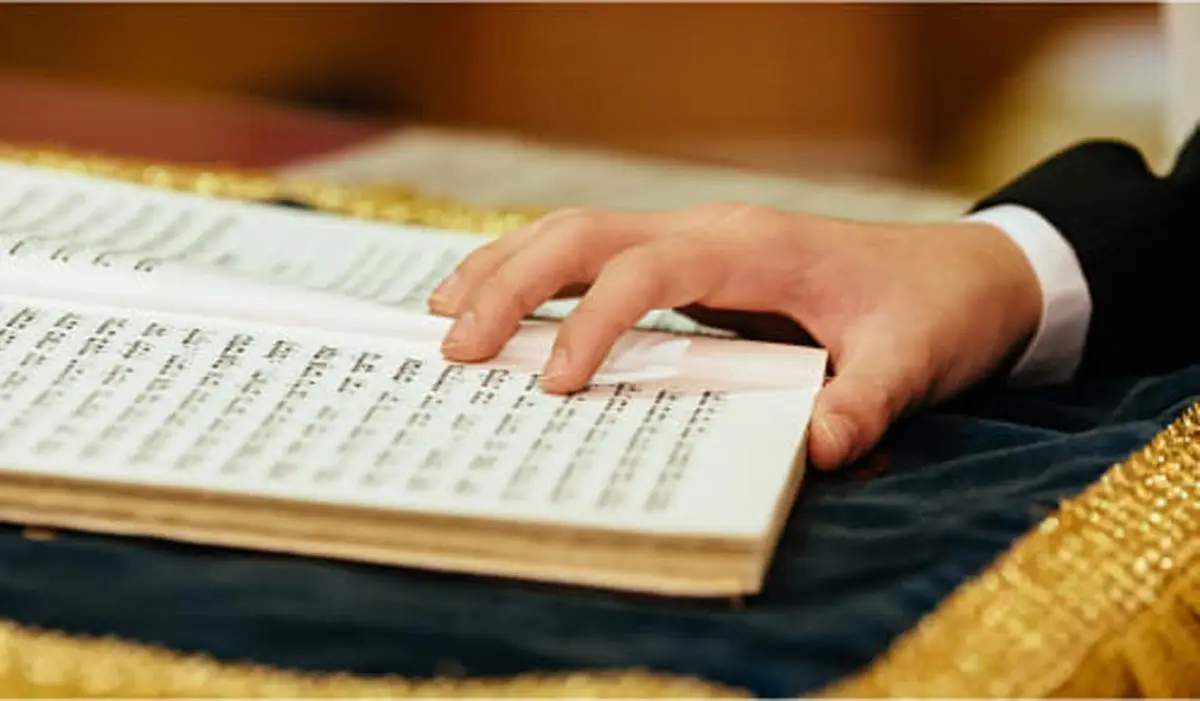
Whenever possible, one should recite the blessing of Hagomel beside a Torah scroll (when it has been taken out in the synagogue for the Torah reading on a day when such a reading takes place). The blessing should be recited after the Torah reading, while the scroll is still on the reader’s table.
The text of the blessing is: “Blessed are You … Who bestows good things on the guilty, Who has bestowed every good thing upon me.”
- All of those present respond to the blessing: “Amen. May He Who has bestowed good on you continue to bestow all good on you forever.”


