





jewit market

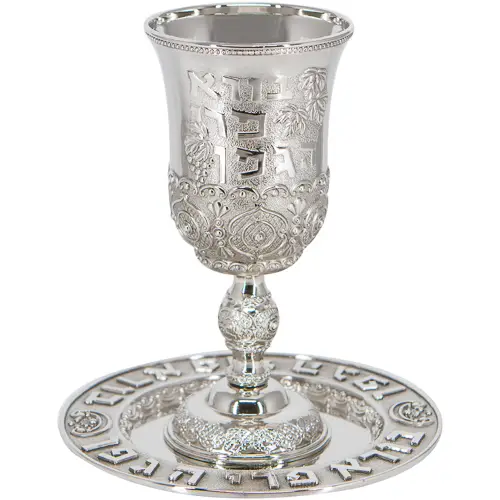
גביע קידוש "פנינה" ציפוי כסף +תחתית

189.0 

Kiddush cup

A moment of holiness at the heart of the Shabbat meal

25.0 

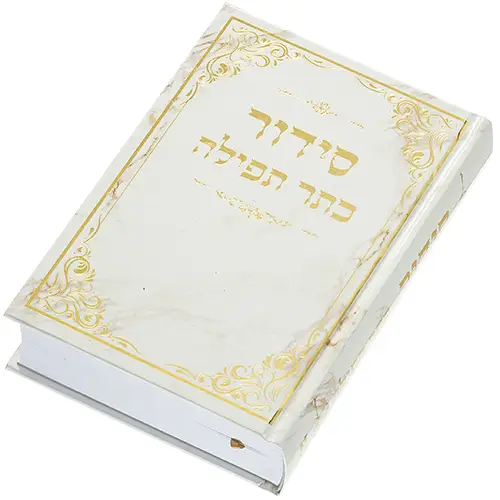
Prayer book

Ancient words renewed in every prayer

189.0 

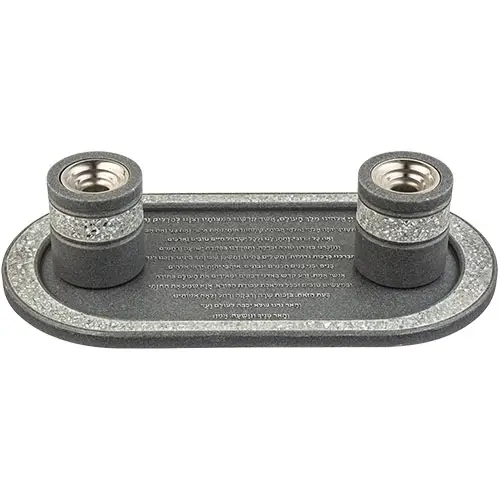
Shabbat candle sticks

A small light that illuminates the entire home.
Pair of elegant "polymer" candlesticks 22 cm

189.0 

Shabbat candle sticks

A small light that illuminates the entire home.
זוג פמוטי קריסטל מהודרים 32 ס"מ

330.0 

Shabbat candle sticks

A small light that illuminates the entire home.
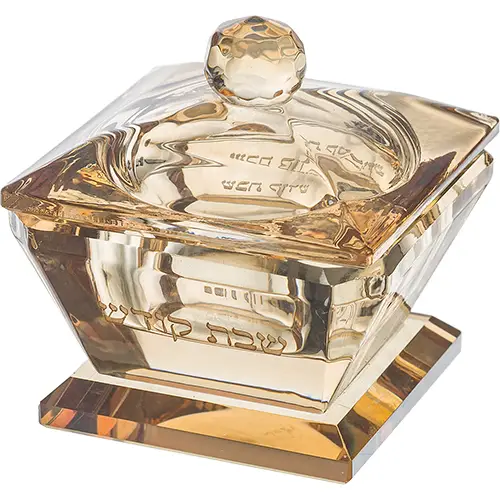
מלחייה קריסטל עם מכסה 4X6 ס"מ

59.0 

Salt cellar

A small grain of taste and blessing
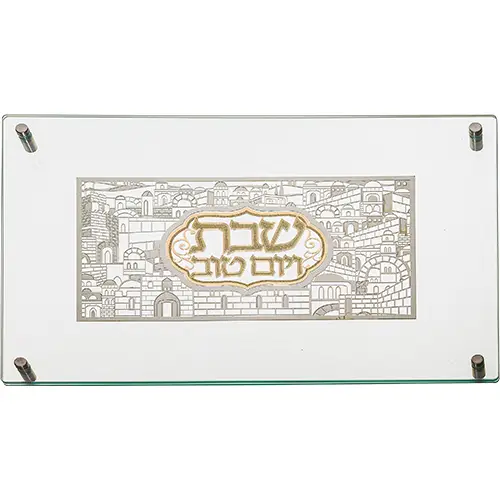
Challah tray

284.0 

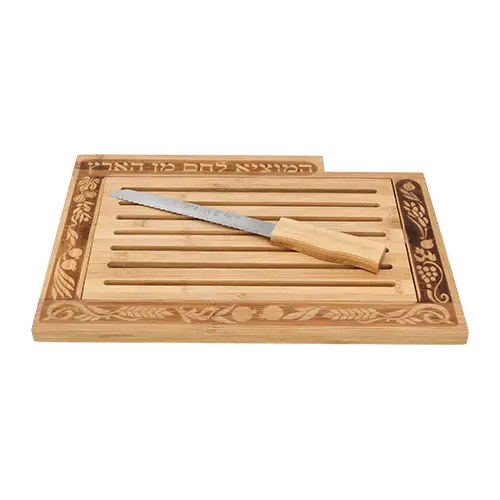
Challah tray

Honor for Shabbat, satisfaction for the table

50.0 

Matchbox gift case

Even the smallest spark begins with holiness
מחזיק גפרורים זכוכית עם פלקטה "הדלקת נרות" עיטור 4X6.5 ס"מ

48.0 

Matchbox gift case

Even the smallest spark begins with holiness
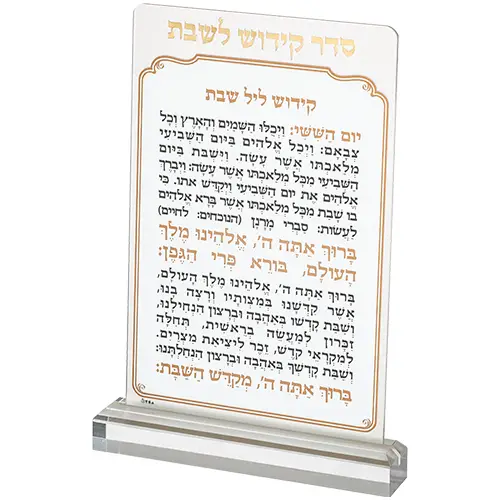
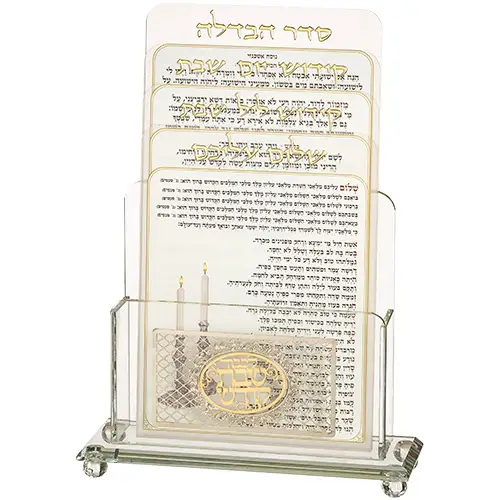
קידוש לשבת מפרספקס נוסח עדות המזרח 22X15 ס"מ

36.0 

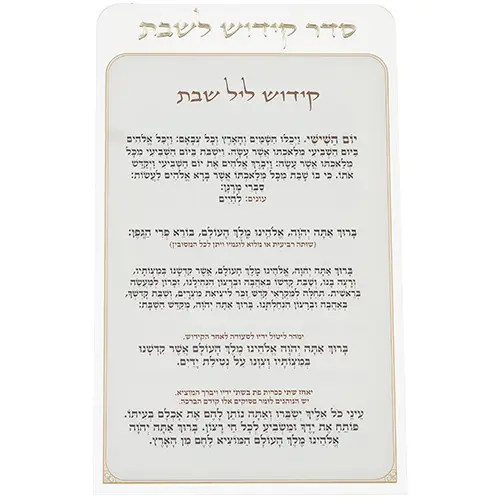
Kiddush card

The order that brings holiness to the table.
סדר קידוש לשבת מזרחי מאקריליק

64.0 

Kiddush card

The order that brings holiness to the table.
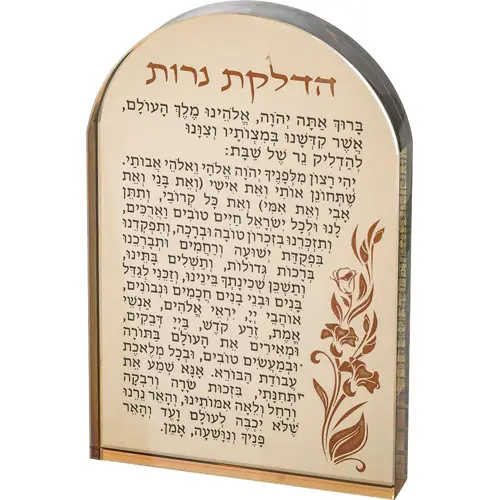
מעמד קריסטל זהב מהודר עם הדלקת נרות 21 ס"מ

212.0 

Candle lighting blessing stand

A place of light and prayer at the heart of the home

50.0 

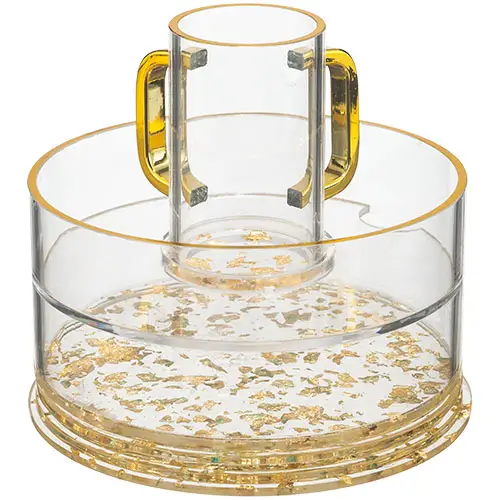
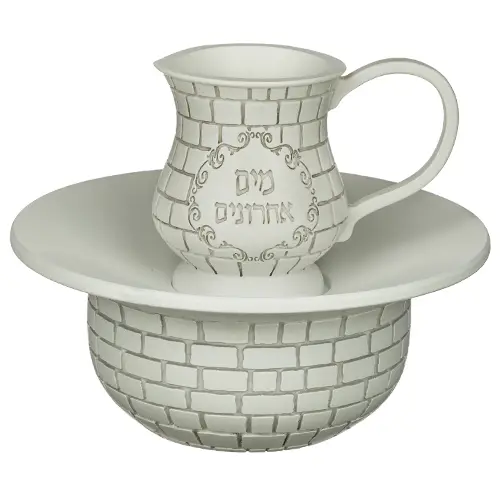
Mayim acharonim set

A drop of cleansing and a sacred conclusion.

330.0 

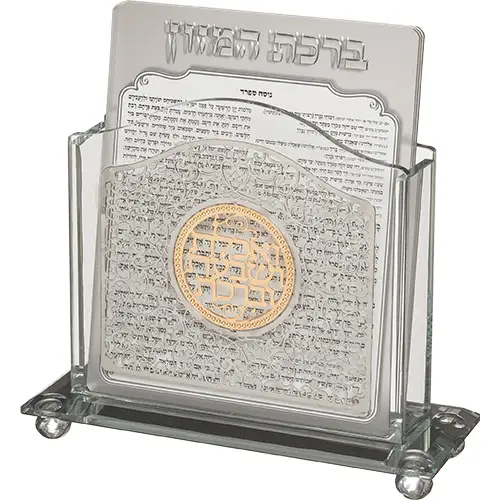
Blessing booklets

To give thanks for any good, at every moment

330.0 

Blessing booklets

To give thanks for any good, at every moment

50.0 

Challah cover

The beauty of modesty, the challah wrapped with honor
כיסוי לחלה

189.0 

Challah cover

The beauty of modesty, the challah wrapped with honor

49.0 

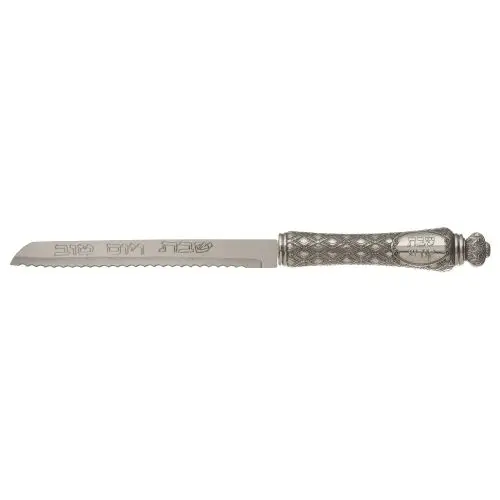
Shabbat knife

Every slice is cut with love and peace.

50.0 

Shabbat knife

Every slice is cut with love and peace.

220.0 

Challah tray

Honor for Shabbat, satisfaction for the table
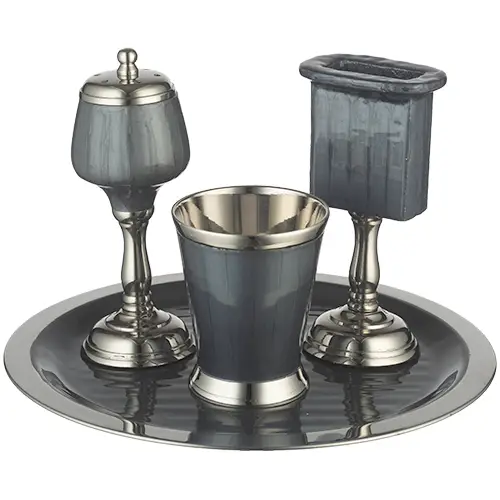
סט הבדלה מהודר מאלומיניום גווני אפור 14X23 ס"מ

50.0 

Havdalah and “Vayiten Lecha” card

Farewell to Shabbat with a promise for a week full of light

50.0 

Mayim acharonim set

A drop of cleansing and a sacred conclusion.
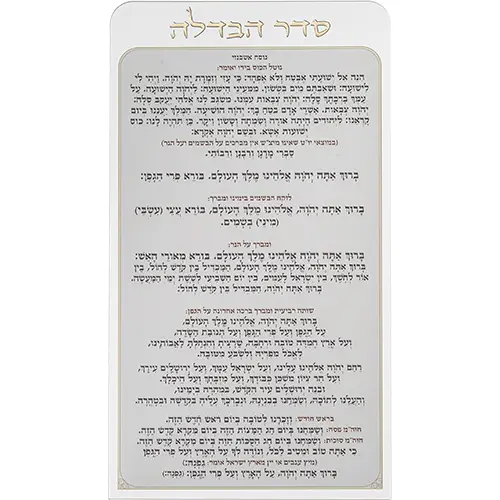
סדר הבדלה מאקריליק נוסח אשכנזי 27X15 ס"מ

50.0 

Havdalah and “Vayiten Lecha” card

Farewell to Shabbat with a promise for a week full of light
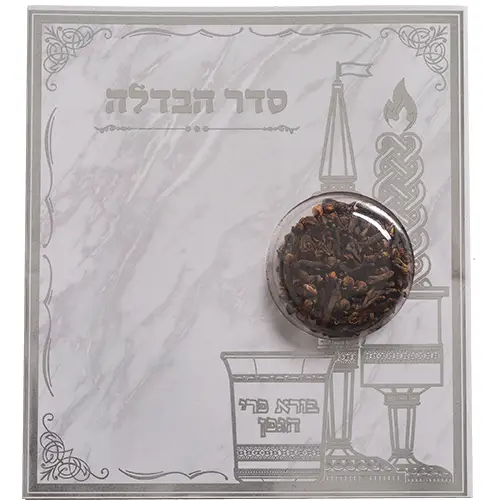
סדר הבדלה עם ציפורן נוסח ע.מ 18X12 ס"מ

50.0 

Havdalah and “Vayiten Lecha” card

Farewell to Shabbat with a promise for a week full of light
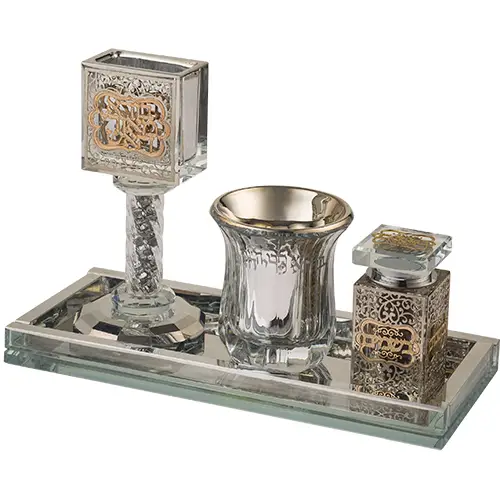
סט הבדלה מהודר מקריסטל עם פלקטה 21x10 ס"מ

50.0 

Havdalah and “Vayiten Lecha” card

Farewell to Shabbat with a promise for a week full of light
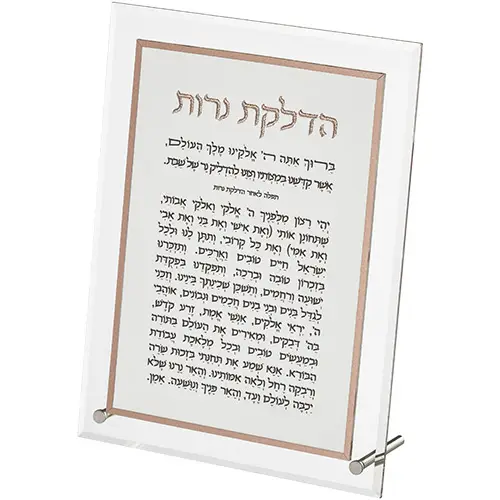
הדלקת נרות PU ואקריליק עומד 25X18.5 ס"מ

50.0 

Candle lighting blessing stand

A small light that illuminates the entire home.

50.0 

Zemirot booklet

To sing the holiness of Shabbat in one voice.

50.0 

Kiddush stand with text

A convenient, dignified Kiddush for every table.
כיפה סטן לבן 19 ס"מ

4.0 

White satin kippah

Purity and simplicity upon your head, with the light of Shabbat all week.
Shabbat Day

in this article:

Shabbat Day

Upon arising in the morning on Shabbat, one should recite Modeh Ani, perform the standard negel vasser (ritual hand washing for the morning), relieve oneself and wash one’s mouth. After getting dressed, one should perform negel vasser again and recite the Morning Blessings, as on any other day. An extensive description of the morning routine can be found in Yahaduton—Jewish Daily Life.

Since it is customary to sleep slightly later than usual on Shabbat, most synagogues begin their Shabbat services at a later time than usual. One should nevertheless take care not to miss the latest times for the recitation of the Shema and Shemoneh Esrei. These times can be found in most standard Jewish calendars. Before Shabbat, one can also look up the times on the Internet or on our website.

Eating Before the Prayers

In general, it is prohibited to eat or drink anything besides water, coffee, or tea until after the morning prayers. If a person is ill or weak, or even if he simply will be unable to pray properly if he does not eat before the morning prayers, he is permitted to eat some cake, a fruit, or any other food that does not require the blessing of Hamotzi. He would also be permitted to drink a beverage of his choice in order to maintain the proper state of concentration and kavanah during the prayer services.

It is preferable to “eat in order to pray” rather than “praying in order to eat.”

How to Prepare Coffee or Tea on Shabbat

The laws governing the preparation of hot drinks are complex, mainly because hot water may “cook” anything in the cup, such as tea leaves, coffee grinds, or the droplets of cold water left in the cup from when it was last washed. In order to avoid desecrating the Shabbat, one should use two cups to prepare a hot drink, in accordance with the following procedure:

  • Make sure the first cup is completely dry.
  • Pour hot water into it from the urn.
  • Take an additional cup and place the tea bag, coffee, sugar, cocoa powder, and the like into it.
  • Pour the water from the first cup into the second cup. The purpose of this is to diminish the heat of the water so that it will not have the ability to “cook” anything else.
  • Milk may then be added as needed.
  • A lemon should not be squeezed into a cup of tea (or any other beverage).
  • When one prepares a cup of tea, it is problematic to remove the tea bag from the cup. If one finds the presence of the tea bag irritating, it is permissible to pour the tea into yet a third cup (or even back into the first one), leaving the bag behind along with some tea. Alternatively, the tea bag may be removed in a spoon, also along with some tea.

Shacharit

Preparations for Shacharit

Before Shacharit, one should prepare appropriately by using the lavatory, dressing in proper Shabbat attire, washing one’s hands, and learning something from the “depths of Torah.”

Chassidim customarily go to the mikveh before the morning prayers. A person who uses the mikveh should gently dry his hair with a towel, being careful not to wring out water from the hair.

The Prayer Service

The Shacharit service for Shabbat is comparable, in essence, to that of a weekday. It consists of the opening passages and korbanot (passages dealing with the sacrificial service in the Temple), followed by Pesukei Dezimrah, the Shema and its blessings, and the Shemoneh Esrei. On Shabbat, however, the prayers are longer, since there is no need for anyone to hurry off to their work or other mundane activities. On Shabbat, we have the privilege of remaining in the synagogue for a longer period of time and immersing ourselves in matters of the spirit. Shabbat gives us the opportunity to lift ourselves above our ordinary daily routines.

In The Synagogue and Prayers, we discussed at length the importance of prayer as a means of forming a connection with our Creator. On Shabbat, the significance of our prayers increases greatly, since Shabbat is a day that is dedicated completely to spiritual growth and creating an attachment with G-d.

We also presented the basic content of every passage that we recite in the course of the prayer services. We highly recommend that you peruse it in preparation for the Shabbat prayers as well, since there are many passages recited on Shabbat that we discussed at length there.

  • On Shabbat, we do not wear tefillin. A married man should don a tallit before Shacharit begins.

We begin the prayer service with the usual introductory passages: Hareini Mekabel, Mah Tovu, and Adon Olam. We recite additional passages, along with Korbanot, and then the chazzan recites the Rabbis’ Kaddish and the official prayer service begins with Hodu.

After Hodu, Mizmor Shir, Hashem Melech, and Hoshiainu, the Sages added a series of chapters of Psalms that lend a unique character to the Shabbat prayers and add a dimension of inspiration. Just as we dress in special attire in honor of Shabbat, we also honor the Shabbat with a longer, deeper prayer service.

This portion of the prayer service consists of twelve chapters of Psalms. The following is a brief overview of each chapter:

  • “Lamenatzeiach, mizmor l’Dovid, hashamayim mesaprim kavod E-l”—To the conductor, a song for David, the heavens relate the honor of G-d.” The first portion of this Psalm discusses the fact that the very existence of creation, in all its splendor, actually “relates” to us the honor and greatness of G-d.

The second portion of the Psalm describes how the Torah “restores the soul” and the commandments “gladden the heart.“At the conclusion of the Psalm, we ask G-d to forgive us for the sins we committed both intentionally and unintentionally, and we pray that we will be pure and free of sin.

  • “Ranenu tzaddikim l’Hashem—Sing, righteous ones, to G-d”—This Psalm expresses both praise and gratitude to G-d for creating the wondrous world in which we live and continuing to infuse us with vitality and life at every moment, through the “breath of His Mouth.”

We thank G-d for having chosen us from among all the nations, and we recall the fact that G-d watches over every one of His creations individually and provides for all their needs.

  • “L’Dovid b’shanoto et taamo lifnei Avimelech—To David, when he concealed his sanity before Avimelech”— King David wrote this Psalm after an incident in which he pretended to be mentally disturbed in order to escape from Avimelech, the king of the Philistines, who wanted to kill him. Avimelech did not associate David himself with the “crazed” man who stood before him, and David was thereby saved from death.

In this Psalm, which follows the order of the Hebrew alphabet, David give thanks and praises G-d for giving him the wisdom to devise such a scheme to save himself. He goes on to explain that true fear of Heaven is manifested in mutual respect between human beings, when people refrain from speaking ill of or gossiping about each other. In addition, he tells us that every person should “desist from evil” and “do good.”

At the conclusion of this passage, David urges us to make a special effort to cultivate peace and harmony in our own personal lives and in our relationships with others: “Seek peace and pursue it.”

  • “Tefillah l’Moshe ish ha’Elokim—A prayer for Moses, the man of G-d”—Tradition teaches us that this Psalm was composed by Moses himself. The main theme of this Psalm is repentance. One of the attributes of Shabbat is that it has the ability to lift a person to a higher spiritual level and bring him closer to G-d. Repentance also has that ability; in addition to the fact that it can rectify sins, it can bring a person to form a more powerful bond with G-d. Thus, Shabbat and repentance share a common objective, which is even the subject of an allusion in their names.

The three root letters of the Hebrew word teshuvah, “repentance,” are taf, shin, and bet, the same three letters that spell the word “Shabbat.”

  • “Yosheiv b’seter Elyon—He Who dwells in secret, the Supreme One”—In this Psalm, King David describes his powerful faith in G-d, Who protects and saves us from harm or misfortune. The content of this Psalm is also appropriate for situations when a Jew finds himself in any form of distress. We must always remember to trust in G-d, to pray to Him, and to remain ever hopeful that He will come to our aid.
  • “Mizmor, Shiru L’Hashem Shir Chadash—A song, sing a new song to G-d”—This Psalm describes the era of the Messiah and relates the wonders that G-d will perform when the time comes to reveal His glory and might. The nations of the world will then see that G-d has never forgotten or abandoned His nation throughout the long, bitter exile.

David foresaw that the entire world would join in the great celebration that will take place then: The sea will “make noise,” the rivers will “applaud,” and the mountains will “sing” in honor of G-d, Who will reveal Himself in order to mete out righteous judgment.

  • “Shir lamaalot, esa einai el heharim—A song to ascents, I will lift my eyes up to the mountains”—The main theme of this Psalm is G-d’s Divine Providence. Sometimes, at moments of despair, we ask ourselves where our salvation will come from. But the answer naturally lies within us: “My help will come from G-d.” We believe in G-d, and we know that He is all-powerful and nothing is impossible for Him.

The Jewish people have experienced countless times of difficulty throughout their history, but we have always remembered that “the Guardian of Israel neither sleeps nor slumbers.” G-d protects us, watches all of our steps, acts like a “shade” to protect us from the blazing sun, and constantly guards us from harm.

  • “Shir hamaalot L’David, samachti b’omrim li beit Hashem neileich—A song of ascents for David, I have rejoiced in those who told me, ‘We will go to the house of G-d’”—This Psalm is dedicated to the holy city of Jerusalem. With the holy spirit of prophecy, King David envisions the day when the city and the Holy Temple will be overflowing with joyous pilgrims coming from throughout the Land and from every tribe of Israel to visit it. This Psalm is especially fitting for Shabbat; just as Jerusalem is the place that represents peace and sanctity, Shabbat represents these things in the dimension of time.
  • “Shir hamaalot, eilecha nasati et einai—A song of ascents, I have lifted my eyes to You”—In this Psalm, we are asked to “lift our eyes” to the Heavens. This is not only an expression of prayer but also carries a much more profound meaning: We must understand that everything that takes place in our world is neither random nor the product of happenstance, but rather is guided and ordained by special Divine Providence.

In this Psalm, King David compares the Jewish people to a slave who is completely subject to his master’s authority and utterly dependent on him.

  • “Shir hamaalot l’Dovid, lulei Hashem she’hayah lanu—A song of ascents to David, if not for G-d, Who was with us”—This Psalm, like the previous one, speaks of our absolute dependence on G-d, particularly at times of crisis or trouble. We must understand that everything that happens to us is Divinely ordained and has a profound reason. No events in the world are random or the product of chance. Therefore, when a person has a negative experience, he should view it as a sign that something in his conduct requires improvement.

In this Psalm, King David compares the Jewish people to a bird that manages to escape from a trap in which it has been ensnared; the hunters in the parable represent the hostile nations who seek to harm us.

  • “Halleluy-ah, hallelu et shem Hashem—Praise G-d, praise the Name of G-d”—This Psalm, in a sense, is a song of praise to G-d. We call upon each other to join together in singing the praises of the Creator of the universe for all of the wondrous miracles that He has performed throughout the Jewish people’s history. We mention the powerful natural forces that carry out His will and relate the miracles that took place at the time of the Exodus from Egypt and the Jewish people’s entry into the Land of Israel.

At the end of the Psalm, we describe the future Day of Judgement when G-d will return His nation to the Promised Land and relieve them of the weight of suffering that they bore throughout the long, dark millennia of exile. On that day, all of the pagans who worship idols that cannot see, hear, or speak will recognize the error of their ways and will admit that G-d is the Master of the universe.

  • At this point in the services, it is customary to stand in preparation for Baruch She’amar.
  • “Hodu l’Hashem ki tov—Thank G-d for He is good”— This Psalm contains twenty-six verses (corresponding to the numerical value of G-d’s Ineffable Name) of thanksgiving to G-d, each verse concluding with the phrase “for His kindness is eternal.” These verses describe the wonders and miracles that G-d has performed, beginning with the creation of the world, the heavens and earth, and the moon and stars, and culminating with the miracles of the Splitting of the Red Sea and of the future Redemption.

“Ha’Aderet V’ha’emunah / The Might and the Faithfulness”

This poetic composition follows the order of the Hebrew alphabet. Each stanza consists of a description of two Divine “qualities” that each begin with the same letter, and concludes with the words “belong to the One Who lives forever.” The message is that the qualities we describe belong to G-d, Who lives forever.

For instance, the first stanza states that aderet and emunah (might and faithfulness) belong to He Who lives forever and that binah and brachah (wisdom and the power to dispense blessing) belong to He Who lives forever. The rest of the composition follows this pattern.

Tradition teaches us that this special composition is also recited by the Heavenly angels when they praise G-d. For that reason, it is always recited with reverence, and generally with a special tune.

Baruch She’amar

The recitation of Baruch She’amar is preceded by a brief passage beginning with the words L’sheim yichud. This passage is drawn from the world of Kabbalah and serves as a preparation for the performance of a mitzvah. One should have in mind that this passage applies to all of the mitzvot that he will perform over the course of the day.

  • Baruch She’amar marks the official beginning of Pesukei Dezimrah. As such, it is prohibited to speak after Baruch She’amar until the conclusion of the Shemoneh Esrei.
  • During Baruch She’amar, one should stand and grasp the front two fringes of the tallit in the left hand (between the ring finger and pinky finger, with the remainder of the tzitzit dangling forward), just as we do during the week. At the conclusion of the passage, the tzitzit are passed before the eyes, kissed, and released.

The Psalms Mizmor shir l’yom Shabbat and Hashem malach gei’ut laveish are discussed at length in the section on the Friday night prayers; see above.

Background and explanation for the other passages that appear in the siddur at this point can be found in Pesukei Dezimrah – The Synagogue and Prayers.

Nishmat Kol Chai

This vivid, poetic prayer is a natural addition to the Shabbat prayer services. On Shabbat, we are free from the burdens of our weekday activities. We are more relaxed and are not in a rush to get anywhere. It is only natural that we should have more time to speak to our Father in Heaven and to dedicate another few moments to discuss the special natural relationship between man and his Creator.

In this prayer, we praise G-d for all the miracles, both hidden and revealed, that He has performed throughout the history of the Jewish people and that He continues to perform even today. The prayer speaks of a deep sense of gratitude that we cannot truly express in words. Even if our mouths were as filled with words of praise as the sea is filled with water, we assert, and our tongues praised G-d as loudly and powerfully as the waves of the sea, and so on and so forth, we would still be incapable of properly thanking G-d.

Our inadequacy notwithstanding, since we must make an attempt to praise G-d, we dedicate all of the limbs of our bodies—the very limbs with which G-d has blessed us—to be always filled with praise and thanksgiving to G-d. “Every mouth will thank You, and every tongue will swear by You, and every eye will watch for You.… All of my bones [representing all of the components of the human body] will declare, ‘G-d, who is like you?’”

Shochein Ad and B’makheilot

As a natural continuation of Nishmat and a fitting introduction to Yishtabach, the blessing that concludes Pesukei Dezimrah, we add another two paragraphs that describe how all of G-d’s creations have an obligation to praise Him. The righteous and devout members of the Jewish people, the rest of the Jewish nation, and even the other human beings and living things in the world are all obligated to voice many forms of praise for the King of kings, the Holy One, Blessed be He. This is in addition to all the songs of praise authored by “David the son of Jesse,” in the passages that we previously recited.

Barchu

The blessing of Yishtabach is followed by the Half Kaddish and then Barchu, to which the congregation responds, “Blessed is G-d, the Blessed One for all eternity.”

An extensive discussion and explanation of the following passages, as well as the proper conduct during prayer services, can be found in The Blessings of the Shema—The Synagogue and Prayers

The Blessings of the Shema

We begin the blessings of the Shema with the blessing of Yotzer Ohr, “the Creator of light,” just as we do during the week, but on Shabbat the blessing is augmented with an additional three paragraphs.

  • “Hakol yoducha—All will give thanks to You”—At the beginning of this prayer, we thank G-d for having created the sun and having mercifully placed it in the sky at the perfect distance from the earth, so that the earth is neither incinerated by the heat of the sun nor frozen due to excessive distance from it. We then go on to extol G-d’s other deeds—“How great are Your deeds, O G-d; You have performed them all with wisdom”—and to beseech Him to shield us and protect us from our enemies. The passage concludes with the declaration that there is nothing in the world that can even be compared to G-d, and there is no reality outside of Him.
  • “E-l Adon—G-d, Master”—During the week, we recite the passage “E-l Baruch Gedol Dei’ah,” which consists of a series of words in praise of G-d following the order of the Hebrew alphabet. On Shabbat, this passage is replaced by a longer, “upgraded” version in which every letter introduces an entire sentence rather than a single word.

The topic of this passage is the praise of G-d, the Master of all creatures, Who created the world. It deals primarily with the luminaries that appear in the heavens—the sun, the moon, and the stars—which were created in such a way that we will be able to derive benefit from their light.

The alphabetical acrostic alludes to the fact that the world was created through G-d’s “speech,” so to speak— through the Torah, which was written with the Hebrew alphabet.

  • “La’E-l asher shavat—To the G-d Who rested”—The third special addition to this section of the Shabbat prayers focuses on the fact that the seventh day of the week is a day of rest. On this day, G-d ceased all of His “work,” as the process of the world’s creation concluded and He “rose and sat upon His Throne of Glory.”

G-d commanded us to honor and enjoy Shabbat in a special way, and we do so out of a sense of gratitude for the fact that He blessed us with the gift of such a special and powerful day.

  • This paragraph should be recited with intense focus and special concentration on every word. If a person fails to maintain the proper concentration during this passage, he should repeat it.

The remainder of the first blessing of the Shema follows the usual text recited during the week. This blessing is followed by Ahavat Olam (“Eternal Love”), the second blessing of the Shema, which is also identical to the weekday version.

  • At the words “and gather us in peace from the four corners of the land,” one should gather together the four corners of the tallit and hold them in the left hand, between the fourth and fifth fingers, following the same procedure that applies during a weekday. The tzitzit should be held that way until the end of the first passage following the conclusion of the Shema.

The Shema

At this point, we recite the three paragraphs of the Shema, following the usual procedure of placing the right hand over the eyes during the first verse, kissing the tzitzit at each mention of the word “tzitzit,” and so forth.

The Shema is followed by Emet V’Yatziv and Ezrat Avoteinu, and then we begin the Shemoneh Esrei of Shabbat.

The Shemoneh Esrei

The Shemoneh Esrei of Shabbat morning follows the same pattern as the Shemoneh Esrei we recite on Friday night. We begin with the same three blessings, and once again we devote the middle blessing to the Shabbat day itself. We also conclude with the same three blessings that serve as the conclusion of every Shemoneh Esrei.

The Blessing Over the Day—“Let Moses Rejoice”

The middle blessing of the Shemoneh Esrei portrays the Torah as a “gift” that G-d granted to Moses and to the entire Jewish people. We emphasize the fact that that gift included the commandment to observe Shabbat.

This blessing also quotes the verses from the Torah that discuss the commandment to observe Shabbat and the rationale for this precept: “The Children of Israel shall observe the Shabbat throughout their generations [i.e., Shabbat observance is compulsory everywhere, at every generation and every time]. It is an eternal sign between Me and the Children of Israel … and on the seventh day, He ceased and rested [i.e., because on the seventh day of creation, after six days of ‘work,’ G-d ceased his ‘work’ and ‘rested’].”

“V’lo Netato—You Have Not Given It”

The blessing then describes how the Shabbat is unique to the Jewish people. In previous generations, the nations of the world used to mock us for “wasting” an entire day of work every week and dedicating it to spiritual matters that appeared (to them) to be of no value. In later years, the Christians and Muslims adopted the idea of a weekly “day of rest.” Nevertheless, their version of a day of rest bears no substantive resemblance to our Shabbat. Shabbat is the symbol of the special love that exists between G-d and the Jewish people, and we express our thanks to G-d for that fact.

The next two paragraphs in this blessing, “Let them rejoice” and “Our G-d,” are explained in our discussion of the Shemoneh Esrei for Friday night; see above.

We then move on to the concluding blessings of the Shemoneh Esrei.

The Chazzan’s Repetition

The chazzan repeats the Shemoneh Esrei that we just recited, and the congregation responds “Amen” at the conclusion of every blessing.

After the blessing of “Who resurrects the dead,” the entire congregation recites Kedushah together. The chazzan repeats each paragraph after the congregation has recited it.

After the blessing of “Who restores His Presence to Zion,” the congregation recites the Rabbis’ Modim together. The chazzan then recites the blessing of the kohanim, and the prayer service concludes with the final blessing of Shemoneh Esrei and the Full Kaddish.

In many synagogues, mainly in Jerusalem, the kohanim bless the congregation during the chazzan’s repetition of the Shacharit Shemoneh Esrei as well. The proper conduct for the kohanim and the congregation during this time is described below, in our discussion of the Mussaf service.

The chazzan’s repetition is followed by a special “Song of the Day” for Shabbat. We recite once again the Psalm that begins “A musical song for the Shabbat day,” which we discussed at length in our explanation of the Friday night prayer service. This Psalm is followed by the passage that begins “Save us,” after which a mourner or orphan recites the Orphans’ Kaddish.

Torah Lecture

In many synagogues, it is customary for the rabbi or a congregant to address the congregation before the Torah reading and share a thought on the parshah (Torah reading) of the week.

The Torah Reading

Shacharit is followed by the reading of an entire parshah (section) out of a Torah scroll.

For a discussion of the general background of the ritual of reading from the Torah and the customs relating to the opening of the Ark, the aliyot, the people who must be summoned to the Torah, and the procedure for reading it, see The Synagogue and Prayers.

  • After the recitation of the passage “Blessed is His Name,” the chazzan recites two verses aloud, “Hear O Israel” and “Our G-d is One,” and the congregation repeats each one after him.
  • The chazzan then recites the verse that begins, “Exalt G-d with me,” and the congregation recites the usual response of “To You, G-d, is the greatness.” On Shabbat, two additional passages are added after that response.
  • Unlike the procedure for a weekday, the gabbai recites the passage beginning with the words “May He help, protect, and save” in the chant used for a person being called to the Torah.

On Shabbat, eight people are called to the Torah: a Kohen, a Levi, five Yisraelim, and an additional man for Maftir.

The seven aliyot of the Torah reading is followed by the Half Kaddish, which is recited by the reader. After that, the eighth man is called up for an aliyah that consists of the final verses of the week’s Torah reading. This aliyah is called Maftir, since the person who receives it reads the Haftarah.

  • Maftir can be given to a Kohen or Levi as well.

The “Mi Shebeirach” Prayers

During the Torah reading, after the conclusion of each aliyah, it is customary for the gabbai of the synagogue to recite a special blessing for each person who was called to the Torah. He is blessed that G-d—Who blessed our forefathers Abraham, Isaac, and Jacob—should bless him as well, should protect him, should save him from any misfortune, and should grant him success and blessing in everything he does.

  • In many communities, the honorees use this opportunity to pledge a donation to the synagogue.

After the Torah reading, all of the congregants are given an opportunity to mention the names of relatives or friends who are suffering from illness. The gabbai recites a special Mi shebeirach prayer designated for the ill (in two separate versions, one for men and the other for women), and the congregants tell him the names of people to include in the prayer.

On Shabbat, this prayer is recited in a shorter version, which concludes with the words, “It is Shabbat so we cannot cry out, and healing will soon be coming; let us say ‘Amen.’”

  • When praying for a person to recover from a disease, one should use their name in conjunction with their mother’s name, e.g., “Yosef the son of Yehudit” or “Rachel the daughter of Sarah.”

The Haftarah

The Haftarah is a selection from the Prophets whose content is similar or somehow connected to the Torah reading or to the day itself (such as the Haftarah read on a festival or when Rosh Chodesh coincides with Shabbat).

For instance, the section of the Torah known as Parshat Shelach deals with the incident of the spies whom Moses dispatched to scout out the Land of Canaan. The Haftarah for that Torah portion deals with a similar incident, when Joshua sent two spies to infiltrate the Land prior to its conquest by the Jewish people.

Every Haftarah consists of a minimum of twenty-one verses, three for each aliyah in the Torah reading of Shabbat.

  • After the conclusion of Maftir, the Sefer Torah is raised and then rolled up and placed in its cover. The honoree for Maftir then recites the first blessing over the Haftarah: “Blessed are You … Who chose good prophets….”
  • Next, the honoree reads the Haftarah aloud from a Chumash so that everyone can hear it and recite it along with him. It is prohibited to speak during the reading of the weekly Torah portion and the Haftarah.
  • After the Haftarah, the honoree recites an additional four blessings: “Rock of all the worlds,” “Have mercy on Zion,” “Bring us joy, G-d, our L-rd,” and a blessing that is unique to the Shabbat day: “For the Torah.”

The honoree for Maftir recites a total of seven blessings, corresponding to the seven honorees during the regular Torah reading. He recites two blessings on the Maftir reading from the Torah scroll (one before it and one after it), one blessing before the Haftarah, and four blessings after the Haftarah, for a total of seven.

Yekum Purkan

After the conclusion of the Haftarah, we recite several prayers for the well-being of our nation’s leaders, for the congregants themselves, and for those who make regular donations for the upkeep of the synagogue.

Yekum Purkan was added to the Shabbat liturgy approximately 1500 years ago, after the Babylonian Talmud (the Gemara) was completed. This prayer has been preserved in the original Aramaic, presumably because it was commonly recited after the Talmudic period even by simple Jews who spoke exclusively Aramaic, and over the years it became a prayer of the masses.

We begin with the first Yekum Purkan, in which we pray for the well-being of the leaders of the nation in our generation. We ask G-d to be kind and merciful to them and to bless them with long lives, ample sustenance, good health, childr

Mi Shebeirach

For the benefit of those people who do not speak fluent Aramaic, our Sages added an additional prayer, Mi Shebeirach, which is written in Hebrew. This prayer also consists of a blessing for the entire congregation—men and women, girls and boys.

The blessing focuses primarily on the men of the congregation, those who donate funds for the upkeep of the synagogue or to pay for its various expenses. There is also a special blessing for those who dedicate their lives to public service out of a sense of responsibility to others and who involve themselves in communal needs with good faith and integrity. We bless them that G-d should “pay them their reward,” should heal their illnesses and grant them health, should forgive their sins, and should bless everything they do.

In previous generations, many Jewish communities took advantage of this opportunity to add another prayer on behalf of the emperor, the Czar, or whatever government officials existed where they lived. Today as well, it is customary in many places to add a prayer for the political leaders of the locale. In Israel, many also add a special prayer for the soldiers of the Israel Defense Force and for Israelis who are missing in action or imprisoned in other countries.

The Blessing of the New Month

On the Shabbat before Rosh Chodesh, we add a special prayer for the upcoming month. This prayer expresses our hope that G-d, Who performed miracles for our forefathers and redeemed them from their servitude in Egypt, will perform miracles for us as well and will redeem us soon from the exile, gathering the entire Jewish people from their dispersion throughout the world and reuniting them in the Land of Israel.

We pray that G-d will bless us in the new month with a good life, with genuine peace, and with a month filled with joy and happiness, salvation and consolation.

  • Before the prayer for the new month begins, the gabbai customarily announces the exact time of the molad (“birth” of the new moon, the moment when the new moon reappears in the course of its monthly cycle) and when Rosh Chodesh will occur during the coming week.
  • The chazzan stands at the bimah, holding the Torah scroll, and the congregation recites the passage “He Who has performed miracles,” ending with the words “and let us say ‘Amen.’”
  • The chazzan then announces the name of the coming month and the day when it will begin. For example, the chazzan might announce, “Rosh Chodesh Kislev will be on Tuesday, which should be good for us.” The congregation repeats this declaration aloud.
  • The congregation then recites the passage, “May the Holy One, Blessed Be He, renew it,” aloud and in unison. The chazzaon repeats the passage aloud, and the congregation responds “Amen” after each pair of blessings in the paragraph.

“Av Harachamim—Merciful Father”

At this point on an ordinary Shabbat, we recite a passage beginning with the words “Mericful Father.” This passage is a memorial of sorts to all those Jewish souls who surrendered their lives for the sake of G-d’s honor. We beseech G-d to remember them in His great mercy and to avenge the incident Jewish blood that was spilled in blind hatred, simply because of the fact that they were Jews. By doing so, in a sense, he will appease the land and the rest of the Jewish people.

  • On a Shabbat when we recite the blessing for the new month (called “Shabbat Mevarchim”), or on a day on which Tachanun would not be recited even if it was a weekday, this passage is omitted.
  • On the Shabbat prior to the month of Sivan, however, the passage is recited.

This passage is followed by Ashrei, and we escort the Torah scroll back to the Ark while reciting, “Let them praise the Name of G-d.” The chazzan recites the Half Kaddish, and we begin the Mussaf service.

The Mussaf Service

As we discussed at length in Yahaduton—The Synagogue and Prayers, every prayer service is a parallel, in essence, of a sacrificial service that used to take place in the Holy Temple. The Shacharit service in the morning corresponds to the daily morning sacrificial service, and the Minchah service in the afternoon corresponds to the daily sacrifice that was offered at the end of the day. Maariv, the nighttime prayer, corresponds to the limbs of the day’s sacrifices, which used to be burned on the altar at night.

The Mussaf service, which is recited after Shacharit on Shabbat, festivals, and Rosh Chodesh, corresponds to the Mussaf sacrifices that were offered in the Temple on these special occasions.

  • Mussaf may be recited until seven “seasonal hours” (a seasonal hour is one of twelve equal portions of the period of daylight on that day) into the day. Nevertheless, a person who forgot to recite Mussaf after Shacharit may do so, post facto, until sunset.

The Mussaf service consists only of the Shemoneh Esrei, without any introductory passages.

Like every Shemoneh Esrei, the Shemoneh Esrei of Mussaf begins and ends with the standard two sets of three blessings each. The middle blessing of the Mussaf Shemoneh Esrei deals with the nature of the day on which it is recited. On Shabbat, the blessing describes the sanctity of the Shabbat day, and on the various festivals, it deals with the specific festival on which it is recited.

“Tikanta Shabbat—You Have Established Shabbat”

This blessing, which serves as the backbone of the Mussaf prayers, describes our gratitude to G-d for having given us the gift of Shabbat and having made it a day that is entirely devoted to the connection between Him and His people.

We pray to G-d to bring His entire nation to the Land of Israel and to build the Third Temple for us there, so that we will be able to continue offering the sacrifices of Shabbat as we were commanded in the Torah.

This blessing quotes the verses from the Torah that describe the specific sacrifices of Shabbat: “On the Shabbat day, two year-old lambs….” It then continues with the passages with which we are familiar from the Shemoneh Esrei of Friday night and Shacharit: “Let them rejoice in Your Kingship” and “Our G-d.”

The blessing concludes with the words, “Blessed are You, G-d, Who sanctifies Shabbat.”

When Rosh Chodesh coincides with Shabbat, the Mussaf service is slightly altered and this blessing is replaced by the blessing of Atah Yatzarta, “You have fashioned,” which also incorporates the details of the special sacrifices of Rosh Chodesh, along with special blessings for the new month.

Interestingly, this blessing, like many others, follows the order of the Hebrew alphabet, albeit in reverse. It begins with tav, the final letter of the Hebrew alphabet, and the following twenty-one words follow the order of the remaining letters of the alphabet backwards, with the last word beginning with aleph.

The Hebrew alphabet has profound spiritual meaning; it is much more than a charming literary device. Even the direction of the order has significance. When the letters appear in order, from the first to the last, it symbolizes man drawing close to G-d. When they are in reverse order, beginning with tav, it symbolizes the reverse—G-d drawing close to man, so to speak. Both of these processes are intrinsic components of our relationship with G-d, but there are times when one must be emphasized over the other.

The Mussaf service features the reverse alphabetical order because Shabbat, more than anything else, represents the process of G-d coming close to us, as it were. Shabbat was granted to us as a gift from G-d, out of His infinite love and kindness. We did not request it, but nevertheless G-d gave us a weekly opportunity in which He comes close to us and gives us a chance to become more connected with him.

The Chazzan’s Repetition of Mussaf

After the chazzan concludes the second blessing of Mussaf, we recite a special Kedushah that begins with the words, “They will give You a crown.” This Kedushah is based on verses that appear in the prophecies of Isaiah and Ezekiel and describes how the angels praise G-d.

Like the Kedushah of Shacharit, the Kedushah of Mussaf is recited responsively. Each paragraph is recited by the congregation and then repeated by the chazzan.

The Blessing of the Konahim

The “Blessing of the Kohanim” is the name for the special blessing with which the Kohanim were Divinely instructed to bless the people. Nowadays, the Kohanim recite this blessing during the chazzan’s repetition of the Shemoneh Esrei at Shacharit and Mussaf on Shabbat and the festivals.

  • When no Kohen is present, the chazzan himself recites the Blessing of the Kohanim while the congregation gazes at him.

This blessing is also known as nesiat kapayim, “the raising of the hands,” because the Kohanim lift their hands while facing the congregation. It is also known as “the threefold blessing” because it consists of three verses, each of them representing a separate blessing.

The blessing consists of three verses from the Book of Numbers, in which the Kohanim are given the instruction to bless the Jewish people with the Name of G-d.

The Content of the Blessing

The Kohanim bless each member of the Jewish people in the Name of G-d:

“May G-d bless you and protect you.” This blessing means that G-d should bless us with material bounty and wealth, but should also protect that wealth from thieves and from the danger that a person’s wealth may blind him and become a source of danger and arrogance.

“May G-d illuminate His countenance toward you and treat you with grace.” This is a blessing that G-d should show us a “smiling countenance” and we should find favor in the eyes of everyone we meet.

“May G-d show favor to you and place peace upon you.” This is a blessing that G-d should disregard His anger toward us and bless us with internal tranquility and peace with ourselves and with others.

Who Is a Kohen Today?

The status of Kohen has been transmitted from generation to generation for over three thousand years, beginning with Aaron, the brother of Moses, and continuing to his distant descendants who are still living today.

During the Temple era, the Kohanim played a central role in the various rituals performed in the Temple. Nowadays, once the Temple has been destroyed, the Kohanim retain a few privileges, among them the opportunity to bestow the special Blessing of the Kohanim on their brethren.

“Could I be a Kohen too?”

Being a Kohen, just like being a Jew, is a special status that is transmitted from parent to child. If you know that your father and your grandfather were Kohanim, you could also be a Kohen!

Nowadays, some Kohanim can be identified by their last names. People named Cohen or Katz (the latter stands for “Kohen Tzedek”) are generally Kohanim.

The Procedure for the Blessing of the Kohanim

There are many details regarding how to conduct oneself during the Blessing of the Kohanim. We have divided the customs into two categories: those that pertain to the entire congregation as they listen to the Kohanim, and those that pertain to the Kohanim themselves, as well as the chazzan who dictates the blessings to them.

The Congregation

  • During the Blessing of the Kohanim, one should refrain from looking at the Kohanim. A person who is wearing a tallit should pull the top of the tallit forward to cover his eyes. A person who is not wearing a tallit should simply direct his gaze downward.
  • A person who is in the synagogue with little children should preferably gather his children beneath his tallit.
  • During the Blessing of the Kohanim, the congregation should refrain from speaking. They also should not recite the verses along with the Kohanim. They should listen attentively to each blessing and respond “Amen” after each of the three verses.
  • When the Kohanim descend from the platform, it is customary to thank them with the words “yasher koach” for bestowing a blessing on us.

The Kohanim

  • Immediately after Kedushah, the Kohanim should go to wash their hands with a cup filled with water. It is 136 customary for a person who is a Levi (or a firstborn child) to pour the water on the Kohanim’s hands for them. No blessing is recited on this washing of the hands.
  • After the Kohanim have washed their hands, they should refrain from touching any covered part of the body or their shoes. For this reason, it is advisable for the Kohanim to untie their shoelaces before washing their hands, so that they will not have to touch their shoes when they remove them.
  • The Kohanim should ascend the “duchan” (the platform where they recite their blessing) without shoes when the chazzan begins the blessing of Retzeh, which precedes Modim. They should remain standing there and face the Ark.
  • After they recite Modim, the Kohanim recite a brief prayer for their blessing to bear fruit: “May it be Your will… that this blessing should be … a complete blessing, without any stumbling block or sin, from now and forever.”
  • At this point, the Kohanim should unfold the portion of the tallit that is folded over their shoulders and drape it over their arms and head.
  • The chazzan concludes the blessing with the words “that Your Name is good and it is pleasant to give thanks to You,” and continues with the introductory paragraph to the Blessing of the Kohanim: “Our G-d and the G-d of our forefathers, bless us with the threefold blessing of the Torah … from Aaron and his sons.” Then he announces, “Kohanim!” and concludes the sentence in a whisper, “Your holy nation, as it is said.”
  • The Kohanim begin reciting their own blessing aloud while turning to face the congregation with their faces covered with the tallit: “Blessed are You … Who has sanctified us with the holiness of Aaron and has commanded us to bless His nation Israel with love.”
  • Throughout the Blessing of the Kohanim, the Kohanim keep their hands extended forward, slightly above the height of their heads. It is customary to separate the four fingers of the hand into two pairs, with the index finger and middle finger pressed together and separated by a space from the ring finger and little finger. The thumb “rests” on the side. The Kohanim place both their hands together so that their thumbs and index fingers are touching. They remain in this position throughout the recitation of the blessings.
  • The chazzan, in a low tone, dictates each word of the blessings to the Kohanim, and they repeat each word aloud.
  • At each word that ends with a final kaf (meaning “you,” as in “He shall bless you,” “He shall protect you,” and so forth), as well as at the word “shalom,” it is customary for the Kohanim to turn their heads and arms both to the left and the right while they recite the words.
  • After the blessing has concluded, while the Kohanim’s faces are still covered, they recite a brief prayer: “Master of the Universe, we have done as You commanded. You do upon us as You promised us: Gaze down from Your holy dwelling place, from the Heavens, and bless Your nation Israel … as You swore to our forefathers, a land flowing with milk and honey.
  • At the end of the blessing, the Kohanim should turn around again to face the Ark. They may then lower their tallitot to the usual position.
  • The Kohanim should remain standing on the duchan until the chazzan concludes the next and final blessing of the Shemoneh Esrei.
  • It is only in Israel that the Blessing of the Kohanim is recited every week on Shabbat. In the Diaspora, it is customary to recite it only on festivals. In Israel, as well, the custom tends to vary. In Jerusalem, the Blessing of the Kohanim is recited every day.

The Conclusion of the Morning Prayer Service

After Mussaf, the chazzan recites the Full Kaddish. This is followed by Kaveh (“Hope”), Ein K’Elokeinu (“There is none like our G-d”), the order of the incense, and some additional concluding passages. The chazzan (or an orphan) recites the Full Kaddish, followed by Aleinu and Al Tira.

On Shabbat, an additional passage is added at the end of the prayer service. This passage is drawn from the Book of Leviticus and describes the mitzvah of lechem hapanim, the “showbread.”

During the Temple era, twelve loaves of bread in a special shape would be prepared every week and placed on a golden table in the Temple building. Every Shabbat, after the bread had remained there for an entire week and had miraculously remained fresh, the Kohanim would divide the loaves up among themselves and consume them.

Every week after Mussaf, in commemoration of this special mitzvah, we recite the Biblical verses in which we are instructed to observe it: “You shall take fine flour and bake it into twelve loaves….”

The showbread is known in the Torah as lechem hapanim, literally “the inside bread,” because it was kept in the inner chamber of the Temple. The word panim can also be translated as “face,” an allusion to the fact that the bread was as beautiful and appealing as the face of a king.

This passage is followed by the Six Remembrances, and we conclude with the day’s portion of the monthly recitation of Psalms, as well as the “personal Psalm” of every individual, in accordance with his age.

  • It is permissible to fold the tallit after the service has concluded, but it should not be folded exactly on the creases.

Kiddush in the Synagogue

On special weeks (such as Shabbat Mevarchim) or on special occasions such as a bar mitzvah, “Shabbat chatan,” brit milah, and the like, it is customary to hold a “kiddush” in the synagogue. One of the congregants should recite the Kiddush aloud, thereby enabling everyone present to listen and fulfill their obligation.

Since there is a requirement that Kiddush be recited in heard in the place where one eats, it is important to eat a food whose blessing is borei minei mezonot, such as cake, crackers, and the like. (Alternatively, one may wash hands in the synagogue and eat the Shabbat meal there).

  • A person who remains in the synagogue for a kiddush must remember to recite the blessing after food before he goes home to have the Shabbat meal.

The Meal of Shabbat Day

The laws and customs pertaining to the meal on Shabbat day are identical to those for the meal on Friday night, which we enumerated above.

  • Just as on Friday night, one should not eat or drink anything prior to Kiddush.
  • Upon returning from the synagogue, one should make sure that the table is already set for the Shabbat meal.

Kiddush

The person reciting Kiddush begins with Psalm 23, “A song for David, G-d is my Shepherd; I shall not fear,” followed by Atkinu Seudata,” the Biblical passage “The Children of Israel shall observe the Shabbat,” Im Tashiv, and Da Hi Seudata. The full text of Kiddush appears in siddurim and Birkat Hamazon booklets that include Kiddush.

These passages are followed by the recitation of a number of verses from the Ten Commandments that deal with the commandment to observe Shabbat: “Remember the Shabbat day to sanctify it…. You shall work for six days … and the seventh day is a Shabbat for G-d, your L-rd. You shall not do any work … because for six days, G-d made the heavens and the earth … and He rested on the seventh day.”

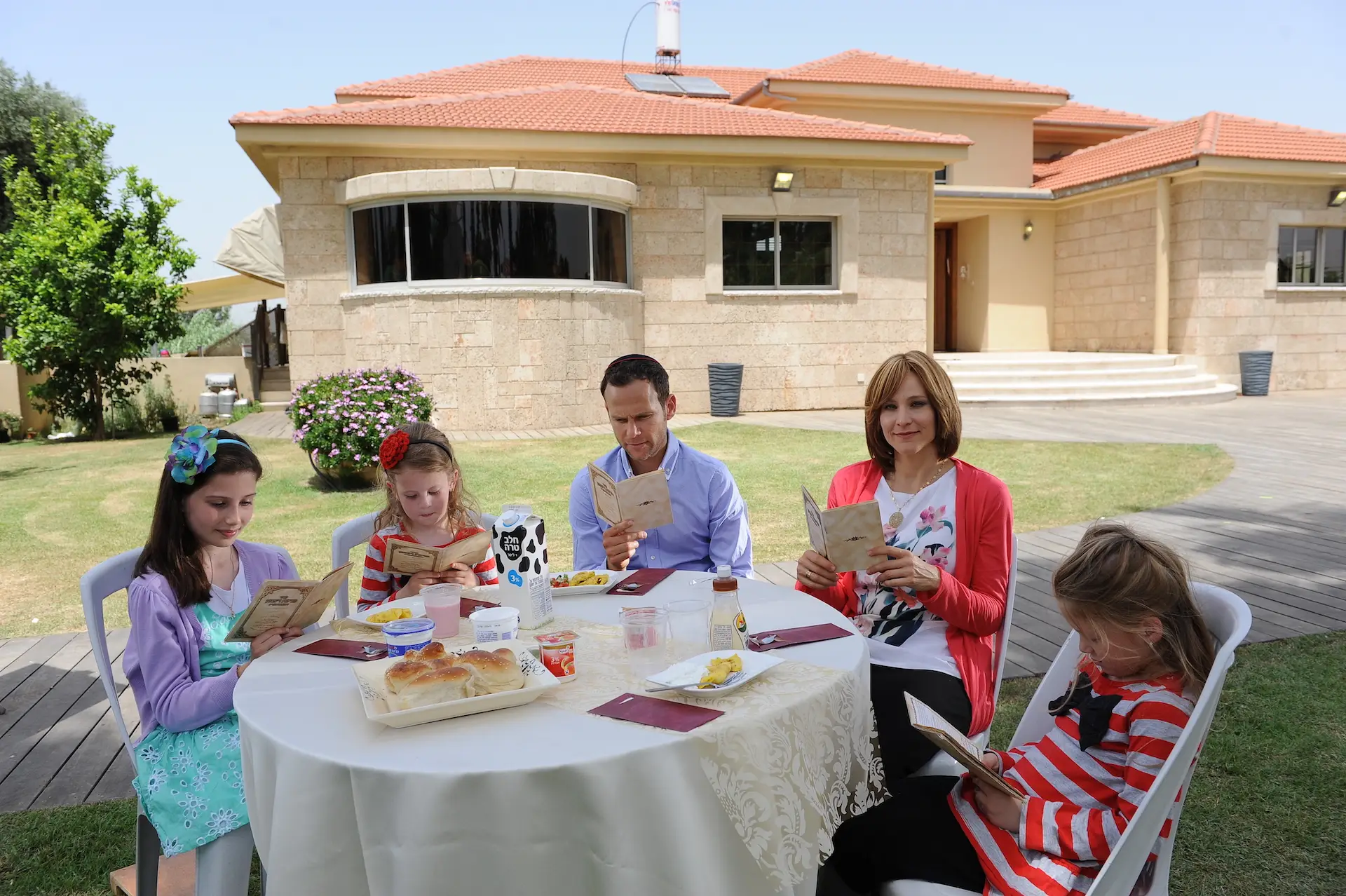
  • The wine should be poured into the Kiddush cup, and there should be two covered challot on the table.
  • The person reciting Kiddush should lift the cup of wine in the same manner as that described in the Friday night Kiddush. After lifting the cup, he concludes aloud the verses that he previously began reciting, with the words, “Therefore, G-d blessed the Shabbat day and sanctified it. Listen, sirs. Blessed are You … Who creates the fruit of the vine.”
  • After the blessing, the person who recited Kiddush must drink at least the majority of a reviit of wine from the cup. He should then pour additional wine into the cup and distribute a “taste” of the wine of Kiddush to everyone present.
  • After Kiddush, everyone should proceed to wash their hands for the meal. The blessing of Hamotzi is recited over two whole loaves of challah, and each slice of challah is dipped in salt.
  • The only difference between the procedure followed at the daytime meal and that of the nighttime meal lies in the way the challot are held. At the daytime meal, the head of the family holds the challah that he plans to cut in his right hand, slightly above the other challah—not below it, as is the case on Friday night.

The Meal

At the daytime meal as well, there is a mitzvah to honor and enjoy Shabbat by partaking of special foods and beverages. We increase our consumption mainly of fish, wine, and meat, and there is a custom to serve cholent at the daytime meal on Shabbat.

Instead of the song Azamer L’shvachin, which is dedicated to the Friday night meal, it is customary to sing a different song, Asader L’seudata, at the daytime meal.

  • During this meal, as well, it is important to focus the conversation on topics associated with the Torah portion of the week and with other Torah-related matters.

At the conclusion of the meal, Birkat Hamazon (Grace After Meals) is recited. We first wash our hands with the traditional mayim acharonim, then perform a zimun if ten adult Jewish males (13 years old or more) are present, and then recite Birkat Hamazon, adding the appropriate additional passages for Shabbat.

The Prohibition of Preparing on Shabbat for a Weekday

  • One should not wash or rinse dishes after the final Shabbat meal.
  • Guests who are staying at a hotel or another person’s 143 house on Shabbat should not begin packing their belongings before Shabbat ends in order to be able to leave immediately after Shabbat.
  • Children’s schoolbags should not be prepared on Shabbat for the next day

The Minchah Service

The afternoon service on Shabbat is a special time when G-d accepts our prayers much more readily. The prayers of Shabbat afternoon have been compared to those of Neilah, the final prayer on Yom Kippur.

As on every day, we recite Minchah on Shabbat anytime from half an hour after midday until sunset.

  • Minchah begins with Korbanot and Ashrei, followed by Uva Letzion.
  • The chazzan recites the Half Kaddish, and then we recite the verse, “And I, my prayer to You, G-d, should be at a good time. G-d, in Your great kindness, answer me with the truth of Your salvation.

This verse expresses the fact that we, the Jewish people, are different from all the other nations of the world. Even though we have sated ourselves with the lavish meals of Shabbat, we do not become intoxicated and fall asleep like the people in the world who lead empty, meaningless lives. On the contrary, even at the end of the day, we come to the synagogue, engage in prayer, and thank G-d for all the wonderful things that He has given us.

The Torah Reading

We then open the Ark and recite the prayers of “When the Ark traveled” and “Blessed is His Name.” The chazzan then announces, “Give praise to G-d with me, and we will exalt His Name together,” and the congregation recites the passages that appear in the siddur: “Yours, G-d, is the greatness…. Father of mercy … in a good measure, salvation and mercy.”

Three honorees are called to the Torah at the Minchah service on Shabbat. The first is a Kohen, the second is a Levi, and the third is a Yisrael. The Torah reading of Shabbat Minchah consists of the beginning of the following week’s Torah reading. Thus, for instance, on the Shabbat when we read Parshat Bereishit, the first portion in the Torah, at Minchah we read the beginning of the second section of the Torah, Parshat Noach.

  • In a deviation from the usual practice, we do not recite the Half Kaddish at the bimah after the Torah reading has concluded. Instead, Hagbahah and Gelilah are performed immediately.

After the Torah scroll has been lifted and rolled, the chazzan recites the Half Kaddish at the podium where he leads the prayers. The Torah scroll is returned to the Ark while the congregation recites the Amen response, and they recite the passage of Yehalelu together.

Once the chazzan has concluded the Kaddish and the Torah scroll has been returned to the Ark, the Shemoneh Esrei begins.

“You Are One”

Like most of the prayers of Shabbat, the Shemoneh Esrei of Minchah consist of the two sets of three blessings that begin and end every Shemoneh Esrei, in addition to a middle blessing that describes the sanctity of the Shabbat day.

This blessing, which begins with the words “You are One and Your Name is One,” opens with a description of the special bond that exists between the Jewish people, Shabbat, and G-d. Each of them is unique, but the three together also combine to form a single unit.

We then go on to mention our three forefathers, Abraham, Isaac, and Jacob, and express our confidence that they are glad to see their descendants observing Shabbat with tranquility, faith, and love for G-d.

The blessing concludes with the familiar passage beginning “Our G-d and the G-d of our forefathers” and the concluding words, “Blessed are You, G-d, Who sanctifies the Shabbat.”

  • The chazzan then repeats the Shemoneh Esrei, and the congregation recites Kedushah and Modim.

The Conclusion of the Prayer Service

After the chazzan’s repetition, we recite three verses that begin with the word Tzidkatcha, “Your righteousness.” The chazzan then recites the Full Kaddish, and we conclude our prayers with Aleinu.

The Tzidkatcha prayer expresses the same notion as the prayer of tziduk hadin, “justifying the decree,” that mourners recite in the cemetery in order to “accept” G-d’s decree upon them. These three verses correspond to the three great men who passed away at this hour on Shabbat: Moses, Joseph, and King David.

  • The verses of Tzidkatcha are not recited on a date when Tachanun would not have been recited on a weekday, such as Rosh Chodesh and the like. These verses correspond to the Tachanun we recite during the week.

Pirkei Avot

Beginning on the Shabbat after Passover and continuing until Rosh Hashanah, there is a custom to recite one chapter of the tractate Avot (Ethics of the Fathers) after Minchah on Shabbat. This tractate is also known as “Pirkei Avot.”

This Talmudic tractate is unique because, unlike the other tractates, which deal with Jewish law, the topic of this tractate is ethical development and proper interpersonal conduct. The study of these subjects is particularly apropos during the summer and vacation months, when there tends to be a more permissive atmosphere. Studying this tractate helps us maintain good character and fear of Heaven.

  • Before each chapter, one should recite the Mishnah that begins, “All of Israel have a portion in the World to Come.” At the end of each chapter, one should recite the quote from the Talmud attributed to Rabbi Chananya the son of Akashya.

Seudah Shlishit—The Third Meal

There is a mitzvah to eat three meals on Shabbat. The first takes place on Friday night, the second after the morning prayers, and the third after Minchah on Shabbat afternoon.

There are a couple of differences between the first two Shabbat meals and the third:

  • Kiddush is not recited over a cup of wine at this meal.
  • There is no obligation to wash one’s hands and recite the blessing of Hamotzi on challah at this meal. One may instead eat a food whose blessing is Borei Minei Mezonot, or even fruit, and thereby fulfill the obligation of eating “the third meal.”

During Seudah Shlishit, it is customary to recite Psalm 23 and Atkinu Seudata. It is also customary to sing Bnei Heichala, a song that appears in prayer books and zemirot booklets.

A person who wishes to continue his Seudah Shlishit meal after sunset must wash his hands and recite Hamotzi over two whole loaves of challah, as he does at the other meals.

  • In such a situation, when a person began Seudah Shlishit during Shabbat and concluded it after sunset, he is still required to recite the Shabbat additions in Birkat Hamazon since, from the standpoint of Jewish law, this meal is still connected to Shabbat.

Raava D’raavin

The sanctity of Shabbat reaches its peak just before it ends. The Zohar calls the time between Minchah and Maariv on Shabbat “raava d’raavin” (“will of wills,” i.e., a time when G-d is more willing than ever, so to speak, to accept our prayers and it is much easier to forge a connection with Him).

In many synagogues, the congregation spends Seudah Shlishit together. They sing various songs and tunes, and the rabbi or a congregant delivers a Torah lecture.

The Maariv Service

Officially, Shabbat concludes at the time of the emergence of three small stars. All Jewish communities, however, have the custom of “ending” Shabbat slightly later than the official time. By doing so, we extend the Shabbat atmosphere a little longer and take our leave of it in a way that sends the message that we wish we could stay with it longer.

  • We begin Maariv about 10 minutes after the time when three small stars appear.

On Motzaei Shabbat, we recite a standard Maariv service, beginning with V’hu Rachum and Barchu, followed by the Shema and its blessings and then by the Shemoneh Esrei.

In the fourth blessing of the Shemoneh Esrei, we insert a special paragraph called Atah Chonantanu, “You have graced us.” In this passage, we ask G-d to grant us a good, blessed week, a week that is free of sin and filled with virtuous deeds.

This blessing, the Havdalah blessing of the Shemoneh Esrei, is incorporated specifically into the blessing dealing with wisdom because our wisdom enables us to perceive the special nature of Shabbat and to distinguish between Shabbat and a regular weekday.

  • The chazzan does not repeat the Shemoneh Esrei at the Maariv service. The Shemoneh Esrei is followed by the Half Kaddish, recited by the chazzan.

After Kaddish, we recite a number of passages that are added to the service after Shabbat. These passages are recited while standing.

  • “May the pleasantness of G-d, our L-rd, be upon us….”
  • Psalm 91, “He Who dwells in secret, the Supreme One.” At the conclusion of this Psalm, we recite the last verse twice.
  • “And You are Holy”: This passage, which we recognize from Shacharit, incorporates many motifs and themes that are featured throughout the prayer services. After Shabbat, we omit the first section, from “A redeemer will come to Zion” until “from now and for all eternity.”

If a Festival (Rosh Hashanah, Passover, Shavuot, etc.) coincides with one of the days of the coming week, we omit all of these passages and proceed directly to Aleinu. This is because the opening verse of these passages discusses the “work of our hands,” the work that we will perform during the six work days of the coming week, and when a Festival falls out during the week, we will not have six consecutive days of work.

After the recitation of these passages, the chazzan recites the Full Kaddish and the congregation recites Aleinu. The prayer service then concludes.

Motzaei Shabbat

“Motzaei Shabbat” is the term for the time following the conclusion of Shabbat, until dawn of the following morning. After Shabbat concludes, we recite Havdalah over wine (as will be explained in the next chapter) and then have a special meal known as Melaveh Malkah.

  • One should not eat or drink anything after the conclusion of Shabbat until hearing Havdalah.
  • One should not perform any of the activities that are forbidden on Shabbat before Havdalah. If a person has an urgent need to perform a Melachah (after the conclusion of Shabbat itself) and he did not recite the passage of Atah Chonantanu in Maariv or he did not yet recite the Maariv service, he may say the words, “Blessed is He Who distinguishes between the sacred and the mundane,” and he may then perform whatever urgent activity he needed to do. Even in such a situation, he should still refrain from eating or drinking until after Havdalah.
  • Even women, who do not need to recite Maariv (and therefore do not recite Atah Chonantanu) should recite this declaration on Motzaei Shabbat before they perform any Melachah.

Havdalah

The Torah commands us to remember and “sanctify” Shabbat both when it arrives and when it departs. When Shabbat arrives, we recite Kiddush at the first meal, and after the conclusion of Shabbat, we recite the blessing of Havdalah, a special blessing whose purpose is to distinguish between Shabbat and the weekdays. We first recite Havdalah during the Shemoneh Esrei of Maariv after Shabbat (the passage of Atah Chonantanu), and then every person recites it for his family in his own home.

The Havdalah that we recite at home is recited over a cup of wine, just like Kiddush. In addition, we recite two other blessings: “Who creates types of herbs,” since we smell fragrant herbs at Havdalah, and “Who creates the lights of fire,” which is recited over a flame.

  • When it is not possible to make or hear Havdalah over a cup of wine, one can rely on the Havdalah of Atah Chonantanu that was recited during Maariv. In any event, after the prayer service has ended, one should recite the declaration, “Blessed is He Who distinguishes between the sacred and the mundane.”
  • A person who had no wine or was unable, for whatever reason, to recite Havdalah after Shabbat may recite Havdalah until Tuesday.

Why fragrant herbs?

On Shabbat, every Jew receives an additional soul (the neshamah yeteirah), which enables him or her to feel the sanctity of Shabbat. When Shabbat concludes, that special soul departs and we are left with only the regular, “weekday” soul.

Our Sages established a custom for us to smell fragrant herbs or spices every week after Shabbat in order to console the soul that remains within us, which is left feeling lonesome and sorrowful due to the departure of the “Shabbat soul.” We use the fragrance of the herbs to bring a touch of pleasure and joy to our souls, to console them for the loss of the neshamah yeteirah. The sense of smell has a direct connection with the soul, more so than other senses.

Why fire?

When the Torah lists the prohibitions associated with Shabbat observance, it cites fire as the paradigm of all the forbidden acts on Shabbat: “You shall not kindle a fire in your dwelling places on the Shabbat day.” Therefore, when Shabbat ends we light a fire in order to demonstrate that the forbidden labors of Shabbat are now permissible, although they were categorically forbidden on Shabbat itself.

There is another reason for this practice as well. After Adam was created on the sixth day of Creation, G-d caused the world to remain illuminated throughout the Shabbat day. After Shabbat ended and the world became dark for the first time, Adam was terrified and searched for some source of light. G-d caused him to find two stones and gave him the wisdom to rub them together, creating the first fire ever on the first Motzaei Shabbat in the history of the world. When Adam saw this, he lifted his gaze heavenward and thanked G-d for creating fire. We commemorate that event with the special blessing we recite on fire.

Before Havdalah

Before Havdalah, one should prepare a cup, wine of grape juice, a fragrant herb (such as mint leaves or cloves), and a candle or torch with at least two wicks. (When such a candle is not available, one may use two matches together instead.)

  • As we have already mentioned, it is forbidden to eat or drink until after Havdalah.

  • Unlike Kiddush, Havdalah may be recited over beer or a cup of coffee. From a strict halachic standpoint, one can make Havdalah using any beverage that is considered something respectful to serve to guests.
  • It is customary for the head of the household or another adult to recite Havdalah for everyone present. Unlike with regard to Kiddush, there is no added benefit in each person reciting Havdalah individually.

The Havdalah Procedure

Aside from the distinctions that we have previously mentioned, the laws pertaining to Havdalah are identical to those pertaining to Kiddush; see above.

  • It is customary to fill the Havdalah cup to the point that it overflows, symbolizing blessing and abundance.

The person reciting Havdalah grasps the cup of wine in the appropriate manner (as is done at Kiddush) and recites the first passage: “Behold, G-d is my salvation, I shall trust and shall not fear.”

  • After he concludes the words, “May the King answer us on the day we call out,” everyone present recites the next words together: “The Jews had light, gladness, rejoicing, and honor; so may it be for us,” and then the person reciting Havdalah repeats those words and concludes the passage with the words, “I will lift the cup of salvation and cal out in the Name of G-d.”

He then recites the blessing, “Blessed are You … Who creates the fruit of the vine,” and places the cup on the table without drinking from it. Everyone present should respond “Amen” after the blessing.

The blessing over wine is followed by the next blessing, “Blessed are You … Who creates species of fragrant herbs.” Every individual present then repeats this blessing to himself and smells the fragrant herbs, holding them in his right hand.

The next blessing is “Blessed are You … Who creates the lights of fire.” Again, everyone present repeats this blessing and then places their hands close to the fire, gazing at them in such a way that the candlelight is reflected off their palms and nails.

The person reciting Havdalah now lifts the cup again and recites the blessing of Havdalah: “Blessed are You … Who distinguishes between the sacred and the mundane, between light and darkness, between Israel and the nations, between the seventh day and the six days of work. Blessed are You, G-d, Who distinguishes between the sacred and the mundane.”

  • After this blessing, everyone present responds “Amen.”

At the conclusion of the blessing, the person who recited Havdalah sits and drinks a quantity of wine equal to at least a majority of a reviit.

Would you like a mnemonic device to help you remember the order of the blessings of Havdalah? Here are two:

  1. If you speak Hebrew, you can remember the acronym YAVNEH, which is spelled Yud Bet Nun Heh. Yud stands for yayin, “wine,” on which the first blessing is recited. Bet is for besamim, “fragrant herbs.” Nun stands for ner, “candle.” And heh stands for havdalah, the fourth blessing.
  2. Another way to remember it is to keep in mind that the blessings relate to the parts of our head, starting at the bottom and continuing until the top. The first blessing is the blessing on wine, which we drink with our mouths. The next blessing is recited on the fragrant herbs, and the sense of smell is based in the nose. The third blessing is on the fire, which we see with our eyes. And the fourth and final blessing, the blessing of Havdalah, relates to the wisdom of the mind.

After Havdalah

It is customary to extinguish the Havdalah candle by dipping the wicks lightly into the wine that spilled on the plate while pouring some of the wine remaining in the cup over the flames. The purpose of this is to make it apparent that the candle was lit for the sake of the mitzvah of Havdalah.

  • After drinking the wine, the person who recited Havdalah should recite the after-blessing, “Blessed are You … on the vine and on the fruit of the vine.”
  • Unlike the Kiddush wine, the wine of Havdalah is not distributed to others to drink.

There is a common custom to dip one’s fingertips in the pool of wine in the plate and then dab the wine on the eyes. This expresses love for the mitzvah and is also considered to have a healing effect on the eyes. Some people say the words “G-d’s commandments are pure, illuminating the eyes,” while they do so. Some also moisten their fingers with wine and place them in their pockets to create a good omen for their sustenance.

  • In many communities, it is customary to sing special zemirot after the conclusion of Havdalah.

“V’yitain lecha”

After Havdalah, we recite several sets of verses, beginning with the passage of “V’yiten lecha Elokim—G-d should give you.” These passages are printed in prayer books after Havdalah.

The first set of verses is drawn from the blessings that Isaac bestowed on Jacob. We then continue with the blessings that Jacob pronounced over his grandsons, Menashe and Ephraim (“The angel who redeems me…”), and we quote from the blessings that G-d promises to the Jewish people when they conduct themselves properly (“You are blessed in the city…”). We then continue with another assortment of blessings (“Israel is saved by G-d …”) that concludes with the famous verse, “G-d will give strength to His nation; G-d will bless His nation with peace.”

We begin the new week with these verses so that our very first act of the week should be associated with sanctity and blessing. The recitation of these passages after Havdalah is considered a significant means to attain success and prosperity in the coming week.

  • It is customary to recite these verses in groups of two people—e.g., two friends together, a father and son together, a husband and wife together, etc.—because the blessing of “G-d should give you” is written in the second person.
  • Women and girls are not obligated to recite these passages, but a woman may recite them along with her husband.

Kiddush Levanah—The Blessing of the New Moon

Kiddush Levanah is a special blessing that we recite once a month in honor of the “rebirth” of the moon. (Levanah is a term for the moon.) In this blessing, we thank G-d for having created the moon and for “renewing” it on a monthly basis.

The Jewish calendar revolves around the lunar cycle, so the dates of the Jewish holidays are always associated with specific parts of that cycle. That is why we ascribe particular importance to the birth of the moon, and that is why it is given a special blessing in our prayers.

The moon and its monthly renewal are symbolic of the Jewish people as a whole. Just as the moon waxes and wanes every month, the Jewish people also have experienced many ups and downs over the course of their long history.

In the Kiddush Levanah service, we “console” both the moon and ourselves with the fact that in the future, when the Messiah comes, we will return to our rightful place with respect to the nations of the world. The moon will then also return to its original state at the time of its creation, and it will illuminate the world with the same intensity as the sun.

When to Recite Kiddush Levanah

Kiddush Levanah is recited once a month and may be recited anytime after the moon first appears in the sky. Some have the custom of reciting it after the first three days of the month have passed, but those who follow the teachings of Kabbalah have the custom of waiting until seven days after the molad, when the moon is bright and it is possible to benefit from its light.

Kiddush Levanah may be recited on any night between the seventh of the month and the fourteenth, but it is customary to recite it after Shabbat, when we are still dressed in our Shabbat finery.

  • During the winter months, when the moon is obscured by clouds on Motzaei Shabbat, one may recite Kiddush Levanah on a different night, but only until the fourteenth of the month.

Question: In the past, many pagan nations used to worship the sun or the moon? Isn’t Kiddush Levanah reminiscent of their reprehensible practices?

Answer: It is exactly the opposite! In Kiddush Levanah, we express our recognition that G-d created the moon. The blessing is a blessing on the moon, but we are not praying to it. It is important to recognize that Judaism forbids us to pray to or worship any being (including heavenly bodies such as the sun, moon, or stars) other than G-d.

It is precisely for this reason that there is a custom to grasp the fringes of the tallit katan after the blessing, in order to sharpen our awareness of the fact that we are praying to the Creator of the universe, Who gave us His commandments, including the commandment of tzitzit.

The Order of Kiddush Levanah

  • Kiddush Levanah is recited outdoors, under the open sky. One should be standing and should face eastward (and not in the direction of the moon).

The Kiddush Levanah service begins with the Psalm “Halleluy-ah, praise G-d from the heavens,” the Psalm that describes how the heavens and all of the celestial bodies sing the praises of G-d: “Praise Him, all of His angels. Praise Him, all of His legions. Praise Him, sun and moon. Praise Him, all the stars that give light.”

  • Before the actual blessing over the moon, one should place both feet together and look at the moon briefly.

We then recite the blessing over the moon: “Blessed are You … Who created the heavens with His word.” In this blessing, we describe how G-d allotted a specific task and time period to each of His creations in the sky and none of them have the ability to change the routes in which they travel, but they perform their tasks out of great job because they know that it is G-d’s Will.

  • During the actual recitation of the blessing, one should not look at the moon. Instead, one should read the text from a prayer book or other source.

During the paragraph beginning with “Blessed is your Maker,” which concludes with, “Dread will fall upon them,” we use our heels to lift our bodies upward three times. We repeat this entire procedure, raising ourselves on our heels and reciting the same paragraph, another two times, for a total of three repetitions.

In this passage, we bless G-d for having created the moon and proclaim that just as we “dance” before the moon and are unable to touch it, so too all of our enemies should be unable to “touch” us or cause us any harm.

We then recite the following passages three times each, as a sign of strength:

  • “David the king of Israel is alive and well.”
  • We greet three people with the words “Shalom Aleichem.” The greeting is returned with the words “Aleichem Shalom.”
  • “A good sign and good fortune should be upon us and all of Israel, Amen.”

This is followed by a passage from Song of Songs, which was authored by King Solomon. The passage begins with the words, “Behold, the voice of my beloved is coming.” In this lyrical passage, King Solomon compares the King Messiah to a beloved spouse who is coming quickly and whose speed is similar to that of a deer or gazelle. The Redemption is essentially waiting in the wings for us, and the Messiah is looking out at us through the windows and “peeking” through the openings in the wall to see if we are ready for him to come.

We then add two chapters of Psalms: “A song of ascents, I lift my eyes up to the mountains” and “Halleluy-ah, praise G-d in His sanctity.” These Psalms are followed by a passage from the Talmud in Tractate Sanhedrin, “It was taught in the house of Rabbi Yishmael,” which describes the special nature of the blessing over the moon. The Talmud states that even if the Jewish people had only this one single mitzvah of Kiddush Levanah, that would be enough for them, for this mitzvah is equivalent in its significance to greeting the Divine Presence itself.

We pray to G-d to restore the light of the moon to its original intensity, to the point that it is equivalent to the light of the sun at the time of Creation. At the same time, we also pray that the Jewish people, who are often compared to the moon, be restored to their original standing and that all the nations of the world recognize their special status.

We then recite Psalm 67 and conclude with Aleinu.

  • When Kiddush Levanah is recited with a minyan, an orphan or mourner recites the Orphans’ Kaddish at this point.
  • At the end of the service, we shake out the corners of the tallit katan.

Because Kiddush Levanah is recited outdoors at night, when there is generally insufficient light, the passages are generally printed in prayer books in particularly large letters to make them easy to read.

Many synagogues also have special pamphlets in which the passages are printed in large letters, or a poster on the wall on which the prayer is printed in easy-to-read print.

In Hebrew, there is a common figure of speech, “Kiddush Levanah letters,” which is derived from this phenomenon.

Shabbatot

Certain Shabbatot have special names, after a Torah portion that is read that week, the particular week when that Shabbat occurs, or an event that took place on that Shabbat. The following is an overview of those unique Shabbatot, in the order in which they occur during the calendar year:

Shabbat Mevarchim

This is the Shabbat that precedes every Rosh Chodesh (the beginning of the Hebrew month), when we recite the Blessing of the New Month and announce the day of the week when Rosh Chodesh will take place.

  • On these weeks, it is customary to arise earlier in the morning than on a regular Shabbat and to recite the entire Book of Psalms before Shacharit. This custom has a unique power to bring about prosperity and success for the one who recites them, as well as for his children and grandchildren.
  • It is customary to have a Kiddush in the synagogue on these weeks, following the conclusion of Mussaf.

Shabbat Shuvah

This is the Shabbat between Rosh Hashanah and Yom Kippur. The name of this Shabbat is derived from the Haftarah that is recited on this Shabbat after the Torah reading, which begins with the words, “Shuvah Yisrael ad Hashem Elokecha—Return, Israel, to G-d, your L-rd.”

This Shabbat is also sometimes known as “Shabbat Teshuvah” since it takes place during the Ten Days of Repentance between Rosh Hashanah and Yom Kippur. (Teshuvah is the Hebrew word for repentance.)

Shabbat Bereishit

This is the Shabbat that follows Simchat Torah. It is the last Shabbat in the Hebrew month of Tishrei, and it is the Shabbat when we begin the new yearly cycle of the Torah reading with the first portion of the Torah, Bereishit.

Shabbat Shirah

This is the Shabbat when we read the Torah portion of Beshalach, which contains the Song of the Sea (“Then Moses sang…”). This Shabbat generally occurs around Tu B’Shevat.

The Song of the Sea

On the Shabbat between the 10th and 17th of Shevat, the Torah portion “Beshalach” is read in the synagogue, and this Shabbat is called “Shabbat Shirah” because the “Song of the Sea” – the song that the children of Israel sang after the miracle of the parting of the Red Sea: “Then Moses and the children of Israel sang” is read.

We recite the Song of the Sea every morning during the Shacharit prayer, as part of “Praise Verses.” Here is a brief overview of this song:

After the Exodus from Egypt, Pharaoh chases the children of Israel, ‘closing’ the road behind them and trapping them: ahead – the Red Sea, on both sides – mountains and hills, and behind them – the mighty Egyptian army. God commands Moses: “Tell the children of Israel to move on!”

The entire nation enters the sea, and the most famous miracle in history occurs: the sea ‘splits’, ‘tears’ into two, and a dry passage is formed in which the children of Israel pass. After the miracle of the parting of the Red Sea, all the children of Israel stand together with Moses, break into song and offer a prayer of gratitude and praise to the Creator of the World for saving them from the Egyptians.

  • In some communities, the song is read during the Torah reading in a special melody, and it is customary for the Rabbi to be called to the Torah for the reading of “Then sang.”

The Bird Custom

On Friday, the eve of this Shabbat, it is customary to scatter seeds or leftover food for the birds to eat during Shabbat.

There are several explanations for this interesting custom, and below are two main ones:

Remembering the Manna

In the Torah portion of “Beshalach”, we also read about the story of the Manna – the heavenly food that descended from the heavens every day for forty years of Israel’s wanderings in the desert after their exodus from Egypt.

The Manna would fall every weekday, and Moses told the people that the Manna would not descend on the Sabbath day, and on Friday double the amount would descend – also for the Sabbath day.

In that generation, there were two wicked men named Dathan and Abiram, who were prominent opponents of Moses, and they sought to refute his words. What did these wicked men do? On the Sabbath at dawn, they quietly left their homes and scattered the Manna they had from Friday across the desert, in order to show everyone that indeed, Manna also falls on the Sabbath!

The birds flying in the air ‘picked up’ the scattered bounty below, descended in droves, and ate all the Manna without leaving a single crumb. Meanwhile, Dathan and Abiram roused the people from the camp so that they could see with their own eyes how Moses had deceived them, but when they arrived at the place they found nothing, and all the people declared: “Moses is true and his Torah is true.”

As a reward for the birds ‘helping’ and ‘defending’ the honor of Moses, we ‘reward’ the birds, and ensure (especially) on this Sabbath that they have enough food.

Remembering the Splitting of the Red Sea

According to Jewish legend, at the time of the miracle of the splitting of the Red Sea, after all the Jews had passed through the sea, the birds chirped joyously and ‘sang’ along with the ‘Song of the Sea’ sung by Moses and the children of Israel.

God performed a miracle and within the ‘dry path’ that was created in the sea, trees with sweet fruits grew rapidly, and the small children picked from them and fed the birds that ‘sang’ and ‘danced’ above them…

In remembrance of this, it is customary in certain communities to gather the children on “Shabbat Shira” in the courtyard of the synagogue, to tell them the story of the splitting of the Red Sea, and to give the children seeds or other foods so that they can feed the birds.

Shabbat Shekalim

This is the first Shabbat in the series of the four special Torah readings that take place, in addition to the weekly Torah portion, beginning on the Shabbat before the month of Adar, until the Shabbat before the month of Nissan.

Shabbat Shekalim always either coincides with the Rosh Chodesh of Adar or takes place on the Shabbat prior to the first day of Adar. On this Shabbat, we read the Torah portion of the “shekalim,” which deals with the obligation of every Jew to bring a “half shekel” as his donation toward the communal sacrifices offered in the Holy Temple.

In a Hebrew leap year, when there are two months of Adar, this Shabbat is associated with the second.

Shabbat Zachor

This is the second in the series of the “Four Parshiyot.”

On the Shabbat before Purim, we read the section of the Torah that begins, “Remember what Amalek did to you.” The Torah there teaches that we are obligated to remember the war against Amalek that took place shortly after our Exodus from Egypt, and that we are obligated to wipe out the memory of Amalek.

This portion of the Torah is read before Purim because the wicked Haman was a direct descendant of Agag, the king of Amalek, and on Purim Haman and his ten sons were hanged.

Shabbat Hachodesh

This is the fourth and last Shabbat in the series of the “Four Parshiyot.”

When the first day of the Hebrew month of Nissan coincides with Shabbat, that is Shabbat Hachodesh. Otherwise, Shabbat Hachodesh takes place on the Shabbat preceding the first day of Nissan. On this Shabbat, we read the Torah portion that begins, “This month is the beginning of months for you.” Among other things, this Torah portion teaches us that the month of Nissan is defined as the first month in the Hebrew calendar.

Shabbat Hachodesh

This is the Shabbat prior to the holiday of Passover. It is called Shabbat Hagadol, “the great Shabbat,” because a great miracle happened on this Shabbat before the Jews left Egypt: the firstborn Egyptians fought with and killed their fathers, who were refusing to free the enslaved Jewish people.

The Haftarah of this Shabbat also concludes with the words, “before the coming of the great [hagadol] and awesome day of G-d.”

  • On this Shabbat, the rabbi delivers an address dealing with the laws of the holiday of Passover.

Shabbat Chazon

This is the Shabbat before Tishah B’Av, on which the Haftarah begins with the words “Chazon Yeshayahu ben Amotzi—the vision of Isaiah, the son of Amotz.” The Haftarah describes the difficult spiritual state of the Jewish people during the time of the First Temple, which led to the exile of the Ten Tribes from the land and then to the destruction of the Temple.

Rabbi Levi Yitzchak of Berdichev used to say that this Shabbat is called Shababt Chazon because on this Shabbat, the soul of every Jew is shown a vision of the Third Temple in order to awaken them to improve their actions so that the Temple will be rebuilt during their lives.

Shabbat Nachamu

This is the Shabbat after Tishah B’Av, when the Haftarah begins with the words “Nachamu, nachamu ami—Comfort, comfort My people.” This Haftarah, which is drawn from the Book of Isaiah, describes a vision of consolation and redemption.

prev
next

Reviews

{{ reviewsTotal }}{{ options.labels.singularReviewCountLabel }}
{{ reviewsTotal }}{{ options.labels.pluralReviewCountLabel }}
{{ options.labels.noReviewsLabel }}
{{ options.labels.newReviewButton }}
{{ userData.canReview.message }}

שיתוף

Facebook

       X          

Gmail

whatsapp

העתקת קישור

קדיש יתום – 'יהא שלמא'

יִתְגַּדַּל וְיִתְקַדַּשׁ שְׁמֵהּ רַבָּא. (הקהל עונה: אמן) בְּעָלְמָא דִּי בְרָא כִרְעוּתֵהּ וְיַמְלִיךְ מַלְכוּתֵהּ, וְיַצְמַח פּוּרְקָנֵהּ וִיקָרֵב מְשִׁיחֵהּ. (הקהל עונה: אמן) בְּחַיֵּיכוֹן וּבְיוֹמֵיכוֹן וּבְחַיֵּי דְכָל בֵּית יִשְׂרָאֵל, בַּעֲגָלָא וּבִזְמַן קָרִיב וְאִמְרוּ אָמֵן: (הקהל עונה: אָמֵן: יְהֵא שְׁמֵהּ רַבָּא מְבָרַךְ לְעָלַם וּלְעָלְמֵי עָלְמַיָּא. יִתְבָּרֵךְ) יְהֵא שְׁמֵהּ רַבָּא מְבָרַךְ לְעָלַם וּלְעָלְמֵי עָלְמַיָּא. יִתְבָּרֵךְ, וְיִשְׁתַּבַּח, וְיִתְפָּאֵר, וְיִתְרוֹמָם, וְיִתְנַשֵּׂא, וְיִתְהַדָּר, וְיִתְעַלֶּה, וְיִתְהַלָּל, שְׁמֵהּ דְּקֻדְשָׁא בְּרִיךְ הוּא. (הקהל עונה: אמן) לְעֵלָּא מִן כָּל בִּרְכָתָא וְשִׁירָתָא, תֻּשְׁבְּחָתָא וְנֶחֱמָתָא, דַּאֲמִירָן בְּעָלְמָא, וְאִמְרוּ אָמֵן: (הקהל עונה: אמן)

יְהֵא שְׁלָמָא רַבָּא מִן שְׁמַיָּא וְחַיִּים טוֹבִים עָלֵינוּ וְעַל כָּל יִשְׂרָאֵל וְאִמְרוּ אָמֵן:

עֹשֶׂה שָׁלוֹם (בעשי”ת הַשָּׁלוֹם) בִּמְרוֹמָיו הוּא יַעֲשֶׂה שָׁלוֹם עָלֵינוּ וְעַל כָּל יִשְׂרָאֵל וְאִמְרוּ אָמֵן: (הקהל עונה: אמן)

קדיש דרבנן – 'על ישראל'

יִתְגַּדַּל וְיִתְקַדַּשׁ שְׁמֵהּ רַבָּא. (הקהל עונה: אמן) בְּעָלְמָא דִּי בְרָא כִרְעוּתֵהּ וְיַמְלִיךְ מַלְכוּתֵהּ, וְיַצְמַח פּוּרְקָנֵהּ וִיקָרֵב מְשִׁיחֵהּ. (הקהל עונה: אמן) בְּחַיֵּיכוֹן וּבְיוֹמֵיכוֹן וּבְחַיֵּי דְכָל בֵּית יִשְׂרָאֵל, בַּעֲגָלָא וּבִזְמַן קָרִיב וְאִמְרוּ אָמֵן: (הקהל עונה: אָמֵן: יְהֵא שְׁמֵהּ רַבָּא מְבָרַךְ לְעָלַם וּלְעָלְמֵי עָלְמַיָּא. יִתְבָּרֵךְ) יְהֵא שְׁמֵהּ רַבָּא מְבָרַךְ לְעָלַם וּלְעָלְמֵי עָלְמַיָּא. יִתְבָּרֵךְ, וְיִשְׁתַּבַּח, וְיִתְפָּאֵר, וְיִתְרוֹמָם, וְיִתְנַשֵּׂא, וְיִתְהַדָּר, וְיִתְעַלֶּה, וְיִתְהַלָּל, שְׁמֵהּ דְּקֻדְשָׁא בְּרִיךְ הוּא. (הקהל עונה: אמן) לְעֵלָּא מִן כָּל בִּרְכָתָא וְשִׁירָתָא, תֻּשְׁבְּחָתָא וְנֶחֱמָתָא, דַּאֲמִירָן בְּעָלְמָא, וְאִמְרוּ אָמֵן: (הקהל עונה: אמן)

עַל יִשְׂרָאֵל וְעַל רַבָּנָן. וְעַל תַּלְמִידֵיהוֹן וְעַל כָּל תַּלְמִידֵי תַלְמִידֵיהוֹן. וְעַל כָּל מָאן דְּעָסְקִין בְּאוֹרַיְתָא. דִּי בְאַתְרָא הָדֵין וְדִי בְכָל אֲתַר וַאֲתַר. יְהֵא לְהוֹן וּלְכוֹן שְׁלָמָא רַבָּא חִנָּא וְחִסְדָּא וְרַחֲמִין וְחַיִּין אֲרִיכִין וּמְזוֹנָא רְוִיחָא וּפֻרְקָנָא מִן קֳדָם אֲבוּהוֹן דְּבִשְׁמַיָּא וְאִמְרוּ אָמֵן: (הקהל עונה: אמן)

יְהֵא שְׁלָמָא רַבָּא מִן שְׁמַיָּא וְחַיִּים טוֹבִים עָלֵינוּ וְעַל כָּל יִשְׂרָאֵל וְאִמְרוּ אָמֵן:

עֹשֶׂה שָׁלוֹם (בעשי”ת הַשָּׁלוֹם) בִּמְרוֹמָיו הוּא יַעֲשֶׂה שָׁלוֹם עָלֵינוּ וְעַל כָּל יִשְׂרָאֵל וְאִמְרוּ אָמֵן: (הקהל עונה: אמן)

חצי קדיש

יִתְגַּדַּל וְיִתְקַדַּשׁ שְׁמֵהּ רַבָּא. (הקהל עונה: אמן) בְּעָלְמָא דִּי בְרָא כִרְעוּתֵהּ וְיַמְלִיךְ מַלְכוּתֵהּ, וְיַצְמַח פּוּרְקָנֵהּ וִיקָרֵב מְשִׁיחֵהּ. (הקהל עונה: אמן) בְּחַיֵּיכוֹן וּבְיוֹמֵיכוֹן וּבְחַיֵּי דְכָל בֵּית יִשְׂרָאֵל, בַּעֲגָלָא וּבִזְמַן קָרִיב וְאִמְרוּ אָמֵן: (הקהל עונה: אָמֵן: יְהֵא שְׁמֵהּ רַבָּא מְבָרַךְ לְעָלַם וּלְעָלְמֵי עָלְמַיָּא. יִתְבָּרֵךְ) יְהֵא שְׁמֵהּ רַבָּא מְבָרַךְ לְעָלַם וּלְעָלְמֵי עָלְמַיָּא. יִתְבָּרֵךְ, וְיִשְׁתַּבַּח, וְיִתְפָּאֵר, וְיִתְרוֹמָם, וְיִתְנַשֵּׂא, וְיִתְהַדָּר, וְיִתְעַלֶּה, וְיִתְהַלָּל, שְׁמֵהּ דְּקֻדְשָׁא בְּרִיךְ הוּא. (הקהל עונה: אמן) לְעֵלָּא מִן כָּל בִּרְכָתָא וְשִׁירָתָא, תֻּשְׁבְּחָתָא וְנֶחֱמָתָא, דַּאֲמִירָן בְּעָלְמָא, וְאִמְרוּ אָמֵן: (הקהל עונה: אמן)

נוסח חנוכת הבית

אם זה בית חדש מברכים:

“ברוך אתה ה’ אלוקינו מלך העולם שהחיינו וקיימנו והגיענו לזמן הזה.

על קביעת מזוזה מברכים:
“ברוך אתה ה’ אלוקינו מלך העולם אשר קדשנו במצוותיו וציוונו לקבוע מזוזה.”

א מִזְמוֹר: שִׁיר־חֲנֻכַּת הַבַּיִת לְדָוִד.
ב אֲרוֹמִמְךָ יְהוָה, כִּי דִלִּיתָנִי; וְלֹא־שִׂמַּחְתָּ אֹיְבַי לִי.
ג יְהוָה אֱלֹהָי– שִׁוַּעְתִּי אֵלֶיךָ, וַתִּרְפָּאֵנִי.
ד יְהוָה–הֶעֱלִיתָ מִן־שְׁאוֹל נַפְשִׁי; חִיִּיתַנִי, מִיָּרְדִי- בּוֹר.
ה זַמְּרוּ לַיהוָה חֲסִידָיו; וְהוֹדוּ, לְזֵכֶר קָדְשׁוֹ.
ו כִּי רֶגַע, בְּאַפּוֹ– חַיִּים בִּרְצוֹנוֹ:
בָּעֶרֶב, יָלִין בֶּכִי; וְלַבֹּקֶר רִנָּה.
ז וַאֲנִי, אָמַרְתִּי בְשַׁלְוִי- בַּל־אֶמּוֹט לְעוֹלָם.
ח יְהוָה– בִּרְצוֹנְךָ, הֶעֱמַדְתָּה לְהַרְרִי־עֹז:
הִסְתַּרְתָּ פָנֶיךָ; הָיִיתִי נִבְהָל.
ט אֵלֶיךָ יְהוָה אֶקְרָא; וְאֶל־אֲדֹנָי, אֶתְחַנָּן.
י מַה־בֶּצַע בְּדָמִי, בְּרִדְתִּי אֶל־שָׁחַת:
הֲיוֹדְךָ עָפָר; הֲיַגִּיד אֲמִתֶּךָ.
יא שְׁמַע־יְהוָה וְחָנֵּנִי; יְהוָה, הֱיֵה־עֹזֵר לִי.
יב הָפַכְתָּ מִסְפְּדִי, לְמָחוֹל לִי: פִּתַּחְתָּ שַׂקִּי; וַתְּאַזְּרֵנִי שִׂמְחָה.
יג לְמַעַן, יְזַמֶּרְךָ כָבוֹד– וְלֹא יִדֹּם:
יְהוָה אֱלֹהַי, לְעוֹלָם אוֹדֶךָּ.

בָּרוּךְ אַתָּה בְּבֹאֶךָ.
וַיְהִי יְהֹוָה אֶת יוֹסֵף וַיְהִי אִישׁ מַצְלִיחַ.
וַיְהִי דָוִד לְכָל דְּרָכָיו מַשְׂכִּיל וַיְהֹוָה עִמּוֹ.
וִיהִי נֹעַם אֲדֹנָי אֱלֹהֵינוּ עָלֵינוּ וּמַעֲשֵׂה יָדֵינוּ כּוֹנְנָה עָלֵינוּ וּמַעֲשֵׂה יָדֵינוּ כּוֹנְנֵהוּ.

אָנָּא בְּכֹחַ גְדֻּלַּת יְמִינְךָ תַּתִּיר צְרוּרָה: (אב”ג ית”ץ)
קַבֵּל רִנַּת עַמְּךָ שַׂגְּבֵנוּ טַהֲרֵנוּ נוֹרָא: (קר”ע שט”ן)
נָא גִבּוֹר דוֹרְשֵׁי יִחוּדְךָ כְּבָבַת שָׁמְרֵם: (נג”ד יכ”ש)
בָּרְכֵם טַהֲרֵם רַחֲמֵי צִדְקָתְךָ תָּמִיד גָמְלֵם: (בט”ר צת”ג)
חֲסִין קָדוֹשׁ בְּרוֹב טוּבְךָ נַהֵל עֲדָתְךָ: (חק”ב טנ”ע)
יָחִיד גֵּאָה, לְעַמְּךְ פְּנֵה זוֹכְרֵי קְדֻשָּׁתְךָ: (יג”ל פז”ק)
שַׁוְעָתֵנוּ קַבֵּל וּשְׁמַע צַעֲקָתֵנוּ יוֹדֵעַ תַעֲלֻמוֹת: (שק”ו צי”ת)
בלחש: בָּרוּךְ שֵׁם כְּבוֹד מַלְכוּתוֹ לְעוֹלָם וָעֶד:

וְהִנֵּה אֲנַחְנוּ מְאַלְּמִים אֲלֻמִּים בְּתוֹךְ הַשָּׂדֶה, וְהִנֵּה קָמָה (יְכַוֵּן בְּשֵׁם הק”מ) אֲלֻמָּתִי וְגַם
נִצָּבָה, וְהִנֵּה תְסֻבֶּינָה אֲלֻמֹּתֵיכֶם וַתִּשְׁתַּחֲוֶיןָ לאֲַלֻמָּתִי:

יְהִי רָצוֹן מִלְּפָנֶיךָ יְהֹוָה אֱלֹהֵינוּ ואֱלֹהֵי אֲבוֹתֵינוּ, מֶלֶךְ רַחוּם וְחַנּוּן שֶׁתִּתְמַלֵּא רַחֲמִים עָלִינוּ,
וּבְרֹב רַחֲמֶיךָ וּבִזְּכוּת שֵׁמוֹת הַקְּדוֹשִׁים הַיּוֹצְאִים מִפְּסוּקִים אֵלּוּ, תַּצְלִיחֵנוֹ לָנוּ וּלְכָל זַרְעֵנוּ
בְּבַיִת זֶה בִּכְּלָל וּבִפְרָט, וְנִהְיֶה כֻּלָּנוּ מֻצְלָחִים וּמְבֹרָכִים בַּכֹּל מִכֹּל כֹּל, וְתַצִּילֵנוּ מֵעֵין הָרֵעַ,
וּמִכָּל חֵטְא, וּמִכָּל חֹלִי, וּמִכָּל צָרָה, וְיִהְיוּ בָּתֵּינוּ בְּכָל מָקוֹם בָּתִּים מְלֵאִים כָּל טוּב,
מֻצְלָחִים וּמְבֹרָכִים לָנוּ וּזַרְעֵנוּ. אָמֵן נֶצַח סֶלָה וָעֶד.
אָמֵן כֵן יְהִי רָצוֹן.

יְהִי חַסְדְּךָ יְהֹוָה עָלֵינוּ. כַּאֲשֶׁר יִחַלְנוּ לָךְ.
הַרְאֵנוּ יְהֹוָה חַסְדֶּךָ. וְיֶשְׁעֲךָ תִּתֶּן לָנוּ.
וַאֲנִי בְּחַסְדְּךָ בָטַחְתִּי יָגֵל לִבִּי בִּישׁוּעָתֶךָ. אָשִׁירָה לַיְהֹוָה כִּי גָמַל עָלָי.
הִנֵּה אֵל יְשׁוּעָתִי אֶבְטַח וְלֹא אֶפְחָד. כִּי עָזִּי וְזִמְרָת יָהּ יְהֹוָה. וַיְהִי לִי לִישׁוּעָה.

תּוֹרָה צִוָּה לָנוּ מֹשֶׁה מוֹרָשָׁה קְהִלַּת יַעֲקֹב.
שְׁמַע יִשְׂרָאֵל ה’ אֱ-לֹהֵינוּ ה’ אֶחָד.
בְּכָל דּוֹר וָדוֹר חַיָּב אָדָם לִרְאוֹת אֶת עַצְמוֹ כְּאִלּוּ הוּא יָצָא מִמִּצְרַיִם.
כָּל יִשְׂרָאֵל יֵשׁ לָהֶם חֵלֶק לְעוֹלָם הַבָּא, שֶׁנֶּאֱמַר: וְעַמֵּךְ כֻּלָּם צַדִּיקִים לְעוֹלָם יִירְשׁוּ אָרֶץ,
נֵצֶר מַטָּעַי מַעֲשֵׂה יָדַי לְהִתְפָּאֵר.
כִּי קָרוֹב אֵלֶיךָ הַדָּבָר מְאֹד בְּפִיךָ וּבִלְבָבְךָ לַעֲשׂוֹתוֹ.

וְהִנֵּה ה’ נִצָּב עָלָיו וּמְלֹא כָּל הָאָרֶץ כְּבוֹדוֹ וּמַבִּיט עָלָיו וּבוֹחֵן כְּלָיוֹת וָלֵב, אִם עוֹבְדוֹ כָּרָאוּי.
בְּרֵאשִׁית בָּרָא אֱ-לֹהִים אֵת הַשָּׁמַיִם וְאֵת הָאָרֶץ.
וְשִׁנַּנְתָּם לְבָנֶיךָ וְדִבַּרְתָּ בָּם בְּשִׁבְתְּךָ בְּבֵיתֶךָ וּבְלֶכְתְּךָ בַדֶּרֶךְ וּבְשָׁכְבְּךָ וּבְקוּמֶךָ.
יָגַעְתִּי וְלֹא מָצָאתִי – אַל תַּאֲמִין, לֹא יָגַעְתִּי וּמָצָאתִי – אַל תַּאֲמִין, יָגַעְתִּי וּמָצָאתִי – תַּאֲמִין.
וְאָהַבְתָּ לְרֵעֲךָ כָּמוֹךָ – רַבִּי עֲקִיבָא אוֹמֵר, זֶה כְּלָל גָּדוֹל בַּתּוֹרָה.
וְזֶה כָּל הָאָדָם וְתַכְלִית בְּרִיאָתוֹ וּבְרִיאַת כָּל הָעוֹלָמוֹת, עֶלְיוֹנִים וְתַחְתּוֹנִים, לִהְיוֹת לוֹ
יִתְבָּרֵך דִּירָה בְּתַחְתּוֹנִים.
יִשְׂמַח יִשְׂרָאֵל בְּעוֹשָׂיו, פֵּרוּשׁ שֶׁכָּל מִי שֶׁהוּא מִזֶּרַע יִשְׂרָאֵל יֵשׁ לוֹ לִשְׂמֹחַ בְּשִׂמְחַת ה’,
אֲשֶׁר שָׂשׂ וְשָׂמֵחַ בְּדִירָתוֹ בְּתַחְתּוֹנִים.

יְהִי רָצוֹן מִלְּפָנֶיךָ יְהֹוָה אֱלֹהֵינוּ ואֱלֹהֵי אֲבוֹתֵינוּ, אֱלֹהֵי אַבְרָהָם, אֱלֹהֵי יִצְחָק וֵאלֹהֵי יַעֲקֹב,
אֵל רַחוּם וְחַנּוּן אָב הָרַחֲמִים, שֶׁיְּהֵא חָשׁוּב וּמְרֻצֶּה לְפָנֶיךָ הַלִמּוּד שֶׁלָמַדְנוּ בְּתוֹרָתְךָ
הַקְּדוֹשָׁה כְּרֵיחַ נִיחֹחַ. וּבְּרוֹב רַחֲמֶיךָ הַמְרוּבִּים תְּרַחֵם עַל בַּעַל הַבַּיִת – (פלוני בן פלונית)
הַזֶה, אֲשֶׁר בִּתְחִלַּת בּוֹאוּ לִשְׁכֹּן בַּבַּיִת הַזֶּה, אִוְּתָה נָפְשׁוּ וַיַעַשׂ תְּחִלָּה וָרֹאשׁ, חֲנֻכַּת הַבַּיִת
הַזֶּה בְּדִבְרֵי תּוֹרָתְךָ הַקְּדוֹשָׁה, לְיַסֵּד אֶת הַבַּיִת וּלְחָנְכוֹ בְּדִבְרֵי תּוֹרָה.
וּבְכֵן בִּזְכוּת תּוֹרָתְךָ הַקְּדוֹשָׁה תְּבָרֵךְ אֶת בַּעַל הַבַּיִת הַזֶּה אַשֵּׁר הִשְׁתַּדֵּל בְּלִמּוּד זֶה, לוֹ
וּלְכָל בְּנִי בֵּיתוֹ בְּרַכוֹת לָעַד. וְיִהְיֶה לָהֶם הַבַּיִת הַזֶּה מֻצְלָח וּמְבֹרָךְ בְּכָל מִכָּל כָּל. וְיִשְׁמַע
בְּבַיִת זֶה קוֹל שָׂשׂוֹן וְשִׂמְחָה, הַשְׁקֵט וַבֶטַח, שָׂשׂוֹן וְשִׂמְחָה יִמָּצֵא בָהּ, וְנַסּוּ יָגוֹן וַאֲנָחָה.
אָנָּא בְּכֹחַ רֹב רַחֲמֶיךָ הֱיֵה עֲלֵיהֶם סִתְרָה, צִנָּה וְסֹחֵרָה. וּתְבַטֵּל מֵעָלֵינוּ כָּל גְּזֵרוֹת קָשׁוֹת
וְרָעוֹת. וּבְהוּרְמָנָא דְמַלְכָּא עִלָּאָה, מִנִּי שִׂים טְעֵם לְהַרְחִיק מִן הַבַּיִת הַזֶּה כָּל מִזִּיק וְכָל
פַּחַד וְכָל בֶּהָלָה, בַּכֹּחַ שֵׁמוֹת הַקְּדוֹשִׁים הַיּוֹצְאִים מִפְּסוּקִים “לֹא יִתְיַצֵּב אִישׁ בִּפְנֵיכֶם
פַּחְדְּכֶם וּמוֹרַאֲכֶם יִתֵּן יְהֹוָה אֱלֹהֵיכֶם עַל פְּנֵי כָל הָאָרֶץ אֲשֶׁר תִּדְרְכוּ בָהּ כַּאֲשֶׁר דִּבֶּר
לָכֶם”. אַשֵּׁר בְּפָסוּק זֶה, יְשַׁמְּרוּ וְיִצְלוּ מִכָּל רֵעַ לְבַעַל הַבַּיִת הַזֶּה וּלְכָל בְּנִי בֵּיתוֹ, וְיַצְלִיחֵם
בְּכָל מַעֲשֶׂה יְדֵיהֶם. וְתַצִּילֵם מִכָּל רַע, דְּשֵׁנִים וְרַעֲנַנִּים יִהְיוּ. רַחוּם חַנּוּן שׁוֹמֵר תּוֹמֵךְ מַצִּיל
יָשָׁר פּוֹדֶה, בְּרוֹב רַחֲמֶיךָ תְּקַבֵּל תְּחִנָּתֵנוּ וְתַעֲנֶה עֲתִירָתֵנוּ, כִּי אַתָּה שׁוֹמֵעַ תְפִלַּת כָּל פֶּה,
עֲשֵה לְמַעַן שְׁמֶךְ, עֲשֵה לְמַעַן יְמִינֶךְ, עֲשֵה לְמַעַן תּוֹרָתֶךְ, עֲשֵה לְמַעַן קְדוּשָׁתֶךְ.
“יִהְיו לְרָצוֹן אִמְרֵי פִּי וְהֶגְיוֹן לִבִּי לְפָנֶיךָ יְהֹוָה צוּרִי וְגאֲלִי”
בָּרוּך יְהֹוָה לְעוֹלָם אָמֵן וְאָמֵן: יִמלוֹך יְהֹוָה לְעוֹלָם אָמֵן וְאָמֵן:
רִבִּי חֲנַניָא בֶּן עֲקַשׁיָא אוֹמֵר, רָצָה הַקָּדוֹשׁ בָּרוּך הוּא לְזַכּוֹת אֶת יִשׂרָאֵל, לְפִי־כָּך הִרבָּה
לָהֶם תּוֹרָה וּמִצוֹת. שֶׁנֶּאֱמָר, יְהֹוָה חָפֵץ לְמַעַן צִדקוֹ יַגדִּיל תּוֹרָה וְיַאְדִּיר.


נוסח הווידוי

אֱלֹהֵינוּ וֵאלֹהֵי אֲבוֹתֵינוּ, תָּבוֹא לְפָנֶיךָ תְּפִלָּתֵנוּ, וְאַל תִּתְעַלֵּם מִתְּחִנָּתֵנוּ, שֶׁאֵין אָנוּ עַזֵּי
פָנִים וּקְשֵׁי עֹרֶף לוֹמַר לְפָנֶיךָ אֲדֹנָי אֱלֹהֵינוּ וֵאלֹהֵי אֲבוֹתֵינוּ צַדִּיקִים אֲנַחְנוּ וְלֹא חָטָאנוּ,
אֲבָל אֲנַחְנוּ וַאֲבוֹתֵינוּ חָטָאנוּ:
אָשַׁמְנוּ, בָּגַדְנוּ, גָּזַלְנוּ, דִּבַּרְנוּ דֹּפִי: הֶעֱוִינוּ, וְהִרְשַׁעְנוּ, זַדְנוּ, חָמַסְנוּ, טָפַלְנוּ שֶׁקֶר: יָעַצְנוּ
רָע, כִּזַּבְנוּ, לַצְנוּ, מָרַדְנוּ, נִאַצְנוּ, סָרַרְנוּ, עָוִינוּ, פָּשַׁעְנוּ, צָרַרְנוּ, קִשִּׁינוּ עֹרֶף: רָשַׁעְנוּ,
שִׁחַתְנוּ, תִּעַבְנוּ, תָּעִינוּ, תִּעְתָּעְנוּ: סַרְנוּ מִמִּצְוֹתֶיךָ וּמִמִּשְׁפָּטֶיךָ הַטּוֹבִים וְלֹא שָׁוָה לָנוּ,
וְאַתָּה צַדִּיק עַל כָּל הַבָּא עָלֵינוּ כִּי אֱמֶת עָשִׂיתָ וַאֲנַחְנוּ הִרְשָׁעְנוּ:
מַה נֹּאמַר לְפָנֶיךָ יוֹשֵׁב מָרוֹם, וּמַה נְּסַפֵּר לְפָנֶיךָ שׁוֹכֵן שְׁחָקִים, הֲלֹא כָּל הַנִּסְתָּרוֹת
וְהַנִּגְלוֹת אַתָּה יוֹדֵעַ: אַתָּה יוֹדֵעַ רָזֵי עוֹלָם, וְתַעֲלוּמוֹת סִתְרֵי כָּל חָי, אַתָּה חוֹפֵשׂ כָּל חַדְרֵי
בָטֶן וּבוֹחֵן כְּלָיוֹת וָלֵב, אֵין דָּבָר נֶעְלָם מִמֶּךָּ וְאֵין נִסְתָּר מִנֶּגֶד עֵינֶיךָ:
וּבְכֵן יְהִי רָצוֹן מִלְּפָנֶיךָ אֲדֹנָי אֱלֹהֵינוּ וֵאלֹהֵי אֲבוֹתֵינוּ שֶׁתְּכַפֶּר לָנוּ עַל כָּל חַטֹּאתֵינוּ, וְתִסְלַח
לָנוּ עַל כָּל עֲוֹנוֹתֵינוּ, וְתִמְחָל לָנוּ עַל כָּל פְּשָׁעֵינוּ:

עַל חֵטְא שֶׁחָטָאנוּ לְפָנֶיךָ בְּאֹנֶס וּבְרָצוֹן:
וְעַל חֵטְא שֶׁחָטָאנוּ לְפָנֶיךָ בְּאִמּוּץ הַלֵּב:
עַל חֵטְא שֶׁחָטָאנוּ לְפָנֶיךָ בִּבְלִי דָעַת:
וְעַל חֵטְא שֶׁחָטָאנוּ לְפָנֶיךָ בְּבִטּוּי שְׂפָתָיִם:
עַל חֵטְא שֶׁחָטָאנוּ לְפָנֶיךָ בְּגָלוּי וּבַסָּתֶר:
וְעַל חֵטְא שֶׁחָטָאנוּ לְפָנֶיךָ בְּגִלּוּי עֲרָיוֹת:
עַל חֵטְא שֶׁחָטָאנוּ לְפָנֶיךָ בְּדִבּוּר פֶּה:
וְעַל חֵטְא שֶׁחָטָאנוּ לְפָנֶיךָ בְּדַעַת וּבְמִרְמָה:
עַל חֵטְא שֶׁחָטָאנוּ לְפָנֶיךָ בְּהִרְהוּר הַלֵּב:
וְעַל חֵטְא שֶׁחָטָאנוּ לְפָנֶיךָ בְּהוֹנָאַת רֵעַ:
עַל חֵטְא שֶׁחָטָאנוּ לְפָנֶיךָ בְּוִדּוּי פֶּה:
וְעַל חֵטְא שֶׁחָטָאנוּ לְפָנֶיךָ בִּוְעִידַת זְנוּת:

עַל חֵטְא שֶׁחָטָאנוּ לְפָנֶיךָ בְּזָדוֹן וּבִשְׁגָגָה:
וְעַל חֵטְא שֶׁחָטָאנוּ לְפָנֶיךָ בְּזִלְזוּל הוֹרִים וּמוֹרִים:
עַל חֵטְא שֶׁחָטָאנוּ לְפָנֶיךָ בְּחֹזֶק יָד:
וְעַל חֵטְא שֶׁחָטָאנוּ לְפָנֶיךָ בְּחִלּוּל הַשֵּׁם:
עַל חֵטְא שֶׁחָטָאנוּ לְפָנֶיךָ בְּטִפְּשׁוּת פֶּה:
וְעַל חֵטְא שֶׁחָטָאנוּ לְפָנֶיךָ בְּטֻמְאַת שְׂפָתָיִם:
עַל חֵטְא שֶׁחָטָאנוּ לְפָנֶיךָ בְּיֵצֶר הָרָע:
וְעַל חֵטְא שֶׁחָטָאנוּ לְפָנֶיךָ בְּיוֹדְעִים וּבְלֹא יוֹדְעִים:
וְעַל כֻּלָּם אֱלוֹהַּ סְלִיחוֹת, סְלַח לָנוּ, מְחַל לָנוּ, כַּפֶּר לָנוּ:
עַל חֵטְא שֶׁחָטָאנוּ לְפָנֶיךָ בְּכַפַּת שֹׁחַד:
וְעַל חֵטְא שֶׁחָטָאנוּ לְפָנֶיךָ בְּכַחַשׁ וּבְכָזָב:
עַל חֵטְא שֶׁחָטָאנוּ לְפָנֶיךָ בְּלָשׁוֹן הָרָע:
וְעַל חֵטְא שֶׁחָטָאנוּ לְפָנֶיךָ בְּלָצוֹן:
עַל חֵטְא שֶׁחָטָאנוּ לְפָנֶיךָ בְּמַשָּׂא וּבְמַתָּן:
וְעַל חֵטְא שֶׁחָטָאנוּ לְפָנֶיךָ בְּמַאֲכָל וּבְמִשְׁתֶּה:
עַל חֵטְא שֶׁחָטָאנוּ לְפָנֶיךָ בְּנֶשֶׁךְ וּבְמַרְבִּית:
וְעַל חֵטְא שֶׁחָטָאנוּ לְפָנֶיךָ בִּנְטִיַּת גָּרוֹן:
עַל חֵטְא שֶׁחָטָאנוּ לְפָנֶיךָ בְּשִׂקּוּר עָיִן:
וְעַל חֵטְא שֶׁחָטָאנוּ לְפָנֶיךָ בְּשִׂיחַ שִׂפְתוֹתֵינוּ:
עַל חֵטְא שֶׁחָטָאנוּ לְפָנֶיךָ בְּעֵינַיִם רָמוֹת:
וְעַל חֵטְא שֶׁחָטָאנוּ לְפָנֶיךָ בְּעַזּוּת מֶצַח:
וְעַל כֻּלָּם אֱלוֹהַּ סְלִיחוֹת, סְלַח לָנוּ, מְחַל לָנוּ, כַּפֶּר לָנוּ:
עַל חֵטְא שֶׁחָטָאנוּ לְפָנֶיךָ בִּפְרִיקַת עֹל:
וְעַל חֵטְא שֶׁחָטָאנוּ לְפָנֶיךָ בִּפְלִילוּת:
עַל חֵטְא שֶׁחָטָאנוּ לְפָנֶיךָ בִּצְדִיַּת רֵעַ:
וְעַל חֵטְא שֶׁחָטָאנוּ לְפָנֶיךָ בְּצָרוּת עָיִן:
עַל חֵטְא שֶׁחָטָאנוּ לְפָנֶיךָ בְּקַלּוּת רֹאשׁ:
וְעַל חֵטְא שֶׁחָטָאנוּ לְפָנֶיךָ בְּקַשְׁיוּת עֹרֶף:
עַל חֵטְא שֶׁחָטָאנוּ לְפָנֶיךָ בְּרִיצַת רַגְלַיִם לְהָרַע:

וְעַל חֵטְא שֶׁחָטָאנוּ לְפָנֶיךָ בִּרְכִילוּת:
עַל חֵטְא שֶׁחָטָאנוּ לְפָנֶיךָ בִּשְׁבוּעַת שָׁוְא:
וְעַל חֵטְא שֶׁחָטָאנוּ לְפָנֶיךָ בְּשִׂנְאַת חִנָּם:
עַל חֵטְא שֶׁחָטָאנוּ לְפָנֶיךָ בִּתְשׂוּמֶת יָד:
וְעַל חֵטְא שֶׁחָטָאנוּ לְפָנֶיךָ בְּתִמְהוֹן לֵבָב:
וְעַל כֻּלָּם אֱלוֹהַּ סְלִיחוֹת, סְלַח לָנוּ, מְחַל לָנוּ, כַּפֶּר לָנוּ:
וְעַל חֲטָאִים שֶׁאָנוּ חַיָּבִים עֲלֵיהֶם עוֹלָה:
וְעַל חֲטָאִים שֶׁאָנוּ חַיָּבִים עֲלֵיהֶם חַטָּאת:
וְעַל חֲטָאִים שֶׁאָנוּ חַיָּבִים עֲלֵיהֶם קָרְבָּן עוֹלֶה וְיוֹרֵד:
וְעַל חֲטָאִים שֶׁאָנוּ חַיָּבִים עֲלֵיהֶם אָשָׁם וַדַּאי וְתָלוּי:
וְעַל חֲטָאִים שֶׁאָנוּ חַיָּבִים עֲלֵיהֶם מַכַּת מַרְדוּת:
וְעַל חֲטָאִים שֶׁאָנוּ חַיָּבִים עֲלֵיהֶם מַלְקוּת אַרְבָּעִים:
וְעַל חֲטָאִים שֶׁאָנוּ חַיָּבִים עֲלֵיהֶם מִיתָה בִּידֵי שָׁמָיִם:
וְעַל חֲטָאִים שֶׁאָנוּ חַיָּבִים עֲלֵיהֶם כָּרֵת וַעֲרִירִי:
וְעַל חֲטָאִים שֶׁאָנוּ חַיָּבִים עֲלֵיהֶם אַרְבַּע מִיתוֹת בֵּית דִּין:
סְקִילָה, שְׂרֵפָה, הֶרֶג, וְחֶנֶק:
עַל מִצְוַת עֲשֵׂה וְעַל מִצְוַת לֹא תַעֲשֶׂה, בֵּין שֶׁיֵּשׁ בָּהּ קוּם עֲשֵׂה וּבֵין שֶׁאֵין בָּהּ קוּם עֲשֵׂה,
אֶת הַגְּלוּיִים לָנוּ וְאֶת שֶׁאֵינָם גְּלוּיִים לָנוּ, אֶת הַגְּלוּיִים לָנוּ כְּבָר אֲמַרְנוּם לְפָנֶיךָ וְהוֹדִינוּ לְךָ
עֲלֵיהֶם, וְאֶת שֶׁאֵינָם גְּלוּיִים לָנוּ לְפָנֶיךָ הֵם גְּלוּיִים וִידוּעִים, כַּדָּבָר שֶׁנֶּאֱמַר הַנִּסְתָּרֹת
לַאֲדֹנָי אֱלֹהֵינוּ וְהַנִּגְלֹת לָנוּ וּלְבָנֵינוּ עַד עוֹלָם לַעֲשׂוֹת אֶת כָּל דִּבְרֵי הַתּוֹרָה הַזֹּאת: כִּי אַתָּה
סָלְחָן לְיִשְׂרָאֵל וּמָחֳלָן לְשִׁבְטֵי יְשֻׁרוּן בְּכָל דּוֹר וָדוֹר, וּמִבַּלְעָדֶיךָ אֵין לָנוּ מֶלֶךְ מוֹחֵל וְסוֹלֵחַ:
אֱלֹהַי, עַד שֶׁלֹּא נוֹצַרְתִּי אֵינִי כְדַאי, וְעַכְשָׁיו שֶׁנּוֹצַרְתִּי כְּאִלּוּ לֹא נוֹצַרְתִּי, עָפָר אֲנִי בְּחַיַּי קַל
וָחֹמֶר בְּמִיתָתִי, הֲרֵי אֲנִי לְפָנֶיךָ כִּכְלִי מָלֵא בוּשָׁה וּכְלִמָּה:
יְהִי רָצוֹן מִלְּפָנֶיךָ אֲדֹנָי אֱלֹהַי וֵאלֹהֵי אֲבוֹתַי שֶׁלֹּא אֶחֱטָא עוֹד, וּמַה שֶּׁחָטָאתִי לְפָנֶיךָ מְחֹק
בְּרַחֲמֶיךָ הָרַבִּים, אֲבָל לֹא עַל יְדֵי יִסּוּרִים וָחֳלָיִים רָעִים:

אם קשה לחולה לומר את כל נוסח הוידוי די שיאמר את הנוסח המקוצר וזה לשונו:
“מודה אני לפניך אדני אלוהי ואלוהי אבותיי שרפואתי ומיתתי בידך, יהי רצון מלפניך שתרפאני רפואה שלמה , ואם אמות שתהיה כפרה על כל חטאים ועוונות ופשעים שחטאתי ושעוויתי ושפשעתי לפניך ותן חלקי בגן עדן וזכני לעולם הבא הצפון לצדיקים”.

אם קשה לו לומר הנוסח המקוצר דלעיל יכול לומר:
“מיתתי כפרה על כל עוונותיי”.
או
“ריבונו של עולם יהי רצון מלפניך שיהיה שלום מנוחתי”.

תפילות שאומרים קרוב לזמן יציאת נשמה
הנוכחים העומדים ליד החולה קרוב לזמן יציאת נשמה נוהגים לומר את התפילות
הבאות:
אֲדוֹן עוֹלָם אֲשֶׁר מָלַךְ. בְּטֶרֶם כָּל יְצִיר נִבְרָא:
לְעֵת נַעֲשָׂה בְחֶפְצוֹ כֹּל. אֲזַי מֶלֶךְ שְׁמוֹ נִקְרָא:
וְאַחֲרֵי כִּכְלוֹת הַכֹּל. לְבַדּוֹ יִמְלוֹךְ נוֹרָא:
וְהוּא הָיָה וְהוּא הֹוֶה. וְהוּא יִהְיֶה בְּתִפְאָרָה:
וְהוּא אֶחָד וְאֵין שֵׁנִי. לְהַמְשִׁילוֹ וּלְהַחְבִּירָה:
בְּלִי רֵאשִׁית בְּלִי תַכְלִית. וְלוֹ הָעֹז וְהַמִּשְׂרָה:
בְּלִי עֵרֶךְ בְּלִי דִמְיוֹן. בְּלִי שִׁנּוּי וּתְמוּרָה:
בְּלִי חִבּוּר בְּלִי פִּרוּד. גְּדוֹל כֹּחַ וּגְבוּרָה:
וְהוּא אֵלִי וְחַי גּוֹאֲלִי. וְצוּר חֶבְלִי בְּיוֹם צָרָה:
וְהוּא נִסִּי וּמָנוּסִי. מְנָת כּוֹסִי בְּיוֹם אֶקְרָא:
וְהוּא רוֹפֵא וְהוּא מַרְפֵּא. וְהוּא צוֹפֶה וְהוּא עֶזְרָה:
בְּיָדוֹ אַפְקִיד רוּחִי. בְּעֵת אִישָׁן וְאָעִירָה:
וְעִם רוּחִי גְוִיָּתִי. אֲדֹנָי לִי וְלֹא אִירָא:
בְּמִקְדָּשׁוֹ תָגֵל נַפְשִׁי. מְשִׁיחֵנוּ יִשְׁלַח מְהֵרָה:
וְאָז נָשִׁיר בְּבֵית קָדְשִׁי. אָמֵן אָמֵן שֵׁם הַנּוֹרָא:
יֹשֵׁב בְּסֵתֶר עֶלְיוֹן בְּצֵל שַׁדַּי יִתְלוֹנָן, אּמַר לַאֲדֹנָי מַחְסִי וּמְצוּדָתִי, אֱלֹהַי אֶבְטַח בּוֹ. כִּי הוּא
יַצִּילְךָ מִפַּח יָקוּשׁ, מִדֶּבֶר הַוּוֹת, בְּאֶבְרָתוֹ יָסֶךְ לָךְ וְתַחַת כְּנָפָיו תֶּחְסֶה. צִנָּה וְסֹחֵרָה אֲמִתּוֹ.
לֹא תִירָא מִפַּחַד לָיְלָה, מֵחֵץ יָעוּף יוֹמָם, מִדֶּבֶר בָּאֹפֶל יַהֲלֹך, מִקֶּטֶב יָשׁוּד צָהֳרָיִם. יִפֹּל
מִצִּדְּךָ אֶלֶף וּרְבָבָה מִימִינֶךָ. אֵלֶיךָ לֹא יִגָּשׁ, רַק בְּעֵינֶיךָ תַבִּיט, וְשִׁלֻּמַת רְשָׁעִים תִּרְאֶה. כִּי
אַתָּה אֲדֹנָי מַחְסִי, עֶלְיוֹן שַׂמְתָּ מְעוֹנֶךָ. לֹא תְאֻנֶּה אֵלֶיךָ רָעָה, וְנֶגַע לֹא יִקְרַב בְּאָהֳלֶךָ, כִּי
מַלְאָכָיו יְצַוֶּה לָּך לִשְׁמָרְךָ בְּכָל דְּרָכֶיךָ. עַל כַּפַּיִם יִשָּׂאוּנְך, פֶּן תִּגּוֹף בָּאֶבֶן רַגְלֶךָ. עַל שַׁחַל
וָפֶתֶן תִּדְרֹךְ, תִּרְמֹס כְּפִיר וְתַנִּין. כִּי בִי חָשַׁק וַאֲפַלְּטֵהוּ, אֲשַׂגְּבֵהוּ כִּי יָדַע שְׁמִי. יִקְרָאֵנִי

וְאֶעֱנֵהוּ, עִמּוֹ אָנֹכִי בְצָרָה, אֲחַלְּצֵהוּ וַאֲכַבְּדֵהוּ. אֹרֶךְ יָמִים אַשְׂבִּיעֵהו, וְאַרְאֵהוּ בִּישׁוּעָתִי.
אֹרֶךְ יָמִים אַשְׂבִּיעֵהוּ, וְאַרְאֵהוּ בִּישׁוּעָתִי”;
אָנָּא בְּכֹחַ. גְּדוּלַת יְמִינֶךָ. תַּתִּיר צְרוּרָה: קַבֵּל רִנַּת. עַמֶּךָ, שַׂגְּבֵנוּ. טַהֲרֵנוּ נוֹרָא: נָא גִבּוֹר.
דּוֹרְשֵׁי יִחוּדֶךָ. כְּבָבַת שָׁמְרֵם: בָּרְכֵם טַהֲרֵם. רַחֲמֵי צִדְקָתֶךָ. תָּמִיד גָּמְלֵם: חָסִין קָדוֹשׁ.
בְּרוֹב טוּבְךָ. נַהֵל עֲדָתֶךָ: יָחִיד גֵּאֶה. לְעַמְּךָ פְּנֵה. זוֹכְרֵי קְדֻשָּׁתֶךָ: שַׁוְעָתֵנוּ קַבֵּל. וּשְׁמַע
צַעֲקָתֵנוּ. יוֹדֵעַ תַּעֲלוּמוֹת: ואומר – בָּרוּךְ, שֵׁם כְּבוֹד מַלְכוּתוֹ, לְעוֹלָם וָעֶד:
שְׁמַע יִשְׂרָאֵל אֲדֹנָי אֱלֹהֵינוּ אֲדֹנָי אֶחָד:
בָּרוּךְ שֵׁם כְּבוֹד מַלְכוּתוֹ לְעוֹלָם וָעֶד:
וְאָהַבְתָּ אֵת אֲדֹנָי אֱלֹהֶיךָ בְּכָל לְבָבְךָ וּבְכָל נַפְשְׁךָ וּבְכָל מְאֹדֶךָ: וְהָיוּ הַדְּבָרִים הָאֵלֶּה אֲשֶׁר
אָנֹכִי מְצַוְּךָ הַיּוֹם עַל לְבָבֶךָ: וְשִׁנַּנְתָּם לְבָנֶיךָ וְדִבַּרְתָּ בָּם בְּשִׁבְתְּךָ בְּבֵיתֶךָ וּבְלֶכְתְּךָ בַדֶּרֶךְ
וּבְשָׁכְבְּךָ וּבְקוּמֶךָ: וּקְשַׁרְתָּם לְאוֹת עַל יָדֶךָ וְהָיוּ לְטֹטָפֹת בֵּין עֵינֶיךָ: וּכְתַבְתָּם עַל מְזֻזוֹת
בֵּיתֶךָ וּבִשְׁעָרֶיךָ:
וְהָיָה אִם שָׁמֹעַ תִּשְׁמְעוּ אֶל מִצְוֹתַי אֲשֶׁר אָנֹכִי מְצַוֶּה אֶתְכֶם הַיּוֹם לְאַהֲבָה אֶת אֲדֹנָי
אֱלֹהֵיכֶם וּלְעָבְדוֹ בְּכָל לְבַבְכֶם וּבְכָל נַפְשְׁכֶם: וְנָתַתִּי מְטַר אַרְצְכֶם בְּעִתּוֹ יוֹרֶה וּמַלְקוֹשׁ
וְאָסַפְתָּ דְגָנֶךָ וְתִירשְׁךָ וְיִצְהָרֶךָ: וְנָתַתִּי עֵשֶׂב בְּשָׂדְךָ לִבְהֶמְתֶּךָ וְאָכַלְתָּ וְשָׂבָעְתָּ: הִשָּׁמְרוּ
לָכֶם פֶּן יִפְתֶּה לְבַבְכֶם וְסַרְתֶּם וַעֲבַדְתֶּם אֱלֹהִים אֲחֵרִים וְהִשְׁתַּחֲוִיתֶם לָהֶם: וְחָרָה אַף
אֲדֹנָי בָּכֶם וְעָצַר אֶת הַשָּׁמַיִם וְלֹא יִהְיֶה מָטָר וְהָאֲדָמָה לֹא תִתֵּן אֶת יְבוּלָהּ וַאֲבַדְתֶּם
מְהֵרָה מֵעַל הָאָרֶץ הַטֹּבָה אֲשֶׁר אֲדֹנָי נֹתֵן לָכֶם: וְשַׂמְתֶּם אֶת דְּבָרַי אֵלֶּה עַל לְבַבְכֶם וְעַל
נַפְשְׁכֶם וּקְשַׁרְתֶּם אֹתָם לְאוֹת עַל יֶדְכֶם וְהָיוּ לְטוֹטָפֹת בֵּין עֵינֵיכֶם: וְלִמַּדְתֶּם אֹתָם אֶת
בְּנֵיכֶם לְדַבֵּר בָּם בְּשִׁבְתְּךָ בְּבֵיתֶךָ בְלֶכְתְּךָ בַדֶּרֶךְ וּבְשָׁכְבְּךָ וּבְקוּמֶךָ: וּכְתַבְתָּם עַל מְזוּזוֹת
בֵּיתֶךָ וּבִשְׁעָרֶיךָ:
לְמַעַן יִרְבּוּ יְמֵיכֶם וִימֵי בְנֵיכֶם עַל הָאֲדָמָה אֲשֶׁר נִשְׁבַּע אֲדֹנָי לַאֲבֹתֵיכֶם לָתֵת לָהֶם כִּימֵי
הַשָּׁמַיִם עַל הָאָרֶץ:
וַיֹּאמֶר אֲדֹנָי אֶל משֶׁה לֵּאמֹר: דַּבֵּר אֶל בְּנֵי יִשְׂרָאֵל וְאָמַרְתָּ אֲלֵהֶם וְעָשׂוּ לָהֶם צִיצִת עַל
כַּנְפֵי בִגְדֵיהֶם לְדֹרֹתָם וְנָתְנוּ עַל צִיצִת הַכָּנָף פְּתִיל תְּכֵלֶת: וְהָיָה לָכֶם לְצִיצִת וּרְאִיתֶם אֹתוֹ
וּזְכַרְתֶּם אֶת כָּל מִצְוֹת אֲדֹנָיוַעֲשִׂיתֶם אֹתָם וְלֹא תָתוּרוּ אַחֲרֵי לְבַבְכֶם וְאַחֲרֵי עֵינֵיכֶם אֲשֶׁר
אַתֶּם זֹנִים אַחֲרֵיהֶם: לְמַעַן תִּזְכְּרוּ וַעֲשִׂיתֶם אֶת כָּל מִצְוֹתָי וִהְיִיתֶם קְדשִׁים לֵאלֹהֵיכֶם: אֲנִי
אֲדֹנָי אֱלֹהֵיכֶם אֲשֶׁר הוֹצֵאתִי אֶתְכֶם מֵאֶרֶץ מִצְרַיִם לִהְיוֹת לָכֶם לֵאלֹהִים אֲנִי אֲדֹנָי
אֱלֹהֵיכֶם. אֱמֶת:

ואומרים 7 פעמים:
אֲדֹנָי הוּא הָאֱלֹהִים. אֲדֹנָי הוּא הָאֱלֹהִים:

ואומרים 3 פעמים:
אֲדֹנָי מֶלֶךְ אֲדֹנָי מָלָךְ אֲדֹנָי יִמְלֹךְ לְעוֹלָם וָעֶד:
ויש מוסיפים גם התפילות הבאות:

עָלֵינוּ לְשַׁבֵּחַ לַאֲדוֹן הַכֹּל. לָתֵת גְּדֻלָּה לְיוֹצֵר בְּרֵאשִׁית. שֶׁלֹּא עָשָׂנוּ כְּגוֹיֵי הָאֲרָצוֹת. וְלֹא
שָׂמָנוּ כְּמִשְׁפְּחוֹת הָאֲדָמָה. שֶׁלֹּא שָׂם חֶלְקֵנוּ כָּהֶם וְגוֹרָלֵנוּ כְּכָל הֲמוֹנָם: שֶׁהֵם מִשְׁתַּחֲוִים
לְהֶבֶל וְרִיק וּמִתְפַּלְלִים אֶל אֵל לֹא יוֹשִׁיעַ: וַאֲנַחְנוּ כּוֹרְעִים וּמִשְׁתַּחֲוִים וּמוֹדִים לִפְנֵי מֶלֶךְ
מַלְכֵי הַמְּלָכִים הַקָּדוֹשׁ בָּרוּךְ הוּא: שֶׁהוּא נוֹטֶה שָׁמַיִם וְיוֹסֵד אָרֶץ. וּמוֹשַׁב יְקָרוֹ בַּשָּׁמַיִם
מִמַּעַל. וּשְׁכִינַת עֻזּוֹ בְּגָבְהֵי מְרוֹמִים: הוּא אֱלֹהֵינוּ אֵין עוֹד. אֱמֶת מַלְכֵּנוּ. אֶפֶס זוּלָתוֹ.
כַּכָּתוּב בְּתוֹרָתוֹ. וְיָדַעְתָּ הַיּוֹם וַהֲשֵׁבֹתָ אֶל לְבָבֶךָ. כִּי אֲדֹנָי הוּא הָאֱלֹהִים בַּשָּׁמַיִם מִמַּעַל
וְעַל הָאָרֶץ מִתָּחַת. אֵין עוֹד:
עַל כֵּן נְקַוֶּה לְּךָ אֲדֹנָי אֱלֹהֵינוּ לִרְאוֹת מְהֵרָה בְּתִפְאֶרֶת עֻזֶּךָ. לְהַעֲבִיר גִּלּוּלִים מִן הָאָרֶץ.
וְהָאֱלִילִים כָּרוֹת יִכָּרֵתוּן. לְתַקֵּן עוֹלָם בְּמַלְכוּת שַׁדַּי. וְכָל בְּנֵי בָשָׂר יִקְרְאוּ בִשְׁמֶךָ לְהַפְנוֹת
אֵלֶיךָ כָּל רִשְׁעֵי אָרֶץ. יַכִּירוּ וְיֵדְעוּ כָּל יוֹשְׁבֵי תֵבֵל. כִּי לְךָ תִּכְרַע כָּל בֶּרֶךְ. תִּשָּׁבַע כָּל לָשׁוֹן.
לְפָנֶיךָ אֲדֹנָי אֱלֹהֵינוּ יִכְרְעוּ וְיִפֹּלוּ. וְלִכְבוֹד שִׁמְךָ יְקָר יִתֵּנוּ. וִיקַבְּלוּ כֻלָּם אֶת עֹל מַלְכוּתֶךָ.
וְתִמְלֹךְ עֲלֵיהֶם מְהֵרָה לְעוֹלָם וָעֶד. כִּי הַמַּלְכוּת שֶׁלְּךָ הִיא וּלְעוֹלְמֵי עַד תִּמְלֹךְ בְּכָבוֹד.
כַּכָּתוּב בְּתוֹרָתֶךָ. אֲדֹנָי יִמְלֹךְ לְעוֹלָם וָעֶד:
וַיֹּאמֶר אֲדֹנָי אֶל מֹשֶׁה קַח לְךָ סַמִּים נָטָף וּשְׁחֵלֶת וְחֶלְבְּנָה סַמִּים וּלְבֹנָה זַכָּה. בַּד בְּבַד
יִהְיֶה: וְעָשִׂיתָ אֹתָהּ קְטֹרֶת רֹקַח מַעֲשֵׂה רוֹקֵחַ. מְמֻלָּח טָהוֹר קֹדֶשׁ: וְשָׁחַקְתָּ מִמֶּנָּה הָדֵק
וְנָתַתָּה מִמֶּנָּה לִפְנֵי הָעֵדֻת בְּאֹהֶל מוֹעֵד אֲשֶׁר אִוָּעֵד לְךָ שָׁמָּה. קֹדֶשׁ קָדָשִׁים תִּהְיֶה לָכֶם:
וְנֶאֱמַר וְהִקְטִיר עָלָיו אַהֲרֹן קְטֹרֶת סַמִּים. בַּבֹּקֶר בַּבֹּקֶר בְּהֵיטִיבוֹ אֶת הַנֵּרֹת יַקְטִירֶנָּה:
וּבְהַעֲלֹת אַהֲרֹן אֶת הַנֵּרֹת בֵּין הָעַרְבַּיִם יַקְטִירֶנָּה. קְטֹרֶת תָּמִיד לִפְנֵי אֲדֹנָילְדֹרֹתֵיכֶם:
תָּנוּ רַבָּנָן פִּטּוּם הַקְּטֹרֶת כֵּיצַד. שְׁלֹשׁ מֵאוֹת וְשִׁשִּׁים וּשְׁמוֹנָה מָנִים הָיוּ בָהּ. שְׁלֹשׁ מֵאוֹת
וְשִׁשִּׁים וַחֲמִשָּׁה כְּמִנְיַן יְמוֹת הַחַמָּה מָנֶה בְּכָל יוֹם. מַחֲצִיתוֹ בַּבֹּקֶר וּמַחֲצִיתוֹ בָּעֶרֶב.
וּשְׁלֹשָׁה מָנִים יְתֵרִים שֶׁמֵּהֶם מַכְנִיס כֹּהֵן גָּדוֹל וְנוֹטֵל מֵהֶם מְלֹא חָפְנָיו בְּיוֹם הַכִּפּוּרִים.
וּמַחֲזִירָן לְמַכְתֶּשֶׁת בְּעֶרֶב יוֹם הַכִּפּוּרִים כְּדֵי לְקַיֵּם מִצְוַת דַּקָּה מִן הַדַּקָּה. וְאַחַד עָשָׂר
סַמָּנִים הָיוּ בָהּ. וְאֵלּוּ הֵן (טוב למנותם באצבעותיו) (א) הַצֳּרִי. (ב) וְהַצִּפּוֹרֶן. (ג)
וְהַחֶלְבְּנָה. (ד) וְהַלְּבוֹנָה. מִשְׁקַל שִׁבְעִים שִׁבְעִים מָנֶה. (ה) מוֹר. (ו) וּקְצִיעָה. (ז) וְשִׁבּוֹלֶת
נֵרְדְּ. (ח) וְכַרְכּוֹם. מִשְׁקַל שִׁשָּׁה עָשָׂר שִׁשָּׁה עָשָׂר מָנֶה. (ט) קוֹשְׂטְ שְׁנֵים עָשָׂר. (י) קִלּוּפָה
שְׁלֹשָׁה. (יא) קִנָּמוֹן תִּשְׁעָה. בּוֹרִית כַּרְשִׁינָא תִּשְׁעָה קַבִּין. יֵין קַפְרִיסִין סְאִין תְּלָת וְקַבִּין
תְּלָתָא. וְאִם לֹא מָצָא יֵין קַפְרִיסִין מֵבִיא חֲמַר חִיוָר עַתִּיק. מֶלַח סְדוֹמִית רוֹבַע. מַעֲלֶה
עָשָׁן כָּל שֶׁהוּא. רִבִּי נָתָן הַבַּבְלִי אוֹמֵר אַף כִּפַּת הַיַּרְדֵּן כָּל שֶׁהִיא. אִם נָתַן בָּהּ דְּבַשׁ
פְּסָלָהּ. וְאִם חִסֵּר אַחַת מִכָּל סַמֲּמָנֶיהָ חַיָּב מִיתָה:
רַבָּן שִׁמְעוֹן בֶּן גַּמְלִיאֵל אוֹמֵר הַצֳּרִי אֵינוֹ אֶלָּא שְׁרָף הַנּוֹטֵף מֵעֲצֵי הַקְּטָף. בּוֹרִית כַּרְשִׁינָא
לְמָה הִיא בָאָה כְּדֵי לְשַׁפּוֹת בָּהּ אֶת הַצִּפּוֹרֶן כְּדֵי שֶׁתְּהֵא נָאָה. יֵין קַפְרִיסִין לְמָה הוּא בָא
כְּדֵי לִשְׁרוֹת בּוֹ אֶת הַצִּפּוֹרֶן כְּדֵי שֶׁתְּהֵא עַזָּה. וַהֲלֹא מֵי רַגְלַיִם יָפִין לָהּ אֶלָּא שֶׁאֵין מַכְנִיסִין
מֵי רַגְלַיִם בַּמִּקְדָּשׁ מִפְּנֵי הַכָּבוֹד:
תַּנְיָא רִבִּי נָתָן אוֹמֵר כְּשֶׁהוּא שׁוֹחֵק אוֹמֵר הָדֵק הֵיטֵב. הֵיטֵב הָדֵק. מִפְּנֵי שֶׁהַקּוֹל יָפֶה
לַבְּשָׂמִים. פִּטְּמָה לַחֲצָאִין כְּשֵׁרָה. לְשָׁלִישׁ וּלְרָבִיעַ לֹא שָׁמַעְנוּ. אָמַר רִבִּי יְהוּדָה זֶה הַכְּלָל
אִם כְּמִדָּתָהּ כְּשֵׁרָה לַחֲצָאִין. וְאִם חִסֵּר אַחַת מִכָּל סַמֲּמָנֶיהָ חַיָּב מִיתָה:

תָּנֵי בַר קַפָּרָא אַחַת לְשִׁשִּׁים אוֹ לְשִׁבְעִים שָׁנָה הָיְתָה בָאָה שֶׁל שִׁירַיִם לַחֲצָאִין. וְעוֹד תָּנֵי
בַר קַפָּרָא אִלּוּ הָיָה נוֹתֵן בָּהּ קָרְטוֹב שֶׁל דְּבַשׁ אֵין אָדָם יָכוֹל לַעֲמוֹד מִפְּנֵי רֵיחָהּ. וְלָמָּה אֵין
מְעָרְבִין בָּהּ דְּבַשׁ מִפְּנֵי שֶׁהַתּוֹרָה אָמְרָה כִּי כֹל שְׂאֹר וְכָל דְּבַשׁ לֹא תַקְטִירוּ מִמֶּנּוּ אִשֶּׁה
לַאֲדֹנָי:
אֲדֹנָי צְבָאוֹת עִמָּנוּ. מִשְׂגַּב לָנוּ אֱלֹהֵי יַעֲקֹב סֶלָה:
אֲדֹנָי צְבָאוֹת. אַשְׁרֵי אָדָם בֹּטֵחַ בָּךְ:
אֲדֹנָי הוֹשִׁיעָה. הַמֶּלֶךְ יַעֲנֵנוּ בְיוֹם קָרְאֵנוּ:
נִשְׁמַת כָּל חַי תְּבָרֵךְ אֶת שִׁמְךָ אֲדֹנָי אֱלֹהֵינוּ. וְרוּחַ כָּל בָּשָׂר תְּפָאֵר וּתְרוֹמֵם זִכְרְךָ מַלְכֵּנוּ
תָּמִיד: מִן הָעוֹלָם וְעַד הָעוֹלָם אַתָּה אֵל. וּמִבַּלְעָדֶיךָ אֵין לָנוּ מֶלֶךְ גּוֹאֵל וּמוֹשִׁיעַ. פּוֹדֶה
וּמַצִּיל וּמְפַרְנֵס וּמְרַחֵם בְּכָל עֵת צָרָה וְצוּקָה. אֵין לָנוּ מֶלֶךְ עוֹזֵר וְסוֹמֵךְ אֶלָּא אָתָּה: אֱלֹהֵי
הָרִאשׁוֹנִים וְהָאַחֲרוֹנִים. אֱלוֹהַּ כָּל בְּרִיוֹת. אֲדוֹן כָּל תּוֹלָדוֹת. הַמְּהֻלָּל בְּרוֹב הַתִּשְׁבָּחוֹת.
הַמְּנַהֵג עוֹלָמוֹ בְּחֶסֶד וּבְרִיּוֹתָיו בְּרַחֲמִים: וַאֲדֹנָי לֹא יָנוּם וְלֹא יִישָׁן. הַמְעוֹרֵר יְשֵׁנִים.
וְהַמֵּקִיץ נִרְדָּמִים. וְהַמֵּשִׂיחַ אִלְמִים. וְהַמַּתִּיר אֲסוּרִים. וְהַסּוֹמֵךְ נוֹפְלִים. וְהַזּוֹקֵף כְּפוּפִים.
לְךָ לְבַדְּךָ אֲנַחְנוּ מוֹדִים: אִלּוּ פִינוּ מָלֵא שִׁירָה כַּיָּם. וּלְשׁוֹנֵנוּ רִנָּה כַּהֲמוֹן גַּלָּיו. וְשִׂפְתוֹתֵינוּ
שֶׁבַח כְּמֶרְחֲבֵי רָקִיעַ. וְעֵינֵינוּ מְאִירוֹת כַּשֶּׁמֶשׁ וְכַיָּרֵחַ. וְיָדֵינוּ פְרוּשׂוֹת כְּנִשְׁרֵי שָׁמָיִם. וְרַגְלֵינוּ
קַלּוֹת כָּאַיָּלוֹת. אֵין אֲנַחְנוּ מַסְפִּיקִים לְהוֹדוֹת לְךָ אֲדֹנָי אֱלֹהֵינוּ וֵאלֹהֵי אֲבוֹתֵינוּ. וּלְבָרֵךְ אֶת
שְׁמֶךָ עַל אַחַת מֵאֶלֶף אַלְפֵי אֲלָפִים וְרִבֵּי רְבָבוֹת פְּעָמִים. הַטּוֹבוֹת שֶׁעָשִׂיתָ עִם אֲבוֹתֵינוּ
וְעִמָּנוּ: מִמִּצְרַיִם גְּאַלְתָּנוּ אֲדֹנָי אֱלֹהֵינוּ. וּמִבֵּית עֲבָדִים פְּדִיתָנוּ. בְּרָעָב זַנְתָּנוּ. וּבְשָׂבָע
כִּלְכַּלְתָּנוּ. מֵחֶרֶב הִצַּלְתָּנוּ. וּמִדֶּבֶר מִלַּטְתָּנוּ. וּמֵחֳלָיִם רָעִים וְנֶאֱמָנִים דִּלִּיתָנוּ: עַד הֵנָּה
עֲזָרוּנוּ רַחֲמֶיךָ. וְלֹא עֲזָבוּנוּ חֲסָדֶיךָ וְאַל תִּטְּשֵׁנוּ אֲדֹנָי אֱלֹהֵינוּ לָנֶצַח: עַל כֵּן אֵבָרִים שֶׁפִּלַּגְתָּ
בָּנוּ. וְרוּחַ וּנְשָׁמָה שֶׁנָּפַחְתָּ בְּאַפֵּינוּ. וְלָשׁוֹן אֲשֶׁר שַׂמְתָּ בְּפִינוּ. הֵן הֵם. יוֹדוּ וִיבָרְכוּ וִישַׁבְּחוּ
וִיפָאֲרוּ וִירוֹמְמוּ וְיַעֲרִיצוּ וְיַקְדִּישׁוּ וְיַמְלִיכוּ אֶת שִׁמְךָ מַלְכֵּנוּ: כִּי כָל פֶּה לְךָ יוֹדֶה. וְכָל לָשׁוֹן
לְךָ תִשָּׁבַע. וְכָל בֶּרֶךְ לְךָ תִכְרַע. וְכָל קוֹמָה לְפָנֶיךָ תִשְׁתַּחֲוֶה. וְכָל לְּבָבוֹת יִירָאוּךָ. וְכָל קֶרֶב
וּכְלָיוֹת יְזַמְּרוּ לִשְׁמֶךָ. כַּדָּבָר שֶׁכָּתוּב. כָּל עַצְמוֹתַי תֹּאמַרְנָה אֲדֹנָי מִי כָמוֹךָ. מַצִּיל עָנִי
מֵחָזָק מִמֶּנּוּ. וְעָנִי וְאֶבְיוֹן מִגּוֹזְלוֹ. מִי יִדְמֶה לָּךְ. וּמִי יִשְׁוֶה לָּךְ. וּמִי יַעֲרָךְ לָךְ. הָאֵל הַגָּדוֹל
הַגִּבּוֹר וְהַנּוֹרָא אֵל עֶלְיוֹן. קוֹנֵה שָׁמַיִם וָאָרֶץ:
נְהַלֶּלְךָ וּנְשַׁבֵּחֲךָ וּנְפָאֶרְךָ וּנְבָרֵךְ אֶת שֵׁם קָדְשֶׁךָ. כָּאָמוּר, לְדָוִד, בָּרְכִי נַפְשִׁי אֶת אֲדֹנָי. וְכָל
קְרָבַי אֶת שֵׁם קָדְשׁוֹ: הָאֵל בְּתַעֲצֻמוֹת עֻזֶּךָ. הַגָּדוֹל בִּכְבוֹד שְׁמֶךָ. הַגִּבּוֹר לָנֶצַח וְהַנּוֹרָא
בְּנוֹרְאוֹתֶיךָ: הַמֶּלֶךְ הַיּוֹשֵׁב עַל כִּסֵּא רָם וְנִשָּׂא: שׁוֹכֵן עַד מָרוֹם וְקָדוֹשׁ שְׁמוֹ. וְכָתוּב רַנְּנוּ
צַדִּיקִים בַּאֲדֹנָי. לַיְשָׁרִים נָאוָה תְהִלָּה: בְּפִי יְשָׁרִים תִּתְהַלָּל. וּבְדִבְרֵי צַדִּיקִים תִּתְבָּרַךְ.
וּבִלְשׁוֹן חֲסִידִים תִּתְרוֹמָם. וּבְקֶרֶב קְדוֹשִׁים תִּתְקַדָּשׁ: וּבְמַקְהֲלוֹת רִבְבוֹת עַמְּךָ בֵּית
יִשְׂרָאֵל. בְּרִנָּה יִתְפָּאַר שִׁמְךָ מַלְכֵּנוּ בְּכָל דּוֹר וָדוֹר. שֶׁכֵּן חוֹבַת כָּל הַיְצוּרִים. לְפָנֶיךָ אֲדֹנָי
אֱלֹהֵינוּ וֵאלֹהֵי אֲבוֹתֵינוּ. לְהוֹדוֹת לְהַלֵּל לְשַׁבֵּחַ לְפָאֵר לְרוֹמֵם לְהַדֵּר לְבָרֵךְ לְעַלֵּה וּלְקַלֵּס.
עַל כָּל דִּבְרֵי שִׁירוֹת וְתִשְׁבְּחוֹת דָּוִד בֶּן יִשַׁי עַבְדְּךָ מְשִׁיחֶךָ:
יִשְׁתַּבַּח שִׁמְךָ לָעַד מַלְכֵּנוּ. הָאֵל הַמֶּלֶךְ הַגָּדוֹל וְהַקָּדוֹשׁ בַּשָּׁמַיִם וּבָאָרֶץ. כִּי לְךָ נָאֶה אֲדֹנָי
אֱלֹהֵינוּ וֵאלֹהֵי אֲבוֹתֵינוּ שִׁיר וּשְׁבָחָה. הַלֵּל וְזִמְרָה. עוֹז וּמֶמְשָׁלָה. נֶצַח גְּדֻלָּה וּגְבוּרָה.
תְּהִלָּה וְתִפְאֶרֶת. קְדֻשָּׁה וּמַלְכוּת: בְּרָכוֹת וְהוֹדָאוֹת מֵעַתָּה וְעַד עוֹלָם: בָּרוּךְ אַתָּה אֲדֹנָי.
אֵל מֶלֶךְ גָּדוֹל בַּתִּשְׁבָּחוֹת אֵל הַהוֹדָאוֹת. אֲדוֹן הַנִּפְלָאוֹת. הַבּוֹחֵר בְּשִׁירֵי זִמְרָה. מֶלֶךְ אֵל
חֵי הָעוֹלָמִים: .

לאחר יציאת הנפש אומרים צידוק הדין וזה לשונו:
“אדני נתן ואדני לקח יהי שם אדני מבורך הצור תמים פעולו כי כל דרכיו משפט אל
אמונה ואין עוון צדיק וישר הוא והלך לפניך צדקך וכבוד אדני יאספך תשכב בשלום ותישן בשלום עד בא מנחם משמיע שלום.”

קטעי הלימוד והזוהר

קודם הלימוד אומרים בקשה זו:

לְשֵׁם יֵחוּד קוּדשָׁא בְּרִיך הוּא וּשׁכִינְתֵיהּ. בִּדחִילוּ וּרחִימוּ, וּרחִימוּ וּדחִילוּ. לְיַחָדָא שֵׁם יוֹ”דּ הֵ”א בְּוָא”ו הֵ”א בְּיֵחוּדָא שְׁלִים בְּשֵׁם כָּל יִשׂרָאֵל. הִנֵּה אֲנַחנוּ מוּכָנִים לַהגּוֹת בַּלַּילָה הַזֶּה בַּזּוֹהַר הַקָּדוֹשׁ, לַעֲשׂוֹת נַחַת רוּח לְיוֹצְרֵנוּ וְלַעֲשׂוֹת רְצוֹן בּוֹרְאֵנוּ, וּלאָקָמָא שְׁכִינְתָא מֵעַפרָא. וִיהִי רָצוֹן מִלְּפָנֶיךָ, שֶׁתֵּפֶן בְּרַחֲמִים אֶל לִמּוּדֵנוּ זֶה, וְתַמשִׁיך חוּט שֶׁלְּ־חֶסֶד עַל הַיֶּלֶד הַנֻּלָּד, שֶׁיִּהיֶה חָזָק וּבָרִיא כְּדֵי לְהַכנִיסוֹ לִברִית מִילָה בִּזמַנּוֹ, וּתזַכֶּה אוֹתוֹ שֶׁיִּהיֶה נִמּוֹל כַּהוֹגֶן וְכַשּׁוּרָה. וְתִהיֶה חֲשׁוּבָה וּמרֻצָּה מִצוָה זוֹ לִפנֵי כִסֵּא כְבוֹדֶךָ כְּקָרבָּן עַל מִזבְּחֶךָ, וְכַעֲקִידַת יִצחָק, וְתִשׁלַח רְפוּאָה שְׁלֵמָה לַיֶּלֶד וּלאִמּוֹ. וּכשֵׁם שֶׁיִּכָּנֵס לַבְּרִית, כֵּן תְּזַכֶּה אֶת הוֹרָיו לְגַדְּלוֹ וּלחַנְּכוֹ בְּתוֹרָתֶךָ וּבַעֲבוֹדָתֶךָ, וְקַדֵּשׁ אֶת שִׁמךָ עָלָיו, וְיִראוּ כָל בָּשָׂר כִּי שֵׁם ה’ נִקרָא עָלָיו, וְיִהיֶה אָהוּב לְמַעלָה וְנֶחמָד לְמַטָּה, וְיִזכֶּה לַחֻפָּה וּלמַעֲשִׂים טוֹבִים, אָמֵן כֵּן יְהִי רָצוֹן. וִיהִי נוֹעַם אֲדֹנָי אֱלֹהֵינוּ עָלֵינוּ, וּמַעֲשֵׂה יָדֵינוּ כּוֹנְנָה עָלֵינוּ, וּמַעֲשֵׂה יָדֵינוּ כּוֹנְנֵהוּ:

תפילה קודם לימוד קבלה מהאר”י זלה”ה

רִבּוֹן הָעוֹלָמִים וַאֲדֹנֵי הָאֲדוֹנִים. אָב הָרַחֲמִים וְהַסְּלִיחוֹת. מוֹדִים אֲנַחנוּ לְפָנֶיךָ יְהוָֹה אֱלֹהֵינוּ וֵאלֹהֵי אֲבוֹתֵינוּ, בְּקִידָה וּבהִשׁתַּחֲוָיָה, שֶׁקֵּרַבתָּנוּ לְתוֹרָתֶךָ וְלַעֲבוֹדָתֶךָ עֲבוֹדַת הַקֹּדֶשׁ, וְנָתַתָּ לָּנוּ חֵלֶק בְּסוֹדוֹת תּוֹרָתְךָ הַקְּדוֹשָׁה. מַה אָֽנוּ, מַה חַיֵּינוּ, אֲשֶׁר עָשִׂיתָ עִמָּנוּ חֶסֶד גָּדוֹל כְּזֶה. עַל כֵּן אֲנַחנוּ מַפִּילִים תַּחֲנוּנֵינוּ לְפָנֶיךָ שֶׁתִּמחוֹל וְתִסלַח לְכָל חַטֹּאתֵינוּ וַעֲוֹנוֹתֵינוּ. וְאַל יִהיוּ עֲוֹנוֹתֵינוּ מַבדִּילִים בֵּינֵינוּ לְבֵינֶךָ. וּבכֵן יְהִי רָצוֹן מִלְּפָנֶיךָ יְהוָה אֱלֹהֵינוּ וֵאלֹהֵי אֲבוֹתֵינוּ, שֶׁתְּכוֹנֵן אֶת לְבָבֵנוּ לְיִראָתֶךָ וְאַהֲבָתֶךָ, וְתַקשִׁיב אָזנֶךָ לִדבָרֵינוּ אֵלֶּה, וְתִפתַּח לְבָבֵנוּ הֶעָרֵל בְּסוֹדוֹת תּוֹרָתֶךָ. וְיִהיֶה לִמּוּדֵנוּ זֶה נַחַת רוּח לִפנֵי כִסֵּא כְבוֹדֶךָ כְּרֵיַח נִיחוֹחַ. וְתַאֲצִיל עָלֵינוּ אוֹר מְקוֹר נִשׁמָתֵנוּ בְּכָל בְּחִינוֹתֵינוּ. וְשֶׁיִּתנוֹצְצוּ נִיצוֹצוֹת עֲבָדֶיךָ הַקְּדוֹשִׁים אֲשֶׁר עַל יָדָם גִּלִּיתָ דְּבָרֶיךָ אֵלֶּה בָּעוֹלָם. וּזכוּתָם וּזכוּת אֲבוֹתָם וּזכוּת תּוֹרָתָם וּתמִימוּתָם וּקדֻשָּׁתָם יַעֲמֹד לָנוּ לְבַל נִכָּשֵׁל בִּדבָרִים אֵלּוּ. וּבִזכוּתָם תָּאִיר עֵינֵינוּ בְּמַה שֶׁאָֽנוּ לוֹמְדִים. כְּמַאֲמַר נְעִים זְמִירוֹת יִשׂרָאֵל, גַּל עֵינַי וְאַבִּיטָה נִפלָאוֹת מִתּוֹרָתֶךָ. יִהיוּ לְרָצוֹן אִמרֵי פִי וְהֶגיוֹן לִבִּי לְפָנֶיךָ, יְהוָה צוּרִי וְגֹאֲלִי. כִּי יְהוָה יִתֵּן חָכמָה, מִפִּיו דַּעַת וּתבוּנָה:

רִבּוֹן עָלְמִין, דְּאַנתּ הוּא מְגַלֵּי עַמִּיקָתָא וּמסַתְּרָתָא וְגָלֵי רָזַיָּא. יְהֵא רַעֲוָא מִן קֳדָמָך לְאַסבָּרָא מִלִּין בְּפוּמַּֽנָא, לְקַיָּמָא בַּֽנָא מִקרָא שֶׁכָּתוּב, וְאָנֹכִי אֶהיֶה עִם פִּיךָ וְהוֹרֵיתִיךָ אֲשֶׁר תְּדַבֵּר. וְלָא נֵיעוֹל בְּכִסּוּפָא קֳדָמָך. וְנִזכֵּי לְמִשׁמַע רָזִין עִלָּאִין דְּאוֹרָיתָא מִפּוּמָּא דְּרֵישָׁא דִּמתִיבְתָא עִלָּאָה. אָמֵן וְכֵן יְהִי רָצוֹן, אָמֵן, סֶלָה:

וְנָהָר יֹצֵא מֵעֵדֶן לְהַשׁקוֹת אֶת־הַגָּן, וּמִשָּׁם יִפָּרֵד וְהָיָה לְאַרבָּעָה רָאשִׁים: וְהַמַּשׂכִּלִים יַזהִרוּ כְּזֹהַר הָרָקִיַע, וּמַצדִּיקֵי הָרַבִּים כַּכּוֹכָבִים לְעוֹלָם וָעֶד: גַּל־עֵינַי וְאַבִּיטָה נִפלָאוֹת מִתּוֹרָתֶךָ:

זוהר פרשת לך־לך דף צ’

וַיהִי אַברָם בֶּן תִּשׁעִים שָׁנָה וְתֵשַׁע שָׁנִים וגו’. רִבִּי אַבָּא פְּתַח, כִּי מִי אֵל מִבַּלעֲדֵי יְ”יָ, וּמִי צוּר וגו’. דָּוִד מַלכָּא אֲמַר הַאיֵי קְרָא, כִּי מִי אֵל מִבַּלעֲדֵי יְ”יָ, מַאן הוּא שַׁלִּיטָא אוֹ מְמֻנֶּא דְּיָכֵיל לְמֶעֱבַד מִדֵּי מִבַּלעֲדֵי יְ”יָ, אֵלָא מַה דְּאִתפַּקַּד מֵעִם קֻדשָׁא בְּרִיך הוּא. בְּגִין דְּכֻלְּהוּ לָא בִּרשׁוּתַיהוּ קָיְמֵי, וְלָא יָכְלֵי לְמֶעֱבַד מִדֵּי. וּמִי צוּר, וּמַאן אִיהוּ תַּקִּיף דְּיָכֵיל לְמֶעֱבַד תֻּקפָא וּגבוּרָה מִגַּרמֵיהּ מִבַּלעֲדֵי אֱלֹהֵינוּ. אֵלָא כֻּלְּהוּ בִּידָא דְּקֻדשָׁא בְּרִיך הוּא, וְלָא יָכְלֵי לְמֶעֱבַד מִדֵּי בָּר מֵרְשׁוּתֵיהּ. דָּבָר אַחֵר, כִּי מִי אֵל מִבַּלעֲדֵי יְ”יָ, דְּקֻדשָׁא בְּרִיך הוּא כֹּלָא בִּרשׁוּתֵיהּ, וְלָא כְּמַאן דְּאִתַּחזִי בְּחֵיזוּ דְּכוֹכְבַיָּא וּמַזָּלֵי, דְכֻלְּהוּ אַחזְיָן מִלָּה, וְקֻדשָׁא בְּרִיך הוּא אַחלַף לֵיהּ לִגוַנָא אָחֳרָא. וּמִי צוּר זוּלָתִי אֱלֹהֵינוּ, הַא אוֹקְמוּהּ דְּלֵית צַיָּר כְּמָא דְּקֻדשָׁא בְּרִיך הוּא, דְּאִיהוּ צַיָּר שְׁלִים, עֲבֵיד וְצִיַּר דְּיוּקנָא גּוֹ דְּיוּקנָא, וְאַשׁלֵים לְהַהוּא דְּיֻקנָא בְּכָל תִּקּוּנֵיהּ, וְאַעֵיל בַּהּ נֶפֶשׁ עִלָּאָה דְּדַמֵי לְתִקּוּנָא עִלָּאָה, בְּגִין כָּך לֵית צַיָּר כְּקֻדשָׁא בְּרִיך הוּא. תַּא חֲזִי, מֵהַהוּא זַרעָא דְּבַר־נַשׁ, כַּד אִתְּעַר תִּיאוּבתֵּיהּ לְגַּבֵּי נֻקבֵּיהּ וְנֻקבֵּיהּ אִתְּעַרַת לְגַּבֵּיהּ, כְּדֵין מִתחַבְּרָן תַּרוַיהוּ כַּחדָּא וּנפַק מִנַּיְהוּ בַּר חַד דִּכלִיל מִתְּרֵין דְּיֻקנִין כְּחַד. בְּגִין דְּקֻדשָׁא בְּרִיך הוּא צִיַּר לֵיהּ בְּצִיּוּרָא דְּאִתכְּלִיל מִתַּרוַיהוּ. וְעַל דָּא בַּעֵי בַּר־נַשׁ לְקַדָּשָׁא גַּרמֵיהּ בְּהַהוּא זִמנָא, בְּגִין דְּיִשׁתְּכַח הַהוּא דְּיֻקנָא בְּצִיּוּרָא שְׁלִים כִּדקַא חַזֵי. אֲמַר רִבִּי חִיָּא, תַּא חֲזִי כַּמָּה אִנּוּן רַברְבִין עוּבָדוֹי דְּקֻדשָׁא בְּרִיך הוּא. דְּהַא אֻמָּנוּתָא וְצִיּוּרָא דְּבַר־נַשׁ, אִיהוּ כִּגוַנָא דְּעָלְמָא. וּבכָל יוֹמָא וְיוֹמָא קֻדשָׁא בְּרִיך הוּא בָּרֵי עָלְמִין וּמזַוֵּיג זִוּוּגִין, כָּל חַד וְחַד כִּדקַא חַזֵי לֵיהּ. וְהוּא צִיַּר דְּיוּקנֵיהוֹן עַד לָא יֵיתוֹן לְעָלְמָא:

תַּא חֲזִי, דַּאֲמַר רִבִּי שִׁמעוֹן, כַּתִיב, זֶה סֵפֶר תּוֹלְדוֹת אָדָם. וְכִי סֵפֶר הֲוָה לֵיהּ. אֵלָא אוֹקְמוּהּ דְּקֻדשָׁא בְּרִיך הוּא אַחמִי לֵיהּ לְאָדָם הָרִאשׁוֹן דּוֹר דּוֹר וְדוֹרְשָׁיו וכו’. הֵיאָך אַחמִי לֵיהּ. אִי תֵּימַא דַּחֲמָא בְּרוּח קֻדשָׁא דְּאִנּוּן זְמִינִין לְמֵיתֵי לְעָלְמָא, כְּמַאן דְּחַמֵי בְּחָכמְתָא מַה דְּיֵיתֵי לְעָלְמָא. לָאו הַכֵי. אֵלָא חֲמָא בְּעֵינָא כֻּלְּהוּ, וְהַהוּא דְּיֻקנָא דִּזמִינִין לְמֵיקַם בֵּיהּ בְּעָלְמָא, כֻּלְּהוּ חֲמָא בְּעֵינָא. מַאי טַעמָא. בְּגִין דְּמִיּוֹמָא דְאִתבְּרִי עָלְמָא, כֻּלְּהוּ נַפשָׁאן דִּזמִינִין לְמֵיקַם בִּבנֵי נְשָׁא כֻּלְּהוּ קָיְמִין קַמֵּי קֻדשָׁא בְּרִיך הוּא, בְּהַהוּא דְּיֻקנָא מַמָּשׁ דִּזמִינִין לְמֵיקַם בֵּיהּ בְּעָלְמָא. כִּגוַנָא דָּא כָּל אִנּוּן צַדִּיקַיָּא, בָּתַר דְּנָפְקִין מֵהַאיֵי עָלְמָא, כֻּלְּהוּ נַפשָׁאן סָלְקָן, וְקֻדשָׁא בְּרִיך הוּא אַזמֵין לוֹן דְּיֻקנָא אָחֳרָא לְאִתלַבָּשָׁא בְּהוּ, כִּגוַנָא דַּהֲווֹ בְּהַאיֵי עָלְמָא. בְּגִין כָּך כֻּלְּהוּ קָיְמִין קַמֵּיהּ, וַחֲמָא לוֹן אָדָם הָרִאשׁוֹן בְּעֵינָא. וְאִי תֵּימַא, בָּתַר דַחֲמָא לוֹן לָא קְיִימוּ בְּקִיּוּמַיהוּ. תַּא חֲזִי, כָּל מִלּוֹי דְּקֻדשָׁא בְּרִיך הוּא בְּקִיּוּמָא אִנּוּן, וּקיִימוּ קַמֵּיהּ עַד דְּנָחֲתֵי לְעָלְמָא. כִּגוַנָא דָּא כַּתִיב, כִּי אֶת אֲשֶׁר יֶשׁנוֹ פֹּה וגו’. הַא אוֹקְמוּהּ דְּכֻלְּהוּ בְּנֵי נְשָׁא דִּזמִינִין לְמִהוֵי בְּעָלְמָא, כֻּלְּהוּ אִשׁתְּכַחוּ תַּמָּן. הַכָא אִית לְאִסתַּכָּלָא, דְּהַא כַּתִיב וְאֵת אֲשֶׁר אֵינֶנּוּ פֹּה וגו’. וּמַשׁמַע הַנהוּ דְּיִפְּקוּן מֵאִנּוּן דִּקיִימוּ תַמָּן. בְּגִין דְּכַתִיב עִמָּנוּ הַיּוֹם, וְלָא כַּתִיב עִמָּנוּ עוֹמֵד הַיּוֹם. אֵלָא וַדַּאי כֻּלְּהוּ קְיִימוּ תַמָּן, אֵלָא דְּלָא אִתַּחזוֹ לְעֵינָא. בְּגִין כָּך כַּתִיב, עִמָּנוּ הַיּוֹם, אַף עַל גַּב דְּלָא אִתַּחזוֹן. וְאִי תֵּימַא, מַאי טַעמָא לָא אִתַּחזוֹן הַכָא, כְּמָא דְאִתַּחזוֹן לְאָדָם הָרִאשׁוֹן דַּחֲמָא לוֹן עֵינָא בְּעֵינָא, וְהַא הַכָא אִתַּחזִי יַתִּיר. אֵלָא הַכָא כַּד אִתיְהֵיבַת אוֹרָיתָא לְיִשׂרָאֵל, חֵיזוּ אָחֳרָא וְדַרגִּין עִלָּאִין הֲווֹ חָמַאן וּמִסתַּכְּלִין עֵינָא בְּעֵינָא, וַהֲווֹ תְּאִיבִין לְאִסתַּכָּלָא וּלמִחמֵי בִּיקָרָא דְּמָרֵיהוֹן. וּבגִין כָּך חֲמוּ יְקָרָא עִלָּאָה דְּקֻדשָׁא בְּרִיך הוּא בִּלחוֹדוֹי וְלָא מֵאָחֳרָא. וְעַל דָּא, כֻּלְּהוּ בְּנֵי נְשָׁא דִּזמִינִין לְקָימָא בְּעָלְמָא, כֻּלְּהוּ קָיְמֵי קַמֵּי קֻדשָׁא בְּרִיך הוּא בְּהַהוּא דְּיֻקנָא מַמָּשׁ דִּזמִינִין לְקָימָא בֵּיהּ. הָדָא הוּא דְּכַתִיב, גָּלמִי רָאוּ עֵינֶיךָ, וְעַל סִפרְךָ וגו’. גָּלמִי רָאוּ עֵינֶיךָ, מַאי טַעמָא. בְּגִין דִּדיֻקנָא אָחֳרָא עִלָּאָה הַוֵי כְּהַאיֵי. וּבגִין כָּך כַּתִיב, וּמִי צוּר זוּלָתִי אֱלֹהֵינוּ, מַאן צַיָּר טָב דְּצִיַּר כֹּלָא כְּקֻדשָׁא בְּרִיך הוּא. דָּבָר אַחֵר, כִּי מִי אֱלוֹהַּ, דָּא רָזָא דְּמִלָּה, דְּהַא אֵל, כְּלַֽלָא הוּא דְאִתכְּלִיל מִכֻּלְּהוּ דַּרגִּין. וְאִי תֵּימַא דְּהַא אֵל אִיהוּ דַּרגָּא אָחֳרָא, בְּגִין דְּכַתִיב וְאֵל זוֹעֵם בְּכָל יוֹם. תַּא חֲזִי, דְּהַא לֵית אֵל מִבַּלעֲדֵי יְ”יָ, דְּלָאו אִיהוּ בִּלחוֹדוֹהִי וְלָא אִתפָּרַשׁ לְעָלְמִין. וְעַל דָּא כַּתִיב כִּי מִי אֵל מִבַּלעֲדֵי יְ”יָ. וּמִי צוּר וגו’. דְּהַא צוּר לָאו אִיהוּ בִּלחוֹדוֹי אֵלָא כֹּלָא חַד, כִּדכַּתִיב וְיָדַעתָּ הַיּוֹם וַהֲשֵׁבוֹתָ אֶל לְבָבֶךָ, כִּי יְ”יָ הוּא הָאֱלֹהִים וגו’:

תַּא חֲזִי. עַד לָא אִתגְּזַר אַברָהָם, הֲוָה מְמַלֵּיל עִמֵּיהּ מִגּוֹ מַחֲזֶה בִּלחוֹדוֹי כְּמָא דְּאִתאֲמַר. דְּכַתִיב, הָיָה דְבַר יְ”יָ אֶל אַברָם בַּמַּחֲזֶה וגו’, בַּמַּחֲזֶה, בְּהַהוּא חֵיזוּ דַּרגָּא דְּכָל דְּיֻקנִין אִתַּחזְיָן בֵּיהּ, כְּמָא דְאִתאֲמַר, וְהַאיֵי מַחֲזֶה אִיהוּ רָזָא דִּברִית. וְאִי תֵּימַא דִבגִין כָּך אִקְּרִי מַחֲזֶה, בְּגִין דְּאִיהוּ דַּרגָּא חֵיזוּ דְּכָל דְּיוּקנִין אִתַּחזְיָן בֵּיהּ וּכדֵין אִקְּרִי מַחֲזֶה. הַא אֲמַרתּ בְּקַדמֵיתָא, דְּעַד לָא אִתגְּזַר אַברָהָם, לָא הֲוָה מְמַלֵּיל עִמֵּיהּ בָּר הַאיֵי דַּרגָּא דְּלָא שָׁרַאן עֲלוֹי דַּרגִּין אָחֳרָנִין. וְהַשׁתָּא אֲמַרתּ, בַּמַּחֲזֶה, חֵיזוּ דְּכָל דַּרגִּין עִלָּאִין. וְהַא עַד לָא אִתגְּזַר, כַּתִיב הָיָה דְבַר יְ”יָ אֶל אַברָם בַּמַּחֲזֶה. אֵלָא הַאיֵי דַּרגָּא חֵיזוּ דְּכָל דַּרגִּין עִלָּאִין אִיהוּ. וּבחֵיזוּ דְּדַרגִּין עִלָּאִין אִתתַּקַּן. וְאַף עַל גַּב דִּבהַהוּא זִמנָא אַברָהָם לָא הֲוָה גְּזִיר. הַאיֵי דַּרגָּא בְּחֵיזוּ דְּדַרגִּין עִלָּאִין אִיהוּ, וּבכָל אִנּוּן גְּוָנִין אִיהוּ קָאֵים, וְחֵיזוּ דְּאִנּוּן גְּוָנִין קָיְמֵי תְּחוֹתֵיהּ. חַד מִיַּמִּינָא גְּוָן חִיוָר, וְחַד מִשְּׂמָאלָא גְּוָן סֻמָּק, חַד דִּכלִיל מִכָּל גְּוָנִין. וְאִיהוּ חֵיזוּ דְּכָל גְּוָנִין עִלָּאִין דְּקָיְמֵי עֲלֵיהּ. וְעַל דָּא, בְּהַאיֵי חֵיזוּ קָאֵים עֲלֵיהּ דְּאַברָהָם וּמַלֵּיל עִמֵּיהּ, וְאַף עַל גַּב דְּלָא אִתגְּזַר. כֵּיוָן דְאִתגְּזַר, מַה כַּתִיב, וַיֵּרָא יְ”יָ אֶל אַברָם. תַּא חֲזִי, מַחֲזֵה שַׁדַּי כַּתִיב בְּבִלעָם, וּבאַברָהָם כַּתִיב מַחֲזֶה סְתָם. מַה בֵּין הַאיֵי לְהַאיֵי. אֵלָא מַחֲזֵה שַׁדַּי, אִלֵּין דִּלתַתָּא מִנֵּיהּ וְאִנּוּן חֵיזוּ דִּילֵיהּ. מַחֲזֶה סְתָם, מַחֲזֶה דָּא הוּא הֵ”א דְּכָל דְּיֻקנִין עִלָּאִין אִתַּחזְיָן בֵּיהּ. וּבגִין כָּך כַּתִיב בְּאַברָהָם מַחֲזֶה סְתָם, וּבבִלעָם מַחֲזֵה שַׁדַּי. וְעַל דָּא, עַד לָא אִתגְּזַר אַברָהָם, הֲוָה לֵיהּ הַאיֵי דַּרגָּא כִּדאַמרַן. כֵּיוָן דְּאִתגְּזַר, מִיָּד, וַיֵּרָא יְ”יָ אֶל אַברָם וגו’. אִתַּחזוֹן כֻּלְּהוּ דַּרגִּין עַל הַאיֵי דַּרגָּא. וְהַאיֵי דַּרגָּא מַלֵּיל עִמֵּיהּ כִּדקַא חַזֵי בִּשׁלִימוּ. וְאַברָהָם אִתקְטַר מִדַּרגָּא לְדַרגָּא, וְעָאל בִּברִית קְיָמָא קַדִּישָׁא כִּדקַא חַזֵי בִּשׁלִימוּ. תַּא חֲזִי, כֵּיוָן דְּאִתגְּזַר אַברָהָם, נְפַק מֵעָרלָה, וְעָאל בִּקְיָמָא קַדִּישָׁא וְאִתעַטַּר בְּעִטרָא קַדִּישָׁא, וְעָאל בְּקִיּוּמָא דְּעָלְמָא קָאֵים עֲלֵיהּ. וּכדֵין אִתקַיַּם עָלְמָא בְּגִינֵיהּ. בְּגִין דְּכַתִיב, אִם לֹא בְרִיתִי יוֹמָם וָלָילָה, חֻקּוֹת שָׁמַיִם וָאָרֶץ לֹא שָֽׂמתִּי. וְכַתִיב, אֵלֶּה תוֹלְדוֹת הַשָּׁמַיִם וְהָאָרֶץ בְּהִבָּרְאָם. בְּהֵ”א בְּרָאָם, בְּאַברָהָם. וְכֹלָא בְּרָזָא חֲדָא קָאֵים. וּבשָׁעֲתָא דְּקֻדשָׁא בְּרִיך הוּא אַחמִי לֵיהּ לְאָדָם כָּל אִנּוּן דָּרִין דְּעָלְמָא, וַחֲמָא לוֹן כָּל חַד וְחַד, כָּל דָּרָא וְדָרָא כֻּלְּהוּ קָיְמֵי בְּגִנְּתָא דְּעֵדֶן בְּהַהוּא דְּיֻקנָא דִּזמִינִין לְקָימָא בְּהַאיֵי עָלְמָא. וְתַא חֲזִי, הַא אִתאֲמַר, כֵּיוָן דַּחֲמָא לֵיהּ לְדָוִד דְּלָאו בֵּיהּ חַיִּים כְּלָל, תְּוַהּ, וְאִיהוּ יְהֵיב לֵיהּ מִדִּילֵיהּ שִׁבעִין שְׁנִין. בְּגִין כָּך הֲווֹ לֵיהּ לְאָדָם תְּשַׁע מֵאוֹת וּתלָתִין שְׁנִין. וְאִנּוּן שִׁבעִין אִסתְּלַקוּ לֵיהּ לְדָוִד. וּמִלָּה דָּא רָזָא דְּחָכמְתָא אִיהוּ, דְּדָוִד לֵית לֵיהּ בָּר שִׁבעִין שְׁנִין מֵאָדָם קַדמָאָה. וְכֹלָא רָזָא דְּחָכמְתָא אִיהוּ. וְכָל מַה דִּלתַתָּא, כֹּלָא אִיהוּ בְּרָזָא דִּלעֵילָא:

וְתַא חֲזִי, בְּכָל אִנּוּן דְּיֻקנִין דְּנִשׁמְתִין דְּעָלְמָא, כֻּלְּהוּ זִוּוּגִין זִוּוּגִין קַמֵּיהּ. לְבָתַר כַּד אָתיָן לְהַאיֵי עָלְמָא, קֻדשָׁא בְּרִיך הוּא מְזַוֵּיג זִוּוּגִין. אֲמַר רִבִּי יִצחָק, קֻדשָׁא בְּרִיך הוּא אֲמַר, בַּת פְּלוֹנִי לִפלוֹנִי. אֲמַר רִבִּי יוֹסֵי, מַאי קַא מִיַּרִ, וְהַא כַּתִיב אֵין כָּל חָדָשׁ תַּחַת הַשָּֽׁמֶשׁ. אֲמַר רִבִּי יְהוּדָה, תַּחַת הַשָּׁמֶשׁ כַּתִיב, שַׁאנֵי לְעֵילָא. אֲמַר רִבִּי יוֹסֵי, מַאי כָּרוֹזָא הַכָא, וְהַא אֲמַר רִבִּי חִזקִיָּה אֲמַר רִבִּי חִיָּא, בְּהַהִיא שָׁעֲתָא מַמָּשׁ דְּנַפֵיק בַּר־נַשׁ לְעָלְמָא, בַּת זוֹגוֹ אִזדַּמַּנַת לֵיהּ. אֲמַר רִבִּי אַבָּא, זַכָּאִין אִנּוּן צַדִּיקַיָּא דְּנִשׁמָתְהוֹן מִתעַטְּרָן קַמֵּי מַלכָּא קַדִּישָׁא עַד לָא יֵיתוֹן לְעָלְמָא. דְּהַכֵי תְּנֵינַן, בְּהַהִיא שָׁעֲתָא דְאַפֵּיק קֻדשָׁא בְּרִיך הוּא נִשׁמְתִין לְעָלְמָא, כָּל אִנּוּן רוּחִין וְנִשׁמְתִין כֻּלְּהוּ כְּלִילָן דְּכַר וְנֻקבָּא דְּמִתחַבְּרָן כַּחדָּא, וְאִתמַסרָן בִּידָא דְּהַהוּא מְמֻנֶּא שְׁלִיחָא דְּאִתפַּקַּד עַל עִדּוּאֵיהוֹן דִּבנֵי נְשָׁא, וְלַילָה שְׁמֵיהּ. וּבשָׁעֲתָא דְּנָחֲתִין וְאִתמַסרָן בִּידוֹי, מִתפָּרְשָׁן. וּלזִמנִין, דָּא אַקדֵּים מִן דָּא, וְאַחֵית לְהוּ בִּבנֵי נְשָׁא. וְכַד מְטָא עִדָּן דְּזִוּוּגָא דִּילְהוֹן, קֻדשָׁא בְּרִיך הוּא דִּידַע אִנּוּן רוּחִין וְנִשׁמְתִין, מְחַבֵּר לוֹן כִּדבְּקַדמֵיתָא וּמַכרְזָא עֲלַיְהוּ. וְכַד מִתחַבְּרָן, אִתעֲבִידוּ חַד גּוּפָא וְחַד נִשׁמְתָא יַמִּינָא וּשׂמָאלָאה כִּדקַא חַזֵי. וּבגִין כָּך, אֵין כָּל חָדָשׁ תַּחַת הַשָּׁמֶשׁ. וְאִי תֵּימַא, הַא תְּנֵינַן לֵית זִוּוּגָא אֵלָא לְפוֹם עוּבָדוֹי וְאָרחוֹי דְּבַר־נַשׁ. הַכֵי הוּא וַדַּאי. דְּאִי זַכֵי וְעוּבָדוֹי אִתכַּשׁרָן, זַכֵי לְהַהוּא דִּילֵיהּ לְאִתחַבָּרָא בֵּיהּ כְּמָא דִּנפֵיק. אֲמַר רִבִּי חִיָּא, מַאן דְאִתכַּשׁרָן עוּבָדוֹי, בְּאָן אֲתַר יִתבַּע הַהוּא זִוּוּגָא דִּילֵיהּ. אֲמַר לֵיהּ, הַא תְּנֵינַן, לְעוֹלָם יִמכּוֹר אָדָם וכו’ וְיִשָּׂא בַּת תַּלמִיד חָכָם. דְתַלמִיד חָכָם, פִּקדוֹנָא דְּמָארֵיהּ אִתפַּקדָן בִּידֵיהּ. תַּאנָא בְּרָזָא דְּמַתנִיתָא, כָּל אִנּוּן דַּאֲתּוּ בְּגִלגּוּלָא דְנִשׁמְתִין, יָכְלִין לְאַקדָּמָא בְּרַחֲמֵי זִוּוּגָא דִּילְהוֹן. וְעַל הַאיֵי אַתעַרוּ חַברַיָּא, אֵין נוֹשְׂאִין נָשִׁים בַּמּוֹעֵד אֲבָל מְקַדְּשִׁין, שֶׁמֶּא יִקדְּמֶנּוּ אַחֵר בָּרַחֲמִים. וְשַׁפִּיר קַאֲמַרוּ אַחֵר דַּיקָא. וְעַל כֵּן קָשִׁין זִוּוּגִין קַמֵּיהּ דְּקֻדשָׁא בְּרִיך הוּא. וְעַל כָּל פָּנִים וַדַּאי כִּי יְשָׁרִים דַּרכֵי יְ”יָ כַּתִיב. רִבִּי יְהוּדָה שְׁלַח לֵיהּ לְרִבִּי אֶלעָזָר, אֲמַר, הַא רָזָא דְּמִלָּה יָדַענָא. אִנּוּן דַּאֲתּוּ בְּגִלגּוּלָא דְּנִשׁמְתִין, מֵאָן אֲתַר לְהוּ זִוּוּגָא. שְׁלַח לֵיהּ, כַּתִיב, מַה נַּעֲשֶׂה לָהֶם לַנּוֹתָרִים לְנָשִׁים וגו’. וְכַתִיב, לְכוּ וַחֲטַפתֶּם לָכֶם וגו’. פָּרִשׁתָּא דִּבנֵי בִניָמִין אוֹכַח, וְעַל הַאיֵי תְּנֵינַן שֶׁמֶּא יִקדְּמֶנּוּ אַחֵר בָּרַחֲמִים. וְכִי אוֹתוֹ אַחֵר אֵין לוֹ בַּת זוֹגוֹ. אֲבָל תַּשׁכַּח דָּא, כְּגוֹן בַּר־נַשׁ דִּנסֵיב בַּת זוֹגֵיהּ, וְלָא הֲווֹ לֵיהּ מִנַּהּ בְּנִין וּמִית. יֵיתֵי אֲחוּהִי וִייַבֵּם אִתְּתֵיהּ, וְיִתיְלֵיד לֵיהּ מִנַּהּ בַּר. הַאיֵי בַּר, הוּא מִיתָא, דַּהֲדַּרַת נִשׁמְתֵיהּ לְעָלְמָא. דָּא הוּא אַחֵר דְּאֵין לוֹ בַּת זוֹג אֵלָא אִמֵּיהּ. וְדָא הוּא שֶׁמֶּא יִקדְּמֶנּוּ אַחֵר בָּרַחֲמִים, דְּיָכֵיל לְאַקדָּמָא אָחֳרָא לְמִסַּב אִתְּתֵיהּ בְּרַחֲמֵי וּבִצלוֹתָא. וְאַף עַל גַּב דַּאֲמֵינָא לָך דְּיָכֵיל לְאַקדָּמָא בְּרַחֲמֵי, לָא יָכֵיל אֵלָא אִם הֲוָה בַּעלַהּ חַיָּבָא, וְאִיהוּ זַכָּאָה. אֲמַר רִבִּי יְהוּדָה, הַאיֵי הוּא וַדַּאי דְּקָשִׁין זִוּוּגִין קַמֵּי קֻדשָׁא בְּרִיך הוּא. זַכָּאָה חוּלָקְהוֹן דְּיִשׂרָאֵל, דְּאוֹרָיתָא אוֹלֵיף לְהוּ אָרחוֹי דְּקֻדשָׁא בְּרִיך הוּא, וְכָל טְמִירִין וְגִנזַיָּא דִּגנִיזִין קַמֵּיהּ וַדַּאי. כַּתִיב תּוֹרַת יְ”יָ תְּמִימָה וגו’. זַכָּאָה חוּלָקֵיהּ מַאן דְּיִשׁתַּדַּל בְּאוֹרָיתָא וְלָא יִתפָּרַשׁ מִנַּהּ. דְּכָל מַן דְּיִתפָּרַשׁ מֵאוֹרָיתָא אַפִלּוּ שָׁעֲתָא חֲדָא כְּמָא דְאִתפָּרַשׁ מֵחַיֵי דְּעָלְמָא. דְּכַתִיב כִּי הוּא חַיֶּיךָ וְאוֹרֶך יָמֶיךָ. וְכַתִיב אוֹרֶך יָמִים וּשׁנוֹת חַיִּים וְשָׁלוֹם יוֹסִיפוּ לָך:

וַיהִי אַברָם בֶּן תִּשׁעִים שָׁנָה וגו’. רִבִּי יוֹסֵי פְּתַח, וְעַמֵּך כֻּלָּם צַדִּיקִים לְעוֹלָם יִירְשׁוּ אָרֶץ וגו’. זַכָּאִין אִנּוּן יִשׂרָאֵל מִכָּל שְׁאָר עַמִּין. דְּקֻדשָׁא בְּרִיך הוּא קְרָא לוֹן צַדִּיקִים. דְּתַניָא, מְאָה וְעֶשׂרִין וַחֲמֵישׁ, וּתמָניָא אַלפֵי מָארֵי דְּגַדפִּין, דְּאָזְלִין וְטָאסִין כָּל עָלְמָא וְשָׁמְעִין קָלָא, וְאָחֲדִין לֵיהּ לְהַהוּא קָלָא. כְּמָא דִּתנֵינַן, לֵית לָך מִלָּה בְּעָלְמָא דְּלֵית לַהּ קָלָא, וְאָזְלָא וְטָאסָא בִּרקִיעָא. וְאָחֲדִין לַהּ מָארֵי דְּגַדפִּין וְסָלְקִין הַהוּא קָלָא לְמָארֵיהוֹן דְּמִדִּין, וְדָיְנִין לַהּ הֵן לְטָב הֵן לְבִישׁ. דְּכַתִיב, כִּי עוֹף הַשָּׁמַיִם יוֹלִיך אֶת הַקּוֹל וגו’. אֵימָתַי דָּיְנִין לְהַהוּא קָלָא. רִבִּי חִיָּא אֲמַר, בְּשָׁעֲתָא דְּבַר־נַשׁ שָׁכֵיב וְנָאֵים, וְנִשׁמְתֵיהּ נְפַקַת מִנֵּיהּ, וְהִיא אַסהֵידַת בֵּיהּ בְּבַר־נַשׁ. וּכדֵין דָּיְנִין לְהַהוּא קָלָא. הָדָא הוּא דְּכַתִיב, מִשּׁוֹכֶבֶת חֵיקֶךָ שְׁמוֹר פִּתחֵי פִיךָ. מַאי טַעמָא, מִשּׁוֹם דְּהִיא אַסהֵידַת בְּבַר־נַשׁ. רִבִּי יְהוּדָה אֲמַר, כָּל מַה דְּבַר־נַשׁ עַבֵיד בְּכָל יוֹמָא, נִשׁמְתֵיהּ אַסהֵידַת בֵּיהּ בְּבַר־נַשׁ בְּלֵליָא. תַּאנָא, אֲמַר רִבִּי אֶלעָזָר, בִּתחִלַּת שָׁעֲתָא קַמַּיתָא בְּלֵליָא כַּד נְשַׁף יְמָמָא וְעָאל שִׁמשָׁא, מָארֵי דְּמַפתְּחָן דִּי מְמֻנֶּא עַל שִׁמשָׁא, עָאל בִּתרֵיסַר תַּרעִין דִּפתִיחָן בִּימָמָא. בָּתַר דְּעָאל בְּכֻלְּהוּ, כָּל אִנּוּן תַּרעִין סְתִימִין, כָּרוֹזָא קָאֵים וְשָׁרִי לְאַכרָזָא. קָאֵים מַאן דְקָאֵים, וְאַחֵיד לְאִנּוּן מַפתְּחָן. בָּתַר דְּסִיַּם כָּרוֹזָא, כָּל אִנּוּן נָטוֹרֵי עָלְמָא מִתכַּנְּשִׁין וְסָלְקִין, וְלֵית מַאן דְּפָתַח פִּטרָא, כֹּלָא מִשׁתַּכְּכִין. כְּדֵין דִּינִין דִּלתַתָּא מִתָּעֲרִין, וְאָזְלִין וְשָׁאטִין בְּעָלְמָא, וְסֵיהֲרָא שָׁרִי לְאַנהָרָא, וּמָארֵי דְּיַבָּבָא תָּקְעִין וּמיַלְּלִין. תָּקְעִין תִּניָנוּת, כְּדֵין מַתעֲרֵי שִׁירָתָא וּמזַמְּרִין קַמֵּי מָארֵיהוֹן. כַּמָּה מָארֵי תָּרִיסִין קָיְמֵי בְּקִיּוּמַיהוּ וְאַתעֲרוּן דִּינִין בְּעָלְמָא. כְּדֵין בְּנֵי נְשָׁא נָיְמִין, וְנִשׁמְתָא נְפַקַת וְאַסהֵידַת סָהֲדוּתָא וְאִתחַיַּבַת בְּדִינָא. וְקֻדשָׁא בְּרִיך הוּא עַבֵיד חֶסֶד בְּבַר־נַשׁ וְנִשׁמְתָא תַּבַת לְאַתרַהּ. בְּפַלגוּת לֵליָא כַּד צִפְּרִין מִתָּעֲרִין, סִטרָא דְּצָפוֹן אַתעַר בְּרוּחָא. קָם בְּקִיּוּמֵיהּ שַׁרבִיטָא דְבִסטַר דָּרוֹם, וּבטַשׁ בְּהַהוּא רוּחָא וְשָׁכֵיך וְאִתבַּסַּם. כְּדֵין אִתְּעַר קֻדשָׁא בְּרִיך הוּא בְּנִמּוֹסוֹי לְאִשׁתַּעשָׁעָא עִם צַדִּיקַיָּא בְּגִנְּתָא דְּעֵדֶן בְּהַהִיא שָׁעֲתָא. זַכָּאָה חוּלָקֵיהּ דְבַר־נַשׁ דְּקָאֵים לְאִשׁתַּעשָׁעָא בְּאוֹרָיתָא. דְהַא קֻדשָׁא בְּרִיך הוּא וְכָל צַדִּיקַיָּא דִּבגִנְּתָא דְּעֵדֶן כֻּלְּהוּ צָיְתִין לְקָלֵיהּ. הָדָא הוּא דְּכַתִיב, הַיּוֹשֶׁבֶת בַּגַּנִּים חֲבֵרִים מַקשִׁיבִים לְקוֹלֵך הַשׁמִיעִינִי. וְלֹא עוֹד אֵלָא דְּקֻדשָׁא בְּרִיך הוּא מַשֵׁיך עֲלֵיהּ חַד חוּטָא דְּחֶסֶד לְמִהוֵי תָּדֵּיר נְטִיר בְּעָלְמָא. דְּהַא עִלָּאִין וְתַתָּאִין נָטְרִין לֵיהּ, הָדָא הוּא דְּכַתִיב יוֹמָם יְצַוֶּה יְ”יָ חַסדּוֹ, וּבַלַּילָה שִׁירֹה עִמִּי. אֲמַר רִבִּי חִזקִיָּה, כָּל מַאן דְּאִשׁתַּדַּל בְּהַאיֵי שָׁעֲתָא בְּאוֹרָיתָא, וַדַּאי אִית לֵיהּ חוּלָקָא תָּדֵּיר בְּעָלְמָא דְּאָתֵי. אֲמַר רִבִּי יוֹסֵי, מַאי טַעמָא תָּדֵּיר. אֲמַר לֵיהּ, הַכֵי אוֹלֵיפנָא, דְּכָל פַּלגוּת לֵליָא כַּד קֻדשָׁא בְּרִיך הוּא אִתְּעַר בְּגִנְּתָא דְעֵדֶן, כָּל אִנּוּן נְטִיעָן דְּגִנְּתָא אִשׁתַּקיָן יַתִּיר, מֵהַהוּא נַחלָא דְאִקְּרִי נַחַל קְדוּמִים, נַחַל עֲדָנִים, דְּלָא פָסְקָן מֵימוֹי לְעָלְמִין. כַּביָכוֹל הַהוּא דְּקָאֵים וְאִשׁתַּדַּל בְּאוֹרָיתָא, כְּאִלּוּ הַהוּא נַחלָא אִתָּרַק עַל רֵישֵׁיהּ, וְאַשׁקִי לֵיהּ בְּגוֹ אִנּוּן נְטִיעָן דִּבגִנְּתָא דְּעֵדֶן. וְלֹא עוֹד, אֵלָא הוֹאִיל וְכֻלְּהוּ צַדִּיקַיָּא דִבגוֹ גִּנְּתָא דְּעֵדֶן צָיְתִין לֵיהּ, חוּלָקָא שַׁוְּיִין לֵיהּ בְּהַהוּא שַׁקיוּ דְּנַחלָא. אִשׁתְּכַח דְּאִית לֵיהּ חוּלָקָא תָּדֵּיר בְּעָלְמָא דְּאָתֵי:

רִבִּי אַבָּא הֲוָה אָתֵי מִטְּבַריָה לְבֵי טְרוּניָא דַּחֲמוּי, וְרִבִּי יַעֲקֹב בְּרֵיהּ הֲוָה עִמֵּיהּ. אִעָרַעוּ בִּכפָר טַרשָׁא. כַּד בְּעוּ לְמִשׁכַּב, אֲמַר רִבִּי אַבָּא לְמָרֵיהּ דְּבֵיתָא, אִית הַכָא תֻּרנְגוֹלֵי. אֲמַר לֵיהּ מָארֵיהּ דְּבֵיתָא, אַמַּאי. אֲמַר לֵיהּ, בְּגִין דְּקָאֵימנָא בְּפַלגוּת לֵליָא מַמָּשׁ. אֲמַר לֵיהּ, לָא אִצטְרִיך, דְּהַא סִימַנָא לִי בְּבֵיתָא. דְּהַדֵין טִקלָא דְּקַמֵּי עַרסַאי, מַלֵּינָא לֵיהּ מַיָּא, וְנָטֵיף טִיף טִיף. וּבפַלגוּת לֵליָא מַמָּשׁ, אִתָּרַקוּ כֻּלְּהוּ מַיָּא, וְאִתגַלגַּל הַאיֵי קִטפָא וְנָהֵים, וְאִשׁתְּמַע קָלֵיהּ בְּכָל בֵּיתָא. וּכדֵין הוּא פַּלגוּת לֵליָא מַמָּשׁ. וְחַד סָבָא הֲוָה לִי, דַּהֲוָה קָם בְּכָל פַּלגוּת לֵליָא וְאִשׁתַּדַּל בְּאוֹרָיתָא, וּבגִינֵי כָּך עֲבַד הַאיֵי. אֲמַר רִבִּי אַבָּא, בְּרִיך רַחמָנָא דְּשַׁדְּרַנִי הַכָא. בְּפַלגוּת לֵליָא נְהֵים הַהוּא גַּלגַּלָּא דְּקִטפָא. קָמוּ רִבִּי אַבָּא וְרִבִּי יַעֲקֹב. שְׁמַעוּ לְהַהוּא גֻּברָא דַּהֲוָה יַתֵיב בְּשִׁפּוֹלֵי בֵיתָא, וּתרֵין בְּנוֹי עִמֵּיהּ. וַהֲוָה אָמַר, כַּתִיב, חֲצוֹת לַילָה אָקוּם לְהוֹדוֹת לָך עַל מִשׁפְּטֵי צִדקֶךָ. מַאי קַא חֲמָא דָּוִד דְּאִיהוּ אֲמַר, חֲצוֹת לַילָה, וְלָא בַּחֲצוֹת לַילָה. אֵלָא חֲצוֹת לַילָה וַדַּאי לְקֻדשָׁא בְּרִיך הוּא אֲמַר הַכֵי. וְכִי קֻדשָׁא בְּרִיך הוּא הַכֵי אִקְּרִי. אִין. דְּהַא חֲצוֹת לַילָה מַמָּשׁ, קֻדשָׁא בְּרִיך הוּא אִשׁתְּכַח וְסִיעֲתָא דִּילֵיהּ. וּכדֵין הִיא שָׁעֲתָא דְּעַיֵיל בְּגִנְּתָא דְּעֵדֶן לְאִשׁתַּעשָׁעָא עִם צַדִּיקַיָּא. אֲמַר רִבִּי אַבָּא לְרִבִּי יַעֲקֹב, וַדַּאי נִשׁתַּתֵּף בִּשׁכִינְתָא וְנִתחַבֵּר כַּחדָּא. קְרִיבוּ וִיתִיבוּ עִמֵּיהּ. אֲמַרוּ לֵיהּ, אֵימַא מִלָּה דְּפֻמָּך, דְּשַׁפִּיר קַאֲמַרתּ. מְנָא לָך הַאיֵי. אֲמַר לוֹן, מִלָּה דָּא אוֹלֵיפנָא מִסָּבַאי. וְתּוּ הֲוָה אָמַר, דִּתחִלַּת שָׁעֲתָא קַמַּיתָא דְּלֵליָא, כָּל דִּינִין דִּלתַתָּא מִתָּעֲרִין וְאָזְלִין וְשָׁאטִין בְּעָלְמָא. וּבפַלגוּת לֵליָא מַמָּשׁ, קֻדשָׁא בְּרִיך הוּא אִתְּעַר בְּגִנְּתָא דְּעֵדֶן, וְדִינִין דִּלתַתָּא לָא מִשׁתַּכחָן. וְכָל נִמּוֹסִין דִּלעֵילָא, בְּלֵליָא לָא אִשׁתְּכַחוּ אֵלָא בְּפַלגוּת לֵליָא מַמָּשׁ. מְנָלַן. מֵאַברָהָם, דְּכַתִיב וַיֵּחָלֵק עֲלֵיהֶם לַילָה. בְּמִצרַיִם, וַיהִי בַּחֲצִי הַלַּילָה. וּבאַתרִין סַגִּיאִין בְּאוֹרָיתָא הַכֵי אִשׁתְּכַח. וְדָוִד הֲוָה יָדַע. וּמנָא הֲוָה יָדַע. אֵלָא הַכֵי אֲמַר סָבָא. דְּמַלכוּתָא דִּילֵיהּ, בְּהַאיֵי תַּליָא, וְעַל דָּא קְאֵים בְּהַאיֵי שָׁעֲתָא וַאֲמַר שִׁירְתָא. וּלהַכֵי קַריֵיהּ לְקֻדשָׁא בְּרִיך הוּא חֲצוֹת לַילָה מַמָּשׁ, אָקוּם לְהוֹדוֹת לָך וגו’. דְּהַא כָּל דִּינִין תַּליָן מֵהַכָא, וְדִינִין דְּמַלכוּתָא מֵהַכָא מִשׁתַּכחִין. וְהַהִיא שָׁעֲתָא אִתקְטִיר בַּהּ דָּוִד, וְקָם וַאֲמַר שִׁירְתָא. אֲתָּא רִבִּי אַבָּא וְנַשְּׁקֵיהּ. אֲמַר לֵיהּ, וַדַּאי הַכֵי הוּא, בְּרִיך רַחמָנָא דְּשַׁדְּרַנִי הַכָא. תַּא חֲזִי, לַילָה, דִּינָא בְּכָל אֲתַר, וְהַא אוֹקֵימנָא מִלֵּי, וְהַכֵי הוּא וַדַּאי. וְהַא אִתְּעַר קַמֵּיהּ דְּרִבִּי שִׁמעוֹן. אֲמַר הַהוּא יָנוֹקָא, בְּרֵיהּ דְּהַהוּא גֻּברָא, אִי הַכֵי, אַמַּאי כַּתִיב חֲצוֹת לַילָה. אֲמַר לֵיהּ, הַא אִתאֲמַר בְּפַלגוּת לֵליָא מַלכוּתָא דִּשׁמַיָּא אִתְּעַרַת. אֲמַר, אֲנָא שְׁמַענָא מִלָּה. אֲמַר לֵיהּ רִבִּי אַבָּא, אֵימַא בְּרִי טָב, דְּהַא מִלָּה דְּפֻמָּך, קָלָא דְּבוֹצִינָא לִהוֵי. אֲמַר, אֲנָא שְׁמַענָא דְּהַא לַילָה דִּינָא דְּמַלכוּתָא אִיהוּ. וּבכָל אֲתַר דִּינָא הוּא. וְהַאיֵי דְּקַאֲמַר חֲצוֹת, בְּגִין דְּיָנְקָא בִּתרֵי גְּוַנֵי, בְּדִינָא וְחֶסֶד. וּוַדַּאי פַּלגוּתָא קַדמֵיתָא דִּינָא הוּא. דְּהַא פַּלגוּתָא אָחֳרָא נְהִירוּ אַנפַּהָא בְּסִטרָא דְּחֶסֶד. וְעַל דָּא חֲצוֹת לַילָה כַּתִיב וַדַּאי. קָם רִבִּי אַבָּא וְשַׁוִּי יְדוֹי בְּרֵישֵׁיהּ וּבָרְכֵיהּ. אֲמַר, וַדַּאי חַשֵּׁיבנָא דְּחָכמְתָא לָא אִשׁתְּכַח בָּר בְּאִנּוּן זַכָּאֵי דִּזכוּ בַּהּ. הַשׁתָּא חֲמֵינָא דְּאַפִלּוּ יָנוֹקֵי בְּדָרָא דְרִבִּי שִׁמעוֹן, זְכוּ לְחָכמְתָא עִלָּאָה. זַכָּאָה אַנתּ רִבִּי שִׁמעוֹן. וָי לְדָרָא דְאַנתּ תִּסתַּלַּק מִנֵּיהּ. יְתַבוּ עַד צַפרָא וְאִשׁתַּדַּלוּ בְּאוֹרָיתָא:

פְּתַח רִבִּי אַבָּא וַאֲמַר, וְעַמֵּך כֻּלָּם צַדִּיקִים וגו’. מִלָּה דָּא הַא אוֹקְמוּהָ חַברַיָּא, מַאי טַעמָא כַּתִיב וְעַמֵּך כֻּלָּם צַדִּיקִים. וְכִי כֻּלְּהוּ יִשׂרָאֵל צַדִּיקֵי נִינְהוּ. וְהַא כַּמָּה חַיָּבִין אִית בְּהוּ בְּיִשׂרָאֵל. כַּמָּה חַטָּאִין וְכַמָּה רַשִּׁיעִין דְעָבְרִין עַל פִּקּוֹדֵי אוֹרָיתָא. אֵלָא הַכֵי תַּנָא בְּרָזָא דְּמַתנִיתִין, זַכָּאִין אִנּוּן יִשׂרָאֵל דְּעָבְדִין קֻרבָּנָא דְּרַעֲוָא לְקֻדשָׁא בְּרִיך הוּא, דְּמַקרְבִין בְּנַיהוּ לִתמָניָא יוֹמִין לְקֻרבָּנָא. וְכַד אִתגְּזַרוּ, עָאלוּ בְּהַאיֵי חוּלָקָא טָבָא דְּקֻדשָׁא בְּרִיך הוּא, דְּכַתִיב וְצַדִּיק יְסוֹד עוֹלָם. וְכֵיוָן דְּעָאלוּ בְּהַאיֵי חוּלָקָא דְּצַדִּיק, אִקְּרוּן צַדִּיקִים וַדַּאי כֻּלָּם צַדִּיקִים, וְעַל כֵּן לְעוֹלָם יִירְשׁוּ אָרֶץ, כִּדכַּתִיב פִּתחוּ לִי שַׁעֲרֵי צֶדֶק אָבֹא בָם. וְכַתִיב זֶה הַשַּׁעַר לַי”יָ, צַדִּיקִים יָבֹאוּ בוֹ. אִנּוּן דְאִתגְּזַרוּ וְאִקְּרוּן צַדִּיקִים. נֵצֶר מַטָּעַי, נֵצֶר מֵאִנּוּן נְטִיעָן דִּנטַע קֻדשָׁא בְּרִיך הוּא בְּגִנְּתָא דְּעֵדֶן. הַאיֵי אֶרֶץ חַד מִנַּיהוּ. וְעַל כֵּן אִית לְהוּ לְיִשׂרָאֵל חוּלָקָא טָבָא בְּעָלְמָא דְּאָתֵי. וְכַתִיב, צַדִּיקִים יִירְשׁוּ אָרֶץ. לְעוֹלָם יִירְשׁוּ אָרֶץ. מַהוּ לְעוֹלָם. כְּמָא דְּאוֹקֵימנָא בְּמַתנִיתָא דִּילַן, וְהַא אִתאֲמַר הַאיֵי מִלָּה בֵּין חַברַיָּא. תַּא חֲזִי, קֻדשָׁא בְּרִיך הוּא לָא קְרָא לְאַברָהָם אַברָהָם עַד הַשׁתָּא, מַאי טַעמָא. אֵלָא הַכֵי אוֹקֵימנָא, דְּעַד הַשׁתָּא לָא אִתגְּזַר. וְכַד אִתגְּזַר, אִתחַבַּר בֵּיהּ הַאיֵי הֵ”א וְשַׁריָא בֵיהּ, וּכדֵין אִקְּרִי אַברָהָם. וְהַינוּ דְּכַתִיב אֵלֶּה תּוֹלְדוֹת הַשָּׁמַיִם וְהָאָרֶץ בְּהִבָּרְאָם. וְתַאנָא בְּהֵ”א בְּרָאָם. וְתַאנָא בְּאַברָהָם. מַאי קַאַמרֵי. אֵלָא דָּא חֶסֶד, וְדָא שְׁכִינְתָא, וְכֹלָא נָחֵית כַּחדָּא, וְלָא קַשׁיָא מִלָּה, וְהַאיֵי וְהַאיֵי הַוֵי. אֲמַר רִבִּי יַעֲקֹב לְרִבִּי אַבָּא, הַאיֵי הֵ”א דְּהִבָּרְאָם זְעֵירָא, וְהֵ”א דְּהַלְיָ”י רַברְבָא, מַה בֵּין הַאיֵי לְהַאיֵי. אֲמַר לֵיהּ, דָּא שְׁמִטָּה, וְדָא יוֹבֵלָא. וְאִית דְּמַתנֵי דְּכֹלָא חַד. דְּכַד מְנָהֲרָא מִצַּדִּיק, כְּדֵין קָיְמָא בְּאַשׁלָמוּתָא וְהֵ”א רַברְבָא, דְהַא מִתנָהֲרָא כִּדקַא יָאוּת. וּלזִמנִין דְּלָא קָיְמָא בְּאַשׁלָמוּתָא וְיָנְקָא מִסִּטרָא אָחֳרָא, כְּדֵין הֵ”א זְעֵירָא. וּבגִין כָּך, זִמנִין דְּסֵיהֲרָא קָיְמָא בְּאַשׁלָמוּתָא, וְזִמנִין בִּפגִימוּתָא. וּבאַנפַּהָא אִשׁתְּכַח וְאִשׁתְּמוֹדַע, וְכֹלָא שַׁפִּיר. וְהַאיֵי אִיהוּ בְּרִירָא דְּמִלָּה:

אֲמַר רִבִּי אַבָּא, זַכָּאִין אִנּוּן יִשׂרָאֵל דְּקֻדשָׁא בְּרִיך הוּא אִתרְעִי בְּהוֹן מִכָּל שְׁאָר עַמִּין. וִיהֵיב לוֹן אָת קְיָמָא דָּא. דְּכָל מַאן דְּאִית בֵּיהּ הַאיֵי אָת, לָא נָחֵית לְגֵּיהִנָּם, אִי אִיהוּ נָטֵיר לֵיהּ כִּדקַא יָאוּת, דְּלָא עַיֵּיל לֵיהּ בִּרשׁוּתָא אָחֳרָא, וְלָא מְשַׁקַּר בִּשׁמֵיהּ דְּמַלכָּא. דְּכָל מַאן דִּמשַׁקַּר בְּהַאיֵי, כְּמַאן דִּמשַׁקַּר בִּשׁמֵיהּ דְּקֻדשָׁא בְּרִיך הוּא. דְּכַתִיב, בַּיָ”י בָּגָדוּ, כִּי בָנִים זָרִים יָלָדוּ:

תּוּ אֲמַר רִבִּי אַבָּא, בְּזִמנָא דְּבַר־נַשׁ אַסֵּיק בְּרֵיהּ לְאַעֲלֵיהּ לְהַאיֵי בְּרִית, קַרֵי קֻדשָׁא בְּרִיך הוּא לְפֵמַליָא דִּילֵיהּ וַאֲמַר, חֲמוּ מַאי בִּריָה עֲבַדִית בְּעָלְמָא. בַּהּ שָׁעֲתָא אִזדַּמַּן אֵלִיָּהוּ וְטָאס עָלְמָא בְּאַרבַּע טָאסִין וְאִזדַּמַּן תַּמָּן. וְעַל דָּא תְּנֵינַן, דְּבַעֵי בַּר־נַשׁ לְתַקָּנָא כֻּרסְיָא אָחֳרָא לִיקָרָא דִּילֵיהּ, וְיֵימַא דָּא כֻּרסְיָא דְּאֵלִיָּהוּ. וְאִי לָאו, לָא שָׁרֵי תַמָּן. וְהוּא סָלֵיק וְאַסהֵיד קַמֵּי קֻדשָׁא בְּרִיך הוּא. תַּא חֲזִי, בְּקַדמֵיתָא כַּתִיב, מַה־לְּךָ פֹה אֵלִיָּהוּ וגו’. וְכַתִיב קַנֹּא קִנֵּאתִי לַי”יָ אֱלֹהֵי צְבָאוֹת, כִּי עָזְבוּ בְרִיתְךָ בְּנֵי יִשׂרָאֵל וגו’. אֲמַר לֵיהּ, חַיֶּיךָ, בְּכָל אֲתַר דְּהַאיֵי רְשִׁימָא קַדִּישָׁא יִרשְׁמוּן לֵיהּ בְּנַי בִּבשַׂרהוֹן, אַנתּ תִּזדַּמַּן תַּמָּן. וּפֻמָּא דְּאַסהֵיד דְּיִשׂרָאֵל עָזְבוּ, הוּא יַסהֵיד דְּיִשׂרָאֵל מְקַיְּמִין הַאיֵי קְיָמָא. וְהַא תְּנֵינַן, עַל מַה אִתעֲנַשׁ אֵלִיָּהוּ קַמֵּי קֻדשָׁא בְּרִיך הוּא. עַל דַּאֲמַר דִּלטוֹרָא עַל בְּנוֹי.

אַֽדְּהַכֵי הֲוָה אַתֵּי נְהוֹרָא דְּיוֹמָא, וַהֲווֹ אָמְרֵי מִלֵּי דְּאוֹרָיתָא. קָמוּ לְמֵיזַל. אֲמַר לְהוּ הַהוּא גֻּברָא, בְּמַה דְּעַסקִיתוּ בְּהַאיֵי לֵליָא, אַשׁלִימוּ. אֲמַרוּ, מַאי הוּא. אֲמַר לְהוּ, דְּתִחמוֹן לִמחַר, אַנפּוֹי דְּמָרֵיהּ דִּקיָמָא. דְּהַא דְּבֵיתַאי בְּעָאת בָּעוּתָא דָּא מִנַּיכוּ, וּגזַר קְיָמָא דִּברִי דְּאִתיְלִיד לִי, לִמחַר לִהוֵי הִלּוּלָא דִּילֵיהּ. אֲמַר רִבִּי אַבָּא, הַאיֵי בָּעוּתָא דְּמִצוָה אִיהוּ. וּלמִחמֵי אַפֵּי שְׁכִינְתָא, נִתֵּיב. אוֹרִיכוּ כָּל הַהוּא יוֹמָא. בְּהַהוּא לֵליָא, כְּנַשׁ הַהוּא גֻּברָא כָּל אִנּוּן רְחִימוֹי, וְכָל הַהוּא לֵליָא אִשׁתַּדַּלוּ בְּאוֹרָיתָא, וְלָא הֲוָה מַאן דִּניֵים. אֲמַר לְהוּ הַהוּא גֻּברָא, בְּמַטוּ מִנַּיכוּ, כָּל חַד וְחַד לֵימַא מִלָּה חֲדַתָּא דְּאוֹרָיתָא:

א) פְּתַח רִבִּי אַבָּא וַאֲמַר, בִּפרוֹע פְּרָעוֹת בְּיִשׂרָאֵל בְּהִתנַדֵּב עָם בָּרְכוּ יְ”יָ. מַאי קַא חֲמוּ דְּבוֹרָה וּבָרָק דִּפתַחוּ בְּהַאיֵי קְרָא. אֵלָא הַכֵי תְּנֵינַן, לֵית עָלְמָא מִתקַיְּמָא אֵלָא עַל הַאיֵי בְּרִית, דְּכַתִיב אִם לֹא בְרִיתִי יוֹמָם וָלָילָה וגו’. דְּהַא שְׁמַיָּא וְאַרעָא עַל דָּא קָיְמִין. בְּגִין כָּך, כָּל זִמנָא דְּיִשׂרָאֵל מְקַיְּמִין הַאיֵי בְּרִית, נִמּוֹסֵי שְׁמַיָּא וְאַרעָא קָיְמִין בְּקִיּוּמַיהוּ. וְכָל זִמנָא דְּחָס וְשָׁלוֹם יִשׂרָאֵל מְבַטְּלִין הַאיֵי בְּרִית, שְׁמַיָּא וְאַרעָא לָא מִתקַיְּמִין, וּבִרכָאן לָא מִשׁתַּכחָן בְּעָלְמָא. תַּא חֲזִי, לָא שְׁלִיטוּ שְׁאָר עַמִּין עַל יִשׂרָאֵל, אֵלָא כַּד בַּטִּילוּ מִנַּיהוּ קְיָמָא דָּא. וּמַה בַּטִּילוּ מִנַּיהוּ, דְּלָא אִתפַּרעָן וְלָא אִתגַּלְּיָן. וְעַל דָּא כַּתִיב, וַיַּעַזבוּ בְנֵי יִשׂרָאֵל אֶת יְ”יָ וגו’. וַיִּמכּוֹר אוֹתָם בְּיַד סִיסְרָא. וַיַּעַזבוּ אֶת יְ”יָ מַמָּשׁ. עַד דַּאֲתָת דְּבוֹרָה וְאִתנַדַּבַת לְכָל יִשׂרָאֵל בְּמִלָּה דָּא, כְּדֵין אִתכְּנַעוּ שָׂנְאֵיהוֹן תְּחוֹתַיהוּ. וְהַינוּ דִּתנֵינַן, דַּאֲמַר קֻדשָׁא בְּרִיך הוּא לִיהוֹשֻׁעַ, וְכִי יִשׂרָאֵל אֲטִימִין אִנּוּן וְלָא אִתפְּרַעוּ וְלָא אִתגַּלְּיָן וְלָא קַיְּמֵי קְיָמָא דִּילִי, וְאַתּ בַּעֵי לְאַעָלָא לְהוּ לְאַרעָא וּלאַכנָעָא שָׂנְאֵיהוֹן. שׁוּב מוֹל אֶת בְּנֵי יִשׂרָאֵל שֵׁנִית. וְעַד דְּאִתפְּרַעוּ וְאִתגַּלְּיָא הַאיֵי בְרִית, לָא עָאלוּ לְאַרעָא, וְלָא אִתכְּנַעוּ שָׂנְאֵיהוֹן. אוּף הַכָא, כֵּיוָן דְאִתנַדְּבִין יִשׂרָאֵל בְּהַאיֵי אָת, אִתכְּנַעוּ שָׂנְאֵיהוֹן תְּחוֹתַיהוּ, וּבִרכָאן אִתַּחזַרוּ לְעָלְמָא. הָדָא הוּא דְּכַתִיב, בִּפרֹעַ פְּרָעוֹת בְּיִשׂרָאֵל בְּהִתנַדֵּב עָם בָּרְכוּ יְ”יָ:

ב) קָם אָחֳרָא וּפתַח וַאֲמַר, וַיהִי בַדֶּרֶך בַּמָּלוֹן וַיִּפגְּשֵׁהוּ יְ”יָ וַיבַקֵּשׁ הֲמִיתוֹ. לְמַאן, לְמֹשֶׁה. אֲמַר לֵיהּ קֻדשָׁא בְּרִיך הוּא, וְכִי אַתּ אַזֵיל לְאַפָּקָא יָת יִשׂרָאֵל מִמִּצרַיִם וּלאַכנָעָא מַלכָּא רַב וְשַׁלִּיטָא, וְאַתּ אַנשֵׁית מִנָּך קְיָמָא, דִּברָך לָא אִתגְּזַר. מִיָּד וַיבַקֵּשׁ הֲמִיתוֹ. תַּאנָא, נְחַת גַּברִיאֵל בְּשַׁלהוֹבָא דְּאֶשָּׁא לְאוֹקְדֵיהּ, וְאִתרְמִיז חַד חִויָא מִתּוֹקְדָא לְשָׁאֳפָא לֵיהּ בְּגַוֵּיהּ. אַמַּאי חִויָא. אֲמַר לֵיהּ קֻדשָׁא בְּרִיך הוּא, אַתּ אַזֵיל לְקָטלָא חִויָא רַברְבָא וְתַקִּיפָא, וּברָך לָא אִתגְּזַר. מִיָּד אִתרְמִיז לְחַד חִויָא לְקָטלָא לֵיהּ. עַד דַּחֲמָת צִפּוֹרָה וּגזַרַת לִברַהּ וְאִשׁתֵּיזֵיב. הָדָא הוּא דְּכַתִיב, וַתִּקַּח צִפּוֹרָה צוֹר, מַהוּ צוֹר אֵלָא אָסְוָתָא. וּמַאי אָסְוָתָא, דְּכַתִיב וַתִּכרוֹת אֶת עָרלַת בְּנָהּ, דְּנִצנְצָא בַּהּ רוּח קֻדשָׁא:

ג) קָם אָחֳרָא וַאֲמַר, וַיֹּאמֶר יוֹסֵף אֶל אֶחָיו גְּשׁוּ נָא אֵלַי וַיִּגָּשׁוּ. וַיֹּאמֶר וגו’. וְכִי אַמַּאי קְרִי לְהוּ, וְהַא קְרִיבִין הֲווֹ גַּבֵּיהּ. אֵלָא בְּשָׁעֲתָא דַּאֲמַר לוֹן אֲנִי יוֹסֵף אֲחִיכֶם, תְּוַהוּ דַּחֲמוּ לֵיהּ בְּמַלכוּ עִלָּאָה. אֲמַר יוֹסֵף, מַלכוּ דָּא, בְּגִין דָּא רְוַחנָא לַהּ. גְּשׁוּ נָא אֵלַי וַיִּגָּשׁוּ, דְּאַחזִי לְהוּ הַאיֵי קְיָמָא דְּמִילָה. אֲמַר, דָּא גְּרַמַת לִי מַלכוּ דָּא, בְּגִין דִּנטַרִית לַהּ. מִכָּאן אוֹלֵיפנָא, מַאן דְּנָטֵיר לְהַאיֵי אָת קְיָמָא, מַלכוּ אִתנְטַרַת לֵיהּ. מְנָלַן, מִבֹּעַז, דְּכַתִיב חַי יְ”יָ שִׁכבִי עַד הַבֹּקֶר. דַּהֲוָה מְקַטרֵג לֵיהּ יִצרֵיהּ, עַד דְּאוֹמִי אוֹמָאָה וּנטֵיר לְהַאיֵי בְּרִית. בְּגִין כָּך זְכָא דִּנפַקוּ מִנֵּיהּ מַלכִין שַׁלִּיטִין עַל כָּל שְׁאָר מַלכִין, וּמַלכָּא מְשִׁיחָא דְּאִתקְרִי בִּשׁמָא דְּקֻדשָׁא בְּרִיך הוּא:

ד) פְּתַח אִדַּך וַאֲמַר, כַּתִיב אִם תַּחֲנֶה עָלַי מַחֲנֶה וגו’. הַכֵי תַּאנָא, בְּזֹאת אֲנִי בוֹטֵחַ, מַהוּ בְּזֹאת. דָּא אָת קְיָמָא דִּזמִינָא תָּדֵּיר גַּבֵּי בַּר־נַשׁ, וְאִתרְמִיזָא לְעֵילָא. וּבגִינֵי כָּך אִתאֲמַר בְּזֹאת, כְּמָא דְּכַתִיב זֹאת אוֹת הַבְּרִית. זֹאת בְּרִיתִי. וְכֹלָא בְּחַד דַּרגָּא. וְתַאנָא, זֶה וְזֹאת, בְּחַד דַּרגָּא אִנּוּן וְלָא מִתפָּרְשָׁן. וְאִי תֵּימַא אִי הַכֵי, הַא שְׁאָר בְּנֵי עָלְמָא הַכֵי, אַמַּאי דָּוִד בִּלחוֹדוֹי וְלָא אָחֳרָא. אֵלָא בְּגִין דַּאֲחִידָא בֵּיהּ וְאִתרְמִיזָא בֵּיהּ, וְהִיא כִּתרָא דְּמַלכוּתָא. תַּא חֲזִי, בְּגִין דְּהַאיֵי זֹאת לָא נְטַר לֵיהּ דָּוִד מַלכָּא כִּדקַא חַזֵי, מַלכוּתָא אִתַּעדִּי מִנֵּיהּ כָּל הַהוּא זִמנָא. וְהַכֵי אוֹלֵיפנָא, הַאיֵי זֹאת אִתרְמִיזָא בְּמַלכוּתָא דִּלעֵילָא, וְאִתרְמִיזָא בִּירֻשׁלֶם קַרתָּא קַדִּישָׁא. בְּהַהִיא שָׁעֲתָא דְּדָוִד עֲבַר עֲלֵיהּ, נְפַק קָלָא וַאֲמַר, דָּוִד, בְּמַה דְאִתקְטַרתּ, תִּשׁתְּרִי. לָך טָרְדִין מִיְּרֻשׁלֶם, וּמַלכוּתָא אִתַּעדִּי מִנָּך. מְנָא לַן, דְּכַתִיב הִננִי מֵקִים עָלֶיךָ רָעָה מִבֵּיתֶךָ. מִבֵּיתֶךָ דַּיקָא. וְהַכֵי הֲוָה, בְּמַה דַּעֲבַר, בֵּיהּ אִתעֲנַשׁ. וּמַה דָּוִד מַלכָּא הַכֵי, שְׁאָר בְּנֵי עָלְמָא, עַל אַחַת כַּמָּה וְכַמָּה:

ה) פְּתַח אִדַּך וַאֲמַר, לוּלֵי יְ”יָ עֶזרָתָה לִּי כִּמעַט שָׁכְנָה דוּמָה נַפשִׁי. תַּאנָא, בְּמַה זָכַאן יִשׂרָאֵל דְּלָא נָחֲתֵי לְגֵּיהִנָּם כִּשׁאָר עַמִּין, וְלָא אִתמַסרוּן בִּידוֹי דְּדוּמָה, בְּהַאיֵי אָת. דְּהַכֵי תַּאנָא, בְּשָׁעֲתָא דְּבַר־נַשׁ נַפֵיק מֵעָלְמָא, כַּמָּה חֲבִילֵּי טְהִירִין אִתפַּקְּדָן עֲלֵיהּ, זָקְפִין עֵינָא וְחָמַאן הַאיֵי אָת דְּהוּא קְיָמָא דְּקֻדשָׁא, אִתפָּרְשָׁן מִנֵּיהּ, וְלָא אִתיְהֵיב בִּידוֹי דְּדוּמָה לְנָחתָא לְגֵּיהִנָּם. דְּכָל מַאן דְּאִתמְסַר בִּידוֹי, נַחֵית לְגֵּיהִנָּם וַדַּאי. וּמֵהַאיֵי אָת דָּחֲלִין עִלָּאִין וְתַתָּאִין, וְדִינִין בִּישִׁין לָא שָׁלְטִין בֵּיהּ בְּבַר־נַשׁ אִי אִיהוּ זַכֵי לִנטַורֵי לֵיהּ לְהַאיֵי אָת, בְּגִין דְּהוּא אִתאֲחִיד בִּשׁמָא דְּקֻדשָׁא בְּרִיך הוּא. כֵּיוָן דְּדָוִד מַלכָּא לָא נְטַר אָת קְיָמָא דָּא כִּדקַא חַזֵי, אִתַּעדִּי מִנֵּיהּ מַלכוּתָא וְאִתטְרִיד מִיְּרֻשׁלֶם, מִיָּד דְּחֵיל, דִּסבַר דְּיַחֲתוּן לֵיהּ מִיָּד וְיִמסְרוּן לֵיהּ בִּידוֹי דְּדוּמָה וִימוּת בְּהַהוּא עָלְמָא, עַד דְּאִתבַּשַּׂר בֵּיהּ, דְּכַתִיב גַּם יְ”יָ הֶעֱבִיר חַטָּאתְךָ, לֹא תָמוּת. בַּהּ שָׁעֲתָא פְּתַח וַאֲמַר, לוּלֵי יְ”יָ עֶזרָתָה לִּי, כִּמעַט שָׁכְנָה דוּמָה נַפשִׁי:

ו) פְּתַח אִדַּך וַאֲמַר, מַאי הַאיֵי דְּכַתִיב דַּאֲמַר דָּוִד, וְהִראַנִי אוֹתוֹ וְאֶת נָוֵהוּ. מַאן יָכֵיל לְמִחמֵי לֵיהּ לְקֻדשָׁא בְּרִיך הוּא. אֵלָא הַכֵי תְּנֵינַן, בְּהַהִיא שָׁעֲתָא דְּאִתגְּזַר עֲלֵיהּ הַהוּא עֻנשָׁא, וְדָוִד יְדַע דְּעַל דְלָא נְטַר הַאיֵי אָת כִּדקַא יָאוּת אִתעֲנַשׁ בְּהַאיֵי. דְּכֹלָא כַּחדָּא אֲחִידָא וְכֹלָא אִתרְמִיז בְּהַאיֵי אָת, וְלָא אִקְּרִי צַדִּיק מַאן דְּלָא נָטַר לֵיהּ כִּדקַא יָאוּת, הֲוָה בַּעֵי בָּעוּתֵיהּ וַאֲמַר, וְהִראַנִי אוֹתוֹ וְאֶת נָוֵהוּ. מַאי אוֹתוֹ. דָּא אָת קְיָמָא קַדִּישָׁא, דְּהַא דָּחֵילנָא דְּאִתאֲבִיד מִנַּאי. מַאי טַעמָא. בְּגִין דִּתרֵין אִלֵּין, מַלכוּתָא וִירֻשׁלֶם, בְּהַאיֵי אֲחִידָן. וּבגִין כָּך תְּלִי בְּבָעוּתֵיהּ, אוֹתוֹ וְאֶת נָוֵהוּ, דְּיִתהֲדַּר מַלכוּתָא דְּהַאיֵי אָת לְאַתרֵיהּ וְכֹלָא חַד מִלָּה:

ז) פְּתַח אִדַּך וַאֲמַר, וּמִבְּשָׂרִי אֶחֱזֶה אֱלוֹהַּ. מַאי וּמִבְּשָׂרִי. וּמֵעֲצָמַי מִבְּעִי לֵיהּ. אֵלָא מִבְּשָׂרִי מַמָּשׁ. וּמַאי הִיא. דְּכַתִיב וּבשַׂר קֹדֶשׁ יַעַברוּ מֵעָלָיִך, וְכַתִיב וְהָיְתָה בְרִיתִי בִּבשַׂרכֶם. דְּתַניָא, בְּכָל זִמנָא דְאִתרְשִׁים בַּר־נַשׁ בְּהַאיֵי רְשִׁימָא קַדִּישָׁא דְּהַאיֵי אָת, מִנֵּיהּ חַמֵי לְקֻדשָׁא בְּרִיך הוּא, מִנֵּיהּ מַמָּשׁ. וְנִשׁמְתָא קַדִּישָׁא אִתאֲחֵידַת בֵּיהּ. וְאִי לָא זַכֵי, דְלָא נַטֵיר הַאיֵי אָת, מַה כַּתִיב, מִנִּשׁמַת אֱלוֹהַּ יֹאבֵדוּ. דְּהַא רְשִׁימוּ דְּקֻדשָׁא בְּרִיך הוּא לָא אִתנְטִיר. וְאִי זַכֵי וְנַטֵיר לֵיהּ, שְׁכִינתָא לָא אִתפָּרַשׁ מִנֵּיהּ. אֵימָתַי מִתקַיְּמָא בֵיהּ. כַּד אִתנְסִיב, וְהַאיֵי אָת עַיֵיל בְּאַתרֵיהּ. דְתַניָא, מַאי טַעמָא, וָא”ו הֵ”א אָזְלִין כַּחדָּא. אֵלָא חַד דְּכַר, וְחַד נֻקבָּא, אִשׁתַּתַּפוּ כַּחדָּא וְאִקְּרִי חַד שְׁמָא, כְּדֵין חֶסֶד עִלָּאָה שַׁריָא עֲלַייהוּ. בְּאָן אֲתַר שַׁריָא, בְּסִטרָא דִּדכוּרָא. וּמַאן חֶסֶד. חֶסֶד אֵ”ל, דְאַתֵּי וְנַפֵיק מֵחָכמָה עִלָּאָה וְאִתעַטַּר בִּדכוּרָא, וּבגִין כָּך אִתבַּסַּמַת נֻקבָּא. תּוּ תְּנֵינַן, אֱלוֹהַּ הַכֵי הוּא. אֵל, נְהִירוּ דְּחָכמְתָא. וָא”ו דְּכַר, הֵ”א נֻקבָּא, אִשׁתַּתַּפוּ כַּחדָּא, אֱלוֹהַּ אִקְּרִי. וְנִשׁמְתָא קַדִּישָׁא, מֵהַאיֵי אֲתַר אִתאֲחַדַת, וְכֹלָא תַּליָא בְּהַאיֵי אָת. וְעַל דָּא כַּתִיב, וּמִבְּשָׂרִי אֶחֱזֶה אֱלוֹהַּ. דָּא שְׁלִימוּתָא דְּכֹלָא, מִבְּשָׂרִי מַמָּשׁ. מֵהַאיֵי אָת מַמָּשׁ. וְעַל דָּא, זַכָּאִין אִנּוּן יִשׂרָאֵל קַדִּישִׁין דַּאֲחִידָן בֵּיהּ בְּקֻדשָׁא בְּרִיך הוּא. זַכָּאִין אִנּוּן בְּעָלְמָא דֵין וּבעָלְמָא דְּאָתֵי. עֲלַיהוּ כַּתִיב, וְאַתֶּם הַדְּבֵקִים בַּי”יָ וגו’. וּבגִין כָּך, חַיִּים כֻּלְּכֶם הַיּוֹם.

אֲמַר רִבִּי אַבָּא, וּמַה בְּכָל כָּך אַתּוּן חַכִּימִין, וְאַתּוּן יָתְבִין הַכָא. אֲמַרוּ לֵיהּ, אִי צִפְּרֵי יִתעֲקַרוּ מֵאַתרַיהוּ, לָא יָדְעִין לְאָן טָאסָן. הָדָא הוּא דְּכַתִיב, כְּצִפּוֹר נוֹדֶדֶת מִן קִנָּהּ, כֵּן אִישׁ נוֹדֵד מִמְּקוֹמוֹ. וְאַתרָא דָּא, זַכִּי לַן לְאוֹרָיתָא. וְהַאיֵי אוֹרחָא דִּילַן, בְּכָל לֵליָא פַּלגוּתָא אַנַּן נָיְמִין, וּפַלגוּתָא אַנַּן עָסְקִין בְּאוֹרָיתָא. וְכַד אַנַּן קָיְמִין בְּצַפרָא, רֵיחֵי חַקלָא וְנַהרֵי מַיָּא נָהֲרִין לַן אוֹרָיתָא, וְאִתיַשַּׁבַת בְּלִבַּן. וַאֲתַר דָּא, הַא דַּיְּנוּהּ לְעֵילָא זִמנָא חֲדָא. וְכַמָּה סָרְכֵי תָּרִיסִין אִסתַּלַּקוּ בְּהַהוּא דִּינָא עַל עֻנשָׁא דְּאוֹרָיתָא. וּכדֵין אִשׁתַּדָּלוּתָא דִּילַן יְמָמָא וְלֵליָא, בְּאוֹרָיתָא הוּא. וְאַתרָא דָּא קַא מְסַיֵּיע לַן. וּמַאן דְּאִתפָּרַשׁ מִכָּאן, כְּמַאן דְאִתפָּרַשׁ מֵחַיֵי עָלְמָא. זְקֵיף יְדוֹי רִבִּי אַבָּא וּבָרֵיך לוֹן. יְתַבוּ עַד דִּנהַר יְמָמָא. בָּתַר דִּנהַר יְמָמָא, אֲמַרוּ לְאִנּוּן דַּרדְּקֵי דְּקַמַּיהוּ, פּוּקוּ וַחֲמוּ אִי נְהַר יְמָמָא. וְכָל חַד לֵימַא מִלָּה חֲדַתָּא דְּאוֹרָיתָא לְהַאיֵי גֻּברָא רַבָּא. נְפַקוּ וַחֲמוּ דִּנהַר יְמָמָא. אֲמַר חַד מִנַּיהוּ, זְמִין הַאיֵי יוֹמָא אֶשָּׁא מִלּעֵילָא. אֲמַר אָחֳרָא, וּבהַך בֵּיתָא. אֲמַר אָחֳרָא, חַד סָבָא הַכָא, דִּזמִין הַאיֵי יוֹמָא לְאִתּוֹקָדָא בְּנוּרָא דָּא. אֲמַר רִבִּי אַבָּא, רַחמָנָא לִישֵׁיזְבַן. תְּוַהּ וְלָא יְכֵיל לְמַלָּלָא. אֲמַר, קֻטרָא דְּהוּרמַנָא, בְּאַרעָא אִתְּפַסַת. וְכָּך הֲוָה, דְּהַהוּא יוֹמָא חֲמוּ חַברַיָּא אַפֵּי שְׁכִינְתָא וְאִסתְּחַרוּ בְּאֶשָּׁא. וְרִבִּי אַבָּא אִתלְהִיטוּ אַנפּוֹי כְּנוּרָא, מֵחֶדוַתָא דְּאוֹרָיתָא. תַּאנָא, כָּל הַהוּא יוֹמָא לָא נְפַקוּ כֻּלְּהוּ מִבֵּיתָא, וּבֵיתָא אִתקְטַר בְּקִטרָא. וַהֲווֹ חֲדַתָּן מִלֵּי בְּגַוַּיהוּ, כְּאִלּוּ קִבְּלוּ הַהוּא יוֹמָא אוֹרָיתָא מִטּוּרָא דְּסִינַי. בָּתַר דְּאִסתַּלַּקוּ, לָא הֲווֹ יָדְעֵי אִי הוּא יְמָמָא וְאִי לֵליָא. אֲמַר רִבִּי אַבָּא, בְּעוֹד דְּאַנַּן קָיְמִין, לֵימַא כָּל חַד מִנַּן מִלָּה חֲדַתָּא דְּחָכמְתָא, לְאַקשָׁרָא טֵיבוּ לְמָארֵיהּ דְּבֵיתָא מָרֵיהּ דְּהִלּוּלָא:

ח) פְּתַח חַד וַאֲמַר, אַשׁרֵי תִּֽבְחַר וּתקָרֵב יִשׁכּוֹן חֲצֵרֶיךָ וגו’. בְּקַדמֵיתָא חֲצֵרֶיךָ, לְבָתַר בֵּיתֶךָ, וּלבָתַר הֵיכָלֶךָ. דָּא פְּנִימָאָה מִן דָּא, וְדָא לְעֵילָא מִן דָּא. יִשׁכּוֹן חֲצֵרֶיךָ בְּקַדמֵיתָא, כְּמָא דְּאִתאֲמַר וְהָיָה הַנִּשׁאָר בְּצִיּוֹן וְהַנּוֹתָר בִּירוּשָׁלִַם קָדוֹשׁ יֵאָמֶר לוֹ. נִשׂבְּעָה בְּטוּב בֵּיתֶךָ, לְבָתַר, כְּמָא דְּאִתאֲמַר בְּחָכמָה יִבָּנֶה בָּיִת. הַחָכמָה יִבנֶה בָּיִת, לָא כַּתִיב. דְּאִי כַּתִיב הַכֵי, הֲוָה מַשׁמַע דְּחָכמָה בַּיִת אִקְּרִי. אֵלָא כַּתִיב בְּחָכמָה יִבָּנֶה בָּיִת, הַינוּ דְּכַתִיב וְנָהָר יוֹצֵא מֵעֵדֶן לְהַשׁקוֹת אֶת הַגָּן וגו’. קְדוֹשׁ הֵיכָלֶך, לְבָתַר דָּא, הוּא שְׁלִימוּ דְּכֹלָא. דְּהַכֵי תְּנֵינַן, מַהוּ הֵיכָל. כְּלוֹמַר הֵ”י כָּ”ל, הַאיֵי וְהַאיֵי. וְכֹלָא אִשׁתְּלִים כַּחדָּא. רֵישָׁא דִּקרָא מַה מוֹכַח. דְּכַתִיב אַשׁרֵי תִּֽבְחַר וּתקָרֵב יִשׁכּוֹן חֲצֵרֶיךָ. הַאיֵי מַאן דְאַקרֵיב בְּרֵיהּ קֻרבָּנָא קַמֵּי קֻדשָׁא בְּרִיך הוּא, רַעֲוָא דְּקֻדשָׁא בְּרִיך הוּא בְּהַהוּא קֻרבָּנָא. וְאִתרְעִי בֵיהּ וְקָרֵיב לֵיהּ. וְשַׁוִּי מְדוֹרֵיהּ בִּתרֵין אִדְּרִין. וְאַחֵיד לְהַאיֵי וּלהַאיֵי דְּאִנּוּן תְּרֵין אִתקַשַּׁרוּ כַּחדָּא. דְּכַתִיב יִשׁכּוֹן חֲצֵרֶיךָ. חֲצֵרֶיךָ וַדַּאי תְּרֵי. בְּגִינֵי כָּך, חַסִּידֵי קַדמָאֵי סָבָאן דְּהַכָא, כַּד מַקרְבִין בְּנַיהוּ לְקֻרבָּנָא דָּא, פָּתְחֵי וְאָמְרֵי אַשׁרֵי תִּֽבְחַר וּתקָרֵב יִשׁכּוֹן חֲצֵרֶיךָ. אִנּוּן דְּקָיְמֵי עֲלַיהוּ אָמְרֵי, נִשׂבְּעָה בְּטוּב בֵּיתֶךָ קְדוֹשׁ הֵיכָלֶךָ. לְבָתַר מְבָרֵך, אֲשֶׁר קִדְּשָׁנוּ בְמִצוֹתָיו וְצִוָּנוּ לְהַכנִיסוֹ בִּברִיתוֹ שֶׁלְּ־אַברָהָם אָבִינוּ. וְאִנּוּן דְּקָיְמֵי עֲלַיהוּ אָמְרֵי, כְּשֵׁם שֶׁהִכנַסתּוֹ לַבְּרִית וכו’. וּתנֵינַן, בְּקַדמֵיתָא לִבעֵי בַּר־נַשׁ רַחֲמִין עֲלֵיהּ, וּלבָתַר עַל אָחֳרָא, דְּכַתִיב וְכִפֶּר בַּעֲדוֹ, בְּקַדמֵיתָא. וּלבָתַר, וּבעַד כָּל קְהַל יִשׂרָאֵל. וְאַנַּן אוֹרחָא דָּא נְקֵיטִינַּן, וְהַכֵי שַׁפִּיר וְחַזֵי לְקַמַּן. אֲמַר רִבִּי אַבָּא, וַדַּאי כָּך הוּא, וְיָאוּת מִלָּה. וּמַאן דְּלָא אֲמַר הַכֵי, אַפֵּיק גַּרמֵיהּ מֵעֶשֶׂר חֻפּוֹת דִּזמִין קֻדשָׁא בְּרִיך הוּא לְמֶעֱבַד לְצַדִּיקַיָּא בְּעָלְמָא דְּאָתֵי. וְכֻלְּהוּ מִתקַשְּׁרָן בְּהַאיֵי. וּבגִינֵי כָּך עַשׂרָא מִלֵּי דִּמהֵימָנוּתָא אִית בְּהַאיֵי קְרָא, אַשׁרֵי תִּֽבְחַר וּתקָרֵב וגו’. וְכָל מִלָּה וּמִלָּה, חַד חֻפָּה אִתעֲבִיד מִנַּהּ. זַכָּאָה חוּלָקֵיכוֹן בְּעָלְמָא דֵין וּבעָלְמָא דְּאָתֵי. דְּהַא אוֹרָיתָא מִתקַשְּׁרָא בְּלִבַּיכוּ, כְּאִלּוּ קָיְמִיתוּ בְּגּוּפַיכוּ בְּטוּרָא דְּסִינַי בְּשָׁעֲתָא דְאִתיְהֵיבַת אוֹרָיתָא לְיִשׂרָאֵל:

ט) פְּתַח אִדַּך וַאֲמַר, מִזבַּח אֲדָמָה תַּעֲשֶׂה לִּי, וְזָבַחתָּ עָלָיו אֶת עוֹלוֹתֶיךָ וְאֶת שְׁלָמֶיךָ וגו’. תַּאנָא, כָּל מַאן דְקָרֵיב בְּרֵיהּ לְקֻרבָּנָא דָּא, כְּאִלּוּ אַקרֵיב כָּל קֻרבָּנִין דְּעָלְמָא לְקַמֵּיהּ דְּקֻדשָׁא בְּרִיך הוּא. וּכאִלּוּ בָּנֵי מַדבְּחָא שְׁלִימְתָא קַמֵּיהּ. בְּגִינֵי כָּך, בַּעֵי לְסַדָּרָא מַדבְּחָא בְּמָאנָא חַד מַליָא אַרעָא, לְמִגזַר עֲלֵיהּ הַאיֵי קְיָמָא קַדִּישָׁא. וְאִתחֲשִׁיב קַמֵּי קֻדשָׁא בְּרִיך הוּא כְּאִלּוּ אַדבַּח עֲלֵיהּ עֲלָוָן וְקֻרבָּנִין עָאנָא וְתוֹרֵי. וְנַיחָא לֵיהּ יַתִּיר מִכֻּלְּהוּ, דְּכַתִיב וְזָבַחתָּ עָלָיו אֶת עוֹלוֹתֶיךָ וְאֶת שְׁלָמֶיךָ וגו’. בְּכָל הַמָּקוֹם אֲשֶׁר אַזכִּיר אֶת שְׁמִי. מַהוּ אַזכִּיר אֶת שְׁמִי. דָּא מִילָה דְּכַתִיב בַּהּ, סוֹד יְ”יָ לִירֵיאָיו וּברִיתוֹ לְהוֹדִיעָם. הַאיֵי מִזבַּח אֲדָמָה וַדַּאי כְּמָא דַּאֲמֵינָא. בַּתרֵיהּ מַה כַּתִיב, וְאִם מִזבַּח אֲבָנִים תַּעֲשֶׂה־לִּי. רְמָז לְגִּיּוֹרָא כַּד אִתגַּיַּר, דְּאִיהוּ מֵעַם קְשֵׁי קְדָל וּקשֵׁי לִבָּא. הַאיֵי אִקְּרִי מִזבַּח אֲבָנִים. לֹא תִבנֶה אֶתהֶן גָּזִית. מַאי הוּא. דְּבַעֵי לְאַעָלָא לֵיהּ בְּפֻלחָנָא דְּקֻדשָׁא בְּרִיך הוּא. וְלָא יִגזַר יָתֵיהּ עַד דְּיִנשֵׁי פֻּלחָנָא אָחֳרָא דַּעֲבַד עַד הַכָא, וְיַעדֵּי מִנֵּיהּ הַהוּא קַשׁיוּ דְּלִבָּא. וְאִי אִתגְּזַר וְלָא אַעדִּי מִנֵּיהּ הַהוּא קַשׁיוּ דְּלִבָּא לְמֵיעַל בְּפֻלחָנָא קַדִּישָׁא דְּקֻדשָׁא בְּרִיך הוּא, הֲרֵי הוּא כְּהַאיֵי פְּסִילָא דְּאַבנָא דְּגָזְרֵי לֵיהּ מֵהַאיֵי גִּסָּא וּמֵהַאיֵי גִּסָּא וְאִשׁתְּאַר אַבנָא כִּדבְּקַדמֵיתָא. בְּגִין כָּך, לֹא תִבנֶה אֶתהֶן גָּזִית. דְּאִי אִשׁתְּאַר בְּקַשׁיוּתֵיהּ, כִּי חַרבְּךָ הֵנַפתָּ עָלֶיהָ וַתְּחַֽלְלֶהָ. כְּלוֹמַר הַהוּא גְּזִירוּ דְאִתגְּזַר, לָא מְהַנְּיָא לֵיהּ. בְּגִינֵי כָּך זַכָּאָה חוּלָקֵיהּ דְּמַאן דְּאַקרֵיב הַאיֵי קֻרבָּנָא בְּחֶדוַתָא בְּרַעֲוָא קַמֵּי קֻדשָׁא בְּרִיך הוּא. וּבַעֵי לְמִחדֵּי בְּהַאיֵי חוּלָקָא כָּל הַהוּא יוֹמָא. דְּכַתִיב וְיִשׂמְחוּ כָל חוֹסֵי בָך לְעוֹלָם יְרַנֵּנוּ וְתָסֵך עָלֵימוֹ, וְיַעלְצוּ בְךָ אוֹהֲבֵי שְׁמֶךָ:

י) פְּתַח אִדַּך וַאֲמַר, וַיהִי אַברָם בֶּן תִּשׁעִים שָׁנָה וְתֵשַׁע שָׁנִים, וַיֵּרָא יְ”יָ וגו’. אֲנִי אֵל שַׁדַּי, הִתהַלֵּך לְפָנַי וגו’. הַאיֵי קְרָא אִית לְעַיָּנָא בֵיהּ, וְקַשׁיָא בְכַמָּה אֹרחִין. וְכִי עַד הַשׁתָּא לָא אִתגְּלִי לֵיהּ קֻדשָׁא בְּרִיך הוּא לְאַברָהָם, אֵלָא הַאידַּנָא כַּד מְטָא לְהַנֵי יוֹמִין וַיֵּרָא יְ”יָ אֶל אַברָם וְלֹא קוֹדֵם. וְהַכַּתִיב וַיֹּאמֶר יְ”יָ אֶל אַברָם. וַי”יָ אָמַר אֶל אַברָם. וַיֹּאמֶר לְאַברָם יָדוֹעַ תֵּדַע וגו’. וְהַאידַּנָא מְנִי חוּשׁבָּן יוֹמִין. וְכַד מְנִי לְהוּ, כַּתִיב וַיֵּרָא יְ”יָ אֶל אַברָם. אִשׁתְּמַע דְּעַד הַשׁתָּא לָא אִתגְּלִי עֲלוֹי. וְעוֹד, דְּכַתִיב בֶּן תִּשׁעִים שָׁנָה וְתֵשַׁע שָׁנִים, בְּקַדמֵיתָא שָׁנָה וּלבַסּוֹף שָׁנִים. אֵלָא הַכֵי תַּאנָא, כָּל אִנּוּן יוֹמִין לָא כַּתִיב וַיֵּרָא. מַאי טַעמָא. אֵלָא כָּל כְּמָא דַּהֲוָה אֲטִים וּסתִים, קֻדשָׁא בְּרִיך הוּא לָא אִתגְּלִי עֲלֵיהּ כִּדקַחַזֵי. הַאידַּנָא אִתגְּלִי עֲלֵיהּ, דְּכַתִיב וַיֵּרָא. מַאי טַעמָא. מִשּׁוֹם דִּבעָא לְגַלָּאָה בֵּיהּ הַאיֵי אָת כִּתרָא קַדִּישָׁא. וְעוֹד, דִּבעָא קֻדשָׁא בְּרִיך הוּא לְאַפָּקָא מִנֵּיהּ זַרעָא קַדִּישָׁא, וְקַדִּישָׁא לָא לִהוֵי בְּעוֹד דְּאִיהוּ אֲטִים בִּשׂרָא. אֵלָא אֲמַר, הַשׁתָּא דְּהוּא בֶּן תִּשׁעִים שָׁנָה וְתֵשַׁע שָׁנִים, וּזמָן קָרִיב הוּא דְּיִנפּוֹק מִנֵּיהּ זַרעָא קַדִּישָׁא, לִהוֵי הוּא קַדִּישָׁא בְּקַדמֵיתָא, וּלבָתַר יִנפּוֹק מִנֵּיהּ זַרעָא קַדִּישָׁא. בְּגִין כָּך מְנִי יוֹמוֹי בְּהַאיֵי, וְלָא בְּכָל הַנֵי זִמנֵי קַדמֵיתָא. תּוּ תִּשׁעִים שָׁנָה, דְּכָל יוֹמוֹי קַדמָאֵי לָא הֲווֹ שָׁנִים אֵלָא כְּחַד שָׁנָה, דְּלָא הֲווֹ יוֹמוֹי יוֹמִין. הַשׁתָּא דִּמטָא לְהַאיֵי, שָׁנִים אִנּוּן וְלָא שָׁנָה:

וַיֹּאמֶר אֵלָיו אֲנִי אֵל שַׁדַּי. מַאי מַשׁמַע דְּעַד הַשׁתָּא לָא קַאֲמַר אֲנִי אֵל שַׁדַּי. אֵלָא הַכֵי תַּאנָא, עֲבַד קֻדשָׁא בְּרִיך הוּא כִּתרִין תַּתָּאִין דְּלָא קַדִּישִׁין לְתַתָּא. וְכָל אִנּוּן דְּלָא אִתגְּזַרוּ, יִסתָּאֲבוּן בְּהוֹן וּרשִׁימִין בְּהוֹן. וּמַאי רִשּׁוּמָא אִית בְּהוֹן. דְּאִתַּחזִי בְּהוּ שִׁי”ן דֶּלֶ”ת וְלָא יַתִּיר. וּבגִין כָּך אִסתָּאֲבוּן בְּהוּ וְאִתדַּבְּקוּן בְּהוּ. בָּתַר דְּאִתגְּזַרוּ, נָפְקִין מֵאִלֵּין וְעָאלִין בְּגַדפּוֹי דִּשׁכִינְתָא. וְאִתגַּלְּיָא בְּהוּ יוֹ”דּ רְשִׁימָא קַדִּישָׁא, אָת קְיָמָא שְׁלִים, וְאִתרְשִׁים בְּהוּ שַׁדַּ”י וְאִשׁתְּלִים בְּקִיּוּמָא שְׁלִים. וְעַל דָּא כַּתִיב בְּהַאיֵי, אֲנִי אֵל שַׁדַּי, הִתהַלֵּך לְפָנַי וֶהיֵה תָמִים, שְׁלִים. דְהַשׁתָּא אַתּ חָסֵר בִּרשִׁימָא דְּשִׁי”ן וְדֶלֶ”ת. גְּזַר גַּרמָך וִהוִי שְׁלִים בִּרשִׁימָא דְּיוֹ”דּ. וּמַאן דְּאִיהוּ בְּרִשּׁוּמָא דָּא, אִתַּחזִי לְאִתבָּרָכָא בִּשׁמָא דָּא. דְּכַתִיב, וְאֵל שַׁדַּי יְבָרֵך אוֹתְךָ. מַהוּ אֵל שַׁדַּי. הַהוּא דְּבִרכָאן נָפְקָן מִנֵּיהּ, הוּא דְּשָׁלֵיט עַל כָּל כִּתרִין תַּתָּאִין. וְכֹלָא מִדַּחלְתֵיהּ דָּחֲלִין וּמִזדַּעזְעִין. בְּגִינֵי כָּך, מַאן דְּאִתגְּזַר, כָּל אִנּוּן דְּלָא קַדִּישִׁין אִתרַחֲקָן מִנֵּיהּ וְלָא שָׁלְטִין בֵּיהּ. וְלֹא עוֹד אֵלָא דְּלָא נָחֵית לְגֵּיהִנָּם, דְּכַתִיב וְעַמֵּך כֻּלָּם צַדִּיקִים וגו’. אֲמַר רִבִּי אַבָּא, זַכָּאִין אַתּוּן בְּעָלְמָא דֵין וּבעָלְמָא דְּאָתֵי. זַכָּאָה חוּלָקִי דַּאֲתֵינָא לְמִשׁמַע מִלִּין אִלֵּין מִפֻּמֵּיכוֹן. כֻּלְּכוּ קַדִּישִׁין, כֻּלְּכוּ בְּנֵי אֱלָהָא קַדִּישָׁא. עֲלַיכוּ כַּתִיב, זֶה יֹאמַר לַי”יָ אָנִי, וְזֶה יִקרָא בְשֵׁם יַעֲקֹב, וְזֶה יִכתּוֹב יָדוֹ לַי”יָ וּבשֵׁם יִשׂרָאֵל יְכַנֶּה. כָּל חַד מִנְּכוֹן אֲחִיד וְאִתקַשַּׁר בְּמַלכָּא קַדִּישָׁא עִלָּאָה. וְאַתּוּן רַברְבִין מְמֻנַּן תָּרִיסִין מֵהַהִיא אֶרֶץ, דְּאִקְּרִי אֶרֶץ הַחַיִּים, דְּרַברְבָנוֹהִי אָכְלִין מִמַּנָּא דְּטַלָּא קַדִּישָׁא:

יא) פְּתַח אִדַּך וַאֲמַר, אַשׁרֵיך אֶרֶץ שֶׁמַּלכֵּך בֶּן חוֹרִין, וְשָׂרַיִך בָּעֵת יֹאכֵלוּ. וְכַתִיב אִי לָך אֶרֶץ שֶׁמַּלכֵּך נָעַר, וְשָׂרַיִך בַּבֹּקֶר יֹאכֵלוּ. הַנֵי קְרַאֵי קַשׁיָן אַֽהַדַּדֵּי. וְלָא קַשׁיָן. הַאיֵי דְּכַתִיב אַשׁרֵיך אֶרֶץ, דָּא אֶרֶץ דִּלעֵילָא דְּשָׁלְטָא עַל כָּל אִנּוּן חַיִּין דִּלעֵילָא. וּבגִינֵי כָּך אִקְּרִי אֶרֶץ הַחַיִּים. וַעֲלַהּ כַּתִיב, אֶרֶץ אֲשֶׁר יְ”יָ אֱלֹהֶיךָ דּוֹרֵשׁ אוֹתָהּ תָּמִיד. וְכַתִיב אֶרֶץ אֲשֶׁר לֹא בְמִסכֵּנוּת תֹּאכַל בָּהּ לֶחֶם, לֹא תֶחסַר כֹּל בָּה. לֹא תֶחסַר כֹּל בָּהּ דַּיקָא. וְכָל כָּך לָמָּה. מִשּׁוֹם דְּכַתִיב שֶׁמַּלכֵּך בֶּן חוֹרִין, דָּא קֻדשָׁא בְּרִיך הוּא, כְּמָא דְּאִתאֲמַר בְּנִי בְכוֹרִי יִשׂרָאֵל. בֶּן חוֹרִין. מַהוּ בֶּן חוֹרִין. כְּמָא דְּאִתאֲמַר יוֹבֵל הִוא, קֹדֶשׁ תִּהיֶה לָכֶם. וְכַתִיב וּקרָאתֶם דְּרוֹר בָּאָרֶץ. דְּהַא כָּל חֵירוּ, מִיּוֹבֵלָא קַא אַתֵּי, בְּגִינֵי כָּך בֶּן חוֹרִין. וְאִי תֵּימַא בֶּן חוֹרִין וְלָא כַּתִיב בֶּן חֵירוּת. הַכֵי הוּא וַדַּאי, בֶּן חֵירוּת מִבְּעִי לֵיהּ. אֵלָא בְּמַתנִיתָא סְתִימָאָה דִּילַן תְּנֵינָא, כַּד מִתחַבְּרָן יוֹ”דּ בְּהֵ”א, כְּדֵין כַּתִיב וְנָהָר יוֹצֵא מֵעֵדֶן לְהַשׁקוֹת אֶת הַגָּן. וְלָא תֵּימַא כַּד מִתחַבְּרָן, אֵלָא מִתחַבְּרָן וַדַּאי. וּבגִינֵי כָּך בֶּן חוֹרִין כַּתִיב. וְעַל דָּא אַשׁרֵיך אֶרֶץ שֶׁמַּלכֵּך בֶּן חוֹרִין וְשָׂרַיִך בָּעֵת יֹאכֵלוּ, בְּחֶדוַתָא בִּשׁלִימוּ בְּרַעֲוָא. אִי לָך אֶרֶץ שֶׁמַּלכֵּך נָעַר, הַאיֵי אֶרֶץ דִּלתַתָּא. דְּתַניָא, כָּל שְׁאָר אַרעֵי דִּשׁאָר עַמִּין, אִתיְהִיבוּ לְרַברְבִין תָּרִיסִין דִּממֻנַּן עֲלַיהוּ. וְעֵילָא מִכּוּלְּהוּ, הַהוּא דְּכַתִיב בֵּיהּ, נַעַר הָיִיתִי גַּם זָקַנתִּי. וְתַאנָא, הַאיֵי קְרָא, שָׂרוֹ שֶׁלָּ־עוֹלָם אֲמָרוֹ. וְעַל דָּא כַּתִיב אִי לָך אֶרֶץ שֶׁמַּלכֵּך נָעַר. וָי לְעָלְמָא דְּמִסִּטרָא דָּא יָנְקָא. וְכַד יִשׂרָאֵל בְּגָלוּתָא, יָנְקִין כְּמַאן דְּיָנֵיק מֵרְשׁוּתָא אָחֳרָא. וְשָׂרַיִך בַּבֹּקֶר יֹאכֵלוּ, וְלָא בְּכֻלֵּי יוֹמָא. בַּבֹּקֶר, וְלָא בְּזִמנָא אָחֳרָא דְּיוֹמָא. דְּתַניָא, בְּשָׁעֲתָא דְּחַמָּה זוֹרַחַת וְאַתיָן וְסָגְדִין לֵיהּ לְשִׁמשָׁא, רֻגזָא תְּלִי בְּעָלְמָא. בְּשָׁעֲתָא דְּמִנחָה, רֻגזָא תַּליָא בְּעָלְמָא. מַאן גְּרֵים הַאיֵי, מִשּׁוֹם דְּמַלכֵּך נָעַר, הַהוּא דְּאִקְּרִי נַעַר. וְאַתּוּן זַכָּאֵי קְשׁוֹט, קַדִּישֵׁי עֶליוֹנִין, בְּנֵי מַלכָּא קַדִּישָׁא, לָא יָנְקִין מֵהַאיֵי סִטרָא אֵלָא מֵהַהוּא אֲתַר קַדִּישָׁא דִּלעֵילָא. עֲלַיכוּ כַּתִיב, וְאַתֶּם הַדְּבֵקִים בַּי”יָ אֱלֹהֵיכֶם חַיִּים כֻּלְּכֶם הַיּוֹם:

יב) פְּתַח רִבִּי אַבָּא וַאֲמַר, אָשִׁירָה נָּא לִידִידִי שִׁירַת דּוֹדִי לְכַרמוֹ וגו’. וַיעַזְּקֵהוּ וַיסַקְּלֵהוּ וגו’. הַנֵי קְרַאֵי אִית לְאִסתַּכָּלָא בְהוּ, אַמַּאי כַּתִיב שִׁירָה, תּוֹכֵחָה מִבְּעִי לֵיהּ. לִידִידִי, לְדוֹדִי מִבְּעִי לֵיהּ, כְּמָא דְּכַתִיב שִׁירַת דּוֹדִי. כֶּרֶם הָיָה לִידִידִי בְּקֶרֶן בֶּן שָׁמֶן. אִסתַּכַּלנָא בְּכָל אוֹרָיתָא, וְלָא אַשׁכַּחנָא אַתרָא דְּאִקְּרִי קֶרֶן בֶּן שָׁמֶן. אֵלָא הַנֵי קְרַאֵי הַא אוֹקְמוּהּ חַברַיָּא בְּכַמָּה גְּוָנִין, וְכֻלְּהוּ שַׁפִּיר וְהַכֵי הוּא. אֲבָל אָשִׁירָה נָּא לִידִידִי, דָּא יִצחָק דַּהֲוָה יָדִיד. וְאִקְּרִי יָדִיד עַד לָא יִפּוֹק לְעָלְמָא. אַמַּאי יָדִיד. דִּתנֵינַן, רְחִימוּ סַגִּי הֲוָה לֵיהּ לְקֻדשָׁא בְּרִיך הוּא בֵּיהּ. דְּלָא אִתעֲבִיד, עַד דְּלָא אִתגְּזַר אַברָהָם אֲבוּהּ וְאִקְּרִי שְׁלִים, וְאִתּוֹסַף לֵיהּ הֵ”א לְאַשׁלָמוּתָא. וְכֵן לְשָׂרָה הַאיֵי הֵ”א אִתיְהֵיבַת לַהּ. הַכָא אִית לְאִסתַּכָּלָא, הֵ”א לְשָׂרָה שַׁפִּיר. אֲבָל לְאַברָהָם, אַמַּאי הֵ”א וְלָא יוֹ”דּ. יוֹ”דּ מִבְּעִי לֵיהּ, דְּהַא הוּא דְּכַר הֲוָה. אֵלָא רָזָא עִלָּאָה הוּא, סְתִים בְּגַוַּן, אַברָהָם סְלֵיק לְעֵילָא וּנטֵיל רָזָא מֵהֵ”א עִלָּאָה דְּאִיהוּ עָלְמָא דִּדכוּרָא. הֵ”א עִלָּאָה וְהֵ”א תַּתָּאָה, הַאיֵי תַּליָא בִּדכוּרָא, וְהַאיֵי בְּנֻקבָּא וַדַּאי. וּבגִין כָּך אַברָהָם סְלֵיק בְּהֵ”א דִּלעֵילָא, וְשָׂרָה נְחַתַת בְּהֵ”א דִּלתַתָּא. דְּכַתִיב כֹּה יִהיֶה זַרעֶךָ. וְתַנָא, זַרעֶךָ, זַרעֶךָ מַמָּשׁ, דַּהֲוָה שָׁארִי לְמֵיעַל בְּהַאיֵי קְיָם. וּמַאן דְּשָׁארִי לְמֵיעַל בְּהַאיֵי קְיָם, עָאל. וּבגִינֵי כָּך, גִּיּוֹרָא דְּאִתגְּזַר, גֵּר צֶדֶק אִקְּרִי. בְּגִין דְּלָא אֲתָּא מִגִּזעָא קַדִּישָׁא דְאִתגְּזַרוּ. וְעַל דָּא מַאן דְּעָאל בְּהַאיֵי, שְׁמֵיהּ כְּהַאיֵי אַברָהָם. בְּגִין כָּך כַּתִיב בֵּיהּ, כֹּה יִהיֶה זַרעֶךָ, זַרעֶךָ מַמָּשׁ, וְאִתמְסַר לֵיהּ הֵ”א. וְאִי לָאו דְּאִתמְסַר הֵ”א לְשָׂרָה, הֲוָה לֵיהּ לְאַברָהָם לְאוֹלֵיד לְתַתָּא כְּמָא דְּהַאיֵי כֹּה אוֹלֵידַת לְתַתָּא. בָּתַר דְּאִתמְסַרַת הֵ”א לְשָׂרָה, אִתחַבַּרוּ תְּרֵין הֵהִי”ן כַּחדָּא וְאוֹלִידוּ לְעֵילָא. וּמַאי דִּנפַק מִנַּיהוּ הוּא יוֹ”דּ. בְּגִינֵי כָּך יוֹ”דּ אָת רֵישָׁא דְיִצחָק דְּכַר. מִכָּאן שָׁארִי דְּכוּרָא לְאִתפַּשָּׁטָא, וְעַל דָּא כַּתִיב כִּי בְיִצחָק יִקָּרֵא לְךָ זָרַע. בְּיִצחָק וְלֹא בְךָ. יִצחָק אוֹלֵיד לְעֵילָא, דְּכַתִיב תִּתֵּן אֱמֶת לְיַעֲקֹב. יַעֲקֹב אַשׁלֵים כֹּלָא. וְאִי תֵּימַא, וְכִי אַברָהָם בְּהַאיֵי אִתאֲחִיד וְלָא יַתִּיר. וְהַא כַּתִיב חֶסֶד לְאַברָהָם. אֵלָא חוּלָקָא דִּילֵיהּ כָּך הוּא, בְּגִין דְּעַבֵיד חֶסֶד עִם בְּנֵי עָלְמָא. אֲבָל לְאוֹלָדָא הַכָא אֲחִיד וּמֵהַכָא שַׁריָא. וְעַל דָּא לָא אִתגְּזַר אַברָהָם אֵלָא בֶּן תִּשׁעִים וָתֵשַׁע שָׁנָה. וְרָזָא דְּמִלָּה הַא אִתיְדַע, וְאוֹקֵימנָא בְּמַתנִיתָא דִּילַן. וּבגִין כָּך יִצחָק דִּינָא קַשׁיָא נְפַק לְאָחדָא לְחוּלָקֵיהּ וּלאוֹלָדָא, וְחֶסֶד אִקְּרִי. וְעַל דָּא יַעֲקֹב אַשׁלֵים כֹּלָא, מֵהַאיֵי סִטרָא וּמֵהַאיֵי סִטרָא. מִסִּטרָא דַּאֲחִידוּ אַברָהָם וְיִצחָק לְחוּלָקֵיהוֹן לְעֵילָא הוּא שְׁלִימוּתָא. מִסִּטרָא דְּאִתיְהִיב לְהוּ לְאוֹלָדָא מִתַּתָּא לְעֵילָא הוּא שְׁלִימוּתָא. וְעַל דָּא כַּתִיב יִשׂרָאֵל אֲשֶׁר בְּךָ אֶתפָּאָר. בֵּיהּ אִתאֲחִידוּ גְּוָנִין מֵעֵילָא וּמִתַּתָּא. וְעַל דָּא כַּתִיב הַכָא שִׁירָה, דְּכַתִיב אָשִׁירָה נָּא לִידִידִי. שִׁירָה וַדַּאי, דְּהַא אִקְּרִי לְאוֹלָדָא דְּכַר, דְּהַא אִקְּרִי יָדִיד עַד לָא יִפּוֹק לְעָלְמָא. וְאִית דְּאָמְרֵי אָשִׁירָה נָּא לִידִידִי, דָּא אַברָהָם, כְּמָא דְּאִתאֲמַר מֶה לִידִידִי בְּבֵיתִי. וְאַברָהָם יְרֵית יְרֻתָּא דְאַחסָנַת חוּלָקָא דָּא. אֲבָל מַה דַּאֲמֵינָא דְּדָא יִצחָק, הַכֵי הוּא. שִׁירַת דּוֹדִי לְכַרמוֹ, דָּא קֻדשָׁא בְּרִיך הוּא דְאִקְּרִי דּוֹדִי, דְּכַתִיב דּוֹדִי צַח וְאָדוֹם. יְדִידִי אֲחִיד בְּדוֹדִי דְּכַר, וּמִנֵּיהּ אִתנְטַע כֶּרֶם, דְּכַתִיב כֶּרֶם הָיָה לִידִידִי בְּקֶרֶן בֶּן שָׁמֶן. מַאי בְּקֶרֶן בֶּן שָׁמֶן. אֵלָא בְּמַה נְפֵיק הַאיֵי כֶּרֶם, וּבמַה אִתנְטַע. חָזַר וְאָמַר, בְּקֶרֶן. מַאי קֶרֶן. דְּכַתִיב, בְּקֶרֶן הַיּוֹבֵל. בְּקֶרֶן הַיּוֹבֵל שָׁארִי. וְהַאיֵי קֶרֶן אִתאֲחִיד בְּהַהוּא דְּכַר דְּאִקְּרִי בֶּן שָׁמֶן. מַהוּ בֶּן שָׁמֶן. כְּמָא דְּאִתאֲמַר בֶּן חוֹרִין, וְתַרוַיהוּ חַד מִלָּה. שָׁמֶן, דְּמִתַּמָּן נָגֵיד מִשׁחָא וּרבוּ לְאַדלָקָא בּוֹצִינִין, וּבגִין כָּך בֶּן שָׁמֶן. וְדָא שֶׁמֶן וּרבוּ נָגֵיד וְנָפֵיק וְאַדלֵיק בּוֹצִינִין, עַד דְנָטֵיל לֵיהּ וְכָנֵישׁ לֵיהּ הַאיֵי קֶרֶן. וְדָא אִקְּרִי קֶרֶן הַיּוֹבֵל. בְּגִינֵי כָּך, לֵית מְשִׁיחוּתָא דְּמַלכוּתָא אֵלָא בְּקֶרֶן. וְעַל דָּא אִתמְשַׁך מַלכוּתָא דְּדָוִד דְּאִתמְשַׁח בְּקֶרֶן וְאִתאֲחִיד בֵּיהּ. וַיעַזְּקֵהוּ, כְּהַאיֵי עִזקָא דְאִסתְּחַר לְכָל סִטרִין. וַיסַקְּלֵהוּ, דְּאַעדִּי מִנֵּיהּ וּמֵחוּלָקֵיהּ כָּל אִנּוּן רַברְבִין, כָּל אִנּוּן תָּרִיסִין, כָּל אִנּוּן כִּתרִין תַּתָּאִין. וְהוּא נְסֵיב לֵיהּ לְהַאיֵי כֶּרֶם לְחוּלָקֵיהּ, דְּכַתִיב כִּי חֵלֶק יְ”יָ עַמּוֹ יַעֲקֹב חֶבֶל נַחֲלָתוֹ. וַיִּטָּעֵהוּ שׂוֹרֵק, כְּמָא דְאִתאֲמַר וְאָנֹכִי נְטַעתִּיך שׂוֹרֵק, כֻּלֹּה זֶרַע אֱמֶת. כֻּלֹּה כַּתִיב בְּהֵ”א. מִכָּאן שָׁארִי אַברָהָם לְאוֹלָדָא לְעֵילָא, וּמֵהַאיֵי נְפַק זֶרַע אֱמֶת. כֻּלֹּה זֶרַע אֱמֶת וַדַּאי. הַינוּ דְּכַתִיב כֹּה יִהיֶה זַרעֶךָ, וְכֹלָא חַד מִלָּה. זַכָּאָה חוּלָקֵיהוֹן דְּיִשׂרָאֵל דִּירַתוּ יְרֻתָּא קַדִּישָׁא דָּא. סוֹפֵיהּ דִּקרָא, וַיִּבֶן מִגדָּל בְּתוֹכוֹ. מַהוּ מִגדָּל. כְּמָא דְּאִתאֲמַר, מִגדַּל עֹז שֵׁם יְ”יָ, בּוֹ יָרוּץ צַדִּיק וְנִשׂגָּב. בּוֹ יָרוּץ צַדִּיק וַדַּאי. וְגַם יֶקֶב חָצֵב בּוֹ, דָּא תַּרעָא דְּצֶדֶק. כְּמָא דְּאִתאֲמַר פִּתחוּ לִי שַׁעֲרֵי צֶדֶק. מַאי מַשׁמַע. דְּכָל בַּר יִשׂרָאֵל דְאִתגְּזַר, עַיֵיל בְּתַרוַיהוּ וְזַכֵי לְתַרוַיהוּ. וּמַאן דְּקָרֵיב בְּרֵיהּ לְקֻרבָּנָא דָּא, עַיֵּיל לֵיהּ בִּשׁמָא קַדִּישָׁא. וְעַל אָת דָּא מִתקַיְּמִין שְׁמַיָּא וְאַרעָא, דְּכַתִיב אִם לֹא בְרִיתִי יוֹמָם וָלָילָה, חֻקּוֹת שָׁמַיִם וָאֶרֶץ לֹא שָׂמתִּי. וְהַאיֵי מָארֵיהּ דְּהִלּוּלָא דָּא, זְכָא לְכֹלָא, לְמִחזֵי קֻדשָׁא בְּרִיך הוּא אַנפִּין בְּאַנפִּין בְּהַאיֵי יוֹמָא. זַכָּאָה חוּלָקַֽנָא דִּזכֵינָא לְהַאיֵי יוֹמָא, וְזַכָּאָה חוּלָקָך עִמַּֽנָא. וְהַאיֵי בְּרָא דְּאִתיְלִיד לָך, קְרֵינָא עֲלֵיהּ כֹּל הַנִּקרָא בִשׁמִי וגו’ יְצַרתִּיו אַף עֲשִׂיתִיו. וְכַתִיב וְכָל בָּנַיִך לִמּוּדֵי יְ”יָ וגו’:

אוֹזְפוּהוּ מא לְרִבִּי אַבָּא תְּלָת מִילִין. אֲמַרוּ לֵיהּ, הַאיֵי מָרֵיהּ דְּהִלּוּלָא אוּשׁפֵּיזָך, זְכָא לְכוּלֵּי הַאיֵי, בְּגִין דְּקַיֵּים קִיּוּמָא דְּמִצוָה. אֲמַר, מַאי הִיא. אֲמַר הַהוּא גֻּברָא, דְּבֵיתַאי אִתַּת אֲחִי הֲוָת, וּמִית בְּלָא בְּנִין וּנסֵיבנָא לַהּ. וְדָא הוּא בְּרָא קַדמָאָה דַּהֲוָה לִי מִנַּהּ, וּקרֵינָא לֵיהּ בִּשׁמָא דַּאֲחִי דְאִתפְּטַר. אֲמַר לֵיהּ, מִכָּאן וּלהַלאָה קְרֵי לֵיהּ אִדֵּי. וְהַינוּ אִדֵּי בַּר יַעֲקֹב. בָּרֵיך לוֹן רִבִּי אַבָּא וַאֲזַל לְאֹרחֵיהּ.

כַּד אֲתָּא, סַדַּר מִלִּין קַמֵּיהּ דְּרִבִּי אֶלעָזָר, וּדחֵיל לְמֵימַר לְרִבִּי שִׁמעוֹן. יוֹמָא חַד הֲוָה קַמֵּיהּ דְּרִבִּי שִׁמעוֹן. וַאֲמַר רִבִּי שִׁמעוֹן, מַאי דְּכַתִיב וַיִּפּוֹל אַברָם עַל פָּנָיו וַידַבֵּר אִתּוֹ אֱלֹהִים לֵאמֹר, אֲנִי הִנֵּה בְרִיתִי אִתָּך, מַשׁמַע דְּעַד דְּלָא אִתגְּזַר הֲוָה נָפֵיל עַל אַנפּוֹי וּמַלֵּיל עִמֵּיהּ, בָּתַר דְּאִתגְּזַר קָאֵים בְּקִיּוּמֵיהּ וְלֹא דְּחֵיל. אֲנִי הִנֵּה בְרִיתִי אִתָּך, דְּאַשׁכַּח גַּרמֵיהּ גְּזִיר. אֲמַר לֵיהּ רִבִּי אַבָּא, אִי נַיחָא קַמֵּיהּ דְמָר דְּלֵימַא קַמֵּיהּ מֵאִנּוּן מִלֵּי מְעַלְּיַתָא דִּשׁמַענָא בְּהַאיֵי. אֲמַר לֵיהּ, אֵימַא. אֲמַר לֵיהּ, דְּחֵילנָא דְּלָא יִתעֲנַשׁוּ עַל יְדַאי. אֲמַר לֵיהּ, חָס וְשָׁלוֹם, מִשְּׁמוּעָה רָעָה לֹא יִירָא, נָכוֹן לִבּוֹ בָּטוּחַ בַּי”יָ. סָח לֵיהּ עוּבָדָא, וְסַדַּר קַמֵּיהּ כָּל אִנּוּן מִלִּין. אֲמַר לֵיהּ, וְכִי כָּל הַנֵי מִלֵּי מְעַלְּיַתָא הֲווֹ טְמִירִין גַּבָּך, וְלָא אֲמַרתּ לְהוּ. גּוֹזֵרנָא עֲלָך, דְּכָל תְּלָתִין יוֹמִין אִלֵּין תִּלעֵי וְתִנשֵׁי. וְלָא כַּתִיב אַל תִּמנַע טוֹב מִבְּעָלָיו, בִּהיוֹת לְאֵל יָדְךָ לַעֲשׂוֹת. וְכָּך הֲוָה. אֲמַר, גּוֹזֵרנָא דִּבאוֹרָיתָא דָּא יִגלוֹן לְבָבֶל בֵּינֵי חַברַיָּא. חֲלַשׁ דַּעתֵּיהּ דְּרִבִּי אַבָּא. יוֹמָא חַד חֲמָא לֵיהּ רִבִּי שִׁמעוֹן. אֲמַר לֵיהּ, טוּפסְרָא דְּלִבָּך, בְּאַנפָּך שְׁכִיַח. אֲמַר לֵיהּ, לָא עַל דִּידִּי הוּא אֵלָא עַל דִּידְּהוּ. אֲמַר לֵיהּ, חָס וְשָׁלוֹם דְּאִתעֲנַשׁוּ, אֵלָא בְּגִין דְּמִלִּין אִתגַּלְּיָן בֵּינַיהוּ כָּל כָּך, יִגלוֹן בֵּינֵי חַברַיָּא. יֵילְפוּן אִנּוּן אֹרחִין, וְאִתכַּסְּיָן מִלִּין בְּגַוַּיהוּ. דְּהַא מִלִּין לָא אִתגַּלְּיָן אֵלָא בֵּינַֽנָא דְּהַא קֻדשָׁא בְּרִיך הוּא אִסתַּכַּם עִמַּֽנָא וְעַל יְדַֽנָא אִתגַּלְּיָן מִלִּין. אֲמַר רִבִּי יוֹסֵי כַּתִיב אָז יִבָּקַע כַּשַּׁחַר אוֹרֶךָ וגו’. זְמִין קֻדשָׁא בְּרִיך הוּא לְאַכרָזָא עַל בְּנוֹי וְיֵימַא, אָז יִבָּקַע כַּשַּׁחַר אוֹרֶךָ וַאֲרוּכָתְךָ מְהֵרָה תִצמָח. וְהָלַך לְפָנֶיךָ צִדקֶךָ, כְּבוֹד יְ”יָ יַאַספֶךָ:

הפיסקא דלקמן, יקראנה אבי הבן, והיא מהקדמת הזוהר דף י”ג.

פִּקּוֹדָא שְׁבִיעָאָה, לְמִגזַר לִתמָניָא יוֹמִין, וּלאַעבָּרָא זֻהמָא דְּעֻרלְתָא, בְּגִין דְּהַהִיא חַיָּה אִיהִי דַּרגָּא תְּמִינָאָה לְכָל דַּרגִּין. וְהַהִיא נֶפֶשׁ דְפָרְחָא מִנַּהּ, אִצטְרִיכָא לְאִתַּחזָאָה קַמַּהּ לִתמָניָא יוֹמִין כְּמָא דְּאִיהִי דַּרגָּא תְּמִינָאָה. וּכדֵין אִתַּחזִי וַדַּאי דְּאִיהִי נֶפֶשׁ חַיָּה. נֶפֶשׁ דְּהַהִיא חַיָּה קַדִּישָׁא וְלָא מִסִּטרָא אָחֳרָא. וְדָא אִיהוּ יִשׁרְצוּ הַמַּיִם. בְּסִפרָא דַּחֲנוֹך, יִתרַשׁמוּן מַיָּא דְּזַרעָא קַדִּישָׁא רְשִׁימוּ דְּנֶפֶשׁ חַיָּה. וְדָא רְשִׁימוּ דְּאָת יוֹ”דּ דְּאִתרְשִׁים בְּבִשׂרָא קַדִּישָׁא מִכָּל שְׁאָר רִשּׁוּמִין דְּעָלְמָא. וְעוֹף יְעוֹפֵף עַל הָאָרֶץ, דָּא אֵלִיָּהוּ דְּטָאסכָּל עָלְמָא בְּאַרבַּע טָאסִין, לְמִהוֵי תַמָּן בְּהַהוּא גְּזִירוּ דִּקיָמָא קַדִּישָׁא. וְאִצטְרִיך לְתַקָּנָא לֵיהּ כֻּרסְיָא וּלאַדכָרָא בְּפֻמֵּיהּ דָּא כֻּרסְיָא דְּאֵלִיָּהוּ. וְאִי לָאו, לָא שָׁארֵי תַמָּן. וַיִּברָא אֱלֹהִים אֶת הַתַּנִּינִים הַגְּדוֹלִים, תְּרֵין אִלֵּין עָרלָה וּפרִיעָה. גְּזִירוּ דְּעָרלָה, וּפרִיעָה לְבָתַר, וְאִנּוּן דְּכַר וְנֻקבָּא. וְאֵת כָּל נֶפֶשׁ הַחַיָּה הָרוֹמֶשֶׂת. דָּא רְשִׁימוּ דְּאָת קְיָמָא קַדִּישָׁא, דְּאִיהִי נֶפֶשׁ חַיָּה קַדִּישָׁא כִּדקַאַמרַן. אֲשֶׁר שָׁרְצוּ הַמַּיִם, מַיִין עִלָּאִין דְּאִתמְשַׁכוּ לְגַּבַּהּ דְּאָת רְשִׁימוּ דָּא. וּבגִין דָּא אִתרְשִׁימוּ יִשׂרָאֵל בִּרשִׁימוּ קַדִּישָׁא וְדַכיוּ לְתַתָּא, כִּגוַנָא דְּאִנּוּן רְשִׁימִין קַדִּישִׁין. לְאִשׁתְּמוֹדָעָא בֵּין סְטַר קַדִּישָׁא, לְסִטרָא אָחֳרָא דִּמסָאֲבוּ. אוּף יִשׂרָאֵל רְשִׁימִין, לְאִשׁתְּמוֹדָעָא בֵּין קְדֻשָּׁה, לְעַמִּין דְּאַתיָן מִסִּטרָא אָחֳרָא דִּמסָאֲבוּ כְּמָא דְאִתאֲמַר. וּכמָא דִּרשֵׁים לוֹן, הַכֵי רְשֵׁים בְּעִירֵי וְעוֹפֵי דִּילְהוֹן, לִבעִירֵי וְעוֹפֵי דְּעַמִּין. זַכָּאָה חוּלָקְהוֹן דְּיִשׂרָאֵל:

ומסיימים ואומרים

בָּרוּך יְהוָה לְעוֹלָם אָמֵן וְאָמֵן: יִמלוֹך יְהוָה לְעוֹלָם אָמֵן וְאָמֵן:

רִבִּי חֲנַניָא בֶּן עֲקַשׁיָא אוֹמֵר, רָצָה הַקָּדוֹשׁ בָּרוּך הוּא לְזַכּוֹת אֶת יִשׂרָאֵל, לְפִי־כָּך הִרבָּה לָהֶם תּוֹרָה וּמִצוֹת. שֶׁנֶּאֱמָר, יְהוָה חָפֵץ לְמַעַן צִדקוֹ יַגדִּיל תּוֹרָה וְיַאְדִּיר:

ואומר אחד מהם קדיש דרבנן

יִתגַּדַּל וְיִתקַדַּשׁ שְׁמֵיהּ רַבָּא: (אָמֵן) דַּעֲתִיד לְחַדָּתָא עָלְמָא, וּלאַחָאָה מִיתַיָּא, וּלמִפרַק חַיַיָּא, וּלמִבנֵי קַרתָּא יְרֻשׁלַם, וּלשַׁכלָלָא הֵיכְלָא קַדִּישָׁא, וּלמִעקַר פֻּלחָנָא נֻכרָאָה מִן אַרעָא. וּלאָתָבָא פֻלחָנָא דִּי שְׁמֵיהּ, לְאַתרֵיהּ בְּהַדרֵיהּ בְּזִיוֵיהּ וּבִיקָרֵיהּ. וְיִמלוֹך מַלכוּתֵיהּ, וְיַצמַח פֻּרקָנֵיהּ, וְיַבַּע מְשִׁיחֵיהּ, וְיִפרוֹק עַמֵּיהּ, בְּחַיֵּיכוֹן וּביוֹמֵיכוֹן וּבחַיֵּיהוֹן דְּכָל בֵּית יִשׂרָאֵל, בַּעֲגַלָא וּבִזמָן קָרִיב, וְאִמרוּ אָמֵן: ועונים הצבור אָמֵן, יְהֶא שְׁמֵיהּ רַבָּא מְבָרַך לְעָלַם וּלעָלְמֵי עָלְמַיָּא: גם הש”צ אומר עמהם יהא שמיה רבא וכו’ עלמיא. ואח”כ אומר יִתבָּרַך: (אָמֵן) וְיִשׁתַּבַּח וְיִתפָּאַר וְיִתרוֹמַם וְיִתעַלֶּה וְיִתהַדַּר וְיִתהַלַּל וְיִתנַשֵּׂא, שְׁמֵיהּ דְּקֻדשָׁא בְּרִיך הוּא: (אָמֵן) לְעֵילָא לְעֵילָא מִכָּל בִּרכָתָא, שִׁירָתָא וְתֻשׁבְּחָתָא וְנֶחָמָתָא, דַּאֲמִירָן בְּעָלְמָא, וְאִמרוּ אָמֵן: (אָמֵן) עַל יִשׂרָאֵל, וְעַל רַבָּנַן, וְעַל תַּלמִידֵיהוֹן, וְעַל תַּלמִידֵי תַּלמִידֵיהוֹן דְּעָסְקִין בְּאוֹרָיתָא, דִּי בְאַתרָא הָדֵין וְדִי בְכָל אֲתַר וַאֲתַר. יְהֵא לְהוֹן וְלַנָא חִנָּא וְחִסדָּא וְרַחֲמֵי מִן קֳדָם אֲבוּנָא דְּבִשׁמַיָּא, וְאִמרוּ אָמֵן: (אָמֵן) יְהֶא שְׁלָמָא רַבָּא מִן שְׁמַיָּא, וְסִיַּעתָּא וּפֻרקָנָא וּרוַחָא וְחִנָּא וְחִסדָּא וְרַחֲמֵי, עֲלֵיכוֹן וַעֲלַנָא וְעַל כָּל קְהָלְהוֹן דְּכָל בֵּית יִשׂרָאֵל לְחַיִּים וּלשָׁלוֹם, וְאִמרוּ אָמֵן: (אָמֵן) (ומכאן אומר הש”ץ עם הצבור) עוֹשֶׂה שָׁלוֹם בִּמרוֹמָיו, הוּא בְרַחֲמָיו יַעֲשֶׂה שָׁלוֹם עָלֵינוּ, וְעַל כָּל יִשׂרָאֵל:

Share

Facebook

         X      

Gmail

whatsapp

העתקת קישור