












The exit of the soul
Not everyone ‘merits’ that their family surrounds their bed before their death. Road accidents, terrorist attacks, strokes, or fatal heart attacks, do not leave time for family members to say goodbye to their loved ones and stay with them in their last moments on earth.
Is this a ‘privilege’? In some senses, yes. These moments have a special significance for the patient, and if they are properly utilized, he can end his life in a more Jewish way.
Therefore, if you are standing by your loved one in his last moments of life, before his ascent to the world of truth, you have another role, and despite the great emotional difficulty you are in, try to rise above your emotions, and when it seems that the moments of the soul’s departure have come (according to the doctors), say out loud the verse that expresses our faith in God: “Hear, O Israel: the Lord our God, the Lord is one.”
Then say three times: “Blessed is the name of His glorious kingdom forever and ever”;
Seven times: “The Lord is God”;
And once: “The Lord reigned, the Lord reigns, the Lord will reign forever and ever.”
At this stage, do not touch the patient or move any of his limbs. The patient is like a candle in the stages of dimming, and any touch can accelerate its dimming.
- In the last moments of his life, it is advisable for the patient to confess before God for his sins and to regret them – so he will come ‘clean’ to the world of truth. If he can no longer speak, you can read the text beside him.
‘Repentance’ can be done in one moment, so this confession constitutes a ‘real repentance’ and he will ascend as a righteous man to the world of truth, briefly by saying: “May my death be an atonement for all my sins”. Also, it is advisable to ask for forgiveness from any person who has hurt or wronged him.
Click here for the Vidui text
After death
Immediately after the death, it is advisable to contact the “Hevra Kaddisha” (we explain what it is later) which takes care of the procedure of the funeral procession and the burial, or else from a rabbi who is nearby. Every hospital (in Israel) has a local Hevra Gaddisha office or attendant who will help you at that time.
Passing away in a hospital
After a certified doctor has declared his death, open the room’s windows and pour out all the water (only water, not soda or soup) that was in vessels in that room.
Every hospital has clear procedures about what to do with the bodies of the deceased after their death has been determined, so you cannot tell the facility’s staff what to do with it. But there are 2 important things that will always be in your control, and you should take care of them as much as you can:
- Prevent the body from being stretched after death (if the police only require an external examination – it’s allowed).
- Watch over the deceased – This vigil is spiritual and is done by always having a Jew near him. It is advisable for this ‘guardian’ to read chapters of Psalms during these times (even when the deceased is cooled, stay in the closest place possible). This vigil is for the honor of the deceased, so as not to leave him alone in humiliation as if he is an object that no one wants, and so that no harm will come to him.
Autopsy after death
As stated, after death, an autopsy should not be performed on the body to determine the cause of death. Such an autopsy is a disgrace to the honor of the deceased, especially such an autopsy that involves removing certain parts from the body, which also need to be buried.
This prohibition is also expressed by the fact that despite the great importance of burying as soon as possible (see below), if delaying the burial prevents an autopsy (such as during legal proceedings to prevent an autopsy), it should be postponed as necessary!
Death at home
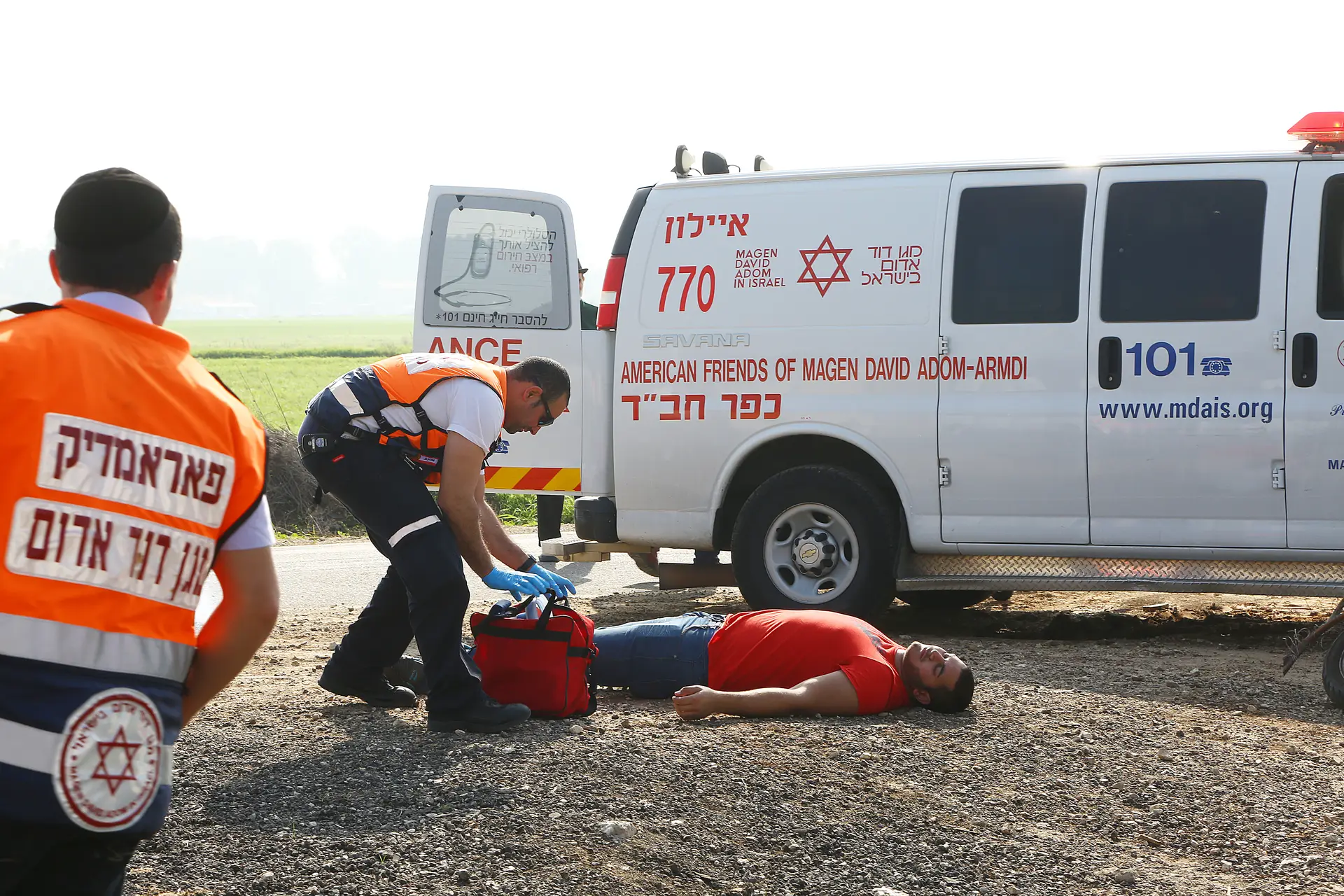
If a person dies at home, one must first verify his death through a certified medical entity that will see him. Therefore, contact should be made with MDA or another certified doctor who will fill out a death certificate.
In the case of death at home, the law requires the police to be called to ensure that the death is not related to any criminal acts. If the patient was terminal and known to the treating physician, he or she has the ability to write on the death certificate that he or she is familiar with the case and that he or she is releasing the body without police approval.
Then you should call the ‘Chevra Kadisha’ and they take care of the deceased’s body, take it to cooling or purification at the cemetery – according to the time of the funeral to be determined.
Then you should pour out all the water that was in vessels at the time of death in that house.
Why do they light candles for the dead?
Lighting a candle for the deceased provides a rectification for his soul and pleasure for it. The connection between the soul and the candle is also expressed in the scripture in the book of Proverbs, calling the soul a candle: “The candle of the LORD is the soul of man”.
Onen
Immediately after the departure of the soul and until after the burial, the Jewish ‘status’ of the mourners is “Onen”.
The practical meaning of this is:
On the one hand, Judaism respects your feelings at these moments and troubles you with matters relating to the burial of the deceased, and it exempts you from performing all practical commandments – such as putting on tefillin, prayers and even from blessing blessings, but on the other hand, at this stage all the instructions apply to the ‘mourner’ (as will be detailed below), except for your ability to wear leather shoes and the permit to sit on a standard height chair (things that will be forbidden to you later) – so you can deal with the needs of the deceased and his burial.
During this time, it is forbidden:
- To ask your friends for peace.
- To study Torah.
- To eat a real meal.
- To eat meat and drink wine.
- To bathe.
- To leave your house – unless the exit is for the care of the deceased and his burial.
- If you have a private business, you will be prohibited from operating it (even by others – if they have not transferred ownership) after the burial until after the seven days of mourning. To prevent financial losses, consult a rabbi before the start of the ‘seven’ days so that he can help you find halakhic solutions to this situation.
On Sabbath and Holidays
If a death occurs close to the beginning of Sabbath or a holiday, and the funeral will be held after the Sabbath or holiday, these rules apply to you until the beginning of the Sabbath or holiday. The Sabbath is always holy, and it is forbidden to practice mourning customs on it, despite the difficulty of the matter, one must try to observe Sabbath as usual. As soon as it ends, you must act according to these rules until the burial.


