







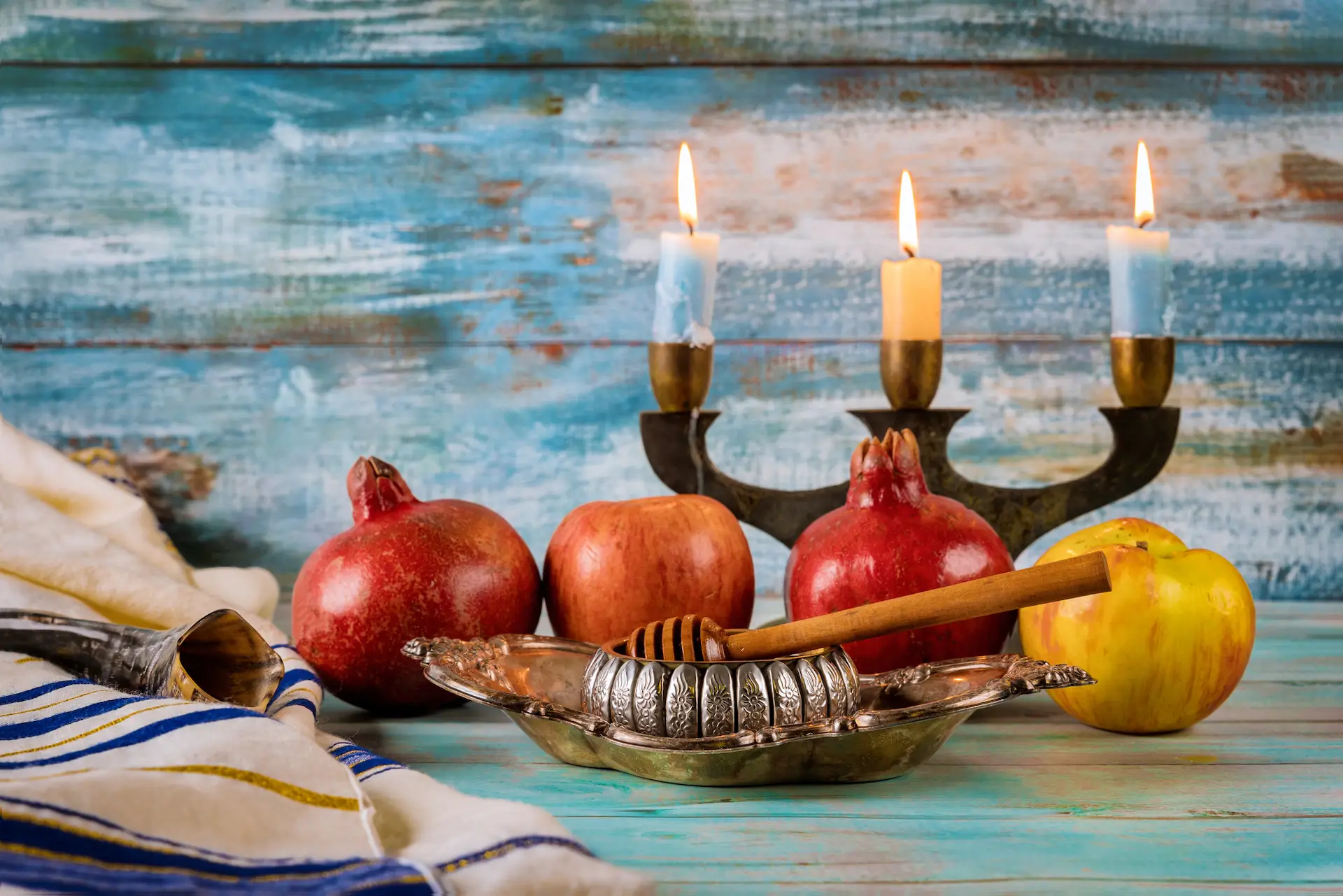

Lighting the Candles
The second day of Rosh Hashanah is considered a separate holiday. As a result, women customarily light candles on the second night of Rosh Hashanah as well. As above, the candles should be lit only after nightfall. The blessings that were recited on the first night are repeated on the second night, including the blessing of shehecheyanu.
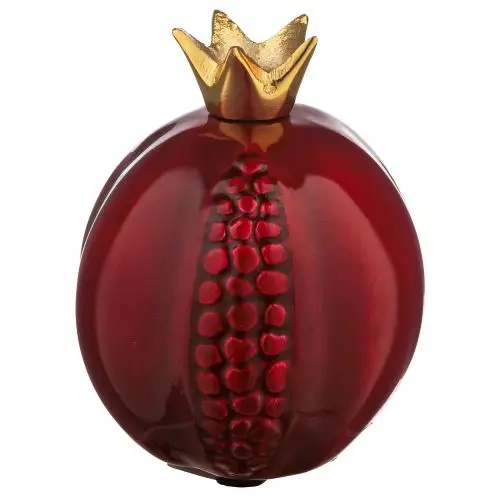
Before lighting the candles, the woman should either place a new fruit on the table or put on a new garment, which she should have in mind during the blessing of shehecheyanu.
- The fruit should be left on the table until after Kiddush.
- The blessing of shehecheyanu is recited even if one does not have a new fruit or new garment.
- Remember: The candles should be lit only from a fire that was kindled before the onset of the holiday!
The Maariv Service
The Maariv service of the second night of Rosh Hashanah is identical to that of the first. At the conclusion of the service, we wish each other a “happy holiday.”
The Holiday Meal
On the second night of Rosh Hashanah, Kiddush is recited over wine just as it was on the first night. While reciting the blessing of shehecheyanu, one should have in mind the new fruit that was placed on the table before the candles were lit. In this way, both the women who recited the blessing of shehecheyanu upon lighting candles and the men who recite it during Kiddush will be able to see the fruit and have it in mind during the blessing.
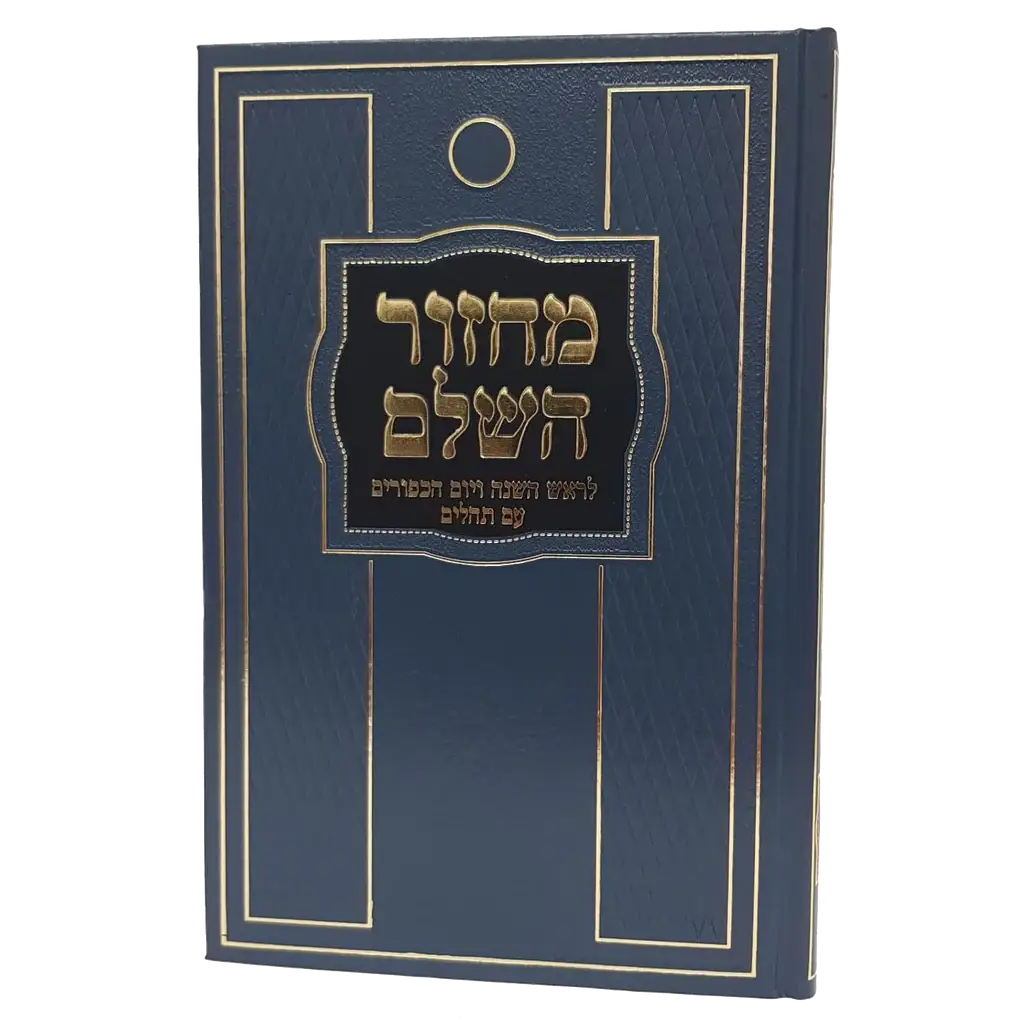
When the second night of Rosh Hashanah takes place at the end of Shabbat, the blessing over the fire of Havdalah is inserted during Kiddush; one should gaze at the lit candles during the blessing. The full text appears in the machzor.
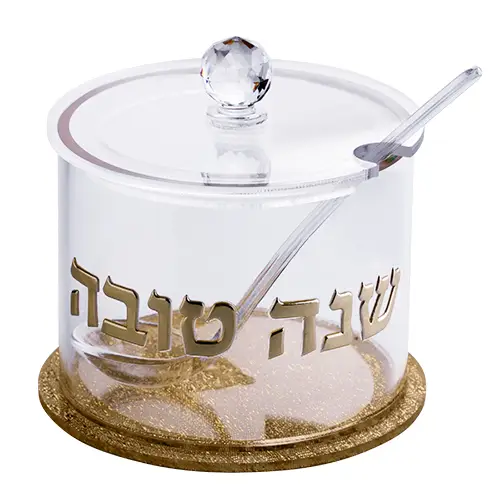
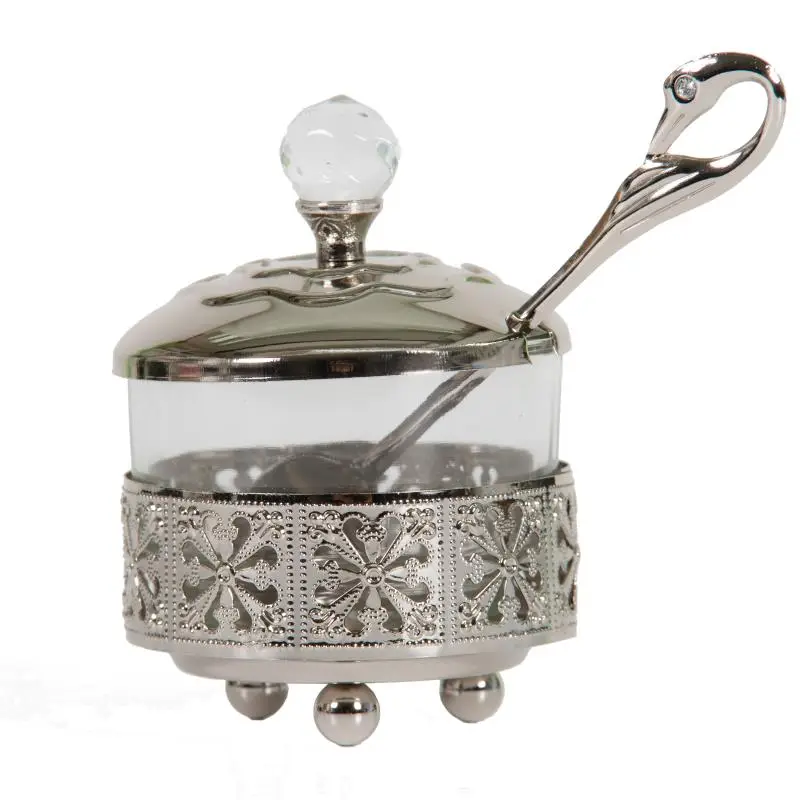
After Kiddush but before Netilat Yadayim, one should recite the appropriate blessing on the new fruit. This is followed by Netilat Yadayim and the blessing of hamotzi over two whole loaves of challah. The first piece of challah is dipped in honey, and the festive meal proceeds.
At the end of the meal, the Grace After Meals is recited, including the additional passages for Rosh Hashanah.
The Bedtime Shema
The bedtime Shema is recited just as on every other Shabbat or holiday.


