










Introduction
As we have learned, today’s synagogues serve as a substitute for the Temple that once stood in Jerusalem. It should come as no surprise, then, that every synagogue is considered to be imbued with sanctity. It is important to be aware of the basics of proper decorum in the synagogue in order to treat it with the appropriate level of respect.
The following are the guidelines set forth in Jewish law for appropriate conduct in the synagogue. (These guidelines apply specifically to the sanctuary of the synagogue.)
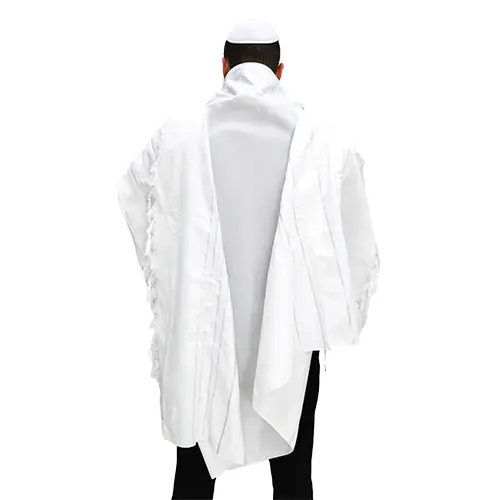
- Before entering a synagogue, one should verify that his body and clothes are clean. A man should also wear a head covering such as a yarmulke (skullcap) or hat. Many synagogues provide yarmulkes for visitors who are not equipped with their own.
- One should not enter a synagogue without a clear purpose for his presence there. One should also not seek refuge in the synagogue from inclement weather such as rain or snow, or enter it solely in order to benefit from its air conditioning on a hot summer day. If it becomes necessary to enter a synagogue for some reason, such as to look for something, one should be sure to sit down and recite at least one verse (such as a verse from Psalms) or other Torah-related passage.
- A synagogue should always be kept neat and clean. One should pick up and dispose of any loose papers or other forms of refuse that may be found on its floor.
- Inside the synagogue, one should maintain a respectful, dignified demeanor at all times. It is not appropriate to sit with one’s legs crossed, to smoke, or to run inside a synagogue. One should not bring a bicycle into a synagogue, even if it might be stolen if it is left outside. The interior of a synagogue also should not be used to sell or market merchandise.
- Eating and drinking within the confines of a synagogue is prohibited except during Torah lessons or on festive religious occasions.
- One may not sleep in a synagogue.
- Cellular phones should be turned off or placed on silent in order not to disturb others during their prayers.
- One should not engage in mundane conversation in a synagogue even when the prayer services are not in session. While inside a synagogue, conversation should deal only with matters related to the prayers or to Torah study.
- Parents who opt to bring their children to the synagogue should keep their children at their sides and monitor their children’s behavior to ensure that it is appropriate for the synagogue. Small children who will wander to and fro should never be brought to the synagogue, because their behavior is liable to disturb congregants attempting to pray.
- Exiting the synagogue should also be done in a respectful manner, without running or otherwise moving hastily. One should emerge from the synagogue at a calm, measured pace.
Treating the synagogue’s books with respect
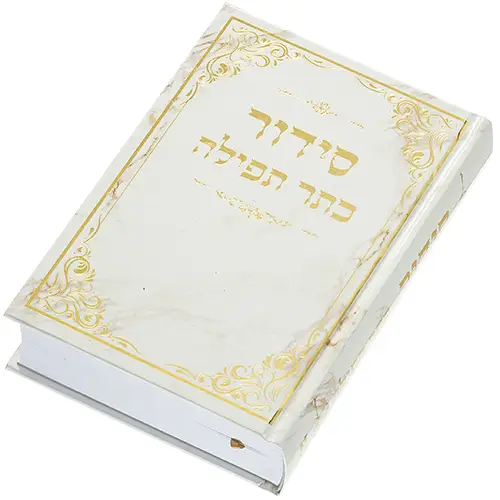
The books that are the mainstay of the synagogue services— siddurim, chumashim, and the like—are also considered by Jewish law to be sacred. There is a set of rules pertaining to the proper handling and care of such volumes, among them the following:
- It is forbidden to sit on a chair or bench on which any such book is resting.
- “Holy books” should always be placed right side up. If one finds such a book upside down, one should turn it over.
- These books should not be used to store papers or other items.
Genizah
Jewish law also forbids disposing of holy books in the standard manner of discarding refuse. When such books become unusable, they must be placed in genizah.
The genizah. (sometimes referred to as “shaimos”) is a special receptacle for the disposal of used books that are considered to possess sanctity, worn-out Torah scrolls and Tefillin (phylacteries), invalid mezuzos, and other items that cannot be discarded along with the garbage. Such receptacles are commonly found in synagogues or somewhere nearby. The contents of a genizah. receptacle are taken to be buried in a respectful manner, as Jewish law requires.


